
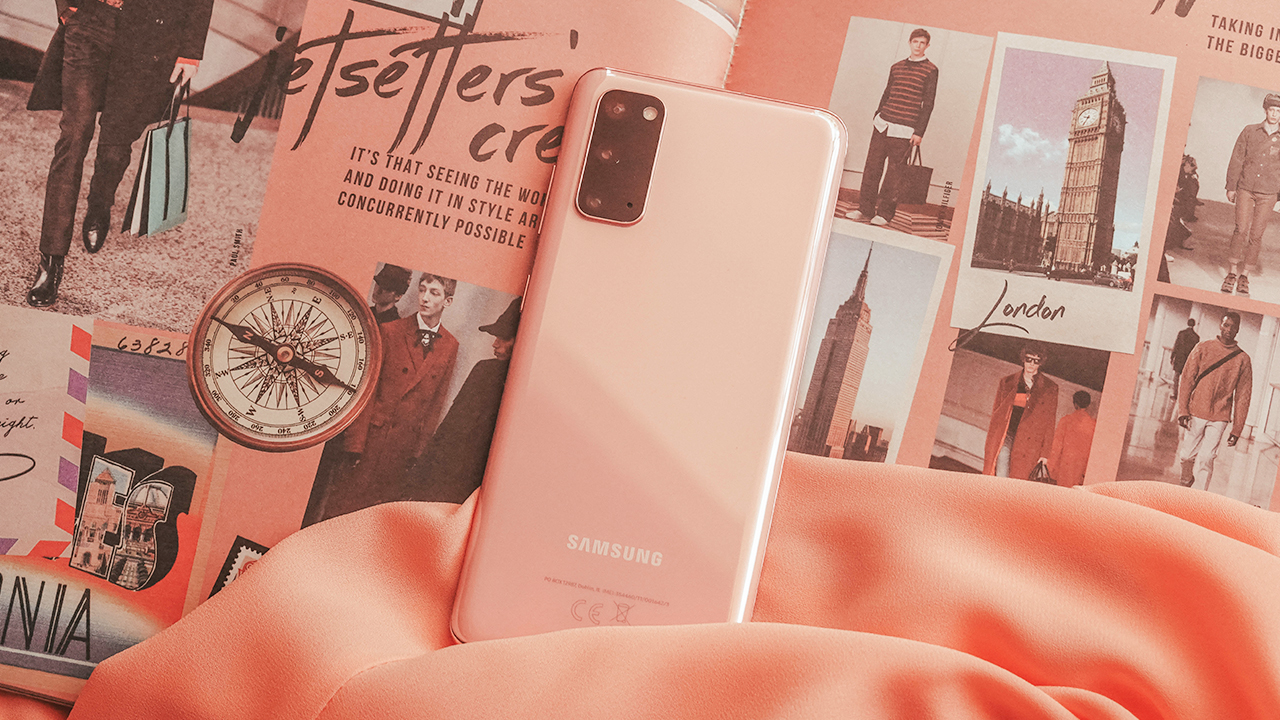

I’ve used a Huawei flagship for four long years, and I’m now looking to upgrade my current daily driver — the Huawei Mate 20 Pro. Admittedly, Huawei’s lack of Google Mobile Services made me look elsewhere. I can’t survive without Google, unlike others. Hence, I was elated to try the Samsung Galaxy S20.
Three months in and I find myself wondering, is it still “the one” to buy when there are so many options to choose from? And is it anyone’s GadgetMatch? Let’s find out in this review, or rather, my experience with it as my daily driver for three months. But first, let’s have a refresher on its looks!
Wonderstruck
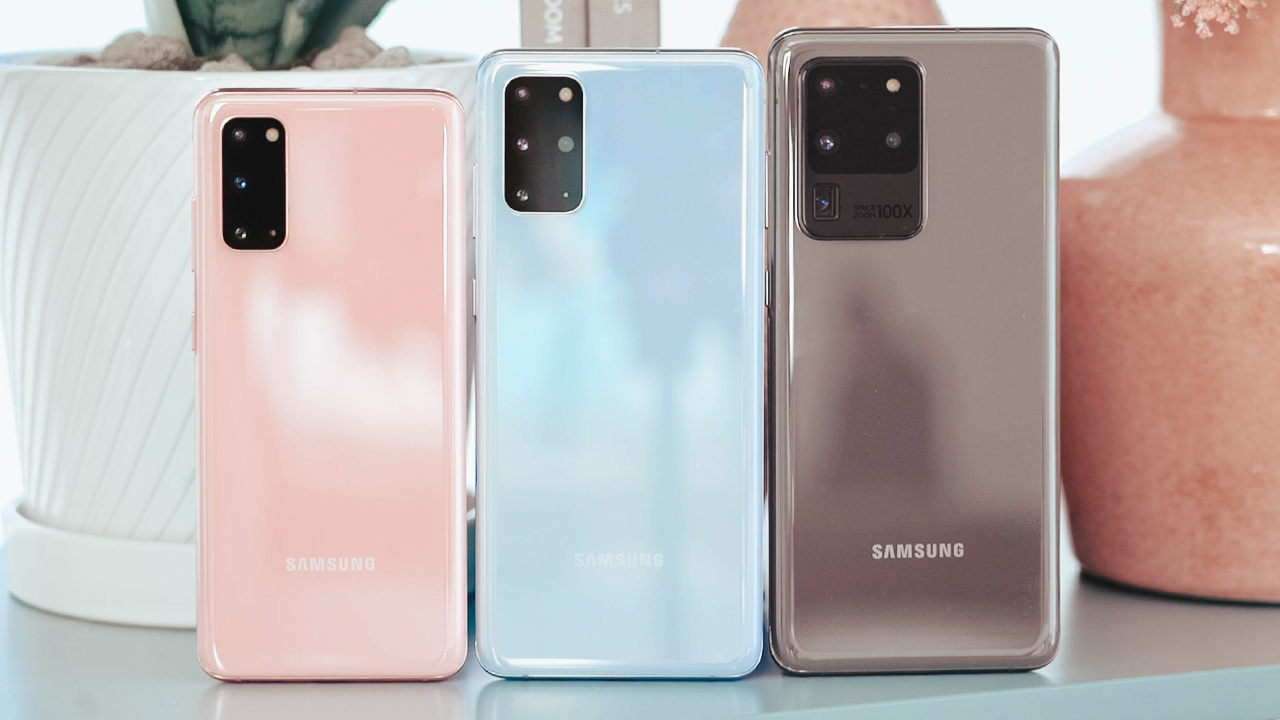
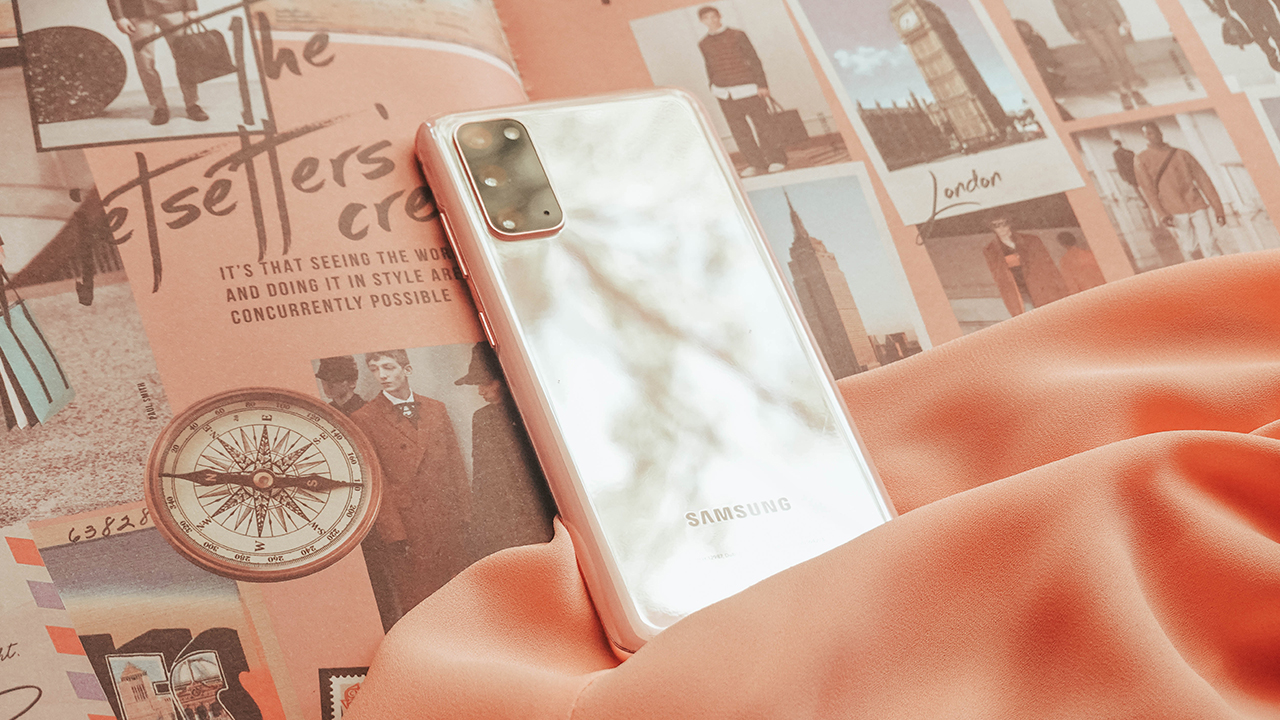
When I first saw the Galaxy S20 series, I was enchanted by its charming colors: Cloud Pink, Cloud Blue, and Cosmic Gray. I was pining for Cloud Blue but I got Cloud Pink instead. But who am I to complain? I’m still trying out the smartphone I fell in love with at first sight.

Samsung maintained its design language albeit it’s subtly refined in the S20. For starters, the corners are more rounded compared to the S10. It was comfortable and I found myself glued to my phone, unable to let it go.
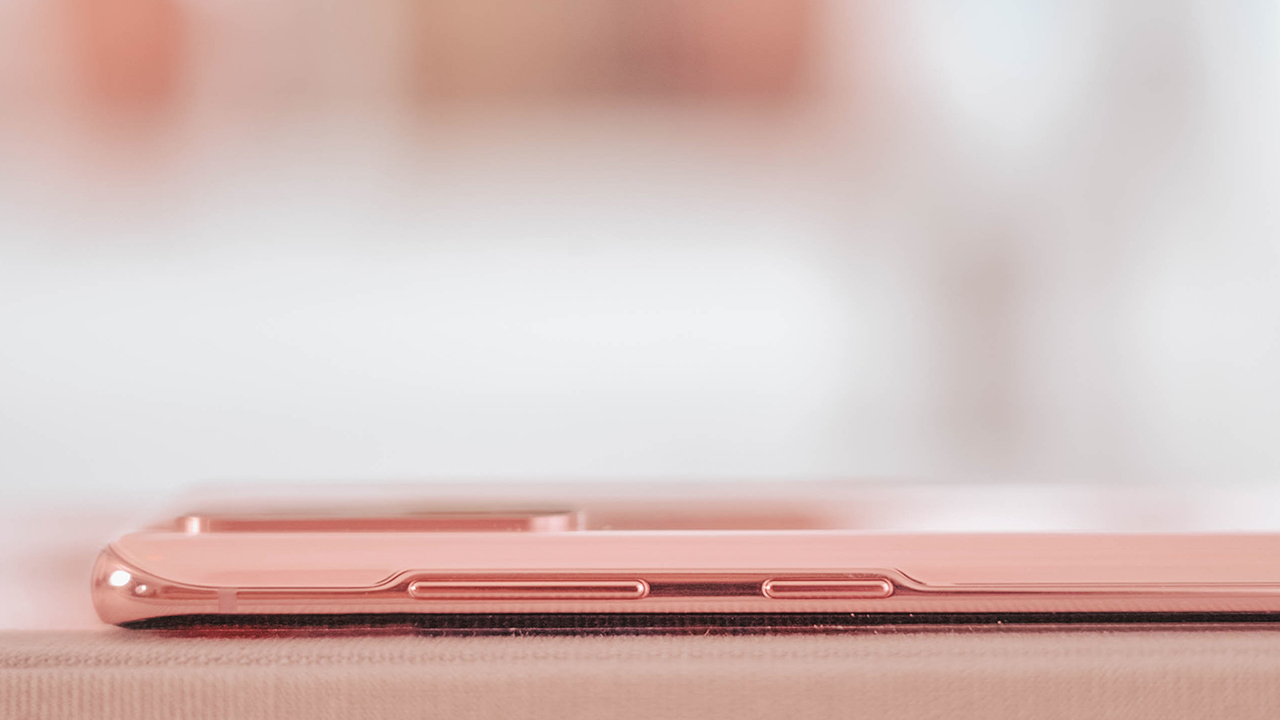
On the right side, buttons are now simplified. Now, there’s only two — one for the power button and one for the volume rockers. There’s also a subtle accent wrapping the buttons, exuding a sleek look.
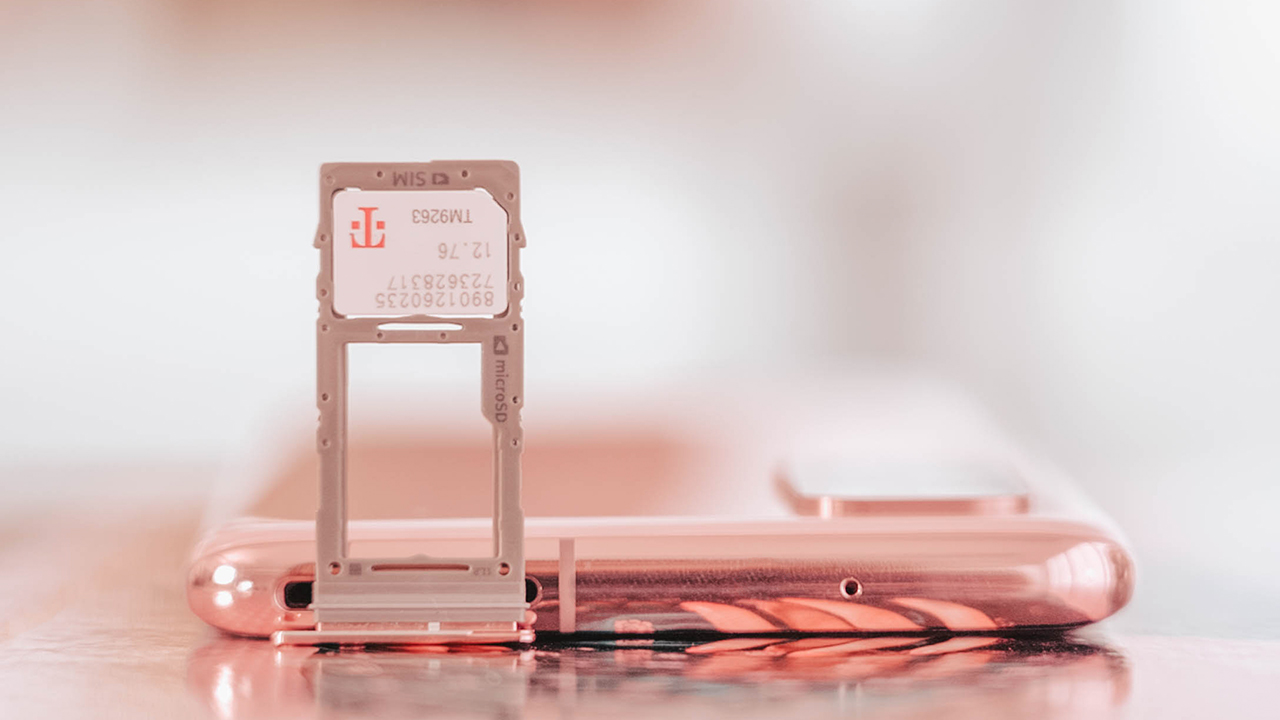
The top side contains the SIM card slot and an inconspicuous earpiece, keeping it clean and smooth.
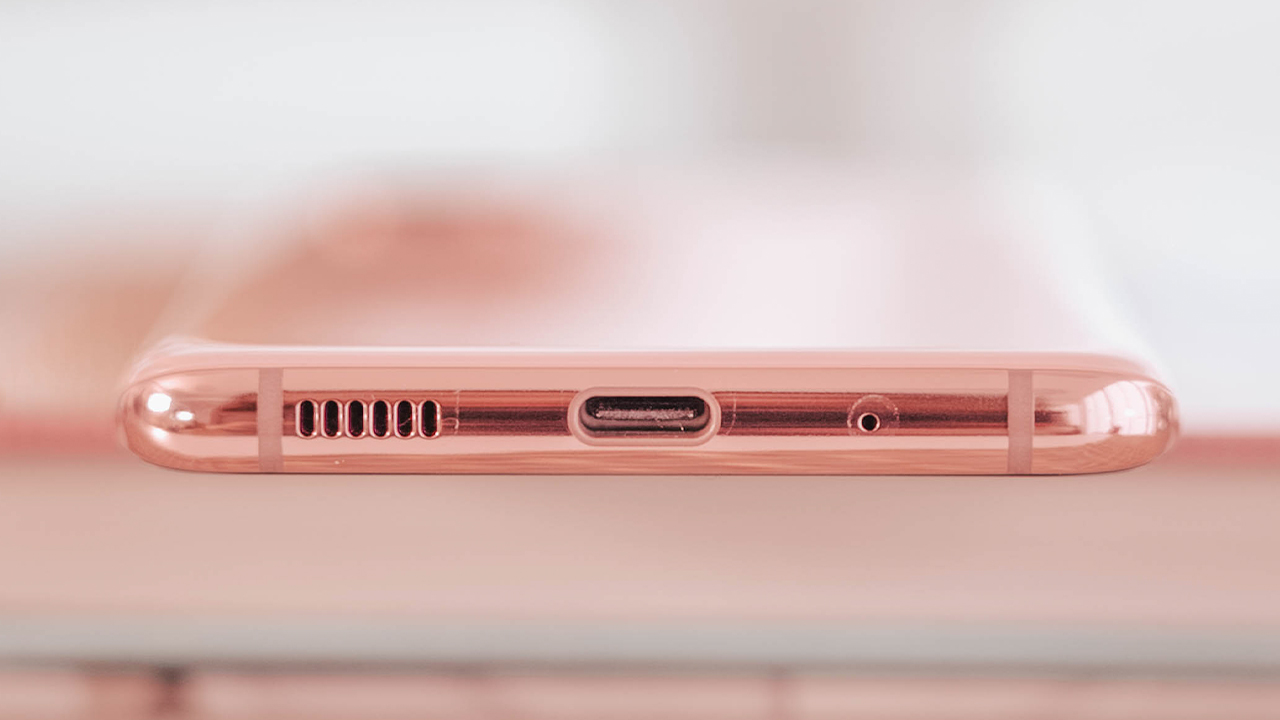
Meanwhile, the bottom features the speaker grilles, a USB-C port, and another earpiece. Overall, Samsung’s refined design for the S20 made it look and feel posh. The subtlety in its design is effing attractive.
You’re so gorgeous
The S20 has an alluring display, better than my previous handset. Coming from a 6.39-inch OLED screen, it was a treat to use the S20’s 6.2-inch Dynamic AMOLED 2x screen.
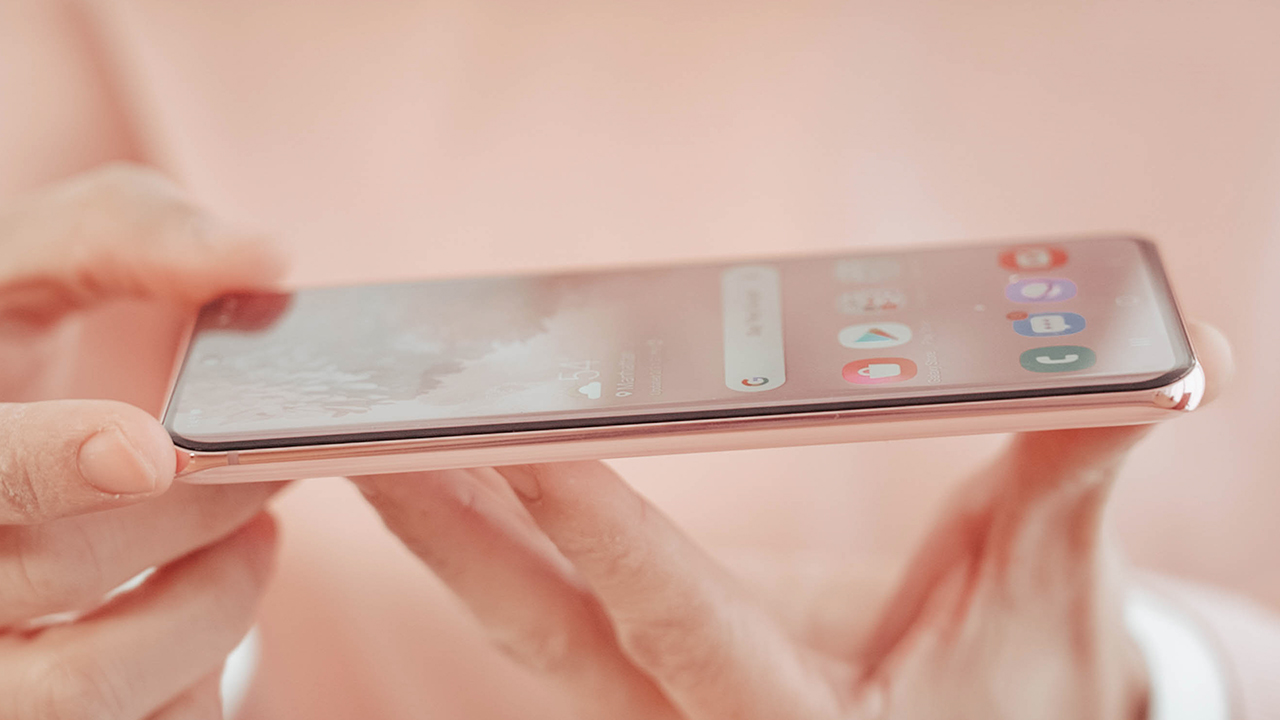
Its curved display is still here, but it’s hardly curved anymore. Samsung offered a middle ground for those who like and dislike curved screens, so everyone can enjoy this beaut. Although, a punch-hole in the middle of the screen might be distracting to some.

Honestly, Samsung’s punch-hole struck a balance though it still grabs attention over a light interface, like Facebook. If some of your preferred apps support Android 10’s dark mode or have their in-app dark mode setting, utilize it. Your eyes will thank you later!
I’m captivated by you like a fireworks show
It’s important to invest in a smartphone with an astounding display; something that captivates us and makes us want to look at it all the time. After all, we spend most of our time looking at screens.
The S20’s screen has HDR10+ support, perfect for your entertainment needs. It’s marvelous, impressively vivid, and cinematic — what else can you ask for?

Moreover, the S20’s screen supports 240Hz touch-sensing rate. You can choose between two refresh rates for your screen: 90Hz using HD+ resolution, and 120Hz using FHD+ resolution.
Frankly, I didn’t care about refresh rates. What’s the fuss when you’re not a gamer, right? But experiencing it first-hand, I finally understood why people are obsessed with it.

I have only used the phone as a companion to my life’s shenanigans. Despite not being able to use 120Hz on games that would take advantage of it (if there’s any), I was still spoiled.
Browsing, scrolling, and navigating apps on my phone is such a pleasure. Once you go 120Hz, there’s just no turning back.
I see sparks fly whenever you smile
In lieu of hideous camera placements being used nowadays, Samsung is using a bigger, rectangular module that’s already sported by some of its smartphones.
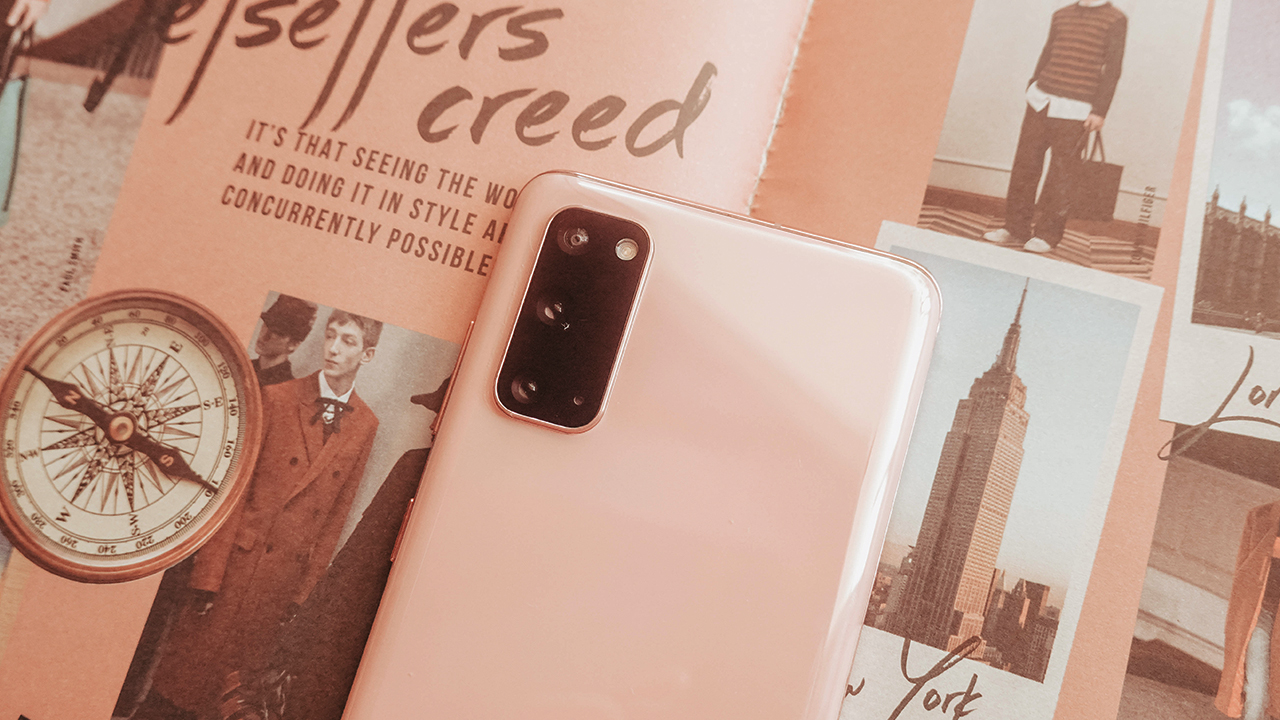
There’s a reason why Samsung uses a bigger bump: to house larger sensors. By now, I’m certain you know the S20 uses a triple-camera setup on its rear. There’s a 12-megapixel main camera, a 64-megapixel telephoto lens capable of up to 3x hybrid optical zoom, and a 12-megapixel ultra-wide-angle lens.
But let’s forget the numbers and see how it actually fares. There’s a saying that “results speak louder than its numbers.” I think I coined that.

I mostly judge a camera’s ability to produce mouth-watering photos sans using built-in filters. Laudably, the S20 produced vibrant and well-balanced food photos in different lighting conditions. You can post-process the photos to accentuate its details and colors.

Besides, it works wonders when taking photos of my friends. Whether it’s backlit or indoor shots, you can expect the S20 to deliver terrific photos apt for the ‘gram.

The S20 works as a travel companion, too. I’ve used its 3x zoom and wide-angle mode, capturing different moods and perspectives for travel photos.

Speaking of wide-angle, I love this feature more than the zoom. It’s best used during your travels to showcase a place’s charm.

Selfies are an absolute bomb despite sporting a mere 10-megapixel front camera. Even in low-light conditions, the front camera produced vibrant photos albeit it’s still far from being praise-worthy.
We were in screaming color

My friends and I struggled using the front camera in low light conditions, so we opted to use the rear camera and a timer. Still, the S20 produced well-lit, striking, and detailed photos, even though we didn’t use Night Mode.
If you’re a Night Mode fan, take advantage of the wide-angle feature to add perspective to your shots. Additionally, the S20 provides stabilization to aid you while using Night Mode. You don’t have to hold your breath now when taking handheld photos.

At utmost darkness, the S20 still captured a well-lit scene using Night Mode. For zoomers, you can utilize its 30x zoom, although you might not like the results compared to when you use a Huawei P40 Pro.
Like a rainbow with all of the colors
The S20 is capable of recording 8K videos and 4K resolution on both its front and rear cameras. However, I only used 1080p to document a weekend getaway. After all, who needs 4K or 8K right now?
Furthermore, I edited this one-minute video using cut-to-cut clips I’ve taken through Adobe Premiere Rush for Samsung, an app exclusively found on the Galaxy Store.
It’s a cruel summer with you
My experience with the S20 resembled my erratic relationship with the last person I dated. Sometimes I adore it, sometimes I’m confuzzled.
Par exemple, apps like Twitter suddenly stop refreshing, requiring a reboot. The phone also heats up quickly. A lot of S20 users in online communities are also complaining about how you can fry an egg using the phone’s intensive heat.

The heat is most felt when you’re doing memory-consuming tasks like video editing. If Samsung didn’t opt for the Exynos 990 chipset for its global units, I’m certain people wouldn’t struggle with heating issues.
This wasn’t something I experienced when I used the Galaxy A71 which sported Qualcomm’s Snapdragon chipset. Back then, the midranger ran Black Desert Mobile — a highly graphics-intensive game — without hiccups.
Samsung placing an Exynos chipset for its global units while using Snapdragon for US variants feels like Samsung only cares about the US market.
I love you and that’s all I really know
But those are the only flaws I encountered. For the most part, navigating the S20 is splendid and buttery smooth. It’s the reason why I stuck with it. After all, it still gave me reasons to love it.
And like a bloody martyr in love, I chose to gloss its shortcomings since I’m head over heels with the experience. First, it has a smooth and seamless navigation. There’s also an apps edge feature allowing quick access to my favorite apps. The 120Hz refresh rate helps against exhausting my eyes when scrolling, too.
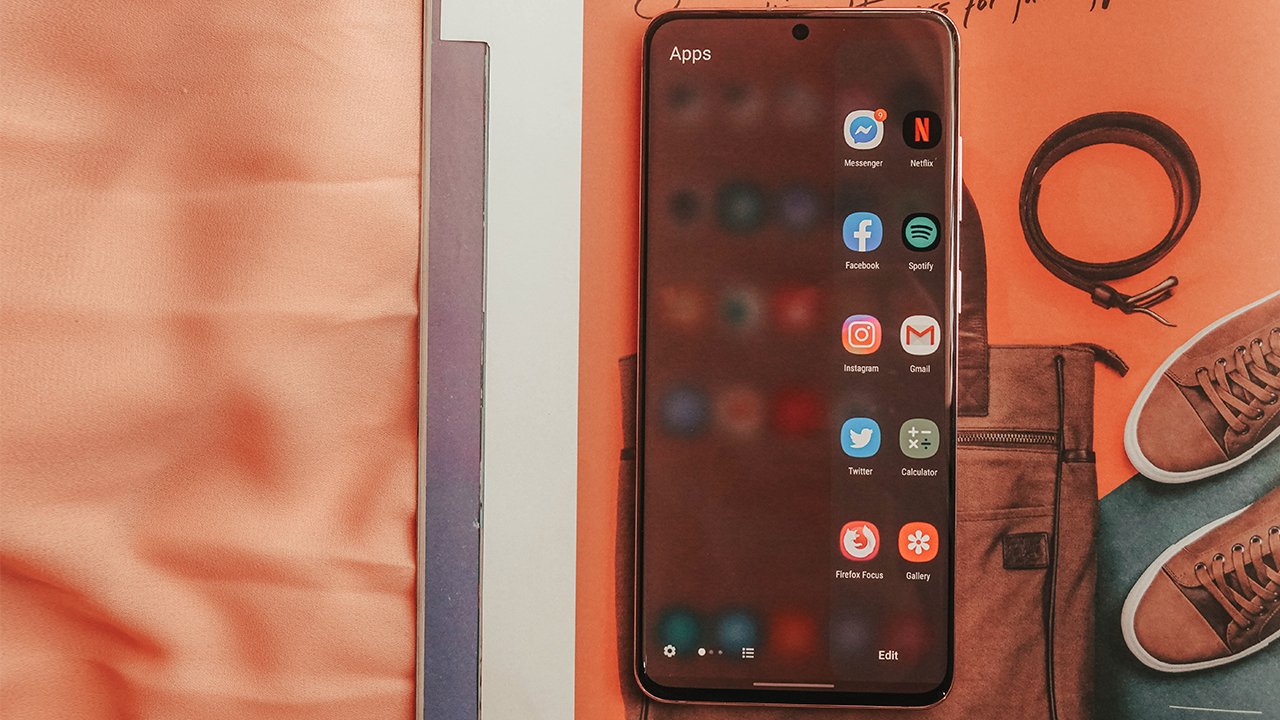
The S20 runs One UI 2.0 based on Android 10. It’s cleaner and contains less bloatware. It’s also equipped with 8GB of RAM and 128GB built-in storage, offering the right amount of speed you’d expect from a flagship smartphone.
There are Samsung staples that I relish, too. For instance, Samsung Members offer great deals from spas, resorts, cafes, and even restaurants.
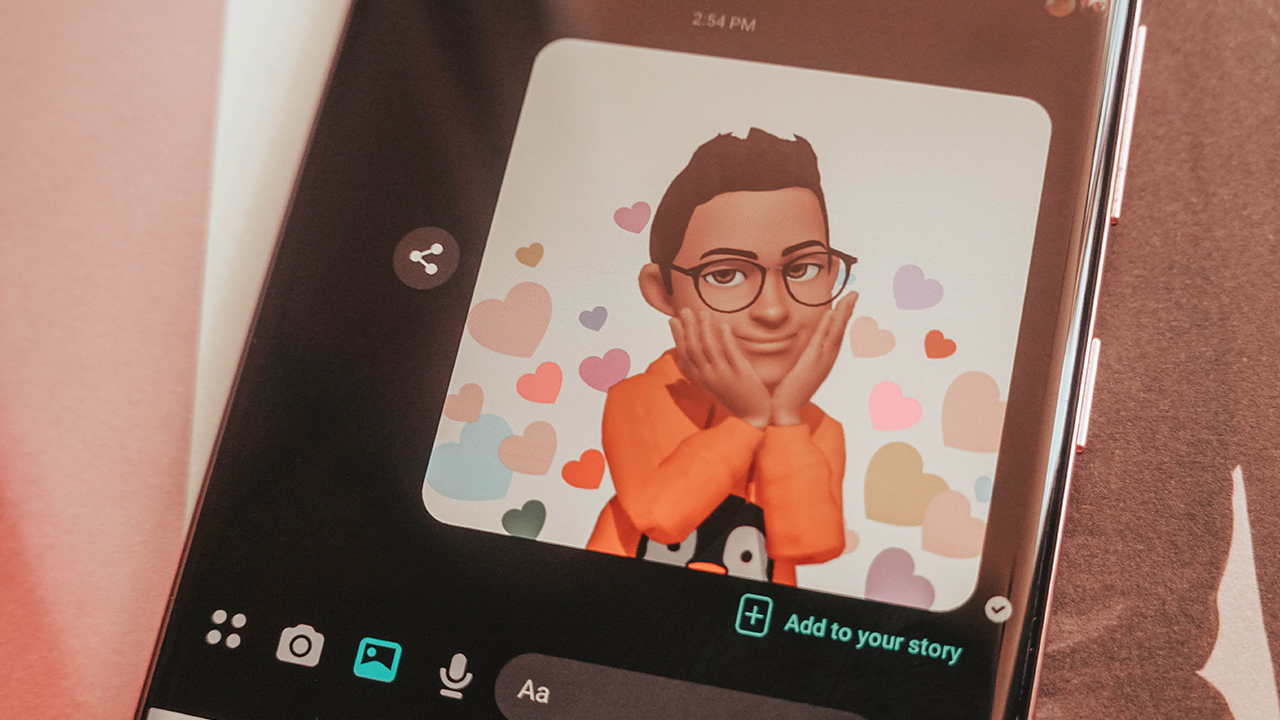
Lastly, there’s an AR Emoji, which made me fond of creating avatars. I find it’s an ideal response whenever I don’t have a precise GIF to articulate my emotions during a conversation.
A nightmare dressed like a daydream
I can’t refute how the heating issue is a dealbreaker for a lot of people. When push comes to shove, consistent heating can potentially damage the battery.
The S20 sports a 4,000mAh battery, expected to last for a day for power users. During my stint, the S20 lasted up to ten hours from the full battery down to fifteen percent. It’s somewhat momentary, but the S20 kept up with my nonstop usage for eight hours.
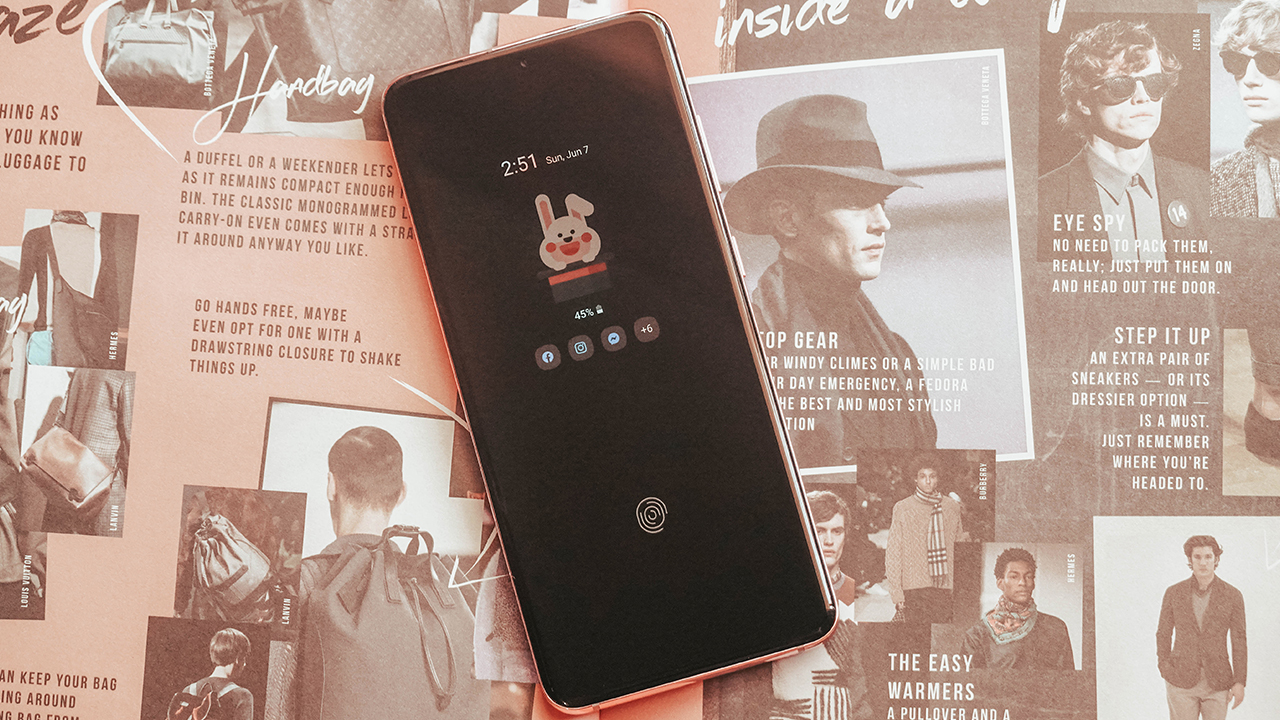
Samsung has a dreadful case when it comes to battery life, which is why you need little tricks to improve it. However, it’s the high refresh rate that took the most toll on my handset’s battery life.
While I’m genuinely happy to have the S20 accompany me throughout the day, the battery started deteriorating three months later. It dips for two to three percent in just an hour despite being on standby and only keeping the WiFi on.
Thankfully, it charges fairly quickly over Power Delivery 3.0 using a 25W adapter and a nice, thick USB Type-C to Type-C cable. You just need to charge it for at least an hour and a few minutes.
One second it was perfect, now you’re halfway out the door
Wistfully, the S20 doesn’t have a headphone jack but you can use any Type-C cable, in case you’re still using wired earphones. If you already went wireless, it’s common knowledge that Samsung has its own line of wireless earbuds.
Pairing the Galaxy Buds with the S20 is effortless, and the sound quality is clear and loud. The connection is consistent, too. It’s not flaky, unlike the person I last dated. Having a consistent connection is important for me, especially when working (or dating).
It’s agonizing when the music suddenly stops because of poor connection with the handset (as I’ve experienced using the Mate 20 Pro). Even in relationships, you’d hate it when the guy suddenly ghosts you, right?
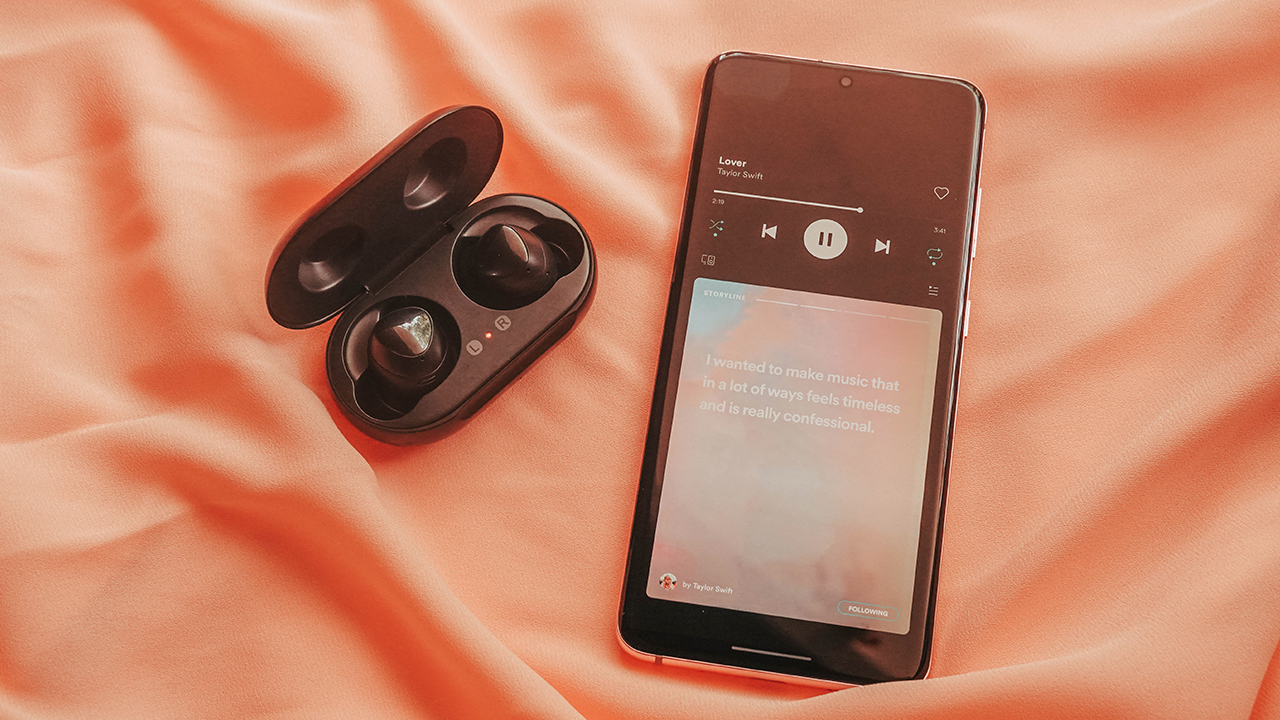
If you want to live your life out loud, the S20 is equipped with a stereo speaker setup tuned by AKG. It’s loud enough to fill the bathroom with your favorite tunes.
I found myself using just the S20 instead of bringing my House of Marley speakers during late night showers. Oh, it has an IP68 rating, too. You don’t have to worry about your phone getting wet!
You and I will be safe and sound
It’s always nice to feel secure — whether it’s on your device, your home, or your relationships. For a flagship smartphone, expectations should be high when it comes to security and peace of mind.
First, the S20 had an IP rating, ensuring protection against the elements. Accidents do happen, mostly during night outs where you spill your drink over your phone.
Next, it has three types of device protection: in-display fingerprint scanner, the usual password-protection, and facial recognition. All forms of protection work fast, requiring minimal effort to access your phone. If you have trouble reading your fingerprint scanner, you might need to read this little trick.
Apart from physical security, I care about my online security now more than ever. While I’ve been privy of ways on how to keep my accounts secure, I still rely on my handset to keep me safe and secure. Thankfully, Samsung cares about security as much as I do. It even has its own security platform and solutions!
For starters, you can utilize Samsung Pass much like Google Passwords to keep your accounts safe and remember your login info again for easier access next time around. Then, there’s Samsung Knox — which I only learned from a data and security conference held in 2019. I even talked about how Knox is the one thing that keeps Samsung apart from other brands in an exclusive interview.
In a nutshell, Knox is a fail-safe to protect your data. Learning about it made me appreciate the thought Samsung puts in its smartphones. It’s always the little things that make us fall in love with a brand even more. How can you not love something (or someone) that made you feel safe and sound?
Can you be my, my, my lover?
This is where the “Is it your GadgetMatch?” part comes in. The Samsung Galaxy S20 is still one of the best flagships you can get in 2020, hands down. It’s the perfect paradigm of a smartphone; everything just works with little effort on your part.
Priced at PhP 49,990, it’s ideal for those who want to upgrade from their Galaxy S8 or S9. It’s also suitable for those who want to jump from midrange to the flagship category, especially if you have the money to burn.
For former Huawei users who are looking for a flagship alternative that has Google (aka me), it’s an excellent choice.

If you prefer a bigger handset, there’s the S20+. Then, there’s the S20+ Ultra, in case you need a monster phone. If you still don’t know which Galaxy S20 is your GadgetMatch, you can read our brief comparison.
Alternatively, those who aren’t loyal to Samsung might find the OnePlus 8 Pro and Xiaomi Mi 10 Pro as viable options. Both phones offer the same flagship experience and prowess, but at a much affordable price.
You can purchase the Samsung Galaxy S20 at Samsung’s online store and its authorized retailers like Abenson and MemoXpress. It’s available in Cosmic Black and Cosmic Gray.





Some smartphones aim to stand out. Others just aim to work. The HONOR X8d falls squarely into the second category.
In day-to-day use, it presents itself as a device that focuses on the essentials. It’s functional, predictable, and easy to understand—but also a reminder of how noticeable the gap can be once performance and responsiveness start to lag behind.
A design-first approach
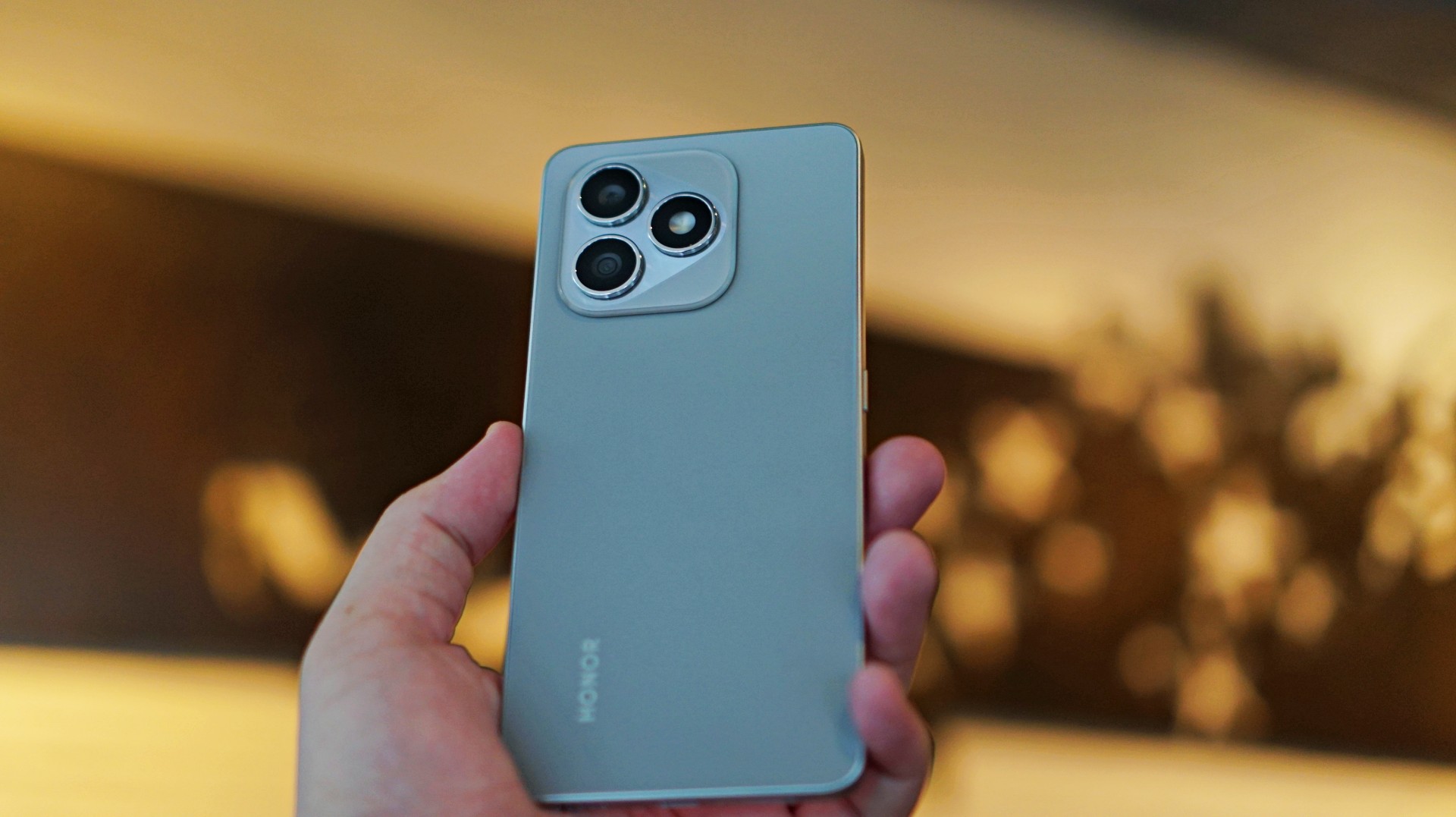
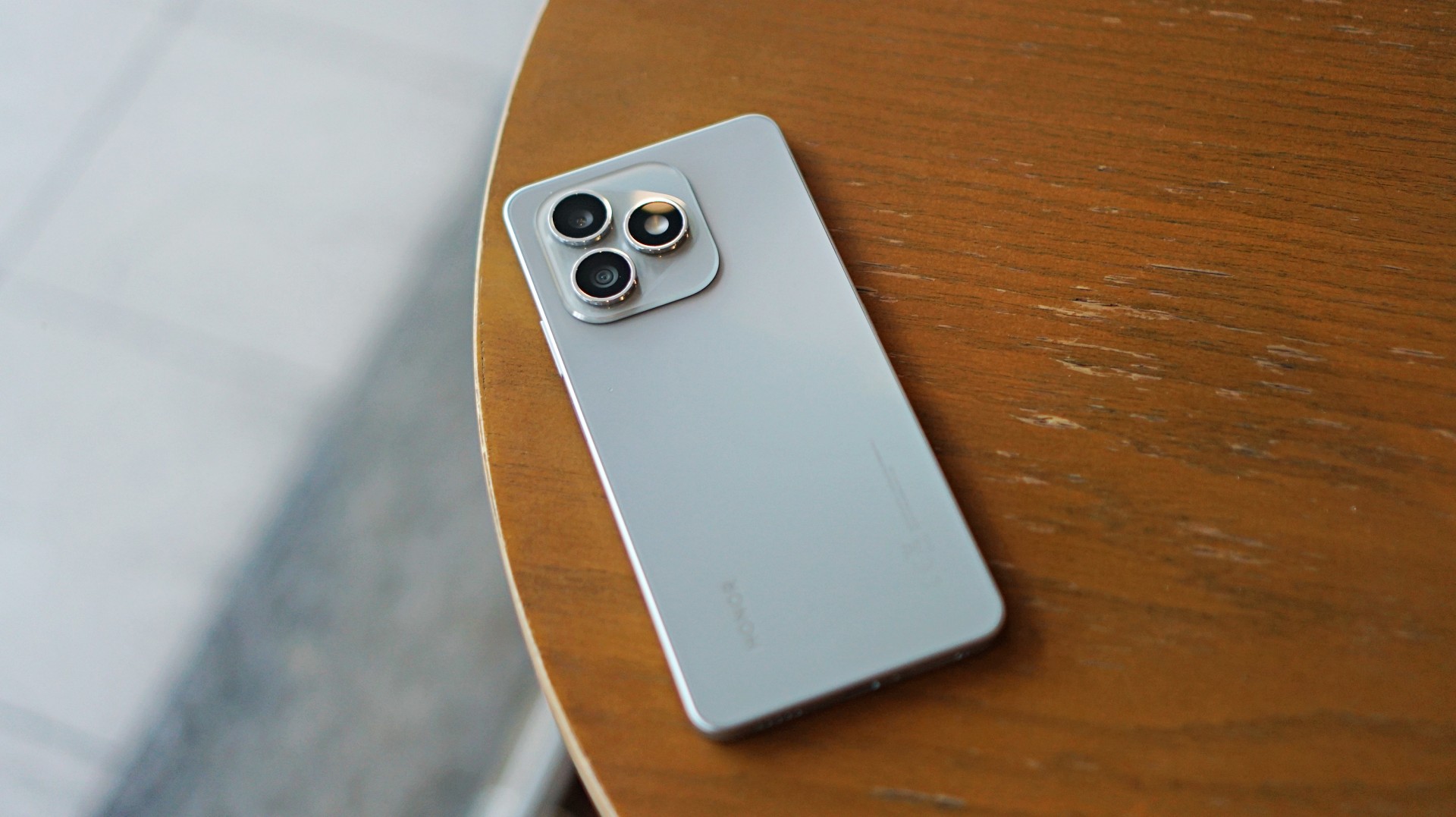
The HONOR X8d makes a decent first impression. It’s slim, relatively lightweight, and easy to hold despite packing a large battery. The flat sides and smooth back give it a clean, modern look, while the camera module adds a bit of visual identity.
It’s available in Light Blue, Velvet Black, and Velvet Grey—options that lean into its youthful positioning. The device also feels sturdy in hand, backed by SGS certification for drop and crush resistance, along with IP65-level protection against dust and splashes.
For a device in this category, the HONOR X8d delivers a build that feels dependable enough for daily use.
Display and media: Bright and usable
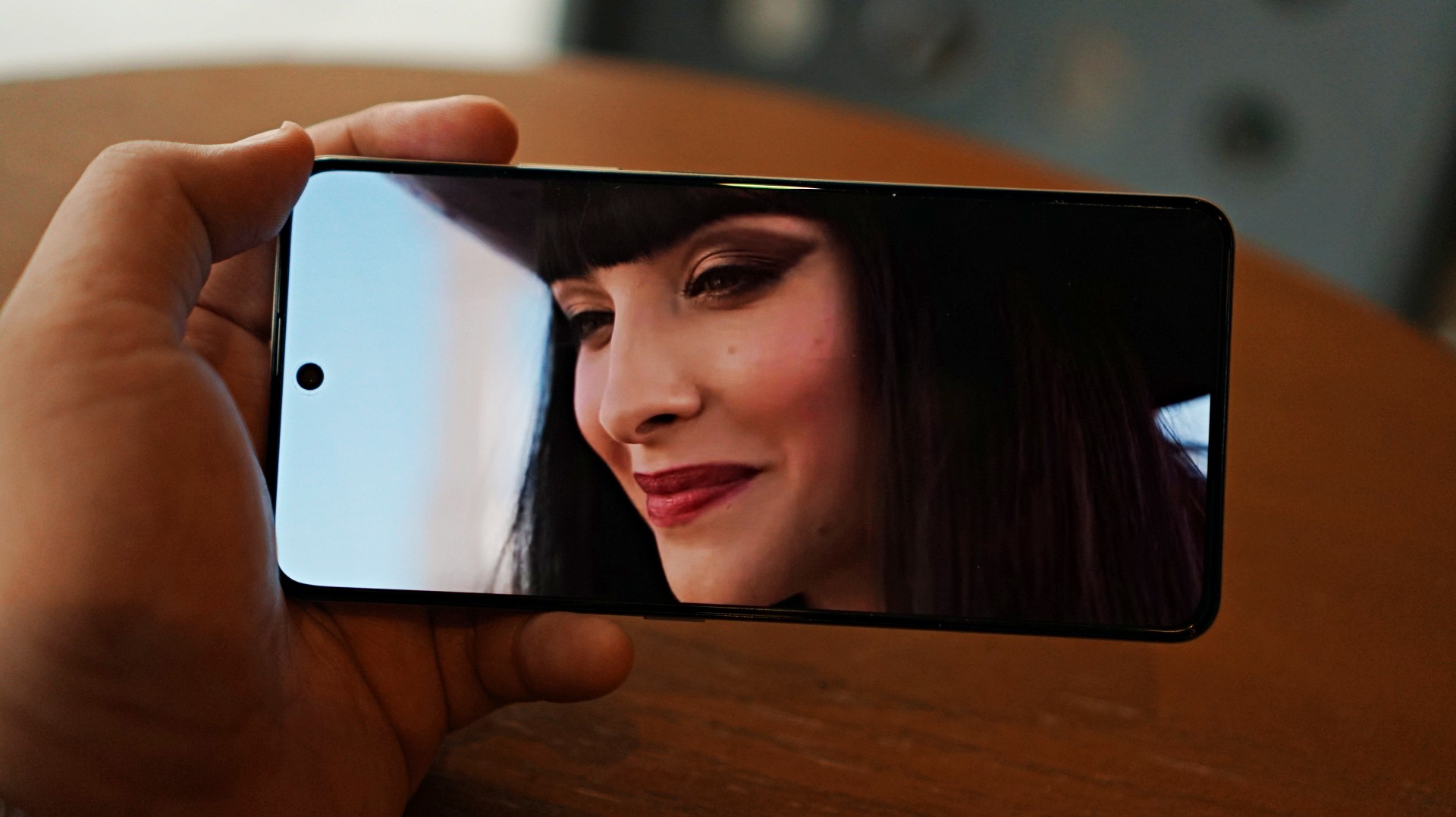
Miss All Sunday makes everything look good
Up front, the HONOR X8d features a 6.77-inch AMOLED display with a 120Hz refresh rate and up to 3000 nits peak brightness. Colors are vibrant, and the panel supports 100% DCI-P3, which helps content look lively.
For casual viewing, the experience is serviceable. Watching shows or videos feels comfortable, and the high brightness ensures visibility even under harsh lighting. Features like 3840Hz PWM dimming and E-Book mode also help reduce eye strain during extended use.
Now Playing: One Piece Season 2
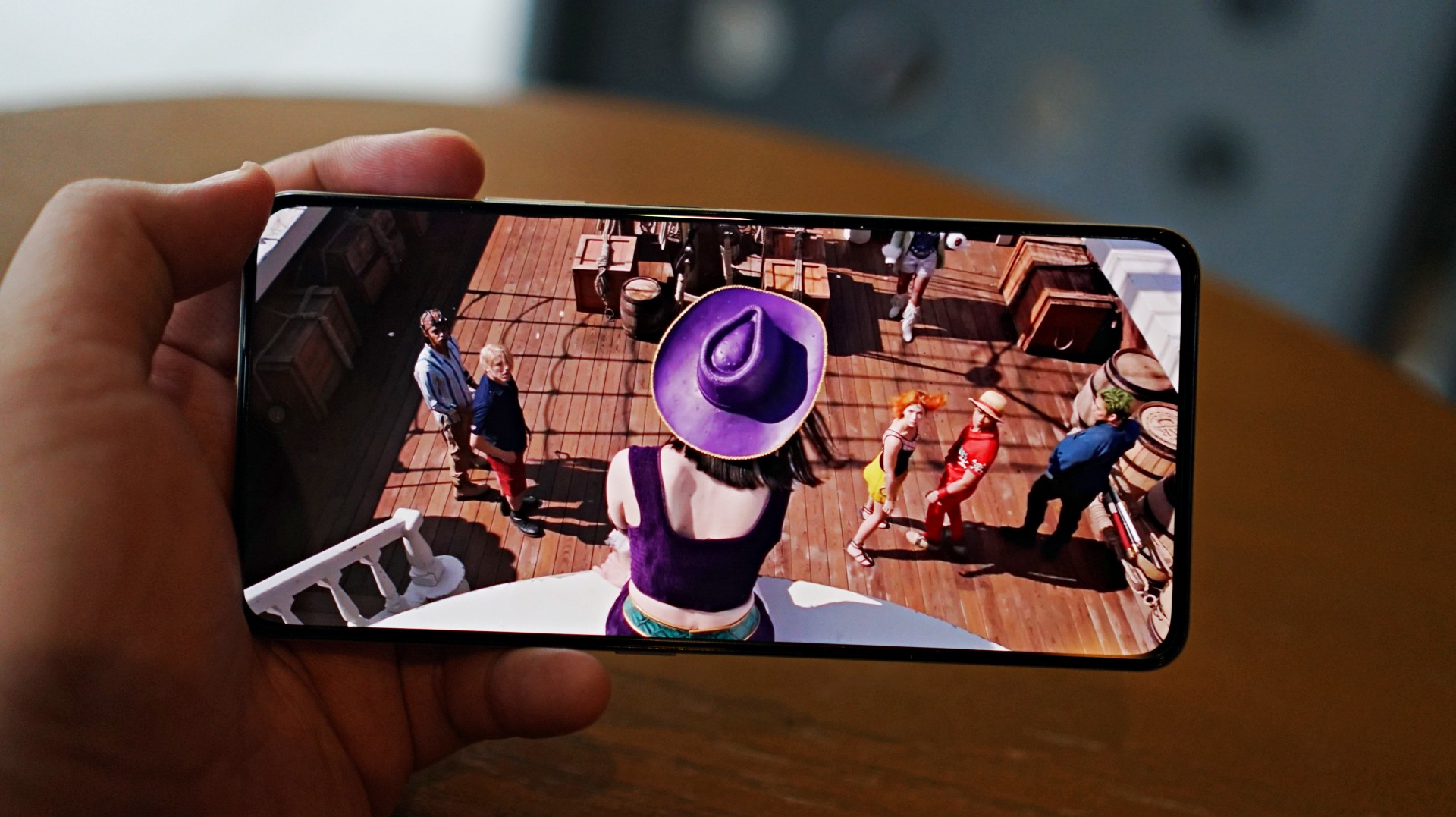
I skimmed through a few episodes of the One Piece Season 2 live action on Netflix and again it was… alright. Nothing here will blow you away but it serves its purpose.
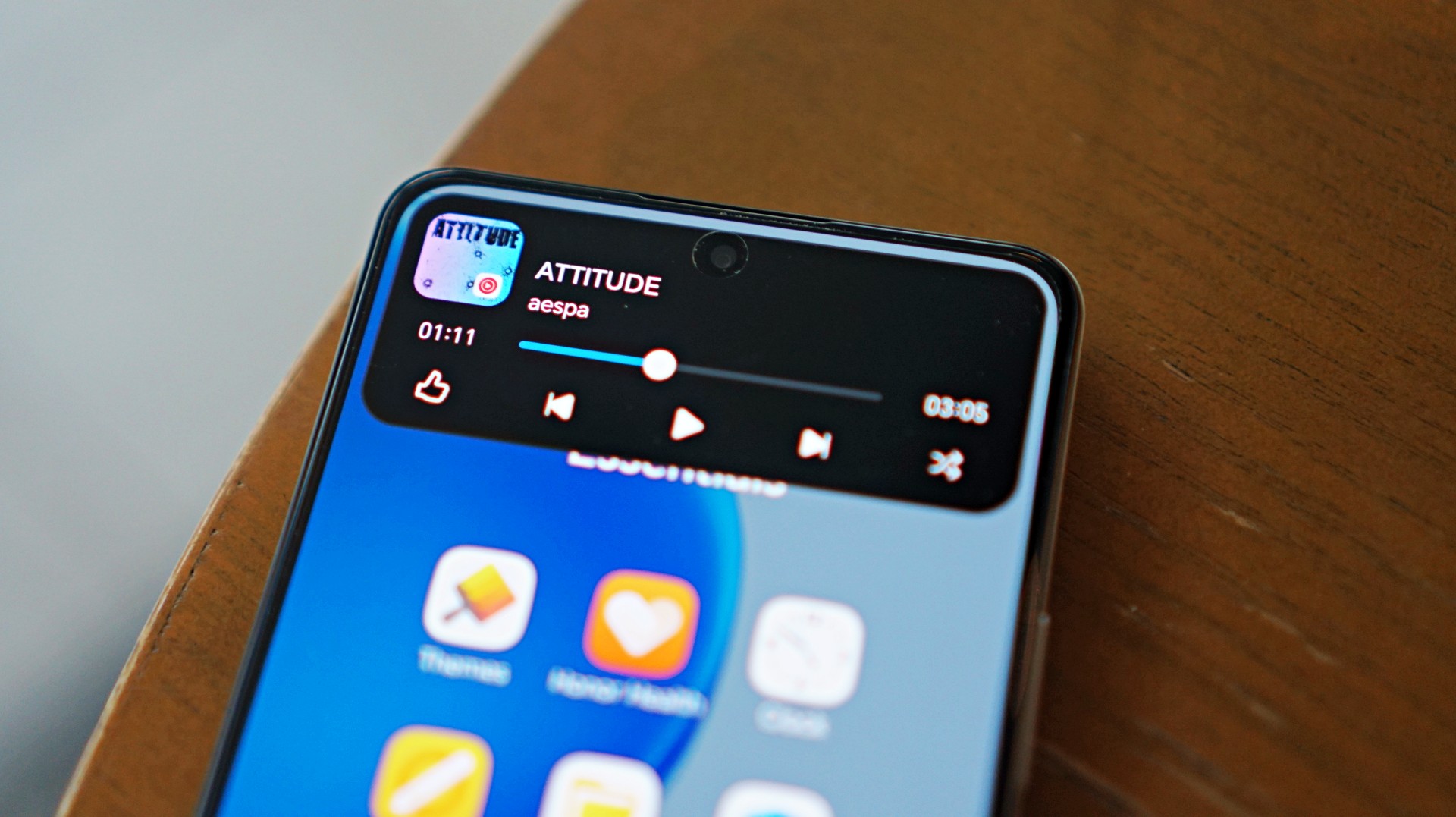
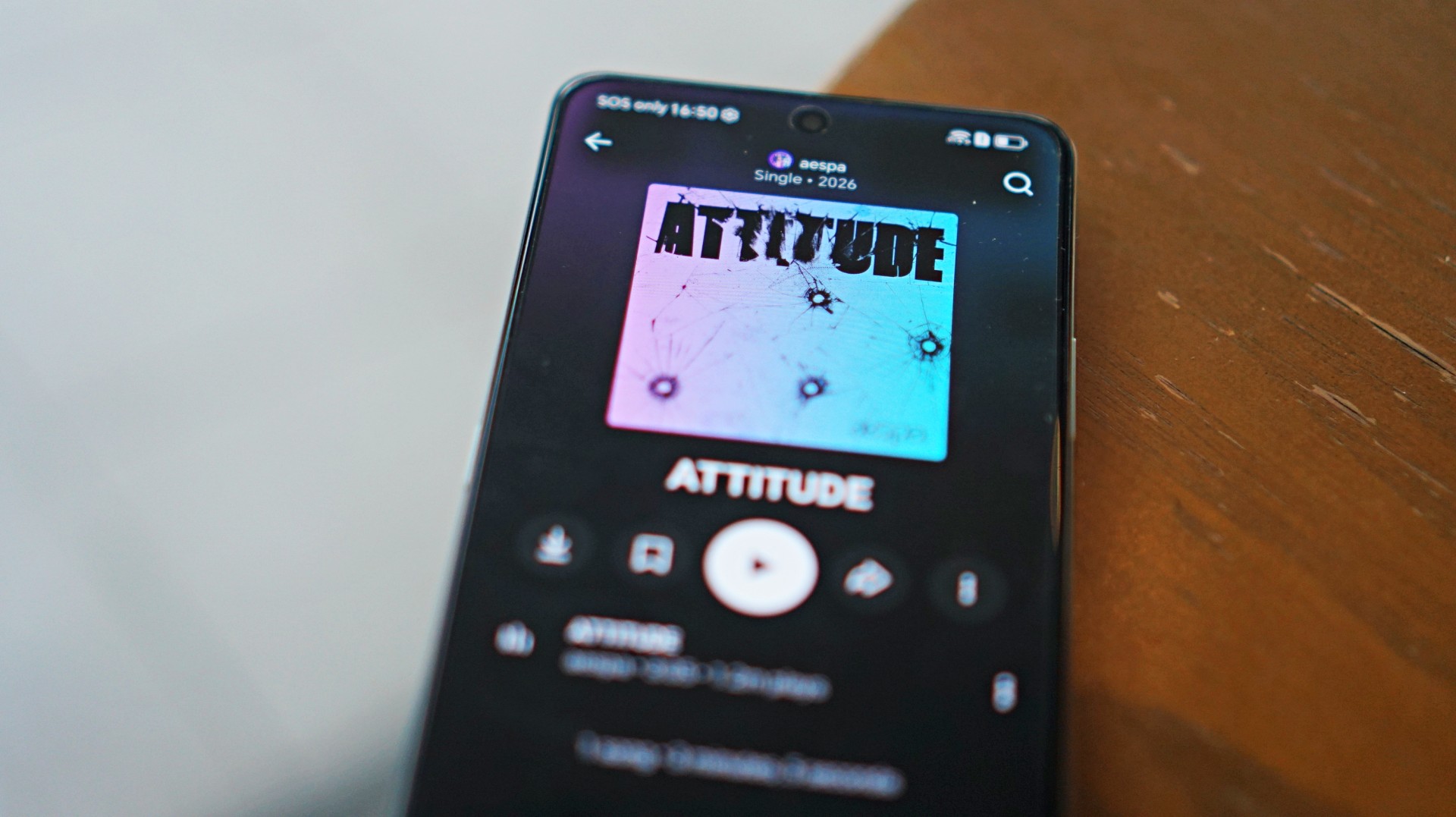 I also listened to “Attitude” by aespa on YouTube music and it just echoes the general feeling of the phone – serviceable.
That said, the overall experience remains straightforward. It delivers what you need for day-to-day media consumption without going much further.
Performance is where compromises show
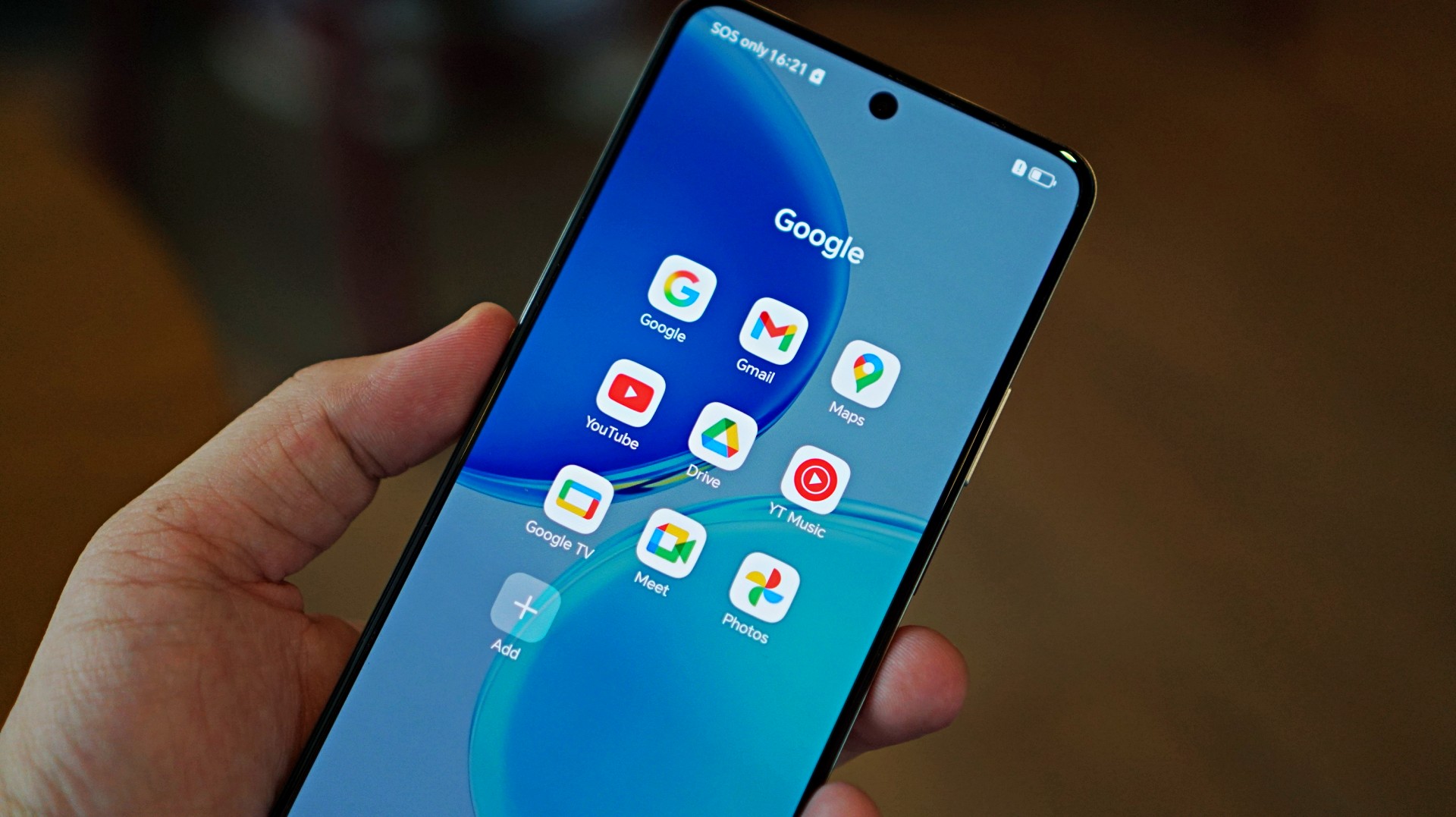
The HONOR X8d runs on the Snapdragon 6s 4G Gen 2 paired with 8GB of RAM. On paper, it’s positioned for everyday tasks, but in practice, performance leans on the modest side.
Basic interactions like switching between apps or scrolling through feeds can feel slower than expected. There’s a noticeable delay at times, even during simple tasks, which affects the overall flow of the experience.
This extends to camera usage as well, where responsiveness can occasionally feel a step behind. The device remains usable, but the pacing may feel dragging depending on what you’re used to.
Cameras are reliable in good light
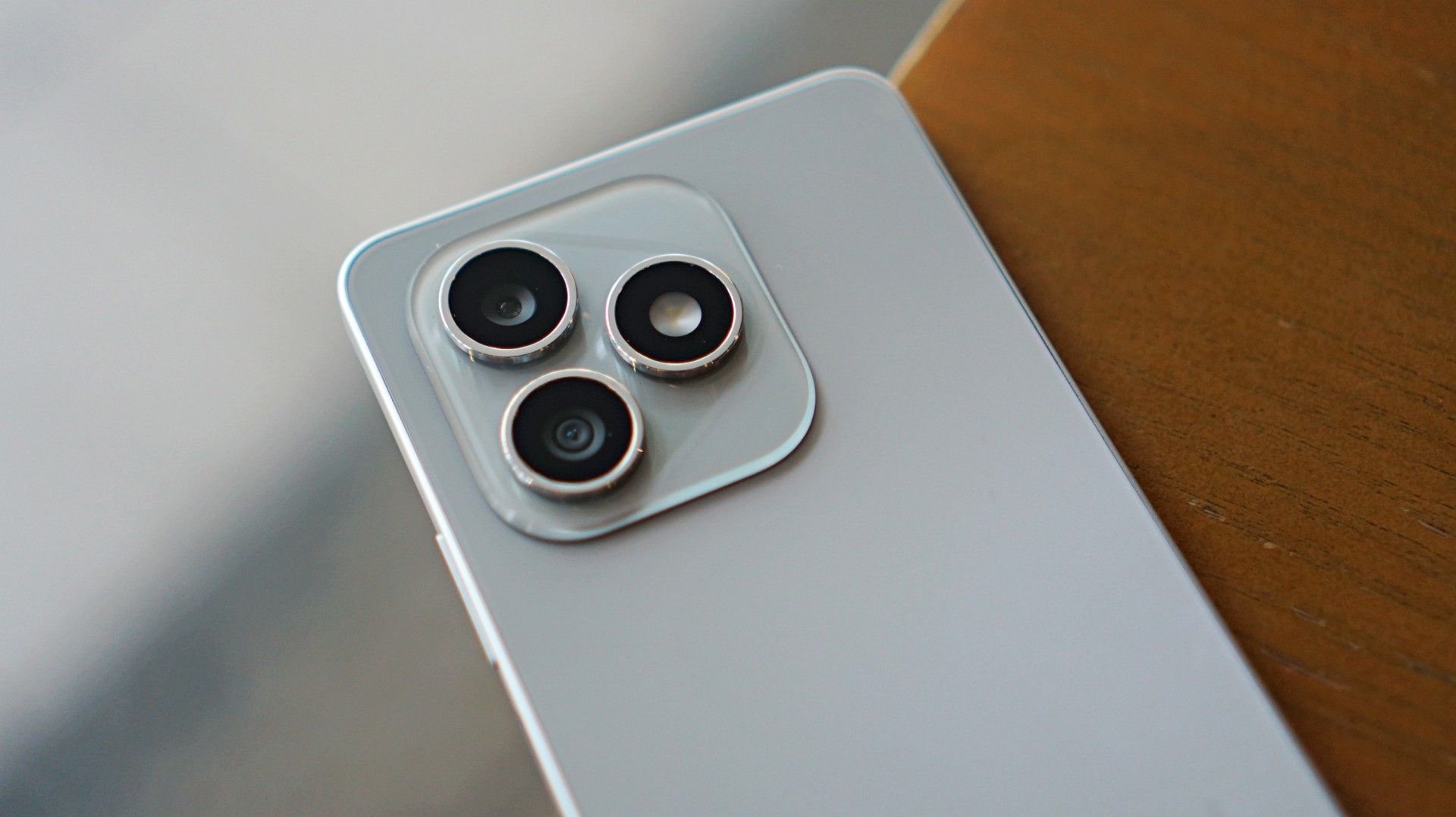
The HONOR X8d is equipped with a 108MP main camera alongside a 5MP wide camera, with a 16MP shooter up front.
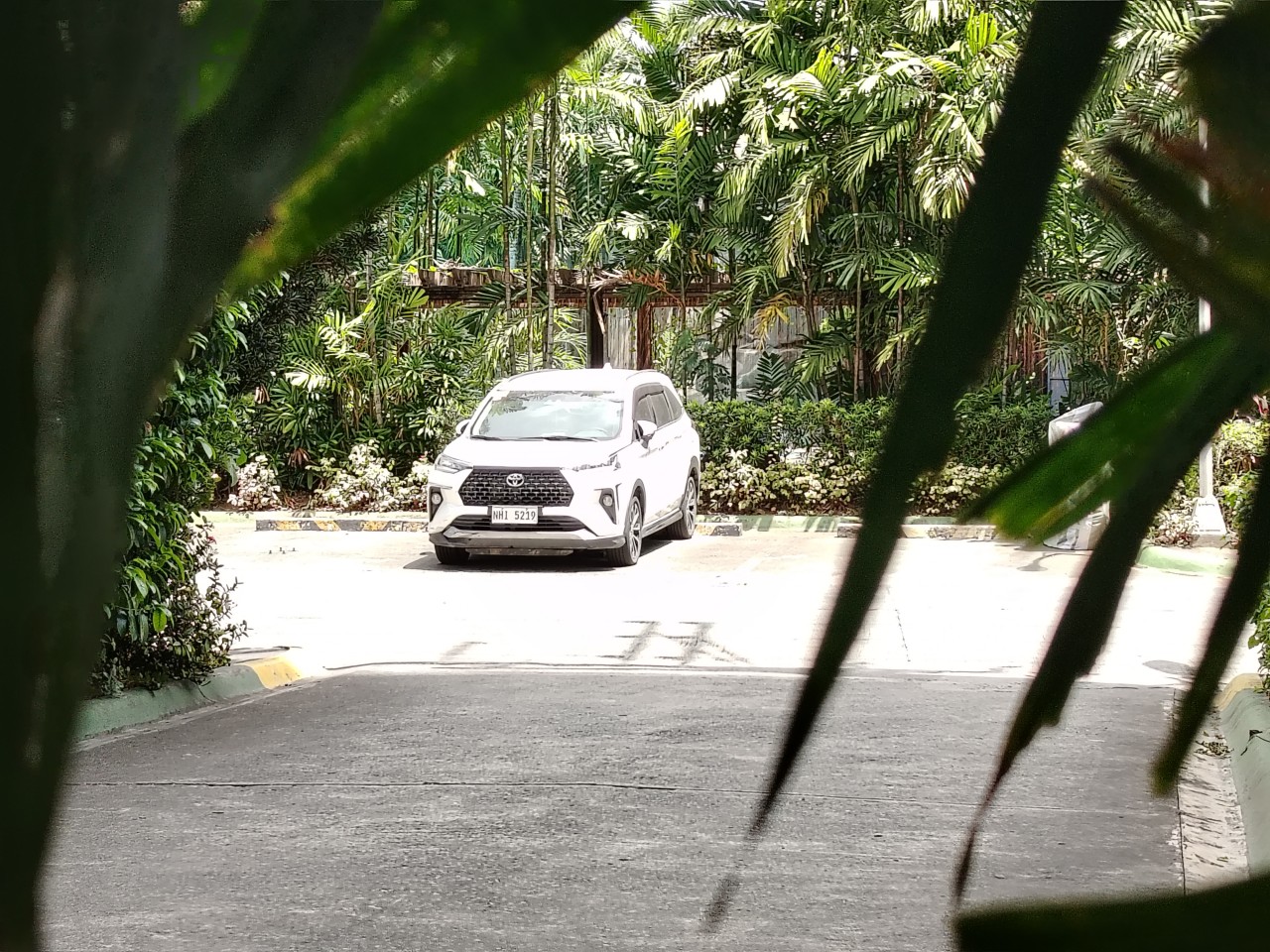
In good lighting conditions, the phone produces decent images. Shots are clear enough, with acceptable detail and color for social media sharing. The camera system also benefits from a suite of AI tools such as AI Eraser, AI Cutout, and AI Upscale, which add flexibility when editing photos.
Zoom options at 1x, 2x, and 3x remain usable, though results are best when lighting is favorable. Overall, the camera system is dependable for casual snaps.













Software and AI: familiar, feature-filled
Running on MagicOS 10 based on Android 16, the HONOR X8d comes with a feature-rich software experience. It includes tools like AI Translate, AI Writing, AI Notes, and AI Recorder, alongside features such as Magic Portal and Circle to Search.

Like many Android skins today, MagicOS follows a design approach that will feel immediately familiar. The layout, navigation, and overall structure borrow heavily from the iOS-inspired blueprint that most brands have adopted. It’s easy to get into, even for less experienced users.
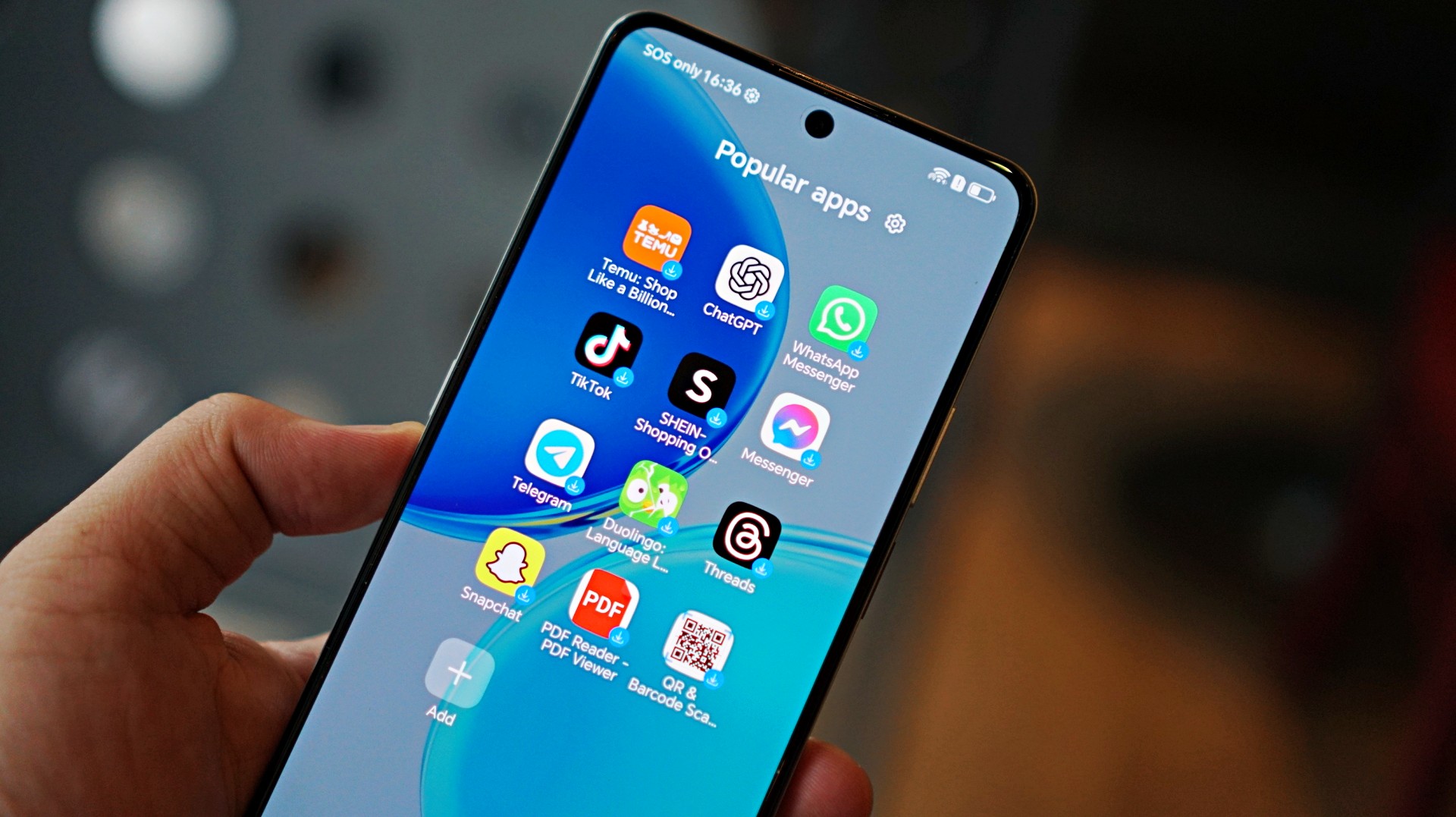
Typical of entry-level smartphones, the device also includes app recommendations out of the box. Thankfully, these aren’t overly intrusive, and many of the suggested apps are ones users would likely install anyway.
The software helps add depth to the overall package, even if the hardware limits how smooth everything feels in actual use.
Battery and everyday use is a clear strength
One of the standout features of the HONOR X8d is its 7000mAh battery. It’s designed to last through extended use, whether for streaming, browsing, or everyday communication.
Paired with 45W HONOR SuperCharge, topping up the device remains relatively quick. For users who prioritize longevity over speed, this is easily one of the more reliable aspects of the phone.
Is the HONOR X8d your GadgetMatch?
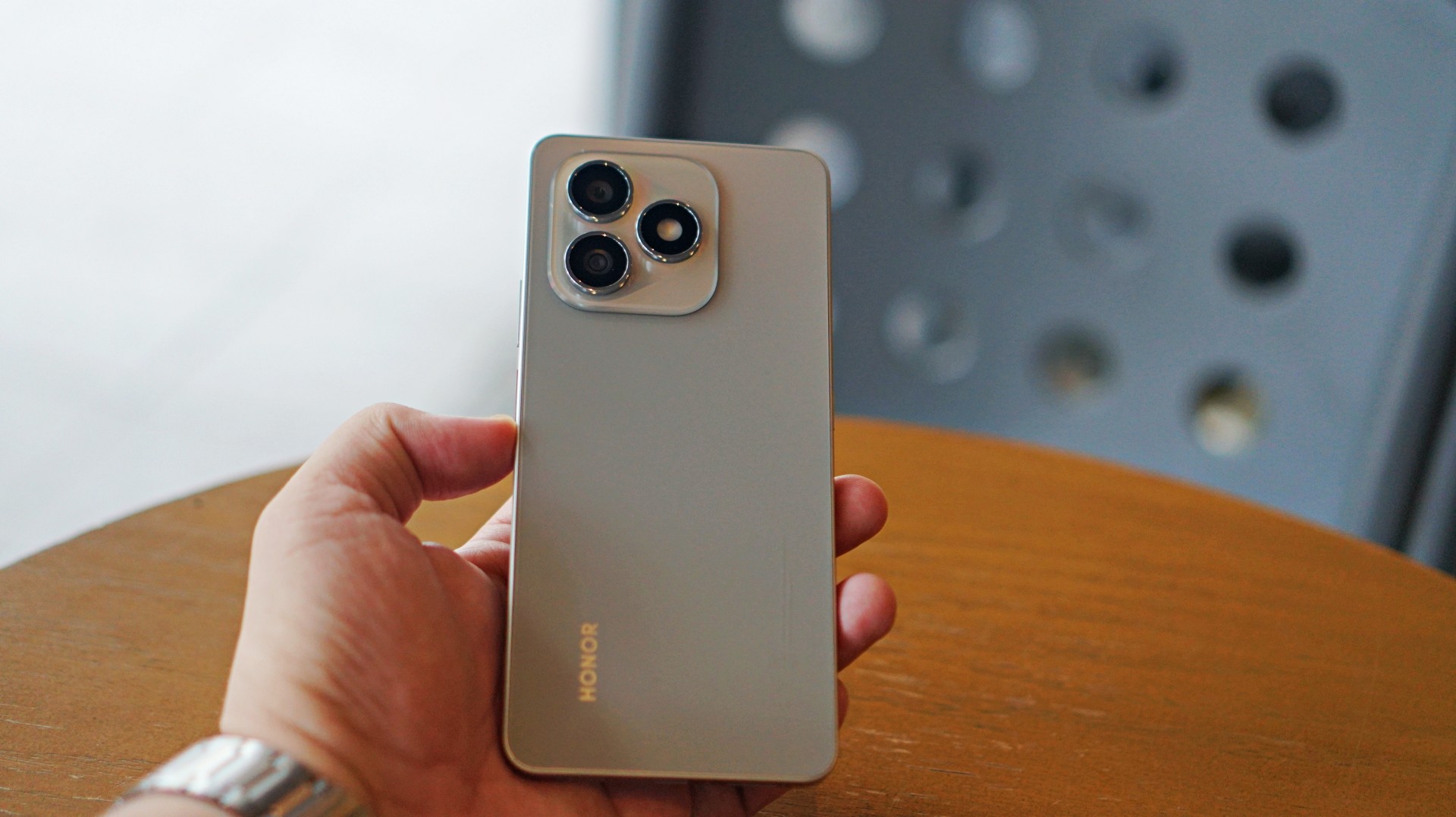
When HONOR Philippines was first teasing the phone it was positioned as something for students. But if I were a parent, I’m pretty sure I’d like my kid to have some kind of advantage and not have to deal with a device that might not be able to keep up with them.
After learning that it’s priced at PhP 15,999 my verdict just became much clearer. This is a Swipe Left.
Add a few more to that price and you can get an excellent smartphone at its early bird price.
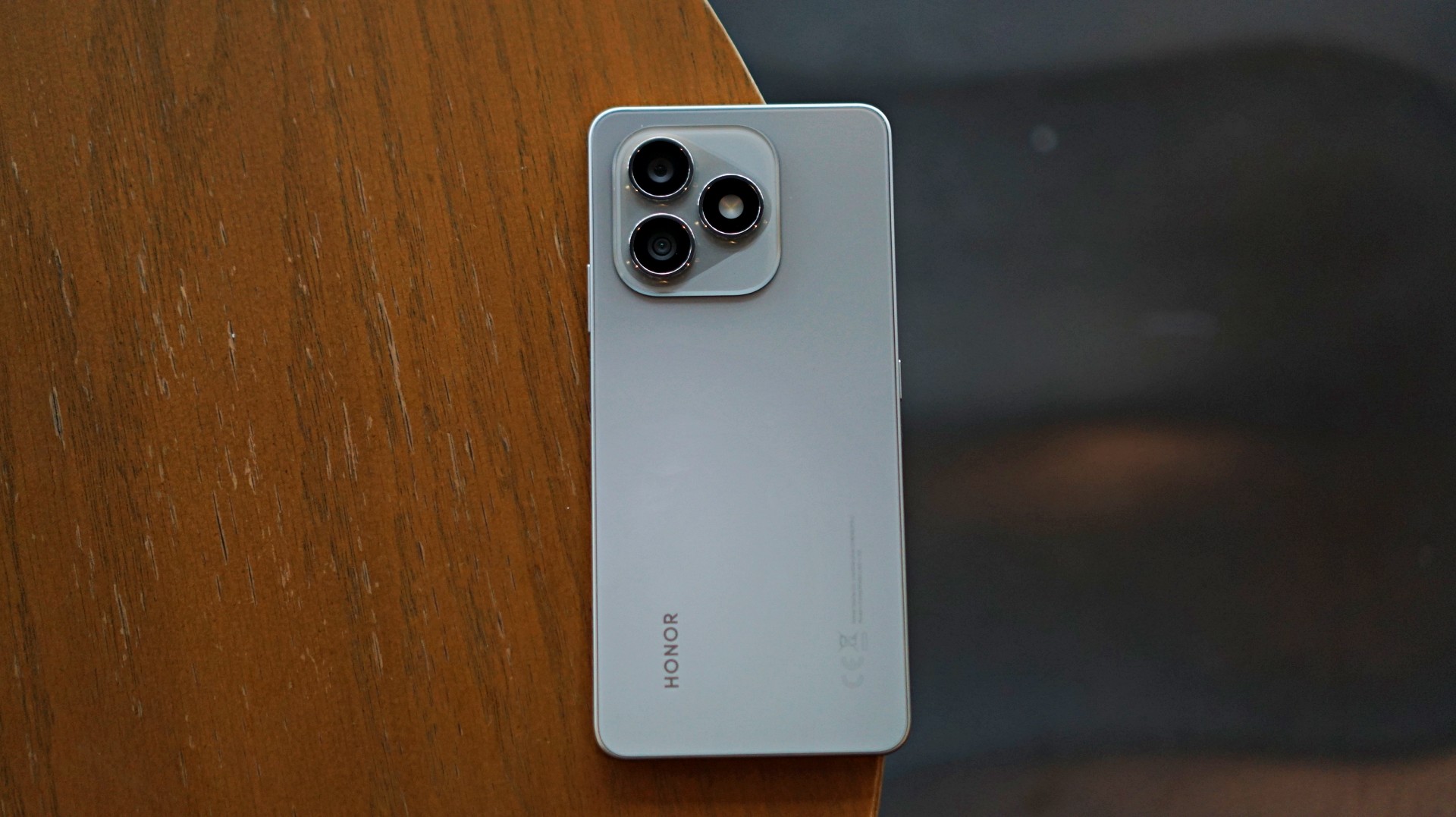
The HONOR X8d focuses on delivering the basics—design that works, a large battery, and a feature-filled software experience.
However, the overall experience depends heavily on what you prioritize. For users who simply need a phone that can get through daily tasks, the X8d does enough to hold its ground. For those who value speed and responsiveness, it may feel a step behind.
Whether it fits your needs ultimately comes down to how much you’re willing to trade performance for battery life and features.
Reviews
POCO X8 Pro Max review: A new beast from the far east
That “Pro Max” naming superlative is more than justified

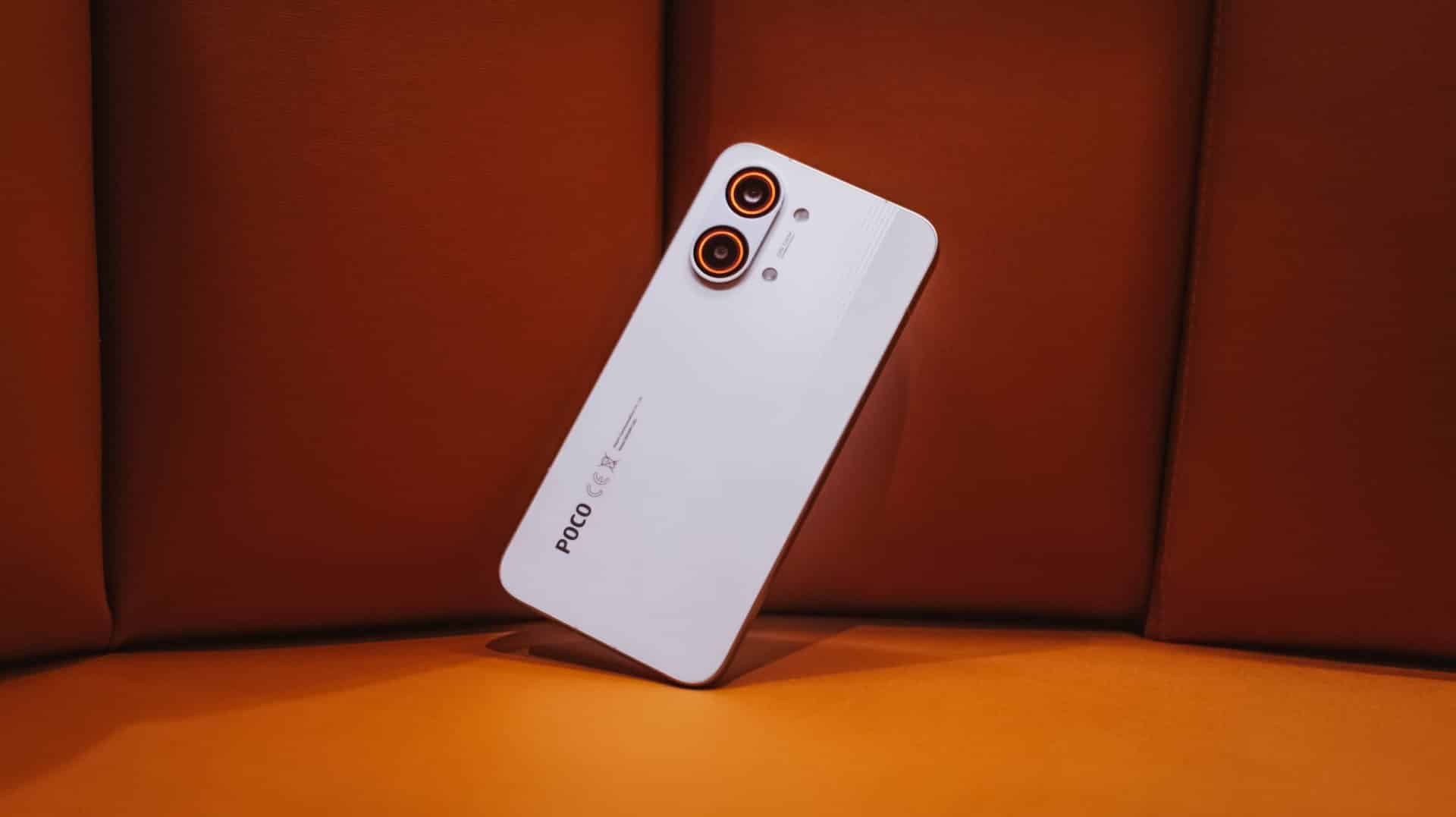
Just when I thought POCO was done for the first quarter of 2026, I was instantly humbled.
Two months after the M8 Pro I’ve held, POCO is back with another beast, packing an even more powerful punch.
Here’s my extensive experience with the all-new POCO X8 Pro Max.
Nothing flashy, yet still fancy
First time with the POCO X8 Pro Max, it’s honestly nothing too fancy.
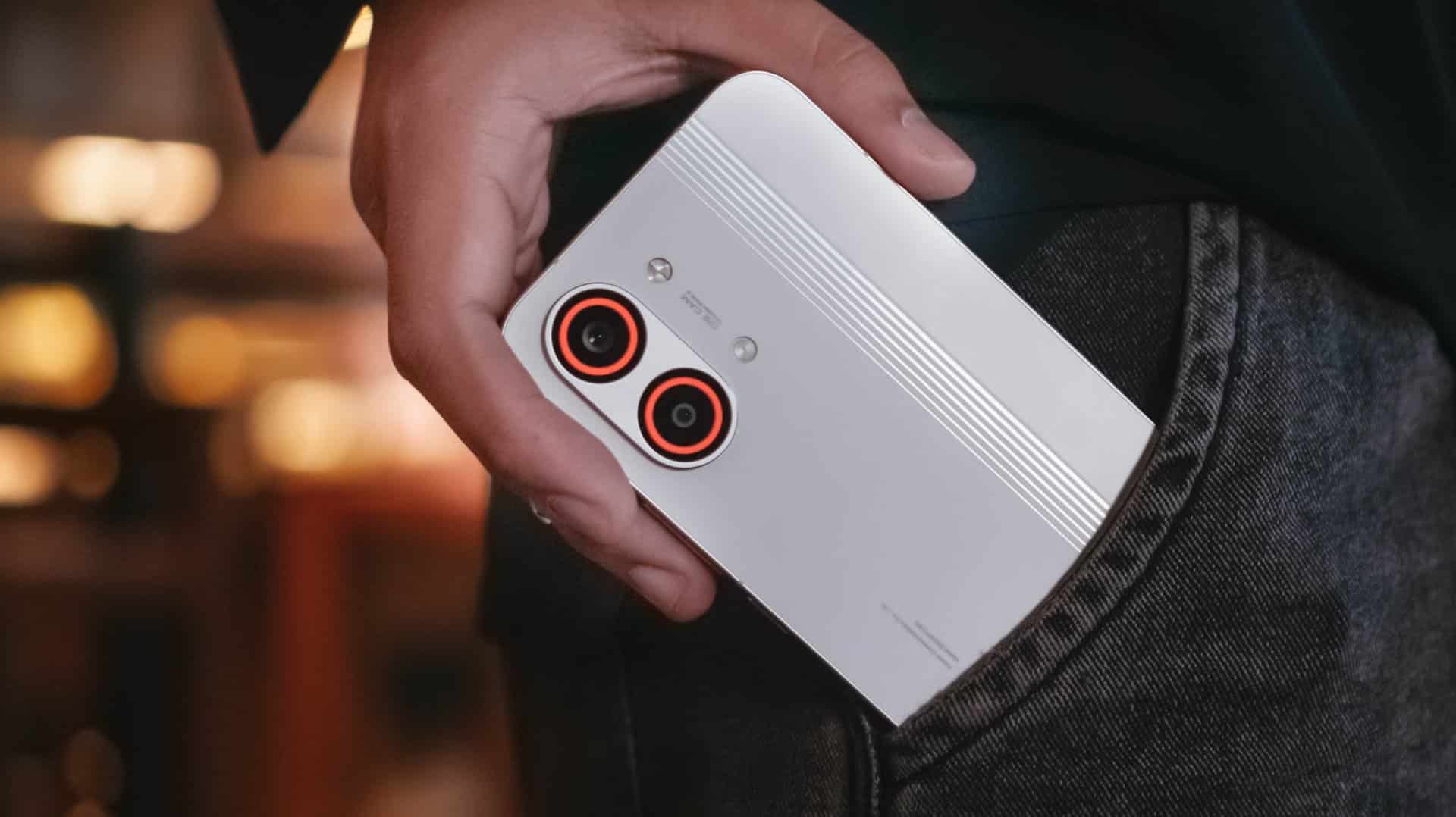
While it does not dare to rival the likes of the Nothing Phone (4a) Pro, Infinix’s NOTE 60 Ultra, or TECNO’s POVA Curve 2 5G, the POCO X8 Pro Max still shines in its own way.
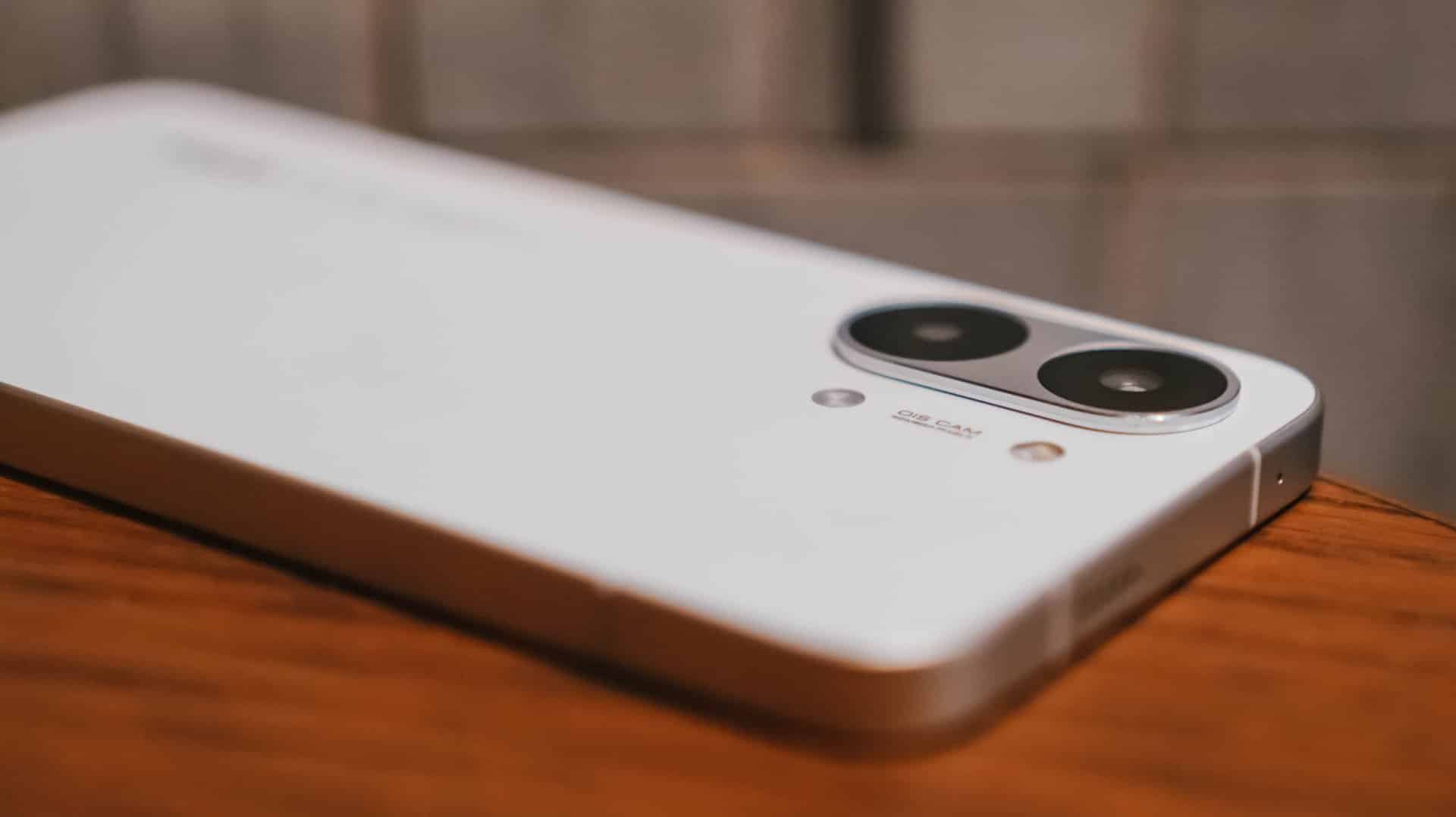
The back is clean and minimal with only the ever-so-slightly-protruding camera bump and POCO branding in sight. Upon closer inspection though, those subtle set of lines appears when hit by faint light.
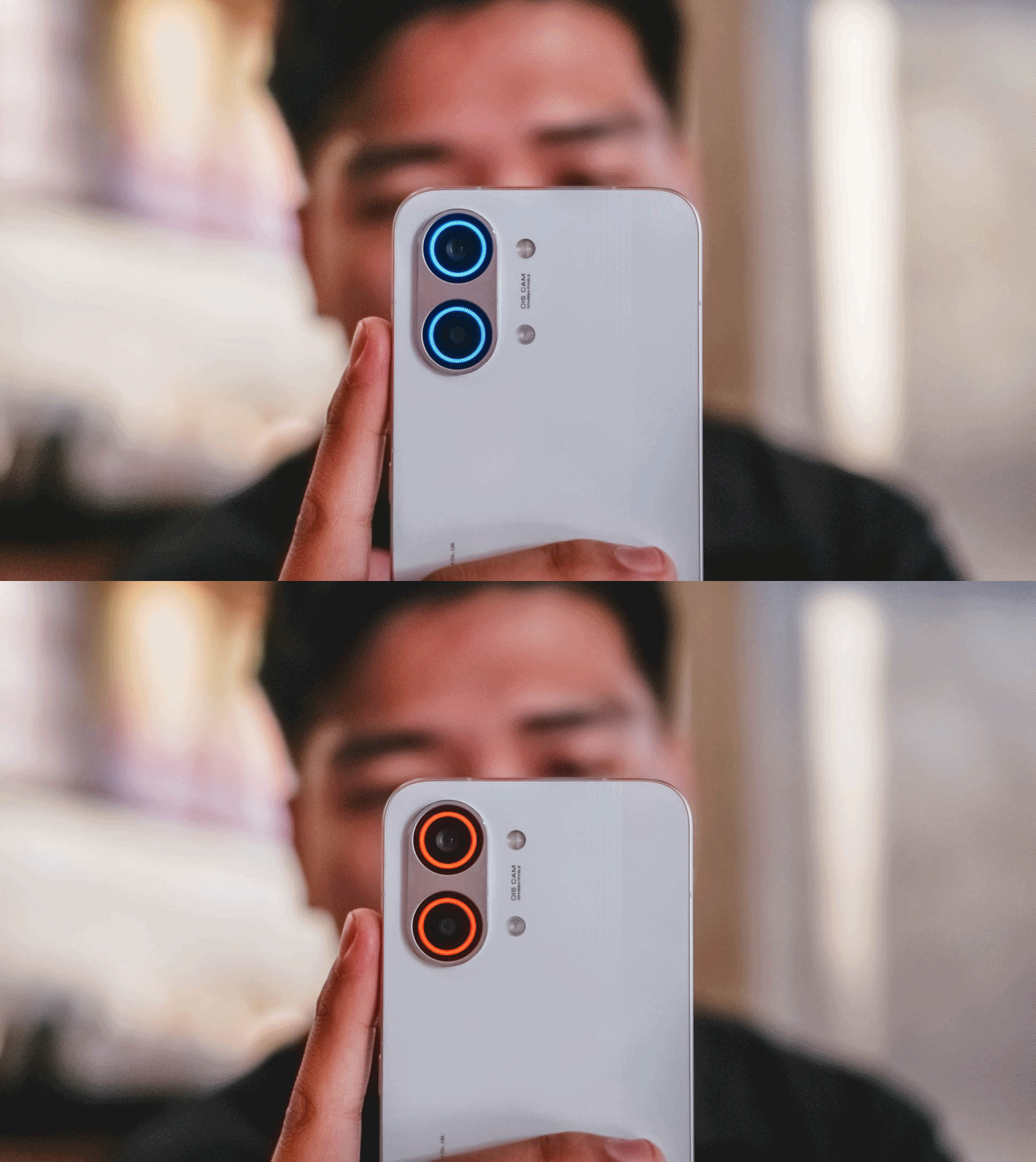
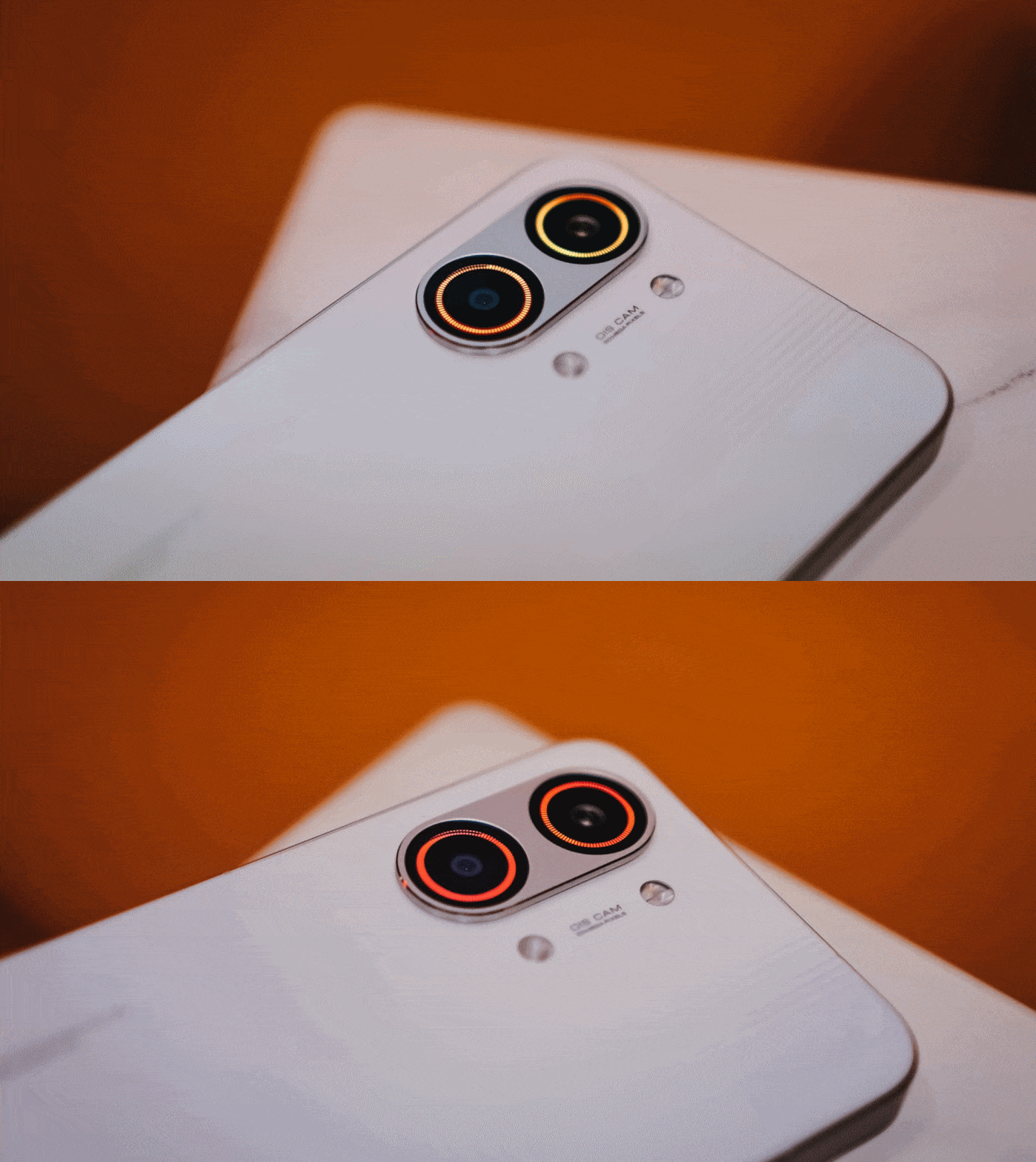
And while we’re at it, that camera bump houses an RGB light deco around the camera duo. It’s customizable with eight (8) colors alongside brightness level adjustments.
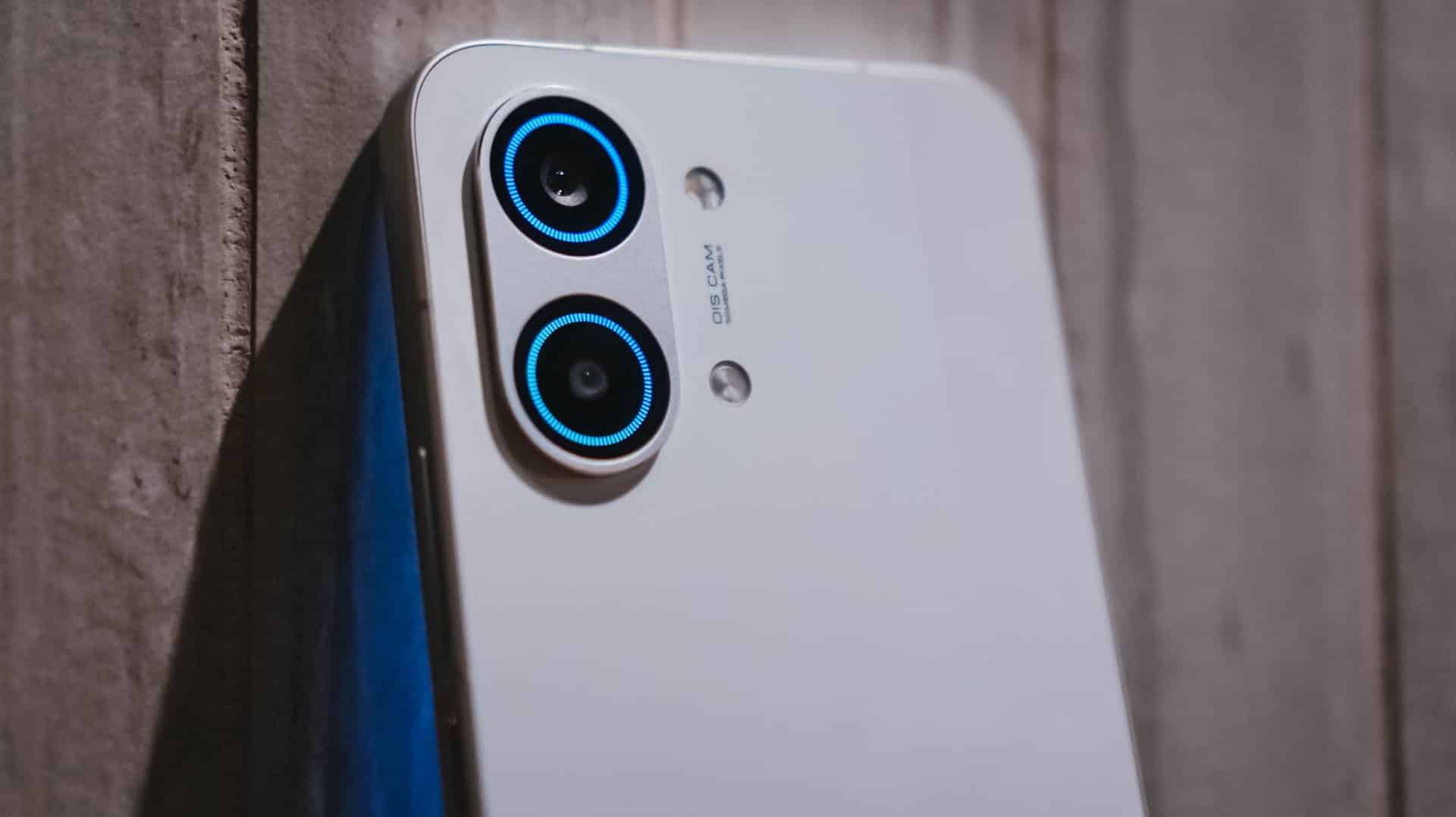
Not only does it add flair, but it’s functional too as it glows up to notify you of alerts, to indicate battery charge, to flash for a camera timer, or to light up even when just playing music or games.
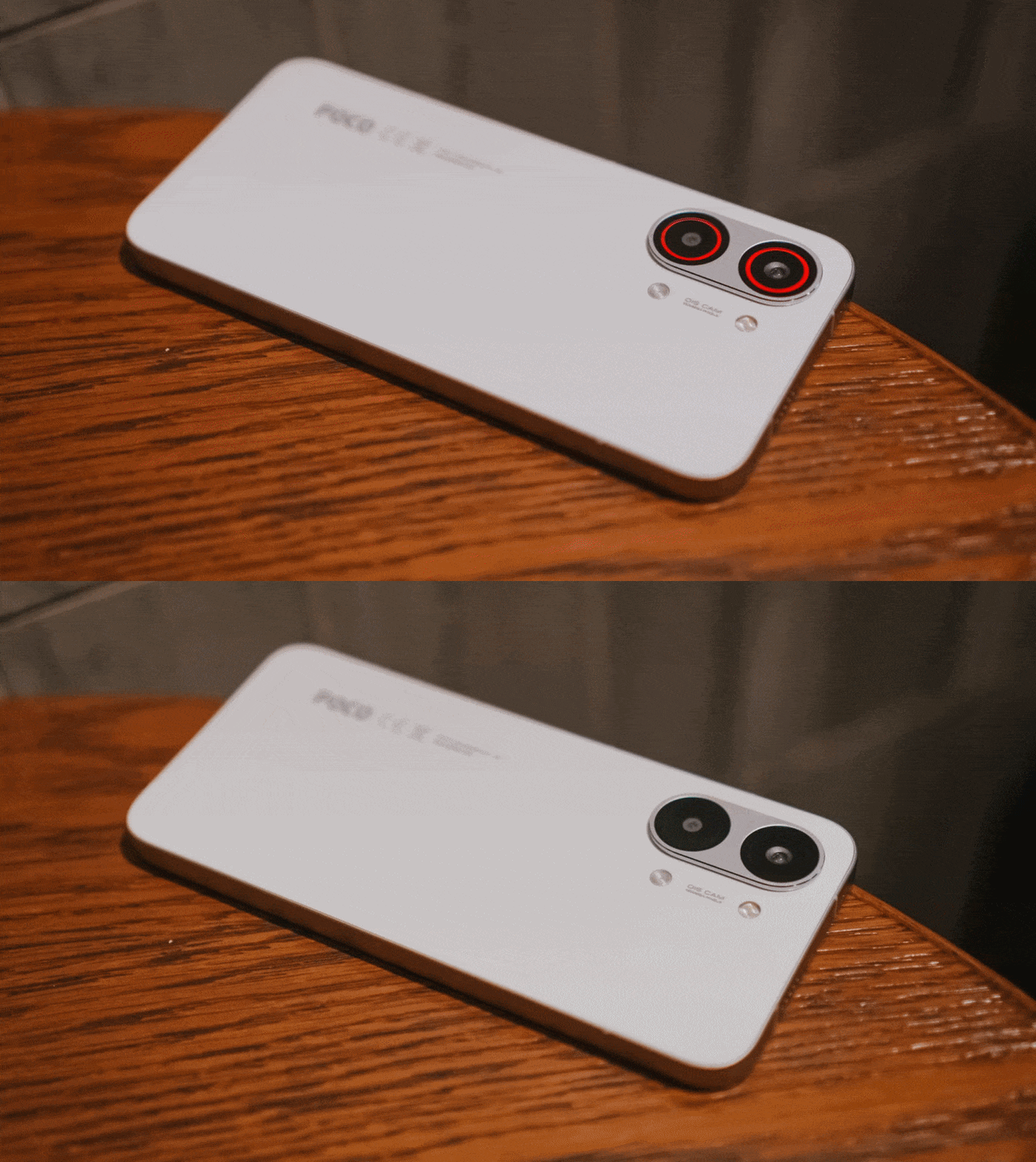
The White colorway that I have adds more to that fanciness. I don’t know if it’s the same thing with the Black and Blue shades, though.
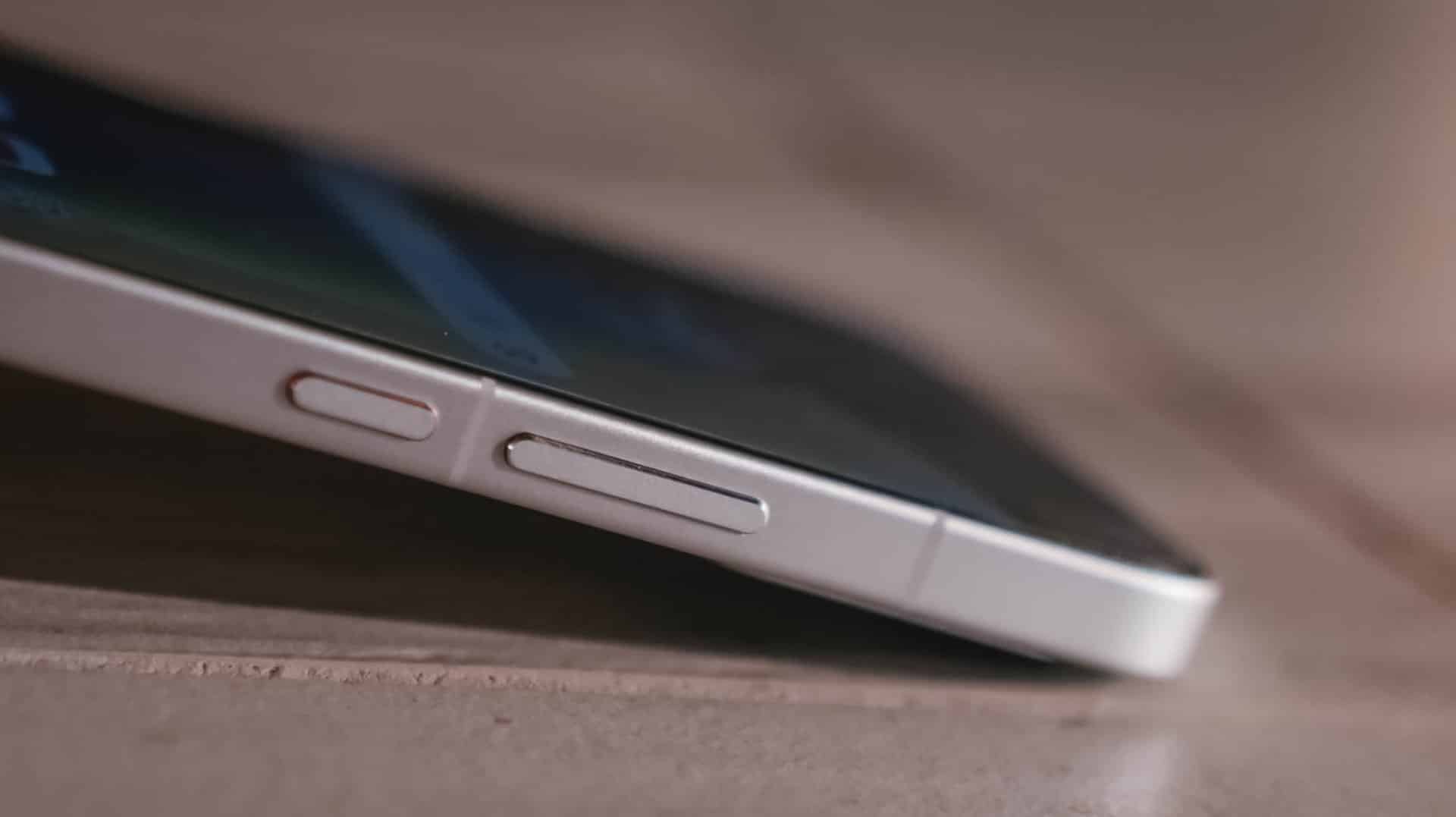
Sandwiched by that sturdy metal frame is a back cover made of fiberglass, something that is lightweight and durable at the same time.
Speaking of, the X8 Pro Max boasts quintessential quad IP ratings: IP66, IP68, IP69, and IP69K. It can withstand not just all the fine dust, beach sand, or even fresh water (but not sea water). It’s also able to resist hot jet water streams, just in case you’re stuck in such situations.
It’s great to see that these stronger IP ratings have become a staple, not just in flagships, but in most midrange offerings.
Marvelous and monstrous
Last year, POCO had only the vanilla X7 and X7 Pro (plus a special Iron Man Edition) in its X-rsenal. This year, POCO have changed things quite a bit by bringing in a newcomer with the familiar “Pro Max” naming.

And, they weren’t playing when they said “Pro Max” as this is equipped with the latest MediaTek Dimensity 9500s 3nm SoC. To be fair, this is a slightly under-clocked version of the Dimensity 9500 found on modern-day flagships, such as the vivo X300 Pro I rock daily.
Still, that doesn’t mean an underpowered performance.
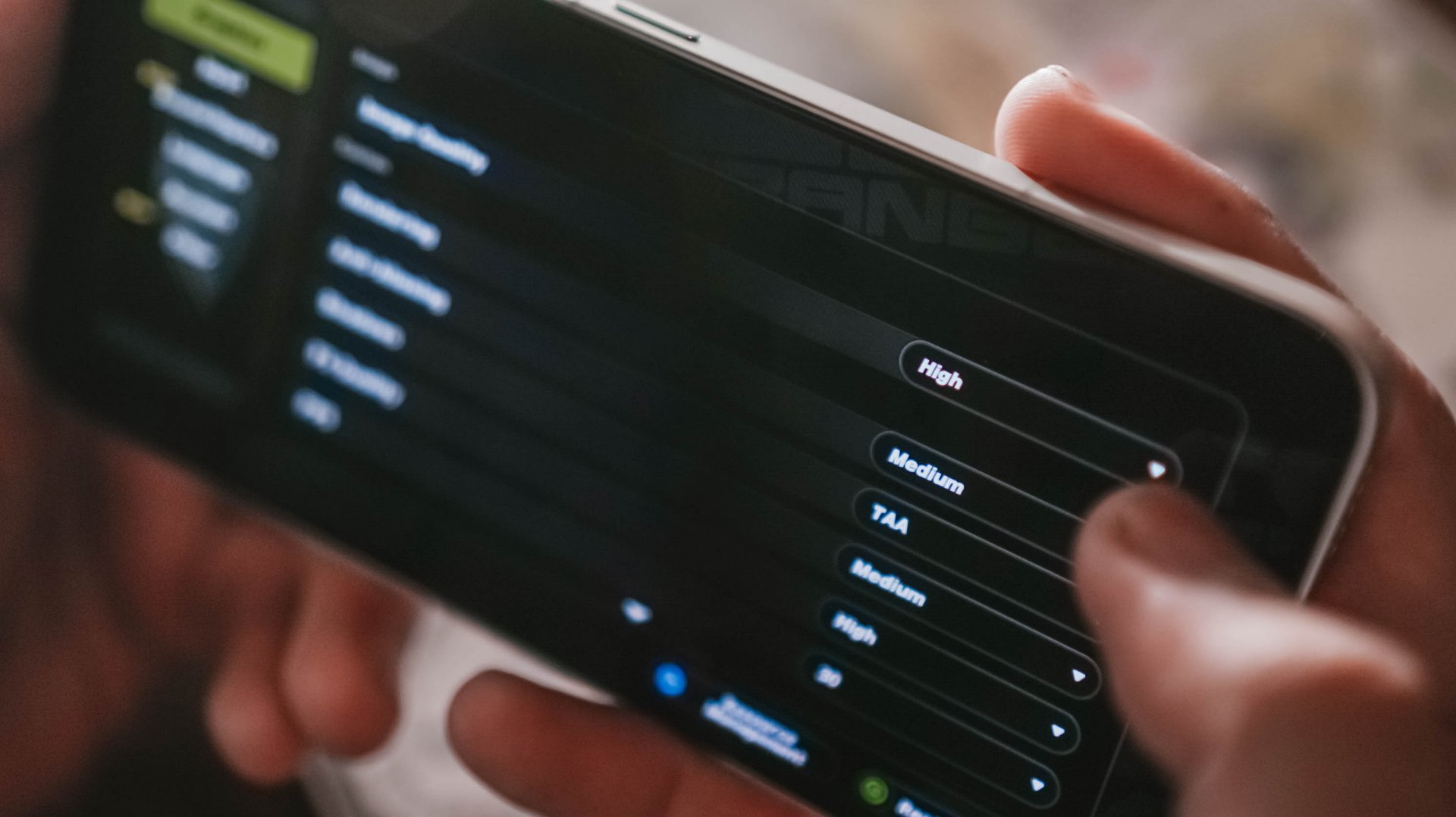
First and foremost, the ever-popular Zenless Zone Zero by HoYoverse runs in High graphics settings by default. Genshin Impact has the same default setting.

The Qualcomm Snapdragon 7s Gen 4 found on the POCO M8 Pro, however, goes only for the lowest setting.
Another favorite hardcore game of mine: Racing Master based on Nvidia’s PhysX physics engine.
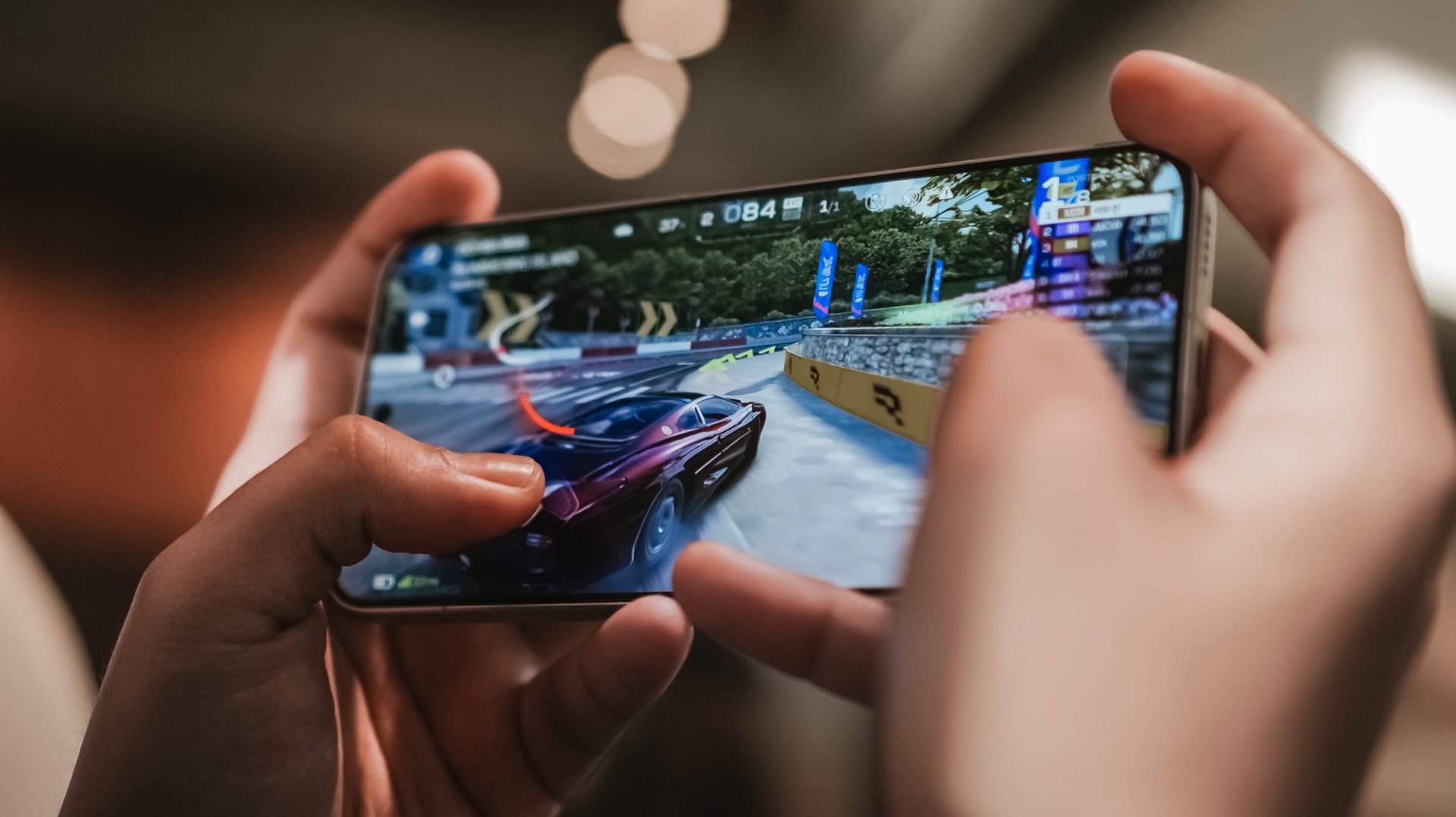
As expected, this racing game can run in Ultra-High + 60fps configuration. The M8 Pro stutters and throttles a lot during the first gameplay.
This further proves that it’s not always Snapdragon that’s winning over Dimensity.
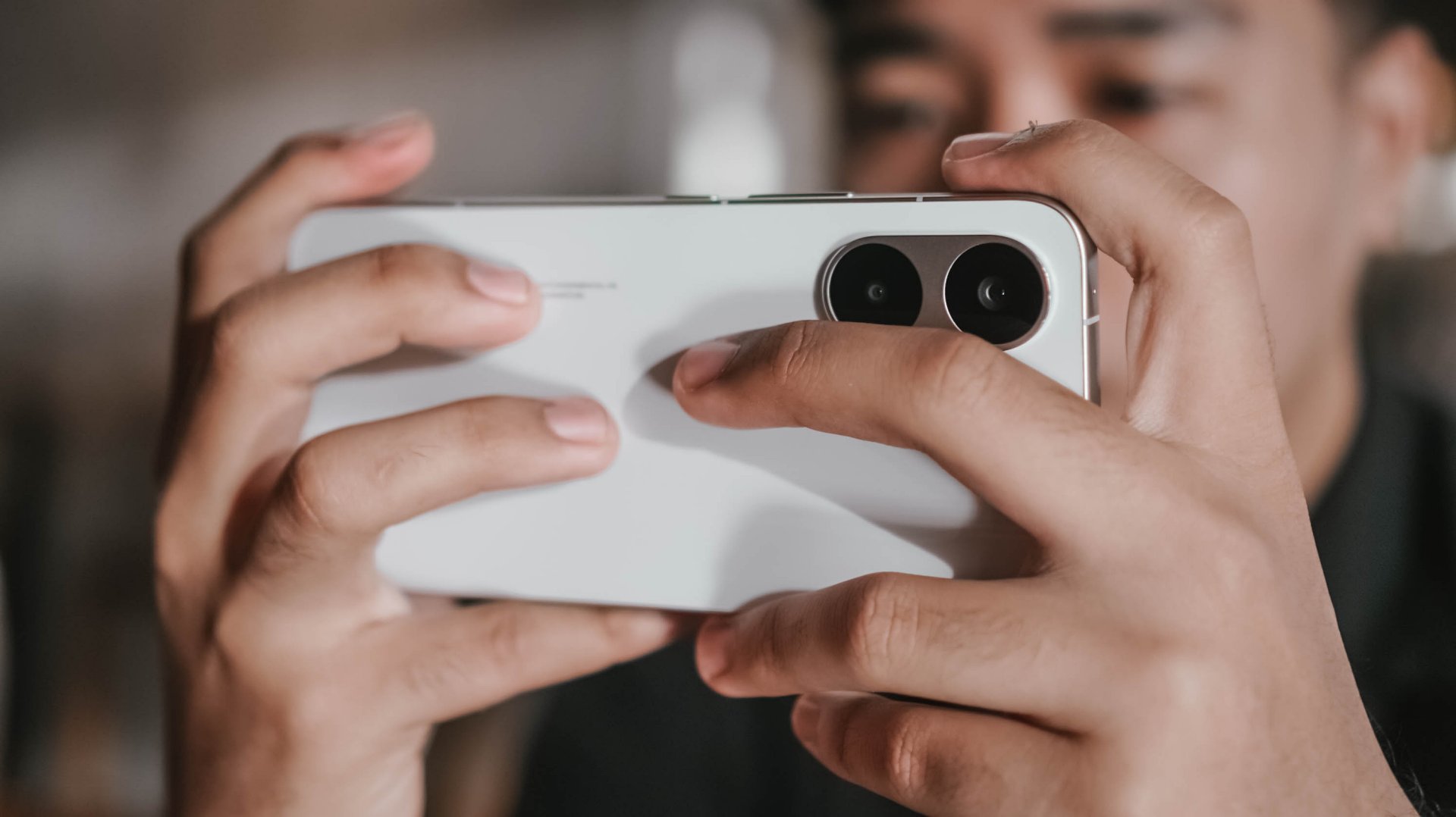
POCO’s 3D IceLoop Cooling System also prevented those unwanted hiccups. To be precise, it features a large 5800mm² liquid cooling area where the vapor and liquid are separated for an even highly-efficient heat dissipation.
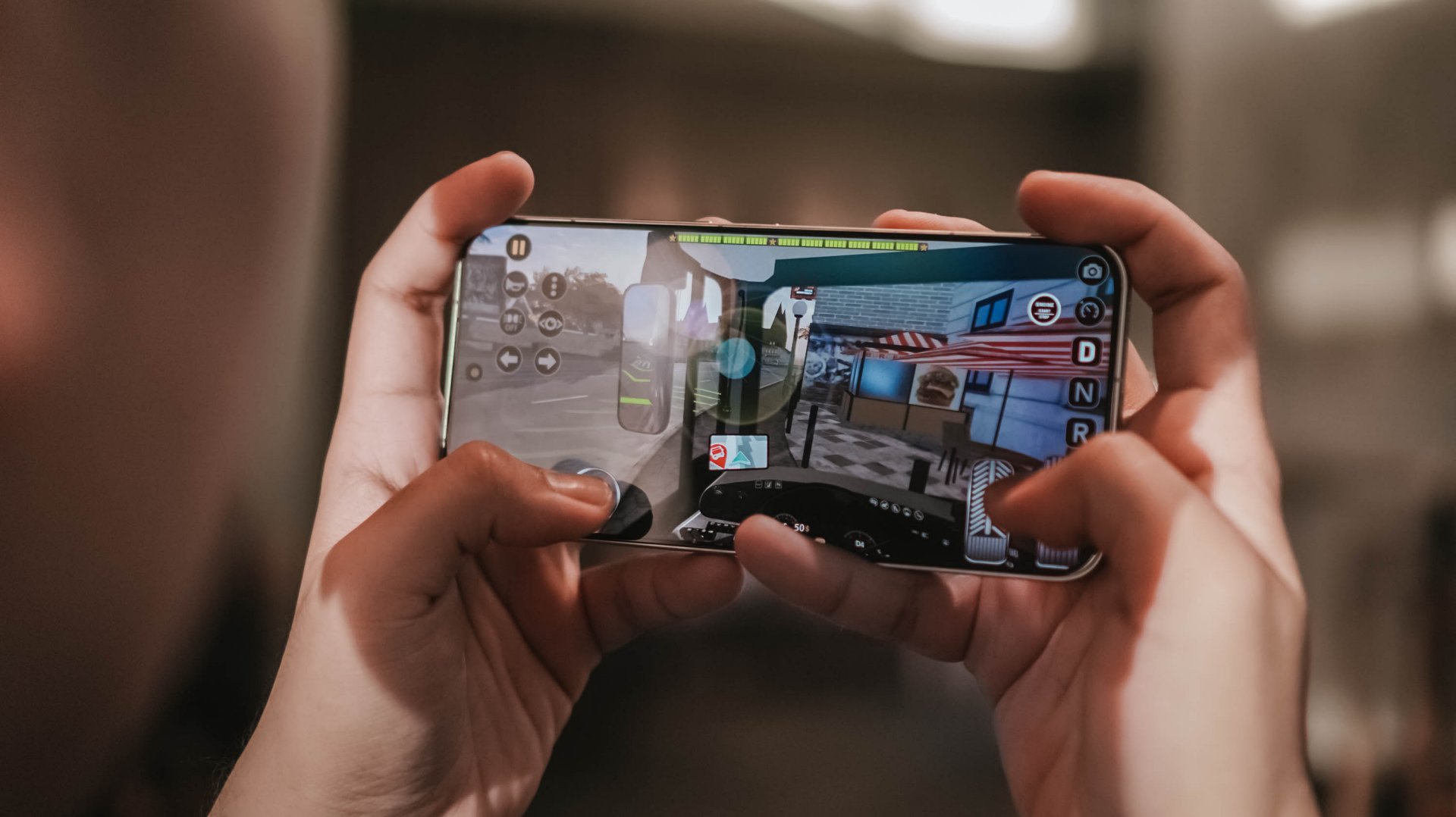
With those examples in mind, it already gives you the idea that this beast of a smartphone can handle most (if not all) of the graphics-intensive titles you can think of.
POCO further proves that this is, indeed, a Pro Max smartphone. With a speedy 12GB LPDDR5X memory and up to 512GB of UFS 4.1 storage, it’s honestly an overkill for a midranger.

Most phones in the range are stuck with the LPDDR4X and UFS 3.1 combo. It’s more evident now that the global RAM (and components) shortage affects everyone — smartphone makers not exempted.
My gaming sessions would not be as easy-breezy without that buttery-smooth 120Hz display alongside that 480Hz/2560Hz touch sampling rates.
Now Playing: Even If This Love Disappears Tonight
With display already in the way, it’s high time to talk deeply about it.
One fine flight, I was bored and cannot sleep. I then just tried to watch something I added in my Netflix list — Even If This Love Disappears Tonight / 오늘 밤, 세계에서 이 사랑이 사라진다 해도 (Oneul bam, segye-eseo i sarangi sarajinda haedo).
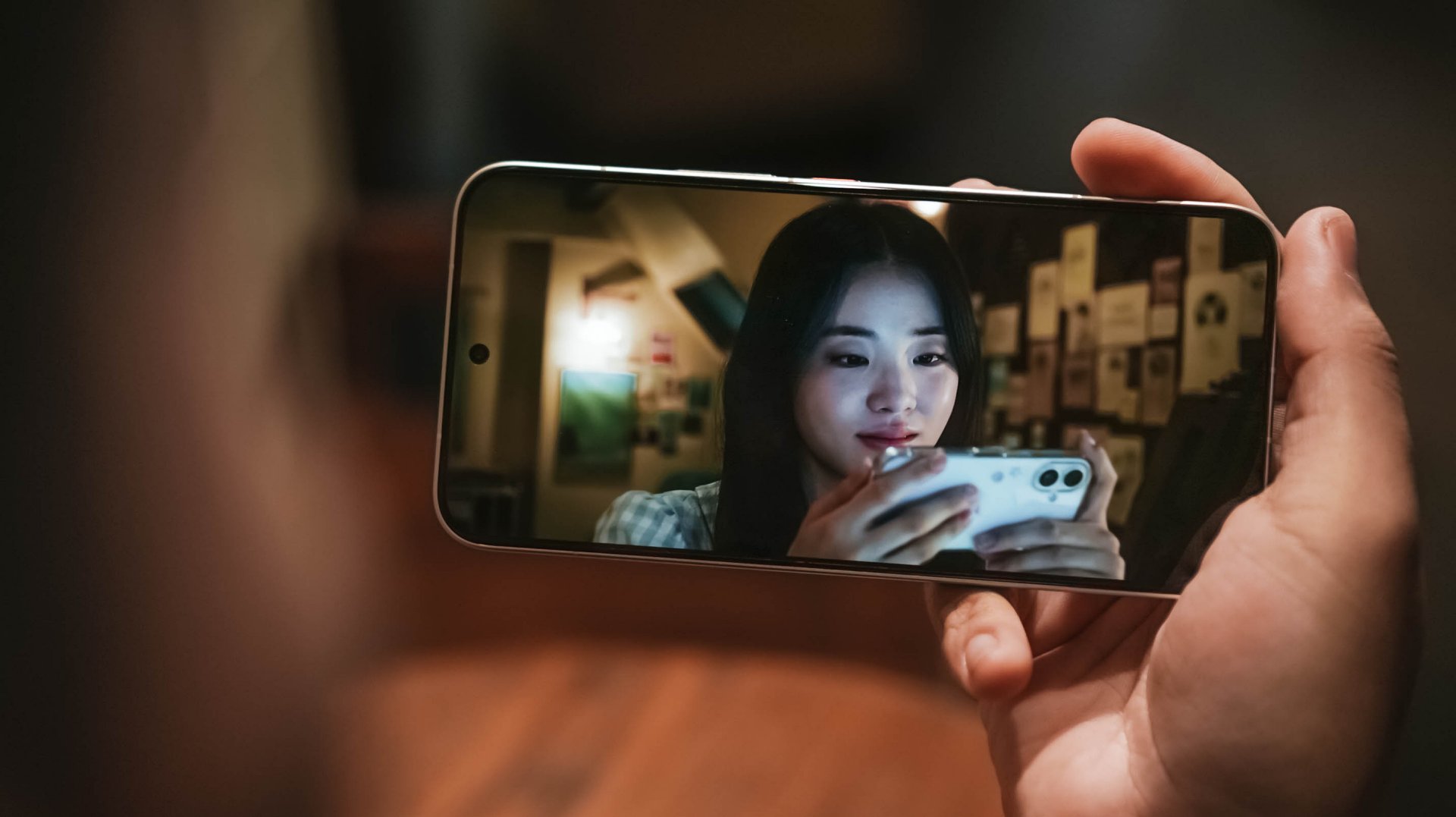
Although I am not the type who favors cast over synopsis, Shin Si-ah being the lead honestly enticed me to click this over its gut-wrenching story.
The longer I watch it, the more I get mesmerized — both visuals and overall chemistry of her (as Seoyoon) and Choo Young-woo (as Jaewon).
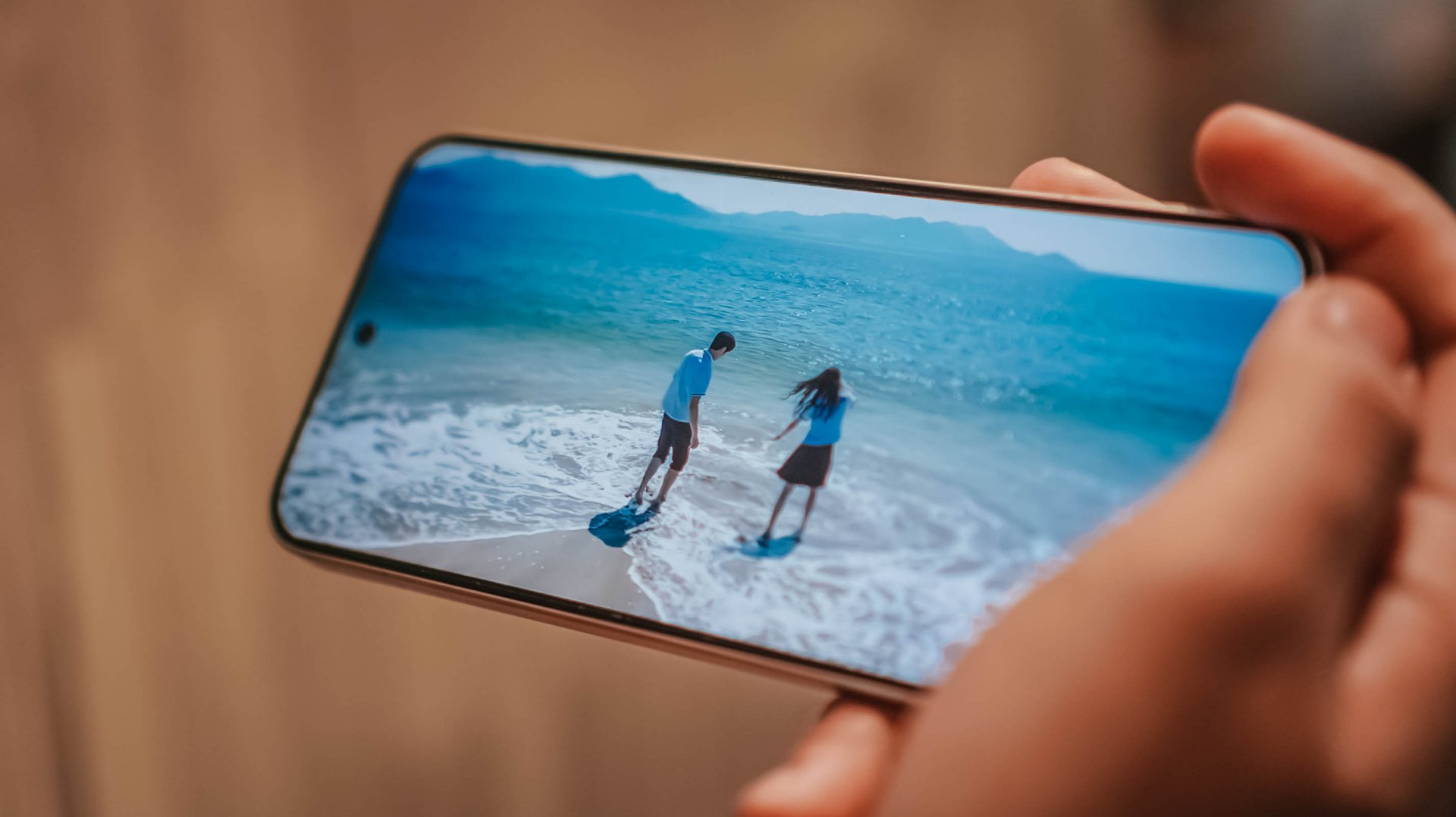
With its massive 6.83-inch AMOLED 1.5K display with up to 3500 nits of peak brightness, it’s as bright and crystal clear as this beach in Pohang, South Korea.
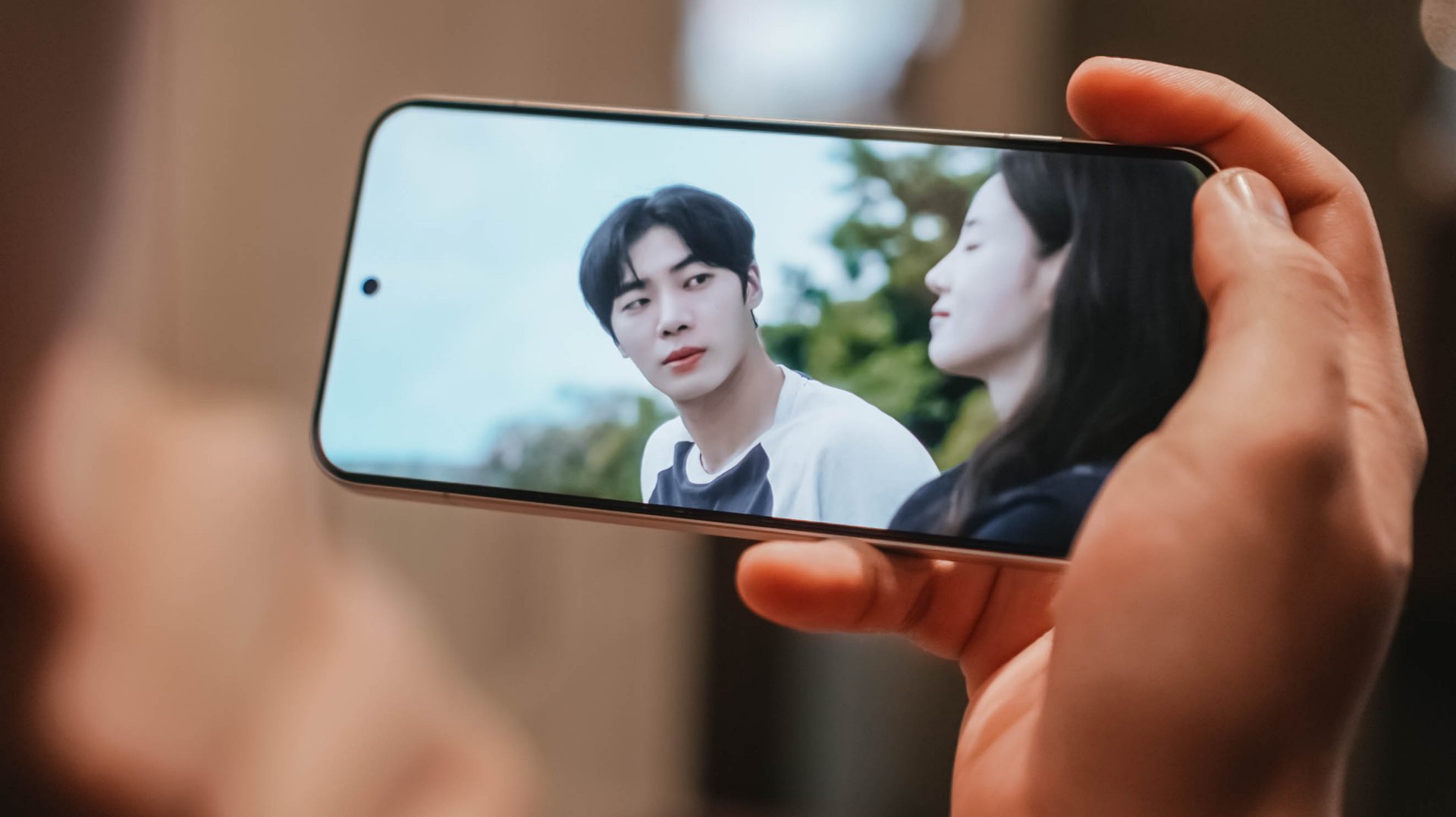
Spoiler alert ‼️ Much like Jaewon’s disappearance in Seoyoon’s memory, the same can be said on the X8 Pro Max. Once you are already immersed, it makes you think the display bezels have also disappeared into thin air because of how thin they are.

Seoyoon’s heartfelt emotions on-screen can be seen more especially that this display supports all the imaginable pro-grade standards in a modern-day smartphone: 12-bit color depth, 68 Billion Colors, DCI-P3 Wide Color Gamut, HDR10+, Dolby Vision.
You have been warned, though. This film is not for the faint-hearted.
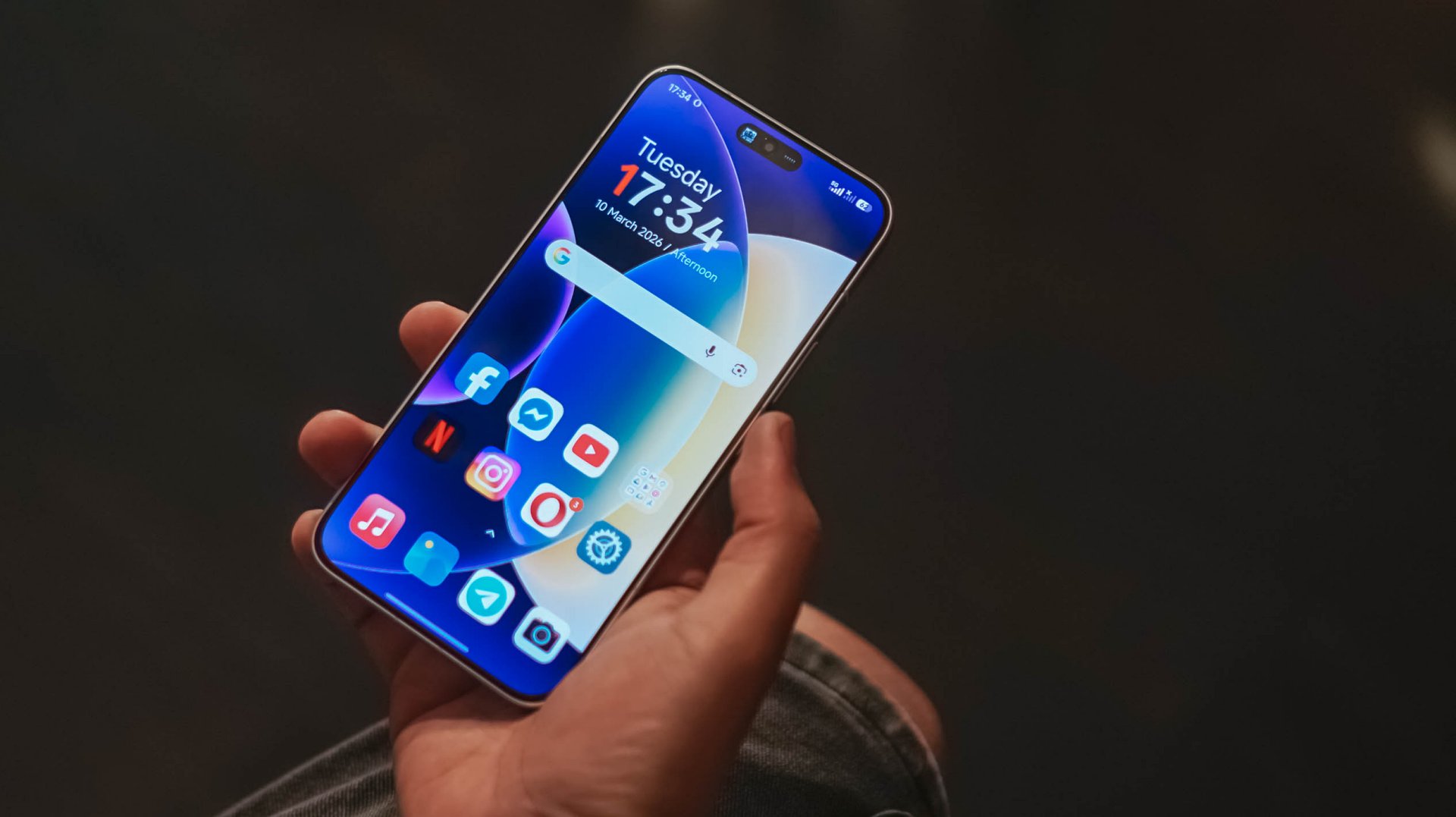
But in case you faint on the ground, Corning’s Gorilla Glass 7i protects that precious display from unwanted scathes and scratches. While not as “pro” as Gorilla Glass Victus 2 or Xiaomi’s very own Dragon Crystal Glass 3, that’s still better than having no protection at all 😜
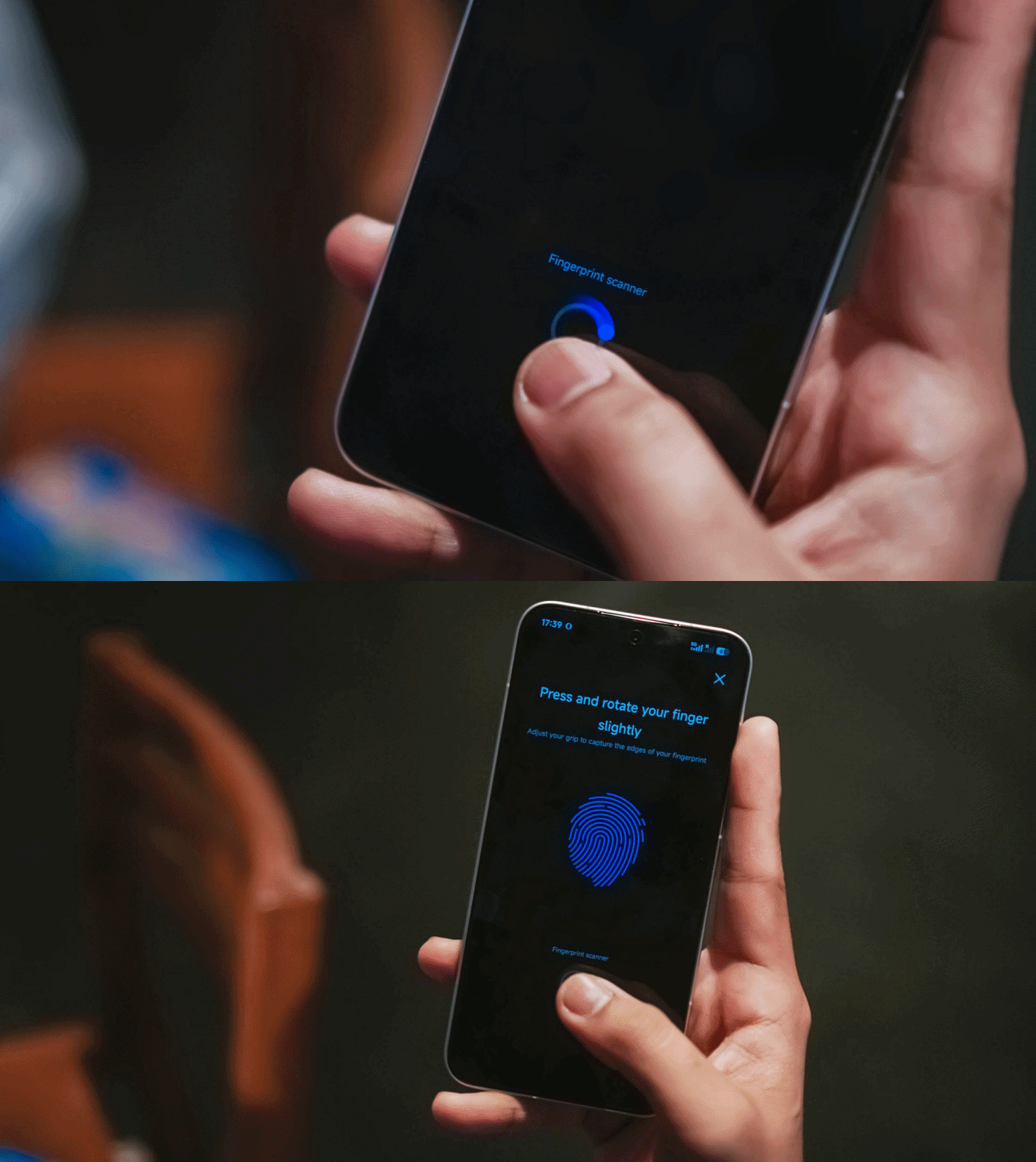
You know what’s “pro”? The inclusion of an ultrasonic in-display fingerprint scanner.
It’s honestly a dealbreaker whenever you’re in a hurry. Being able to unlock the phone in a split-second compared to conventional optical sensors in most midrangers adds up to the “Pro Max” definition of this phone.
On Queue: IVE, H1-KEY, GIRLSET
To immerse myself more, I also tried playing IVE’s futuristic BLACKHOLE music video.

Whether it’s the darkest of blacks or the whitest of whites in Liz’s scenes, or just a pop of color like Jang Wonyoung, this vibrant display is more than enough to satisfy your eyes.
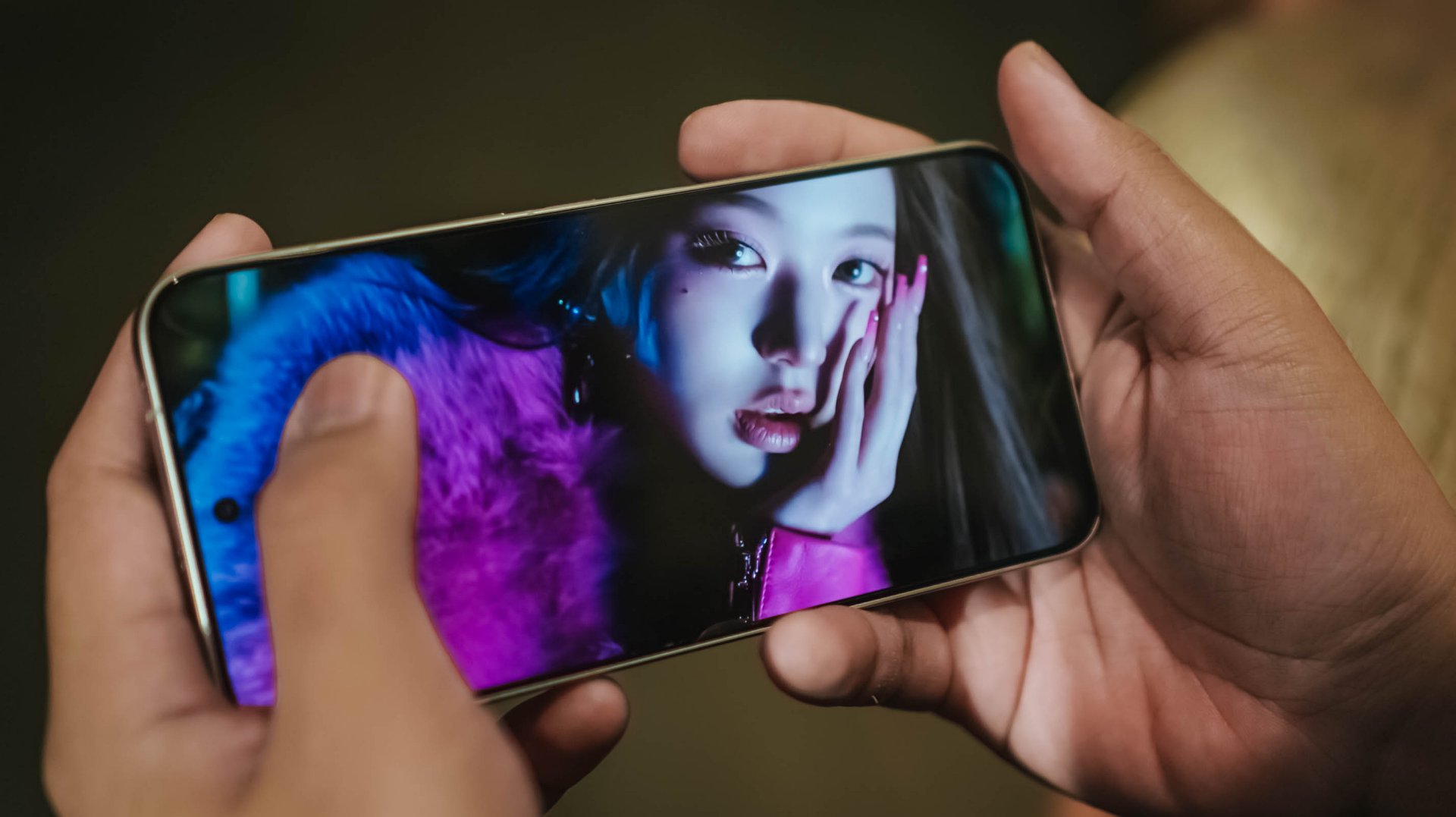
But what’s a pro-grade display without a “Pro Max” audio? Well, the POCO X8 Pro Max doesn’t want to stop just yet.
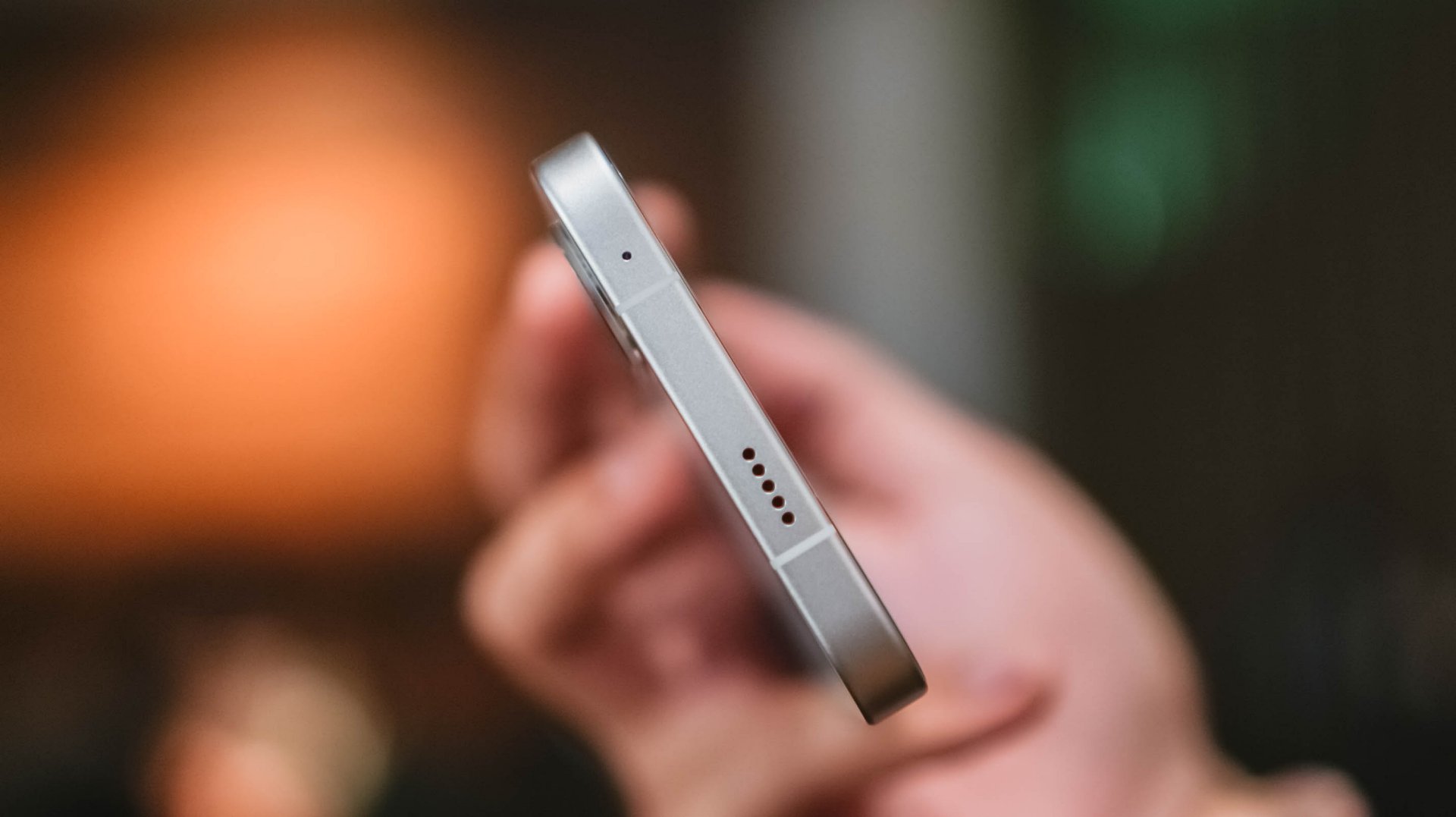
With its symmetrical stereo speakers alongside that 400% volume boost feature, it instantly filled the room when I was in my banging streaming sessions in the shivering shower.
POCO promises that those speakers are certified for Hi-Res Audio and Dolby Atmos.
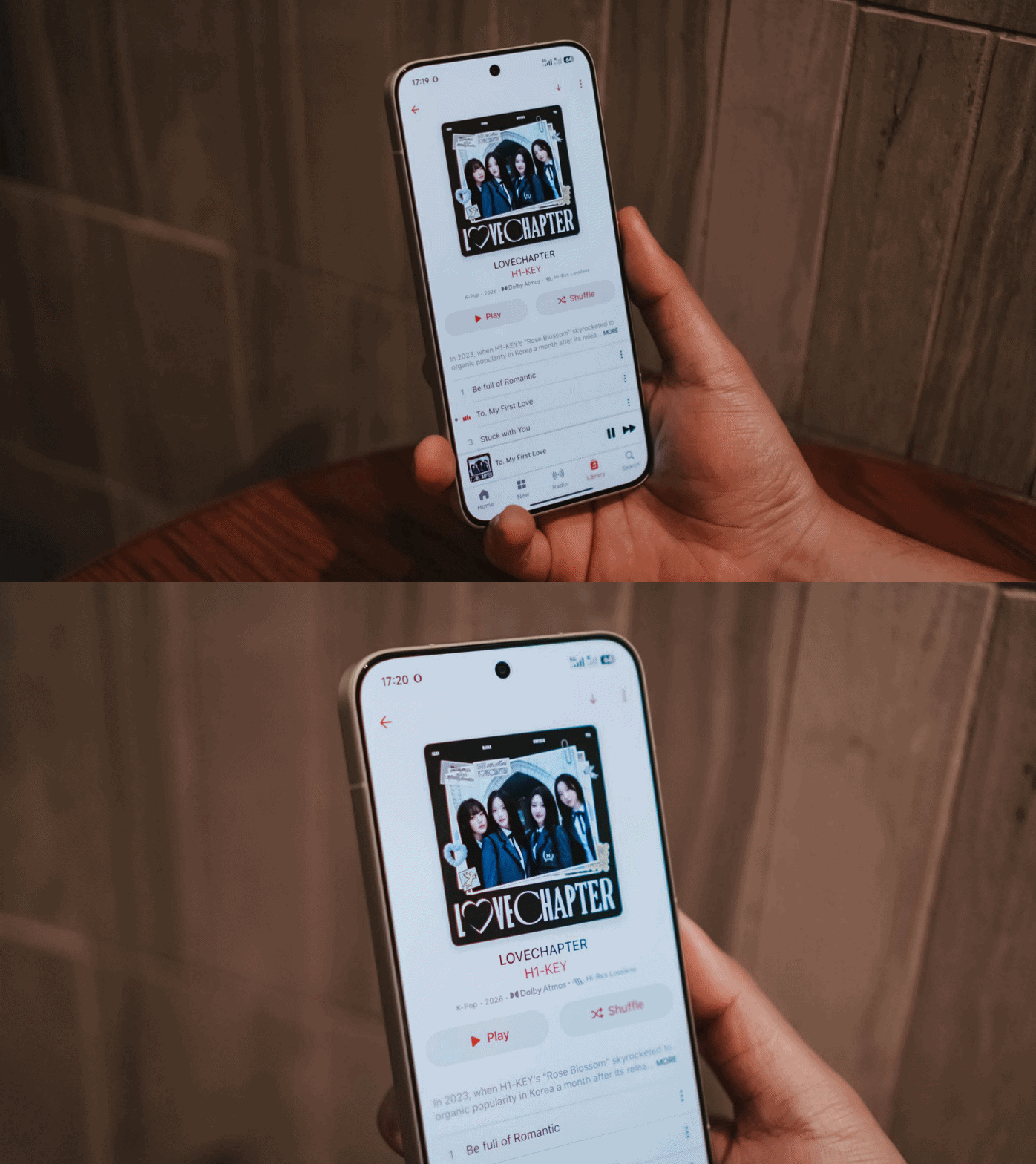
My curiosities led me to streaming H1-KEY’s full LOVECHAPTER EP in Lossless format via Apple Music.
Right off the bat, I can already hear the great separation of treble, mid, and bass in their latest comeback track, To. My First Love. Hwiseo’s adlibs truly astounded me — and so did their harmony in every chorus.

As I listen further, it made me realize it’s a great K-Pop song that brings back that good ol’ 2nd-gen K-Pop vibes. Moreover, it also fits well as an anime opening.
Not Like A Movie is also one of K-Pop’s underrated songs of 2026 that I’ve been playing ever since its release last January 2026. The whole LOVECHAPTER EP honestly deserves more praises much like this phone’s superb sound output.
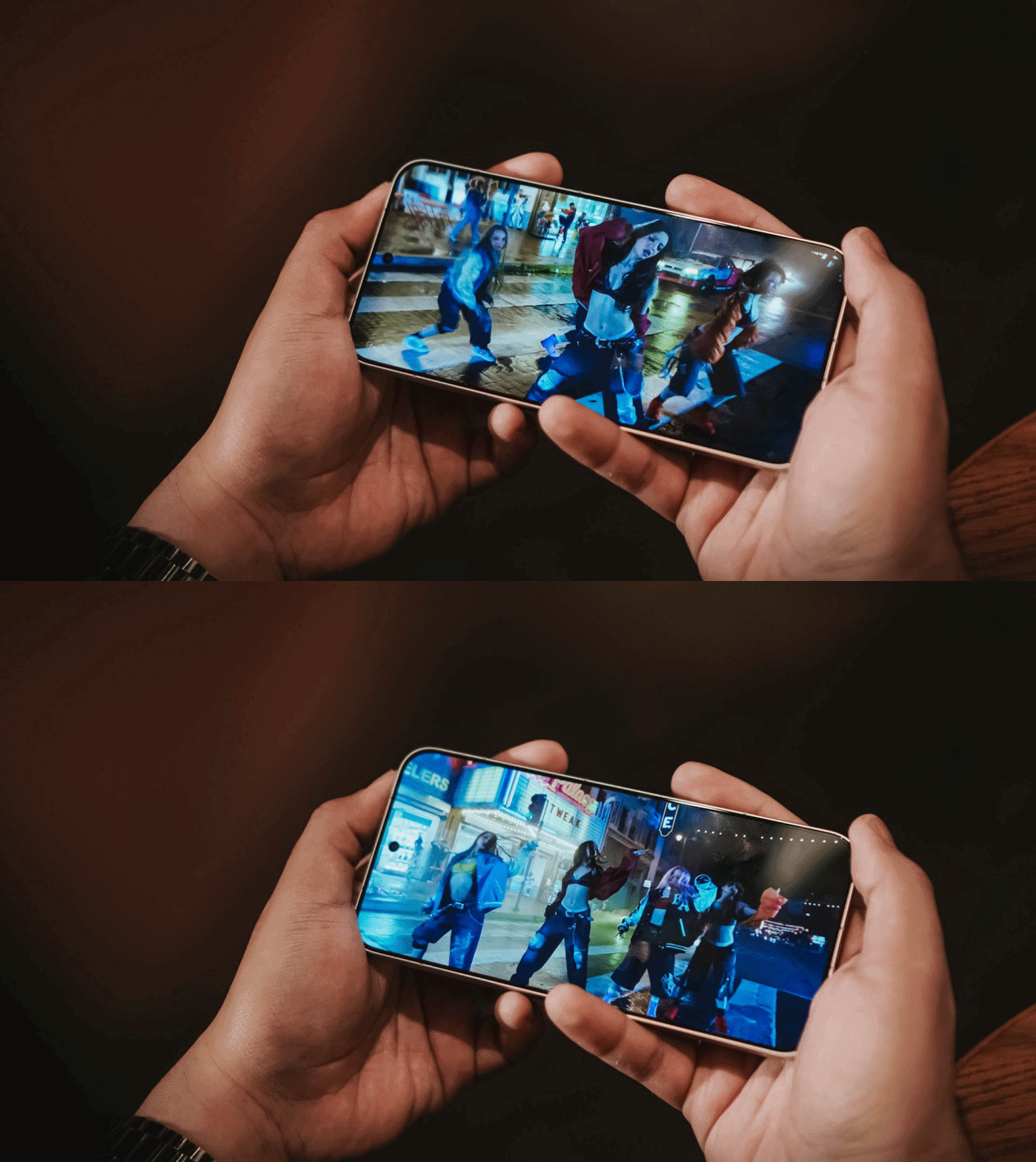
Additionally, GIRLSET’s TWEAK truly made me weak with how soothing their vocals are. Mind you, I listened both in English and in Spanish (just because I suddenly miss Barcelona).
If that’s not enough, I have also tried listening to the acappella version and I felt like I’m listening to the Gods in heaven with how pure their vocals alongside their soulful harmonization.
Satisfying snapper
Let’s be real: Cameras are the mostly forgotten aspects among phones in this segment.
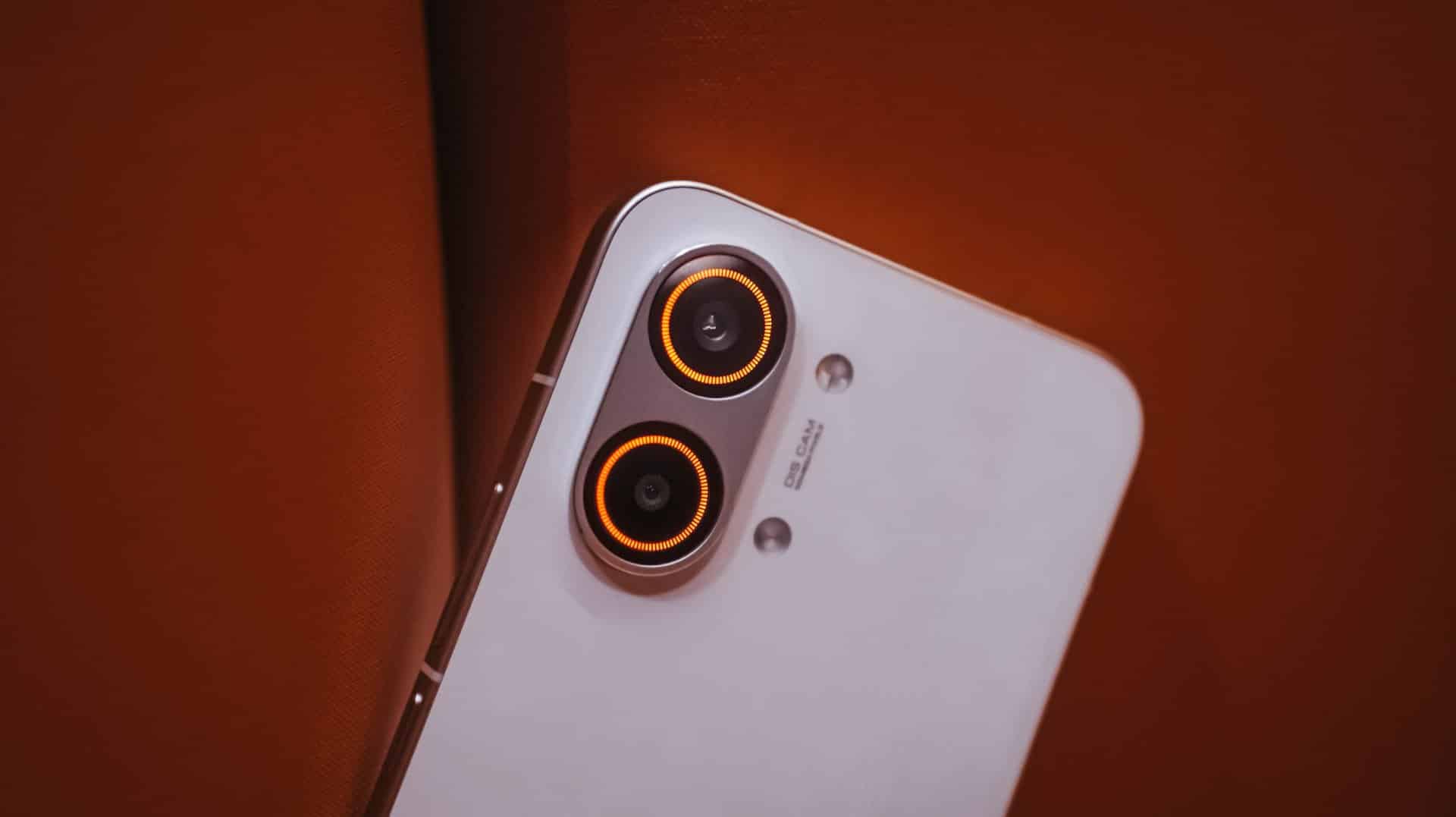
On paper, none of its cameras have Sony’s LYT / IMX or Samsung’s ISOCELL sensors. Instead, you’ll get a 50MP f/1.5 main rear camera based on LightHunter Fusion 600’s 1/1.95-inch sensor.
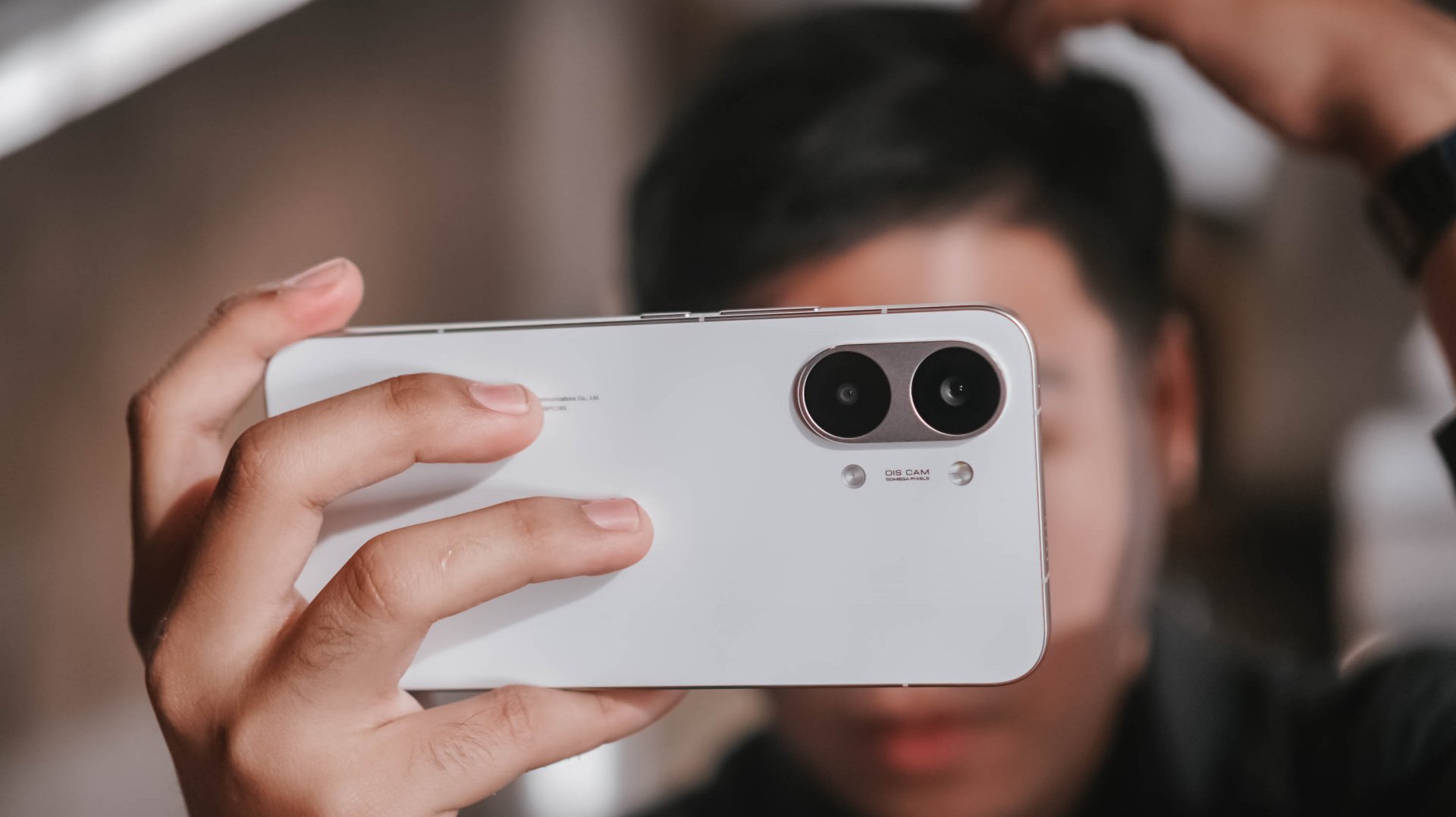
Meanwhile, its ultra-wide shooter is nothing special at 8MP f/2.2. For selfies, it’s a 20MP front snapper.
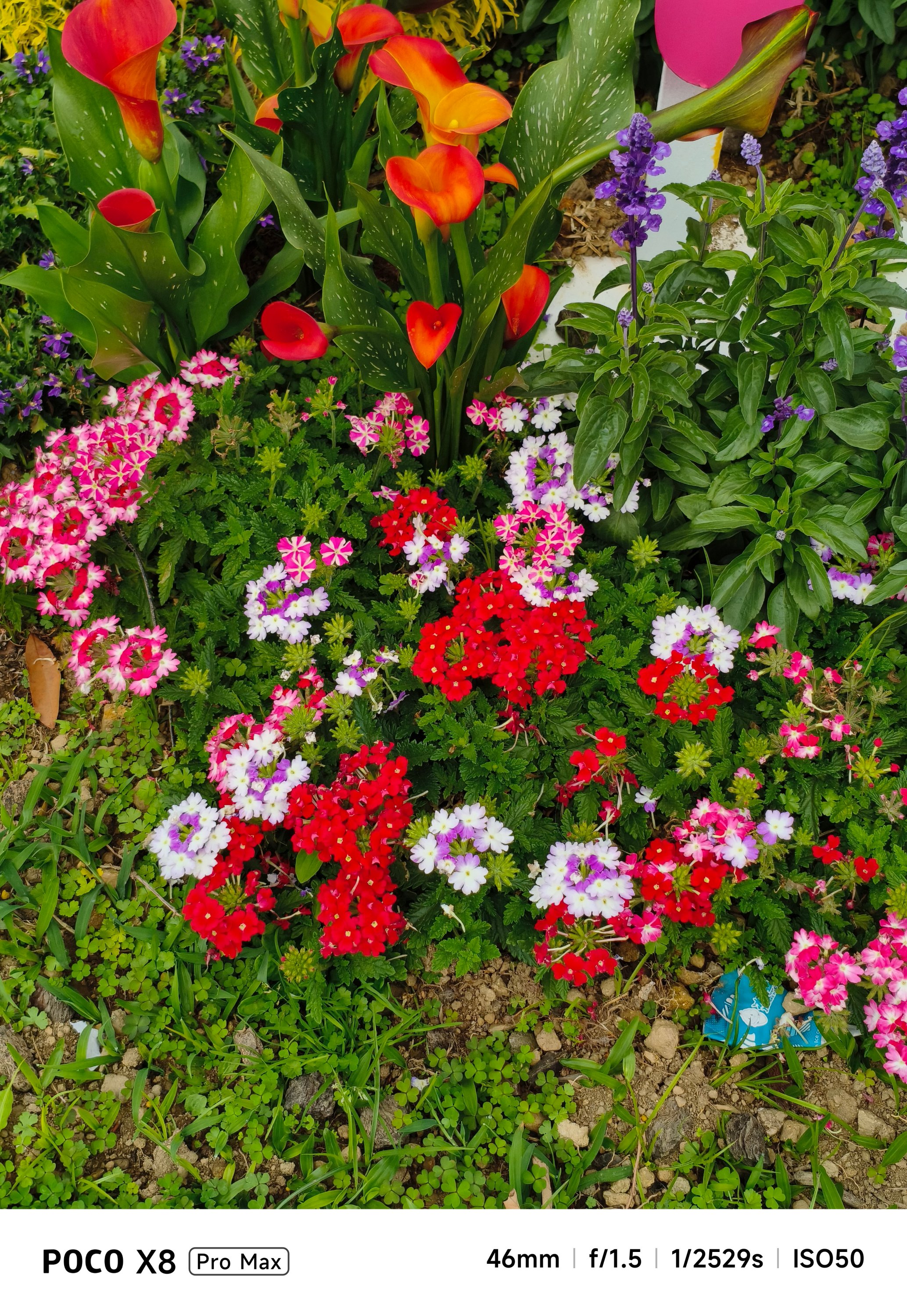
But, as we always say here, specs aren’t everything. Looking solely at the filling of the cake, the POCO X8 Pro Max can still deliver satisfying snaps.




With the right angle, framing, and even lighting, it can deliver quality shots regardless of the camera hardware it possesses.






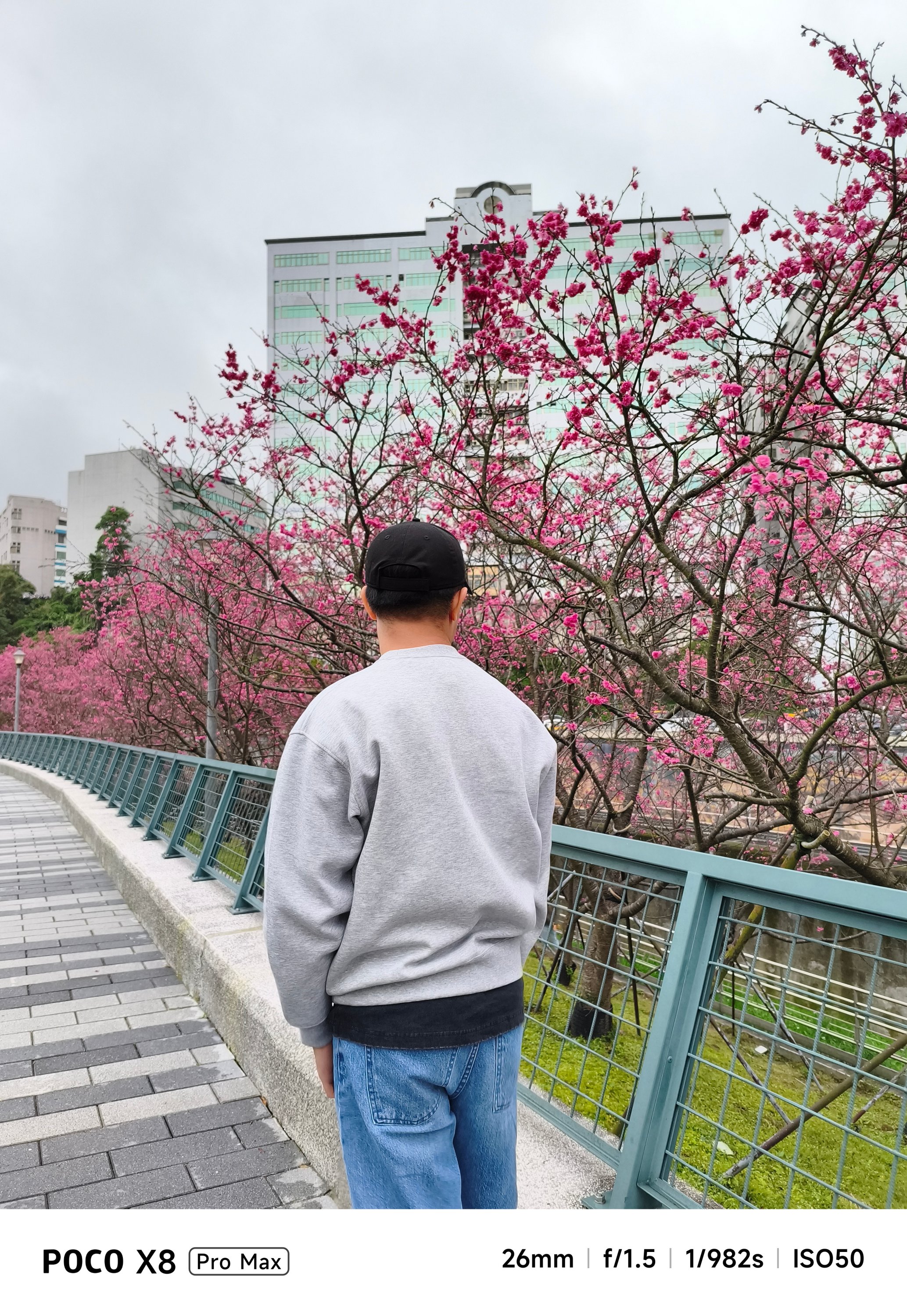
Portraits are surprisingly decent, too.




They are social media-ready and post-worthy as well.







If you’re not a professional shooter, that shutter responsiveness is enough for those picture-perfect portraits.





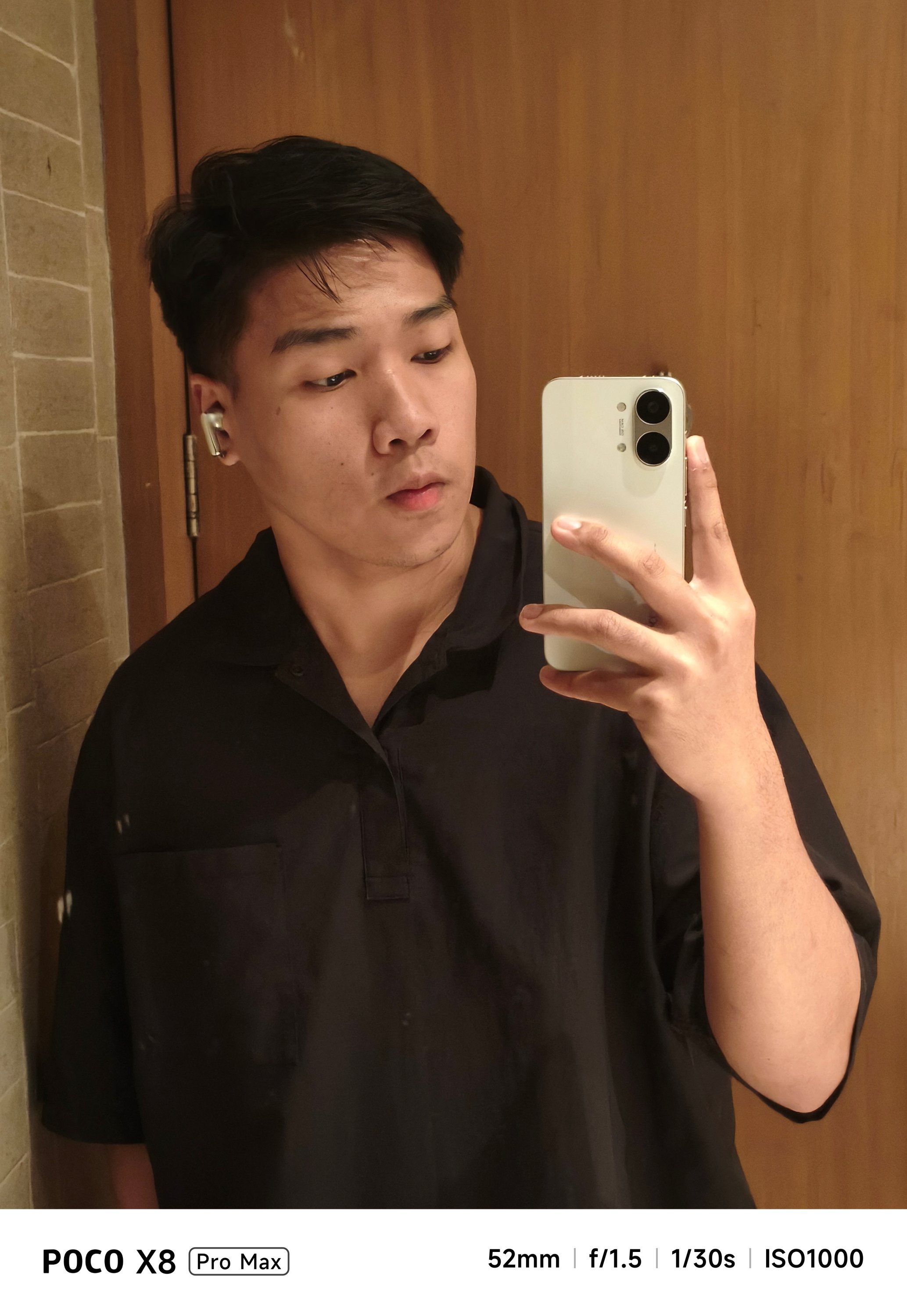
Cutouts aren’t flawless, though. But, what should we even expect in a conventional camera combo like this?
-
- Portrait OFF
-
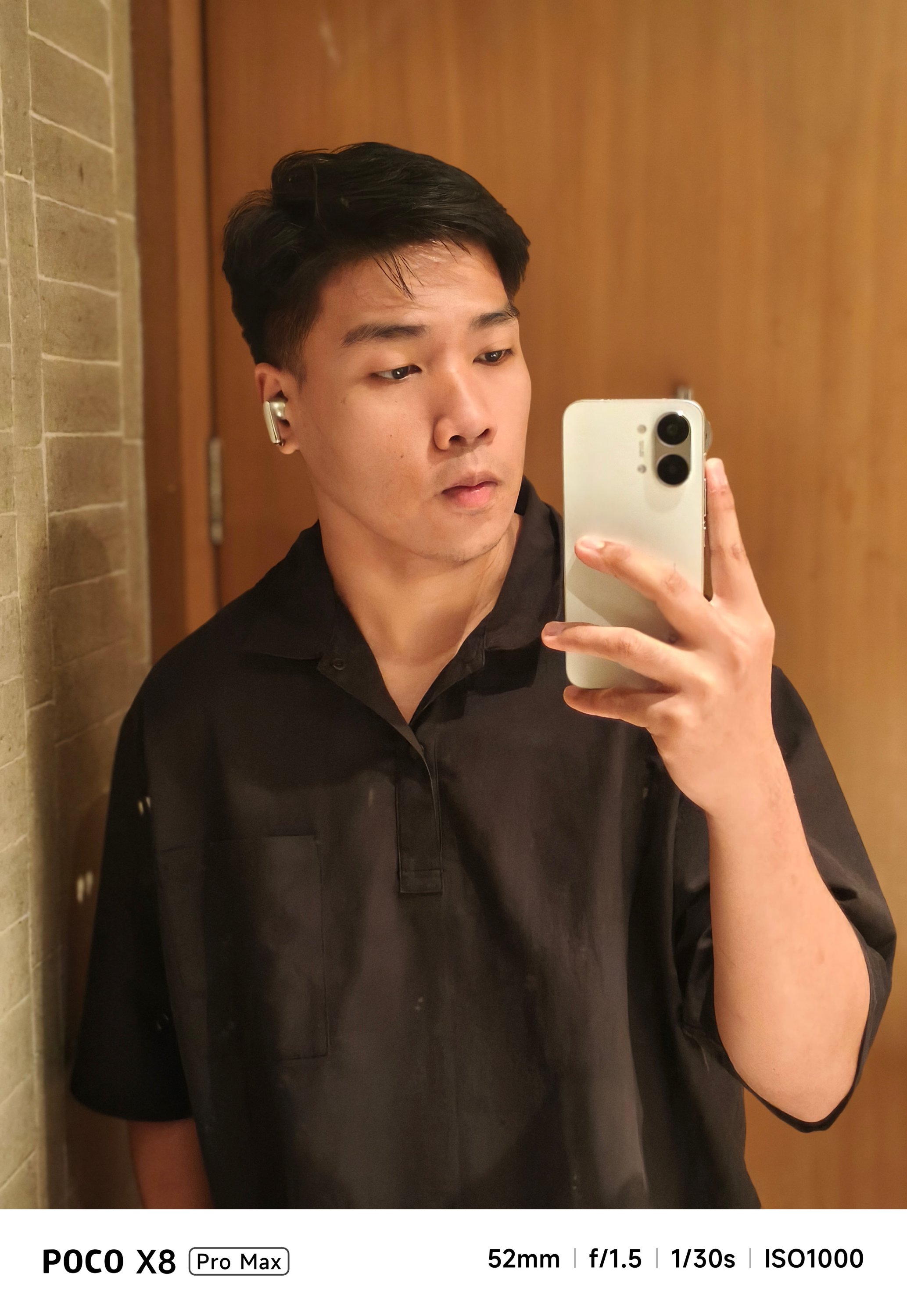
- Portrait ON
The absence of a dedicated zoom camera is evident when you try to capture anything past the 3x range.


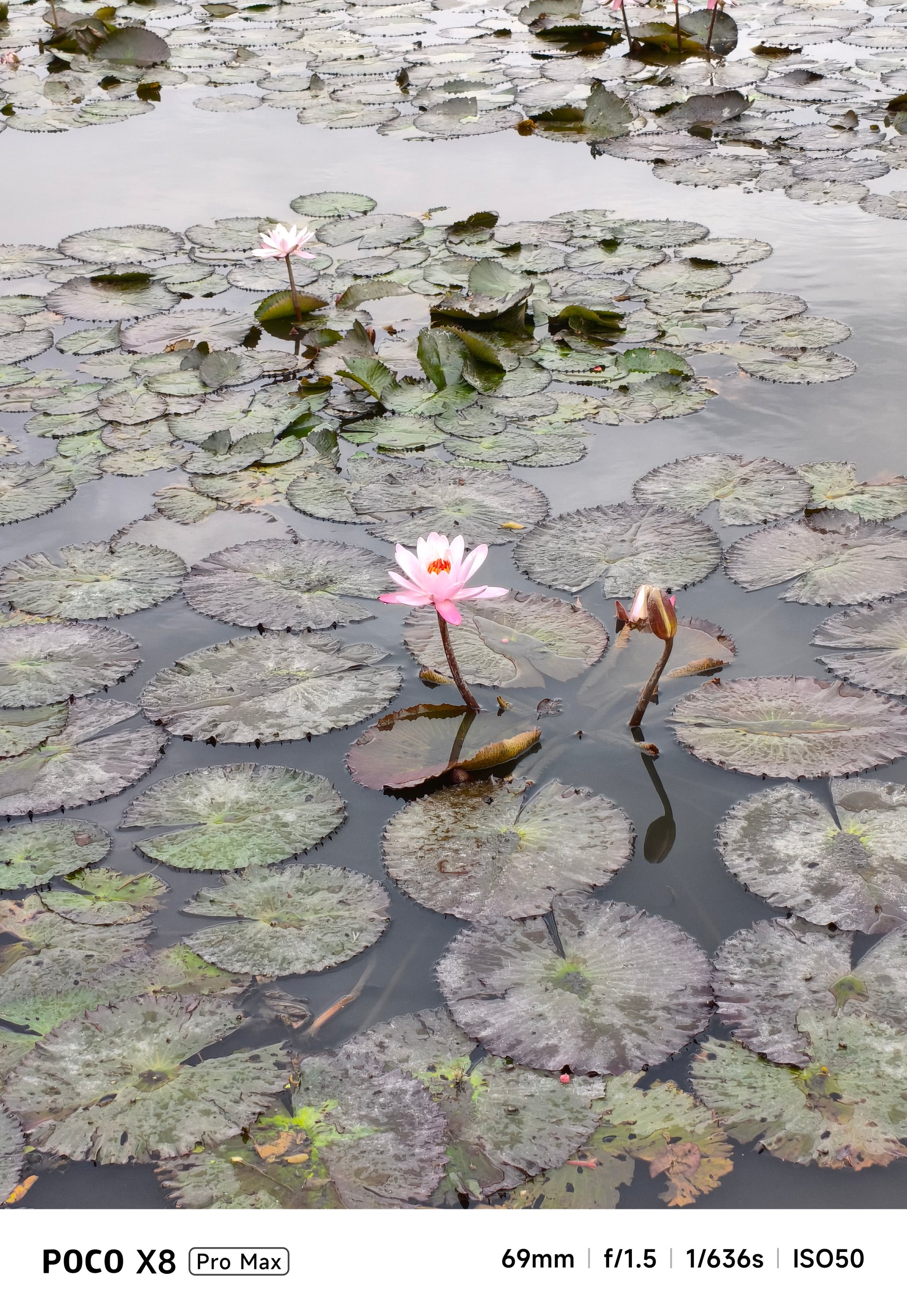
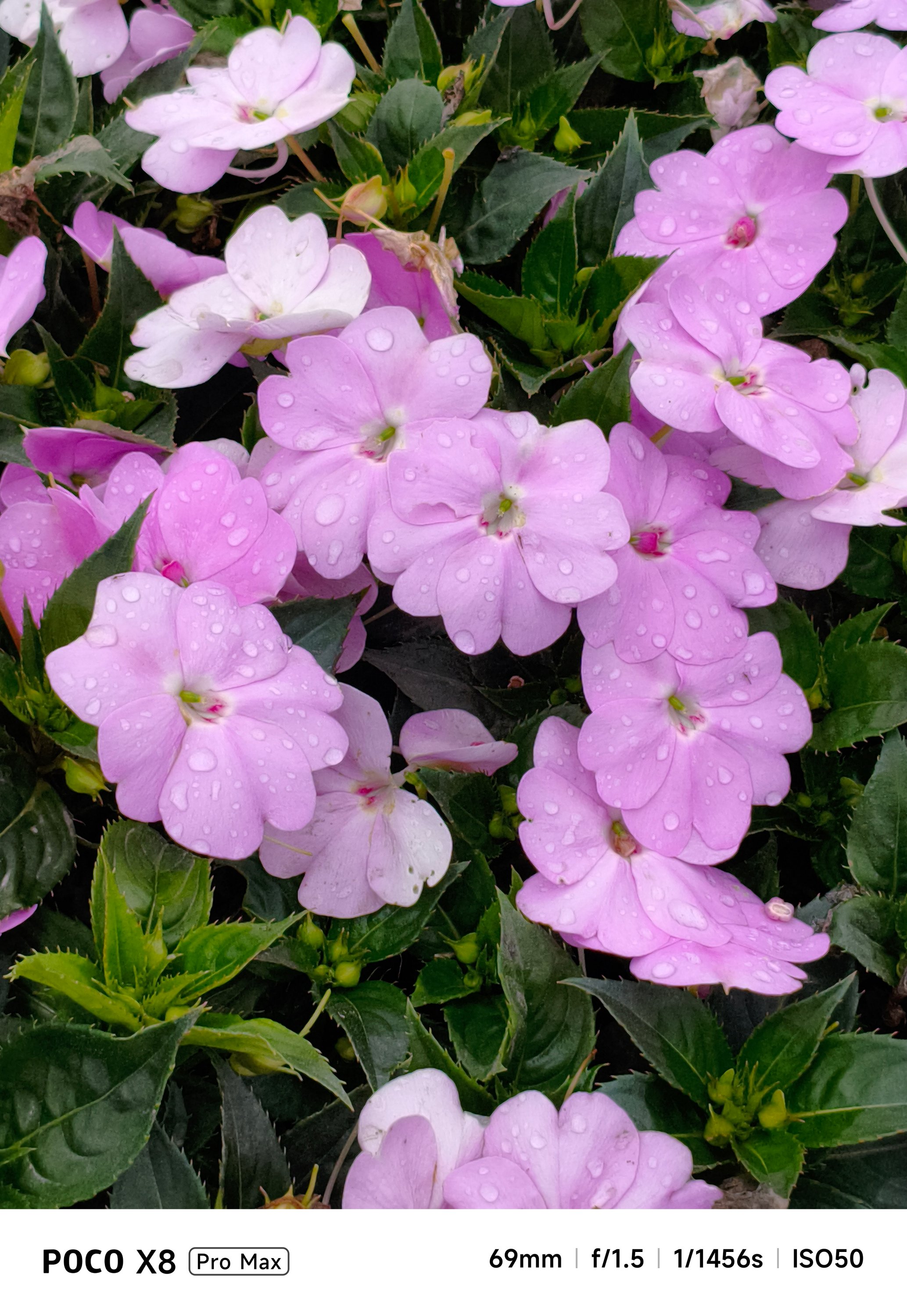
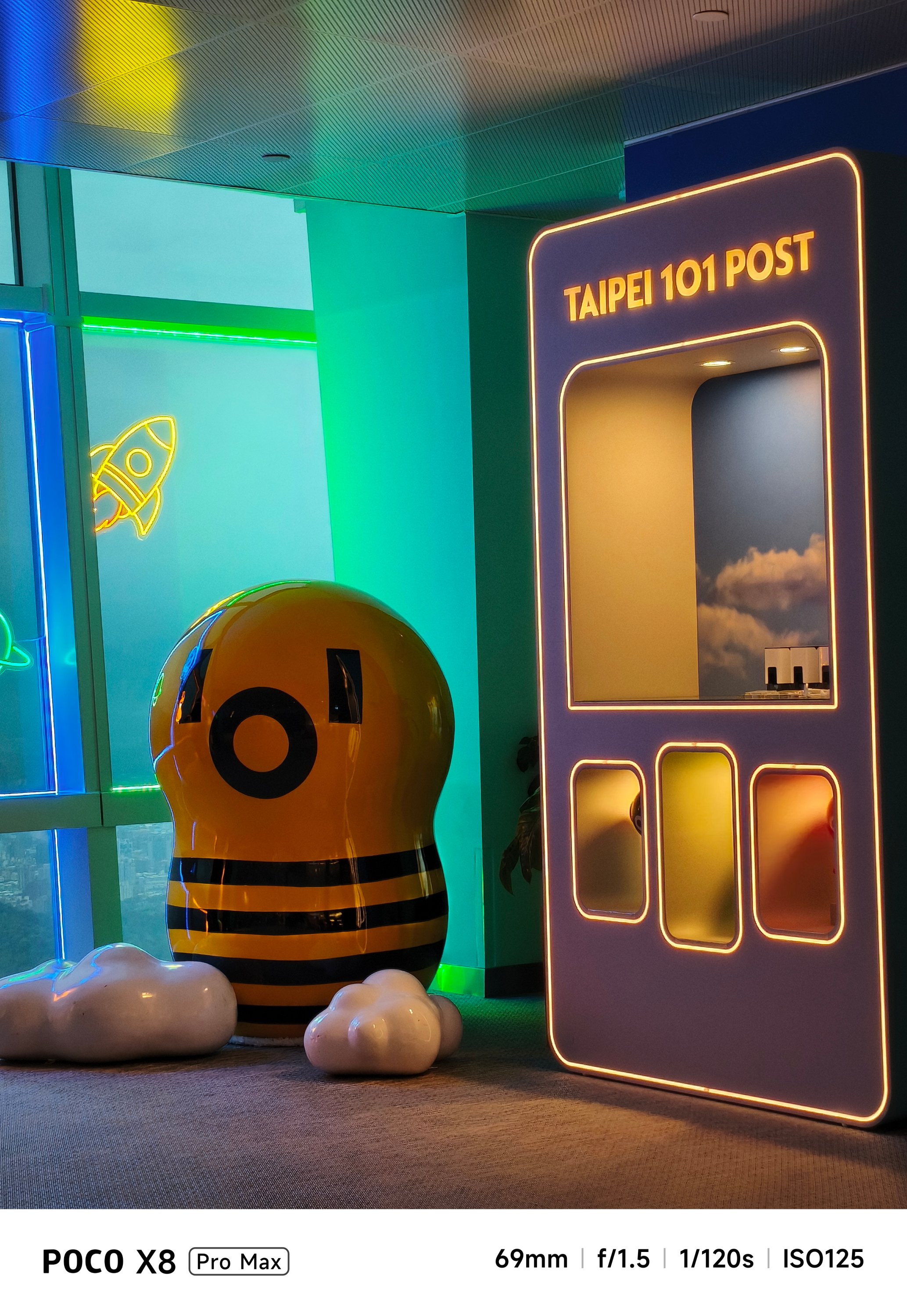
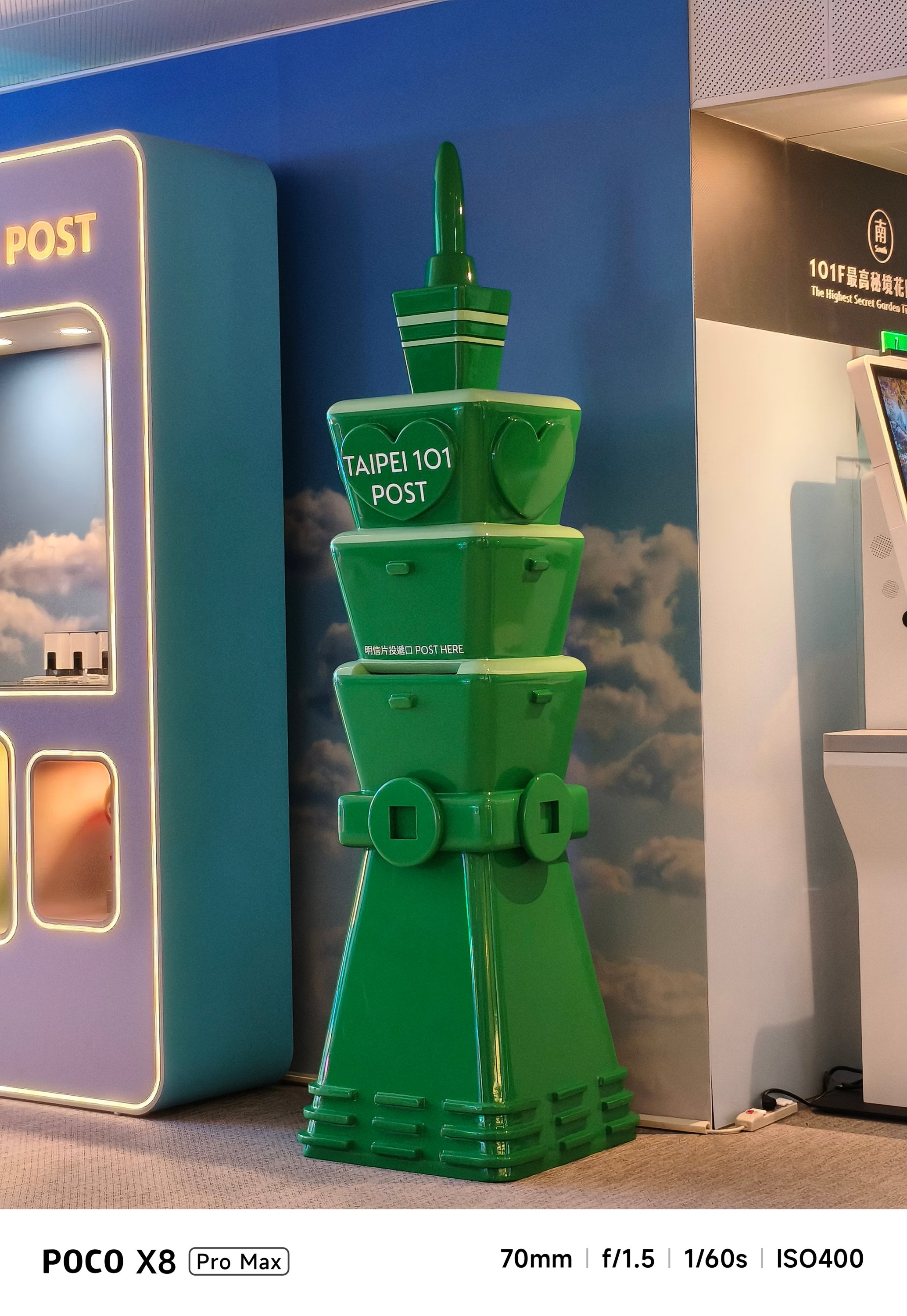
Meanwhile, dimly-lit shots can be either a hit or miss.
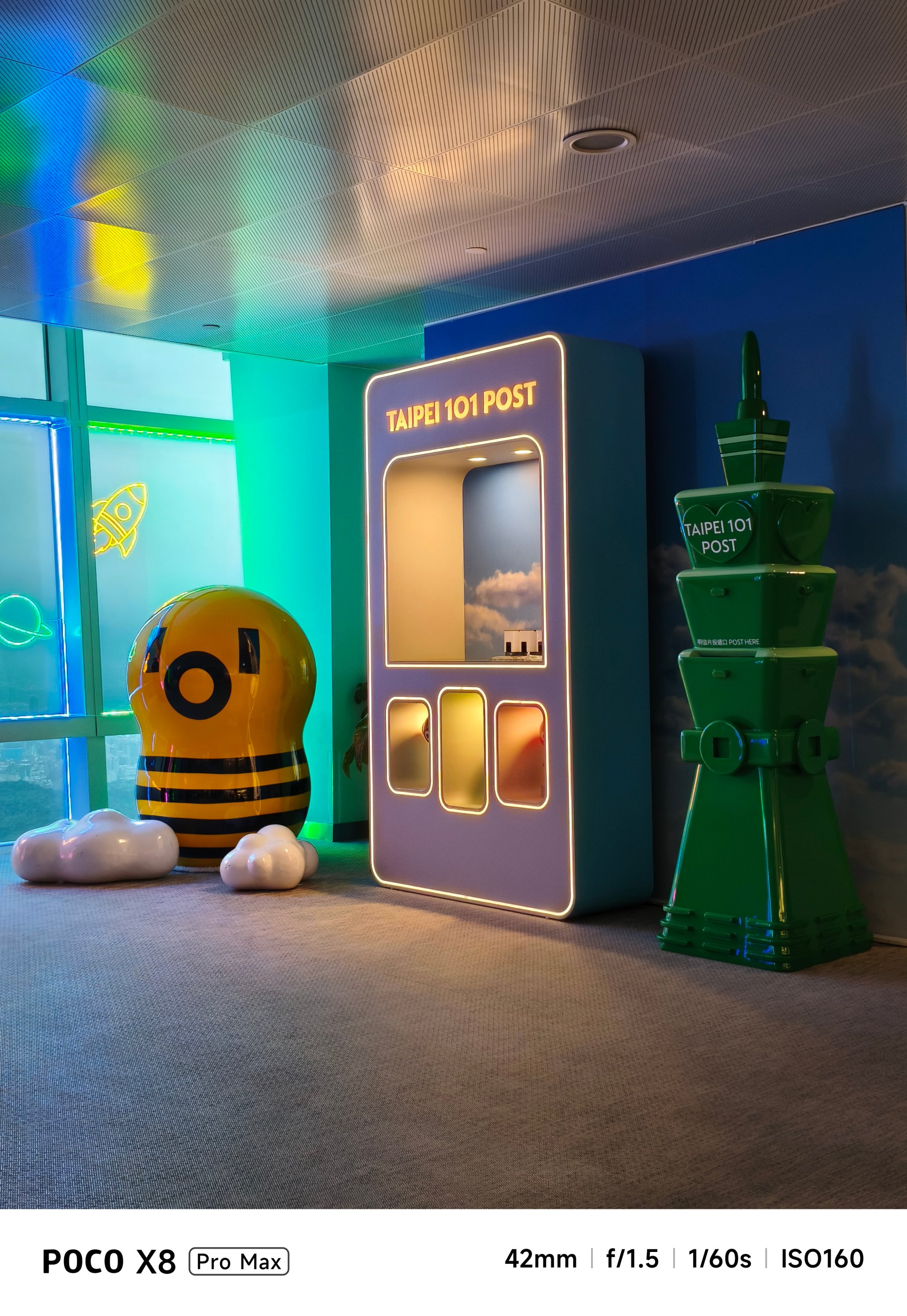



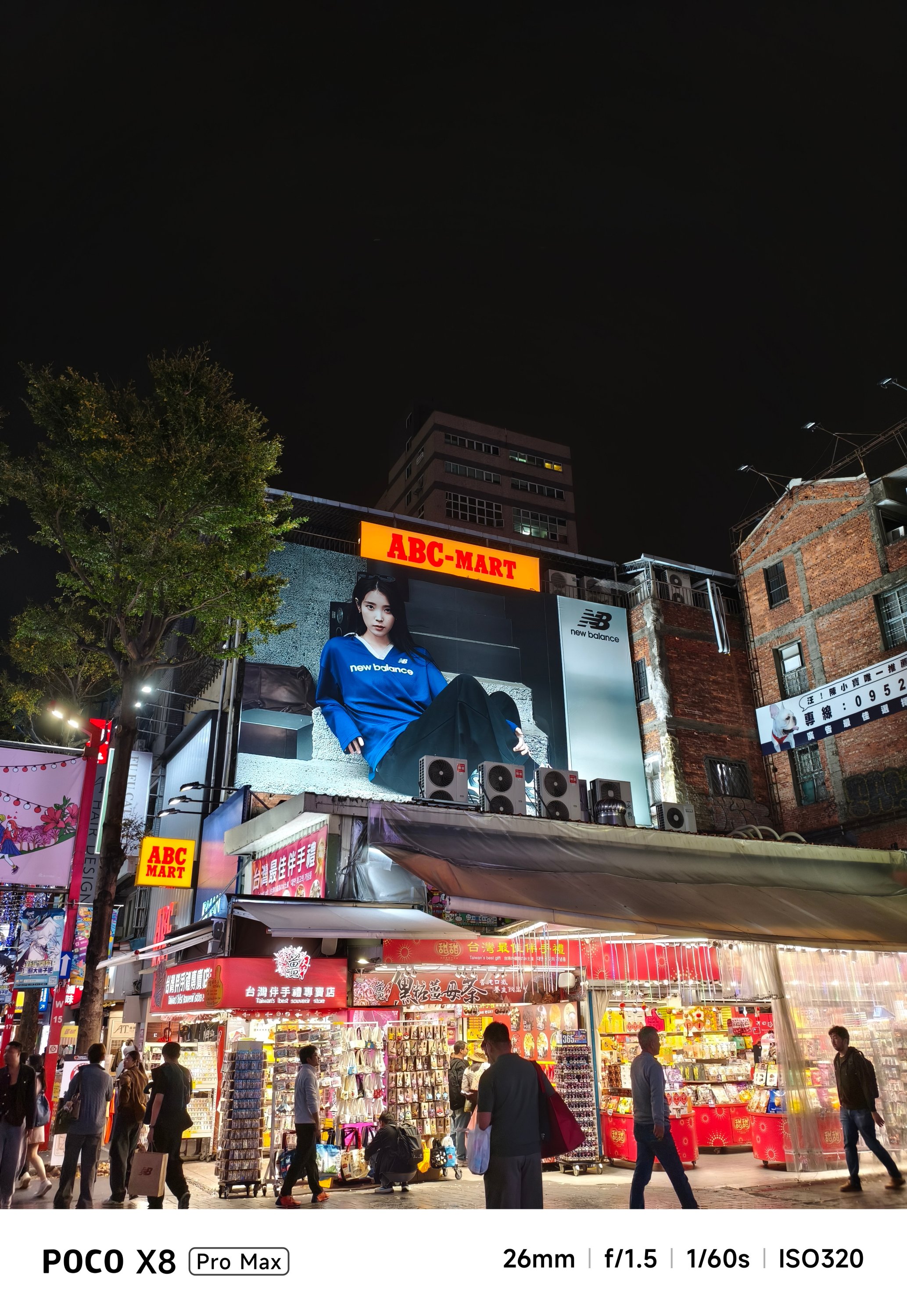
In a scene where there’s the least amount of natural light, it will rely heavily on sharpening and brightening the image.

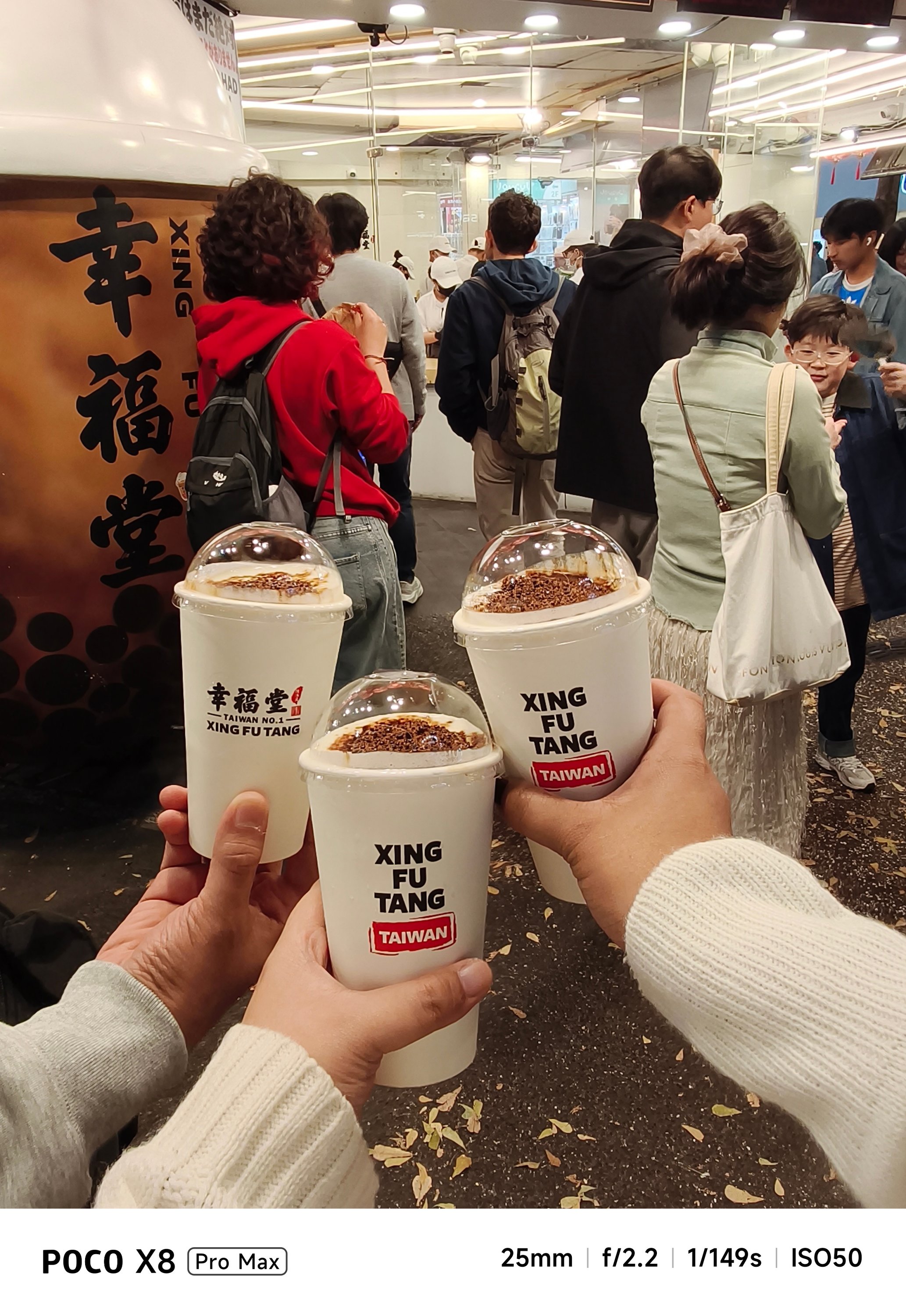

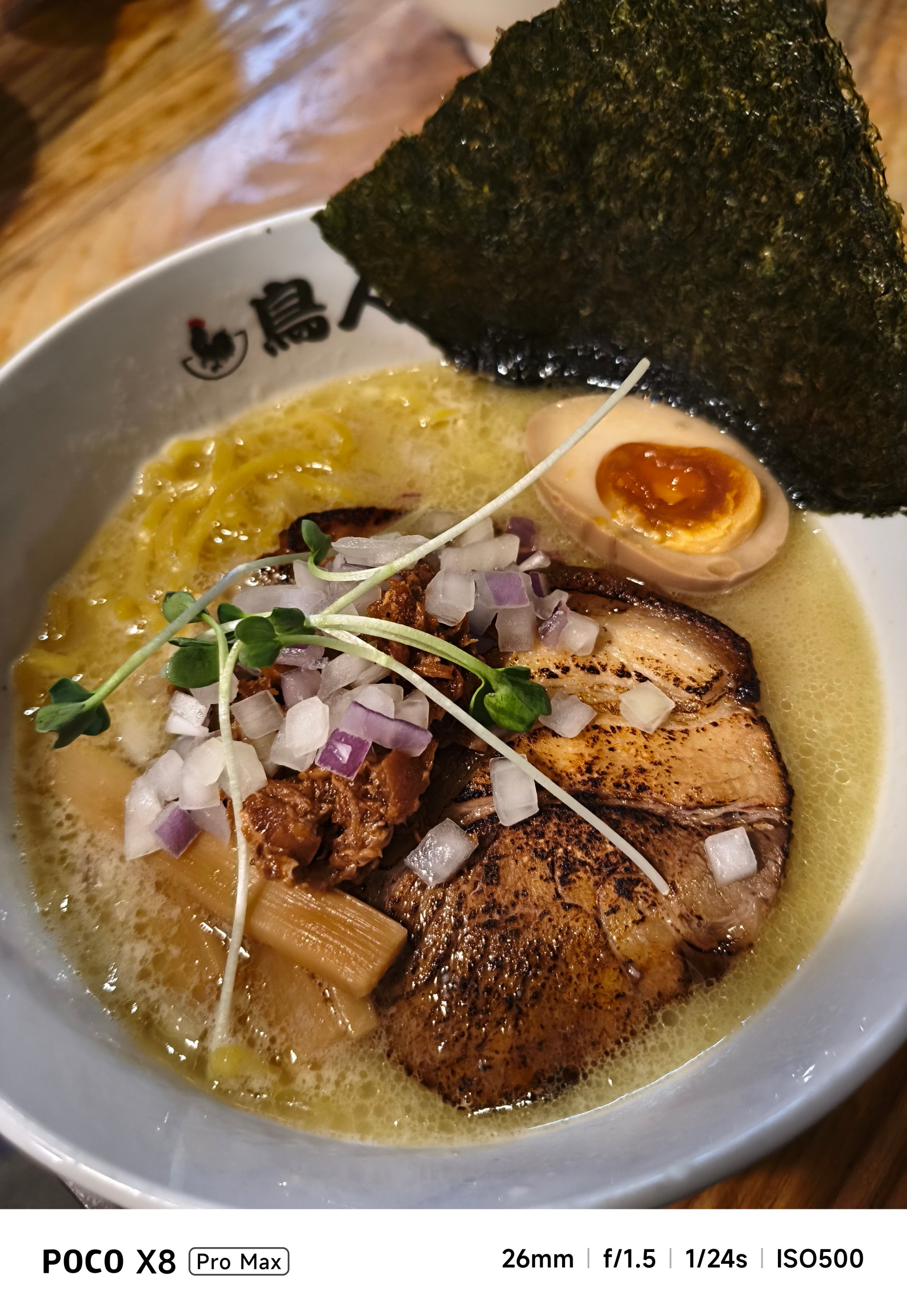
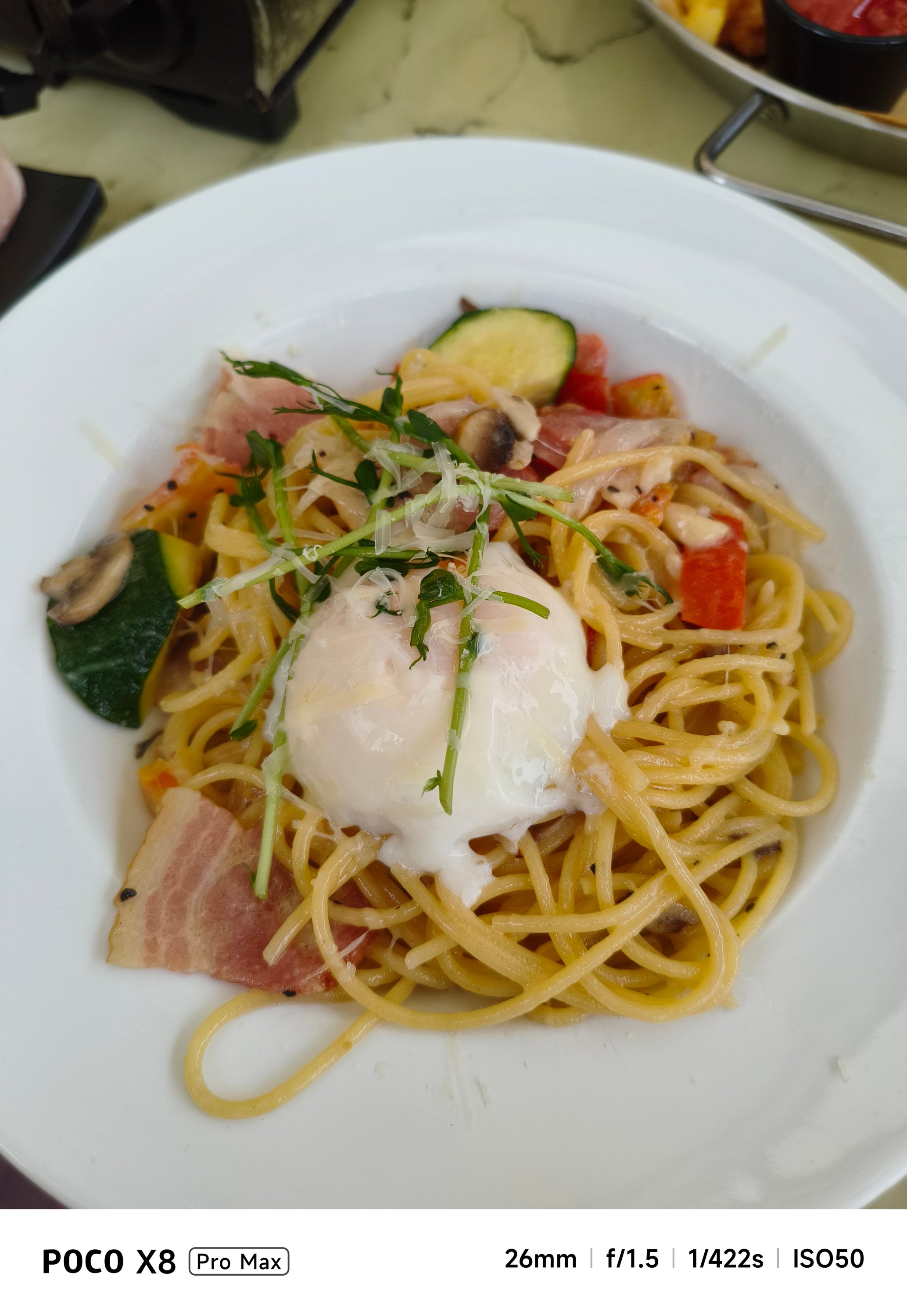
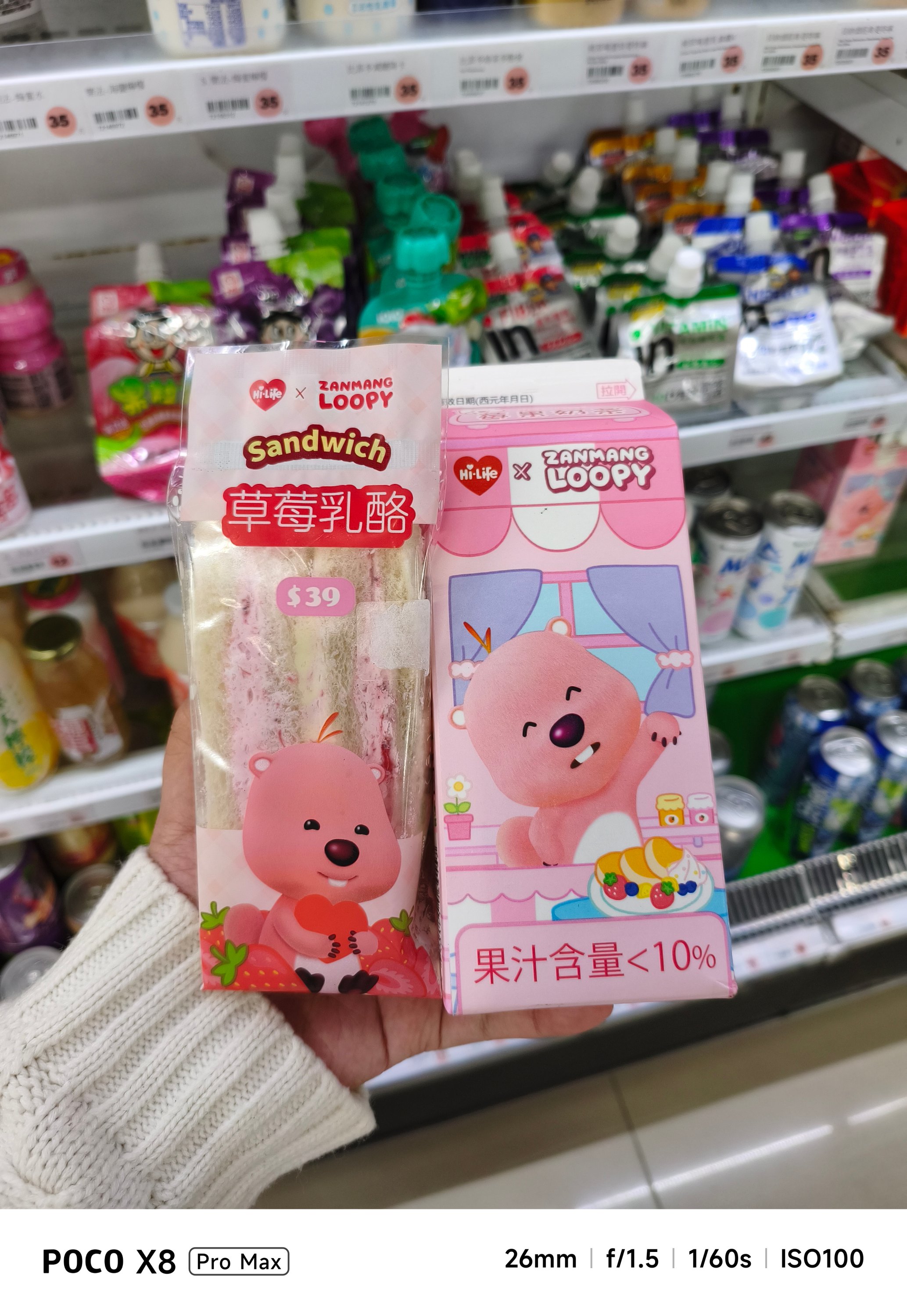
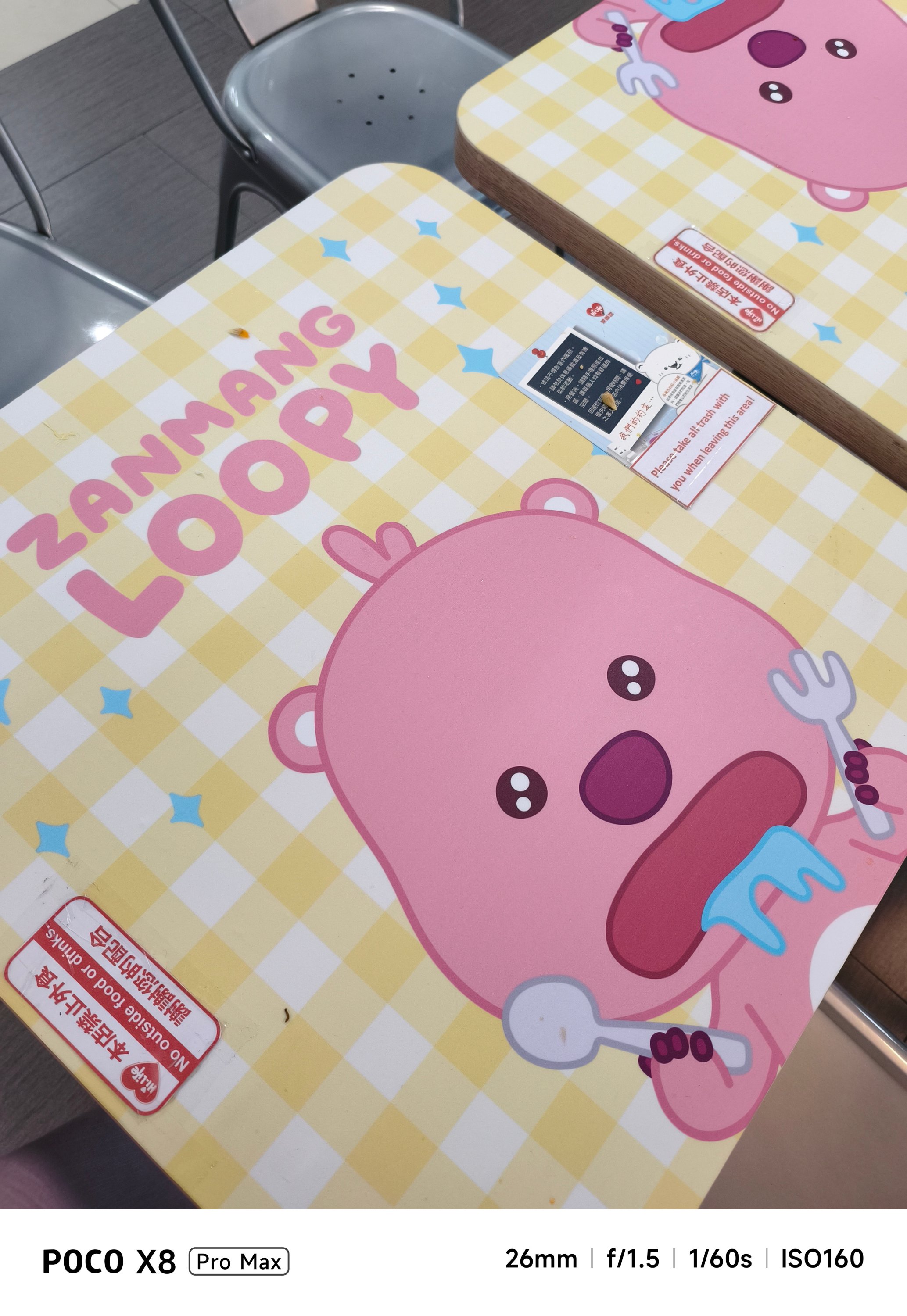
Nevertheless, food shots will still look appetizing enough, regardless of lighting condition.


Battery behemoth
Last but certainly not the least, the POCO X8 Pro Max packs a mighty tank inside — an 8500mAh Si/C battery, to be exact. This is currently POCO’s biggest battery offering in their current line of smartphones.
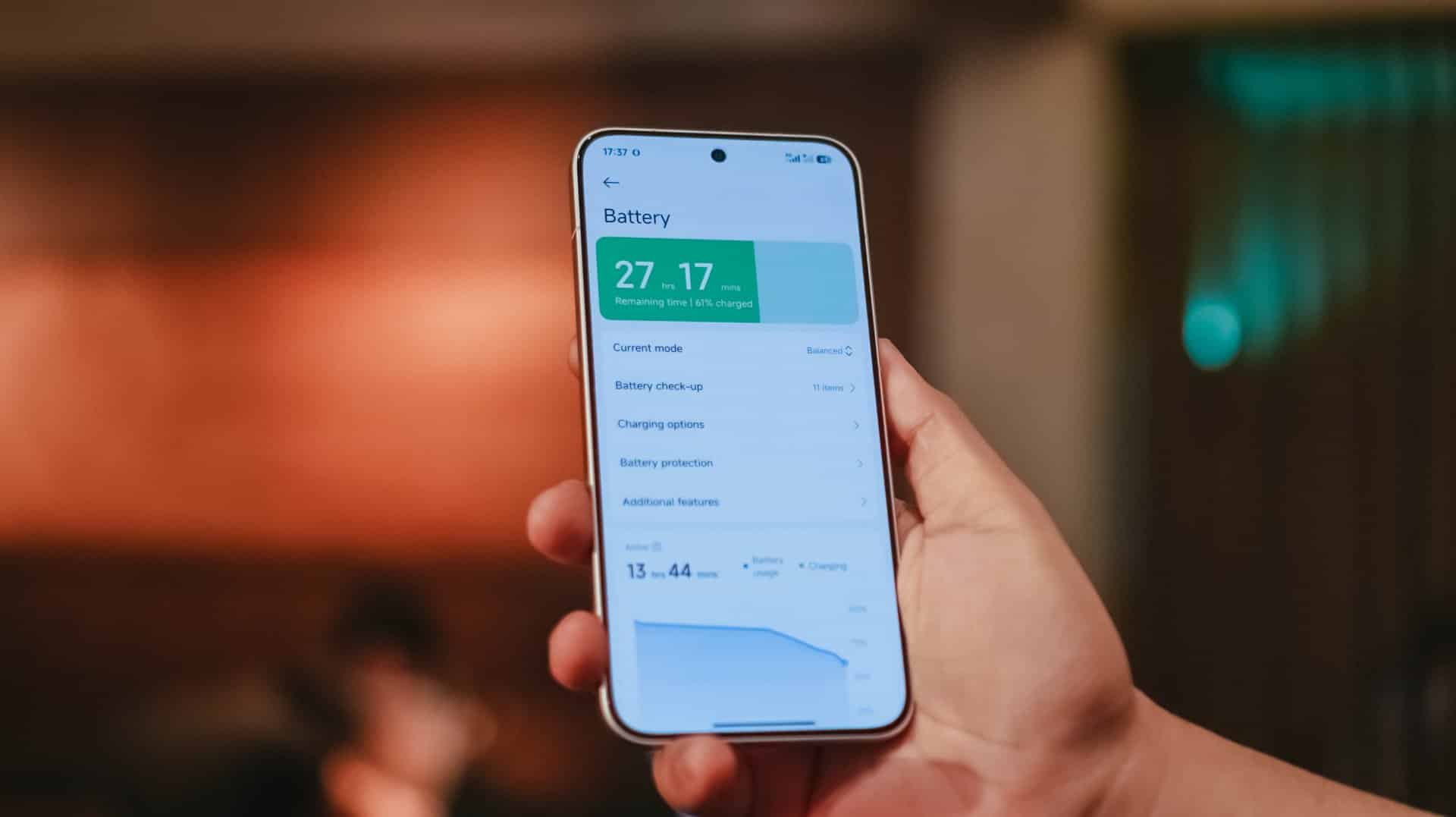
I would be lying though if I didn’t say I am envious that the China variant (REDMI Turbo 5 MAX) has a bigger 9000mAh capacity.
Still, for day-to-day basis, it’s hard to fully drain the phone in one sitting. If you’re chronically online, the POCO X8 Pro Max will surely handle all your social media-ddiction.

As we speak, gaming is pretty much the baseline for being able to tell how power hungry this beast is.
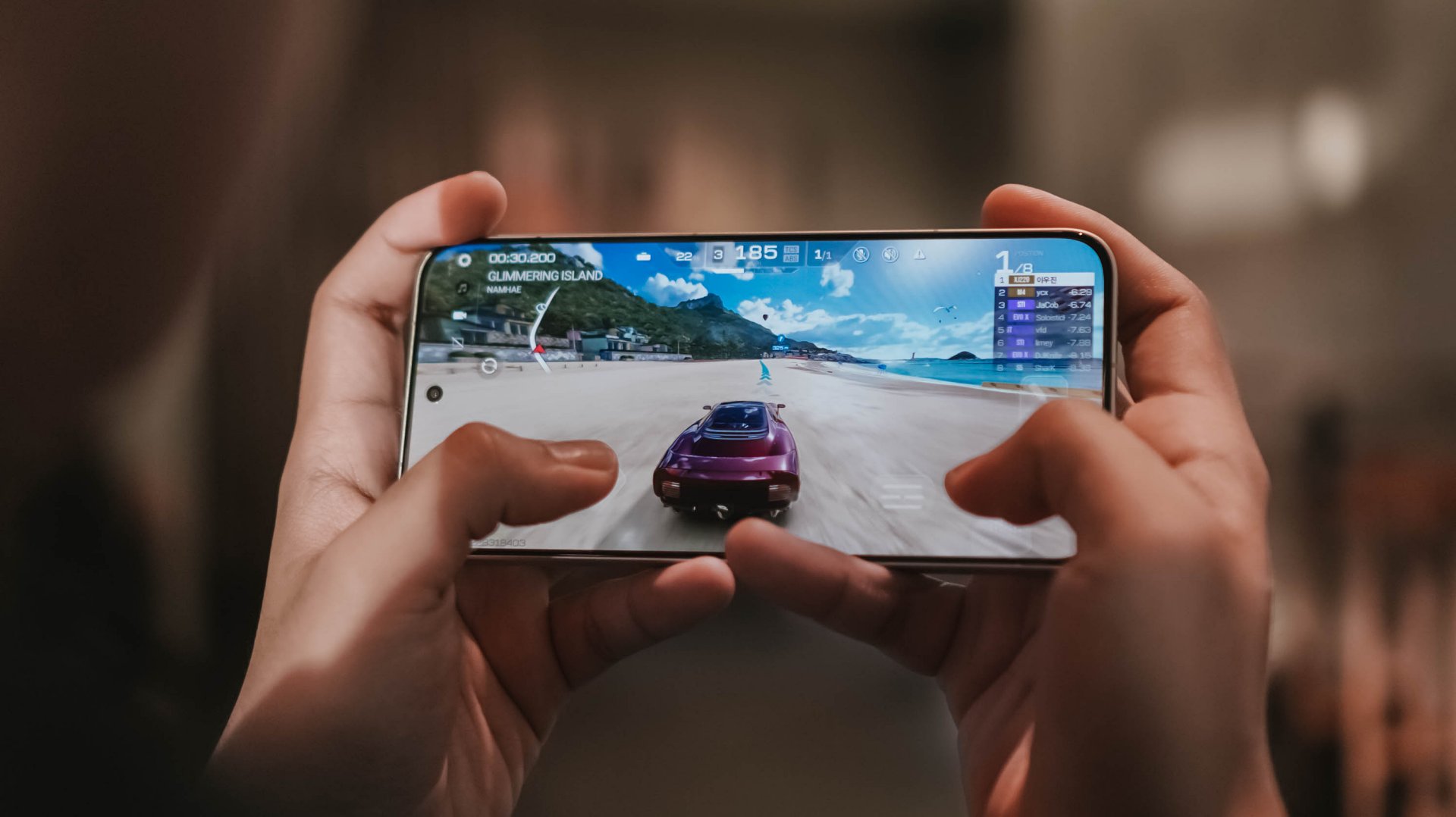
For instance, the moment I set up and installed all the necessary games I can think of, that 5-hour installation of three games only took up about 20% of charge from its 68% battery state — fresh from the factory.
During a mix of 2.5-hour gameplay, the battery depleted from 48% down to 31%.

Even consuming entertainment shouldn’t be much of a battery hog. Binging K-Pop music videos and live performances on YouTube plus Netflix titles for around three hours ears only a measly 10%.
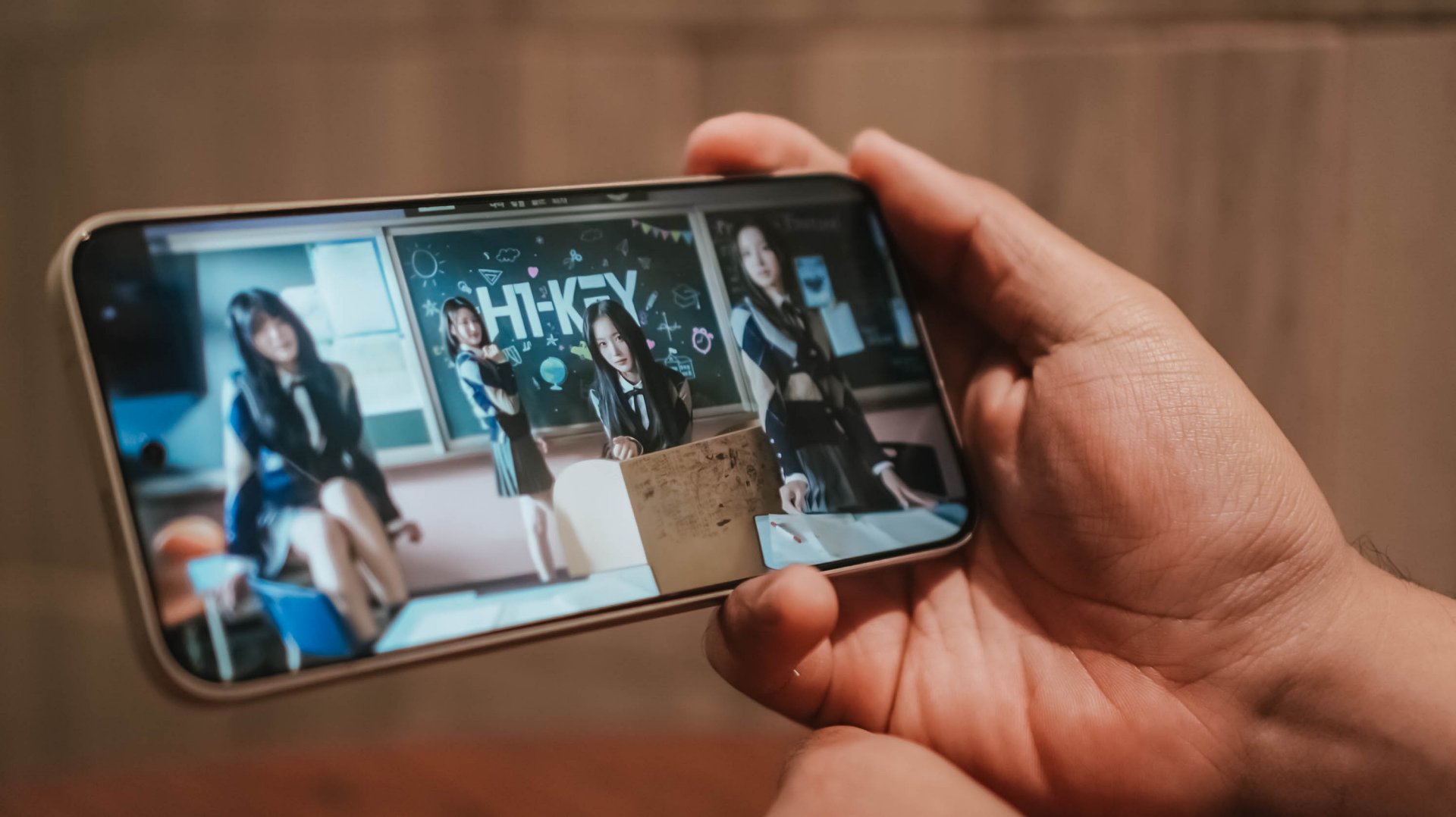
Heck, even with just 1% remaining in the tank, I was still able to play H1-KEY’s latest comeback song in Apple Music for another ten minutes before the phone fully died.
Now, this is where Xiaomi’s 100W HyperCharge capability comes in.
Although the review unit I have doesn’t have one, I was still able to hook it in with an existing 100W HyperCharge adapter from my stash.
However, most users won’t even have one. Thankfully, the POCO X8 Pro Max is compatible with the PPS charging protocol which enables third-party chargers to fully-utilize that 100W charging speeds, and the results aren’t far off.
My GadgetMatch Charge Test further proves that.
Xiaomi 100W HyperCharge Adapter |
UGREEN 100W Uno GaN Charger |
|
START TIME (From 0%) |
3:18PM |
12:34AM |
3 minutes |
0% |
1% |
5 minutes |
4% |
2% |
10 minutes |
8% |
11% |
15 minutes |
17% |
15% |
20 minutes |
22% |
24% |
30 minutes |
34% |
37% |
45 minutes |
55% |
57% |
1 hour |
76% |
77% |
1 hour 15 minutes |
94% |
95% |
END TIME |
4:48PM
|
2:08AM
|
As an addition, I also made the POCO X8 Pro Max as my personal hotspot. I went out around 8AM with 100% charge left. The moment I got back home by 11 in the evening, there’s still 43% left. Most phones have already drained right after the sun has set by 6PM.

Moreover, not only it’s limited to just a dual physical SIM slot. Another slot can run eSIM, which is always my go-to option when traveling. It’s a huge relief this POCO phone supports it as the M8 Pro doesn’t have one.
Speaking of, this phone can also serve as your power bank! With its 27W reverse wired charging support, it can top-up the dead batteries of your 5000mAh phones 👀
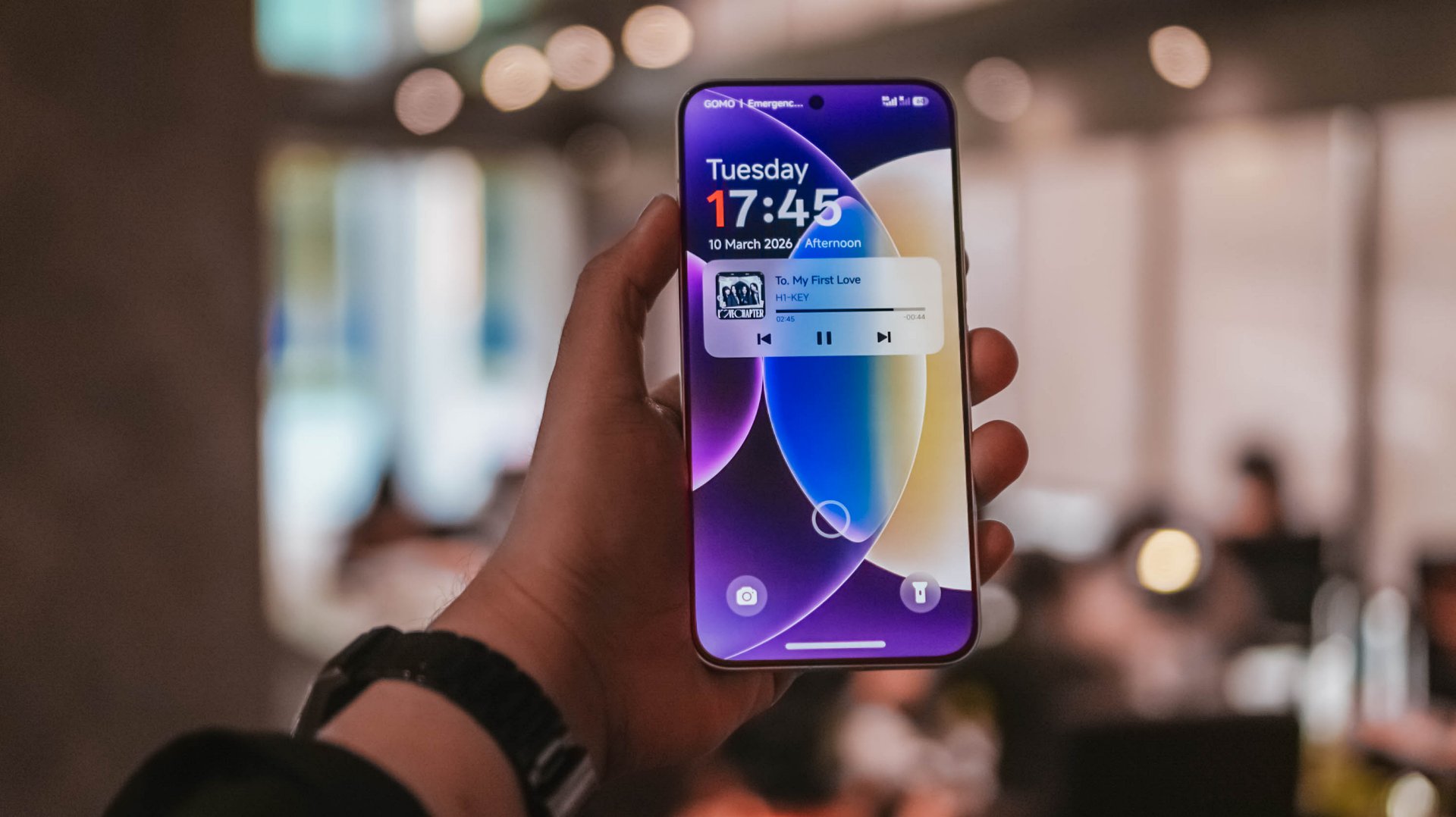
And before I forget, Xiaomi’s HyperOS 3 isn’t the most power-efficient system out there. If you happened to read my POCO M8 Pro and Xiaomi Pad 8 review write-ups, you already get the gist of this.
To be specific, as I breezed through my last battery settings, I’ve noticed that App Vault drained the second highest when your phone is in idle mode. I haven’t even set up the feature as of this writing.
This is another reason why my sentiments against the company’s OS keep getting stronger. I’m just hoping they could fix these worrisome woes that affects a lot of existing and prospective Xiaomi / REDMI / POCO users.
Is the POCO X8 Pro Max your GadgetMatch?
The arrival of the POCO X8 Pro Max blows the rest of the competition out of the water.
Although Xiaomi’s HyperOS is the elephant in the room, that was easily overshadowed by how mighty this smartphone is.
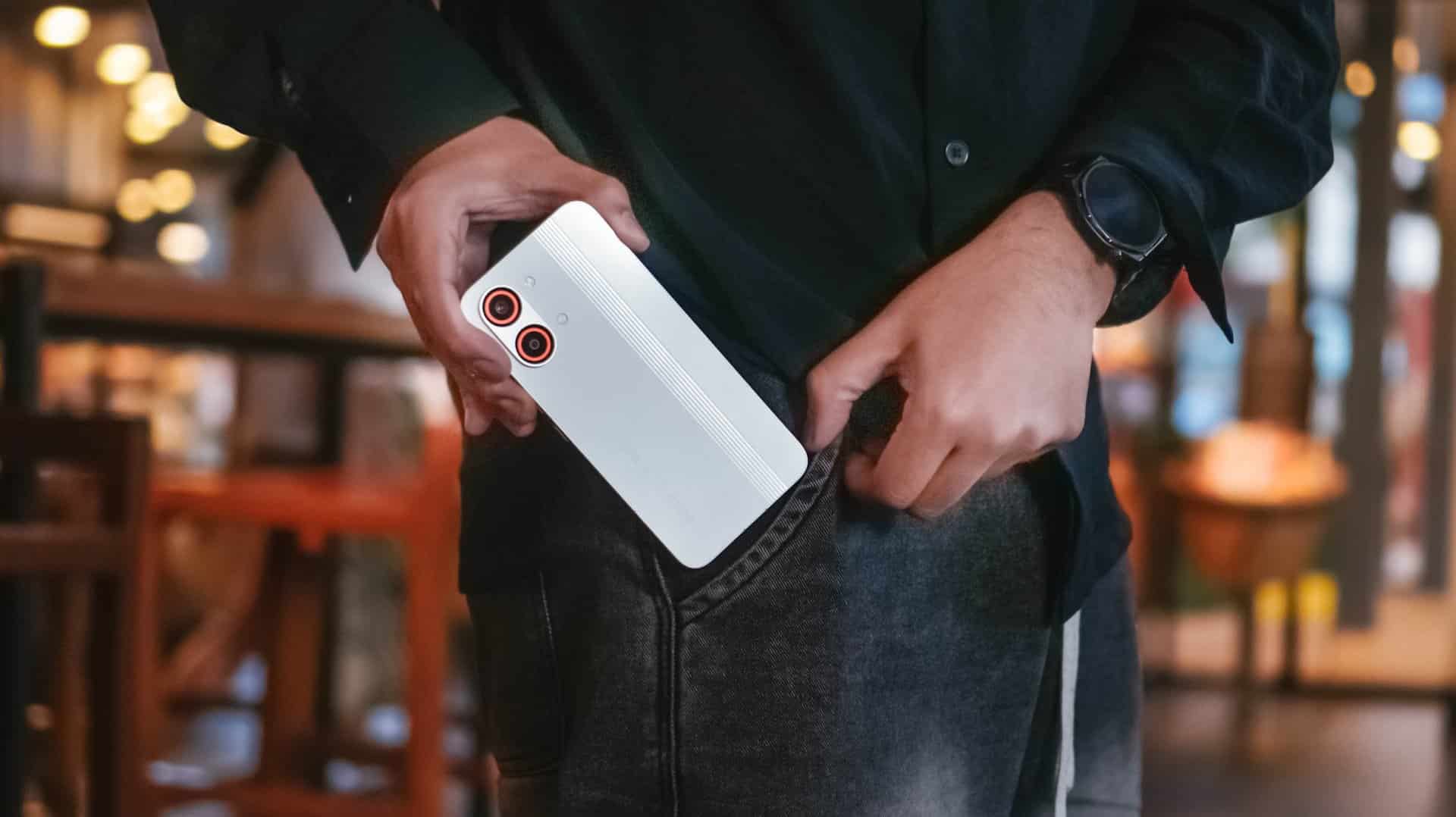
The POCO X8 Pro Max is as straightforward as it can get. From visuals, to core performance, all the way to battery endurance (and even capable cameras), I honestly cannot speak ill about it — especially for a phone in this price point.
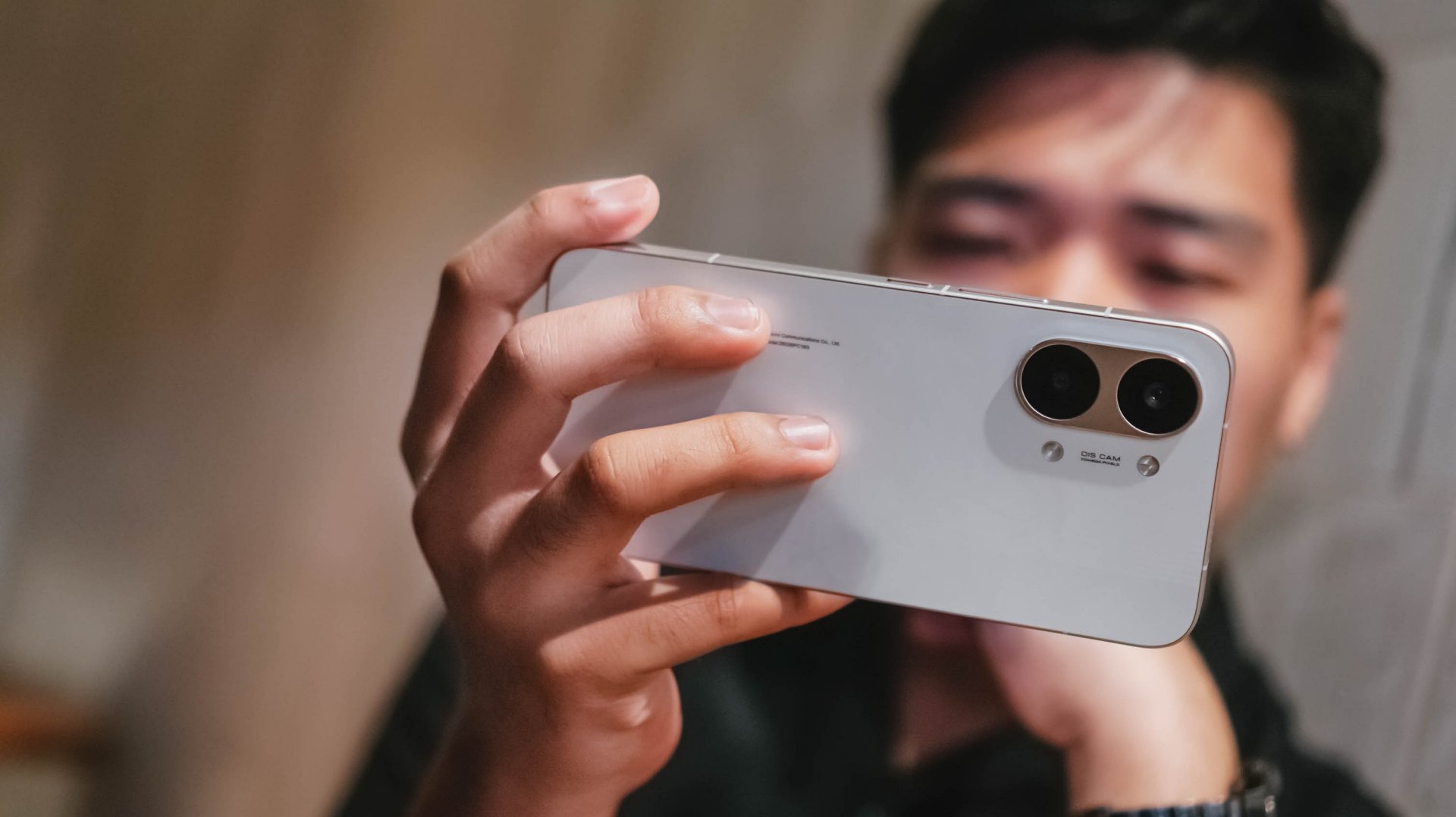
Whether you’re just a casual user looking for a pro-grade yet inexpensive smartphone or you’re purely just a spec-savvy nerd, you’ll easily drool with how great the POCO X8 Pro Max is.
And with prices of just PhP 25,999 or PhP 27,999 / US$ 469 or 529 paired with all these powerful hardware, what more can you ask for?
They are even heavily discounted now with early bird offers ranging between PhP 18,499 ~ PhP 20,249 and US$ 429 and 459 respectively.
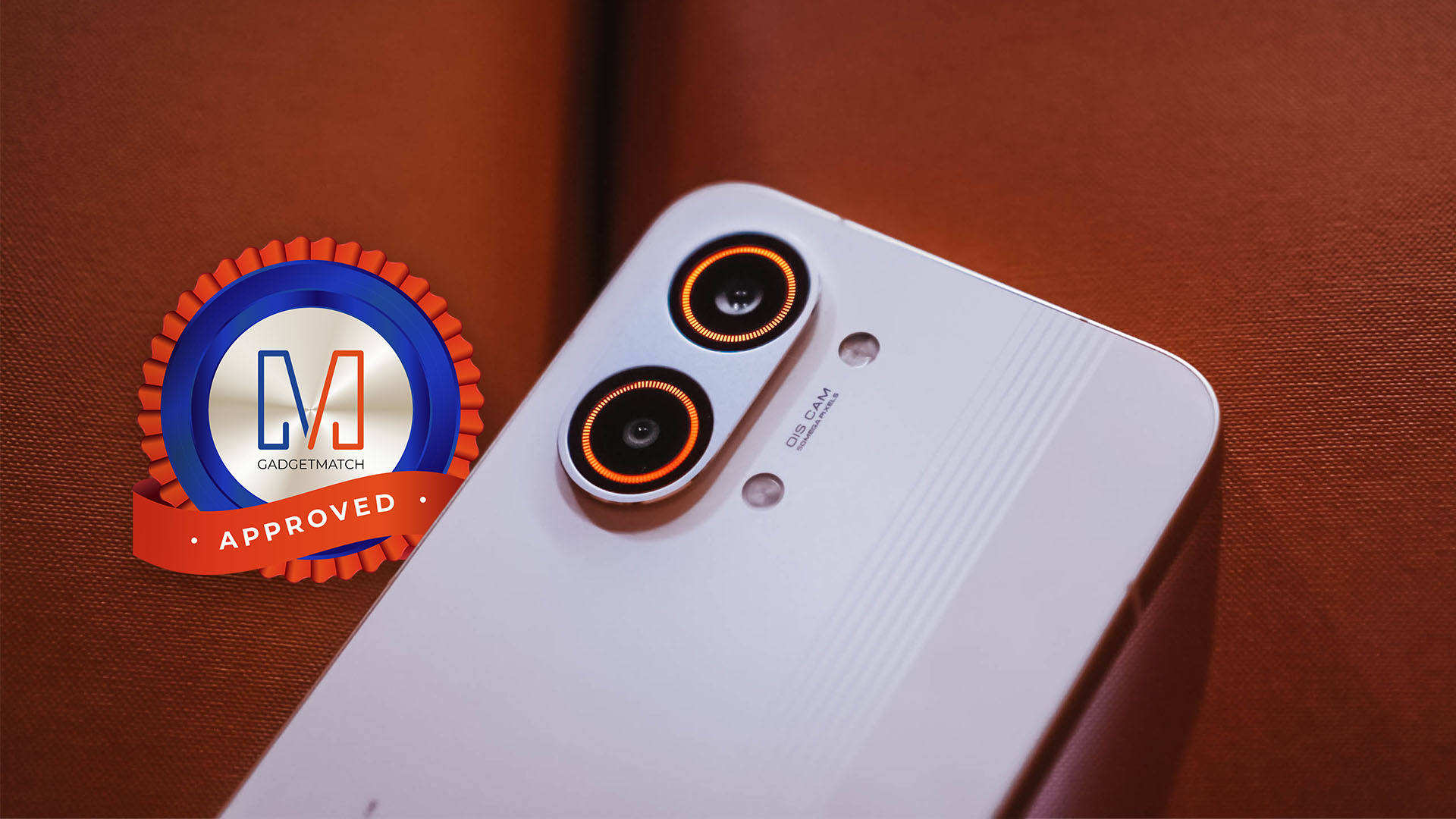
If it is not evident enough with my high praises, the POCO X8 Pro Max is an ultimate Swipe Right, Super Swipe, and a worthy recipient of the GadgetMatch Seal of Approval.
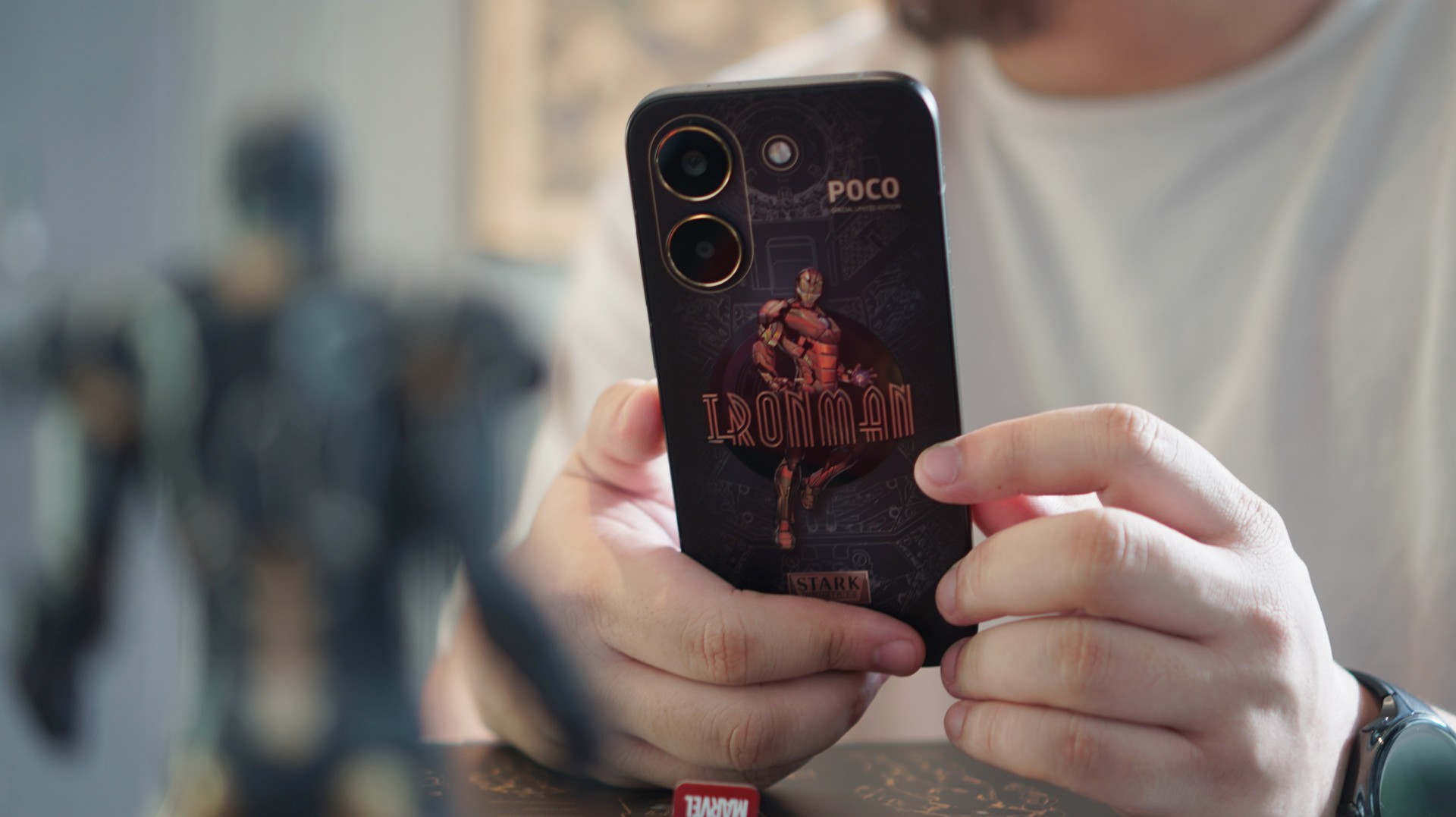
Strip away the Stark Industries styling and the POCO X8 Pro Iron Man Edition is still what POCO does best — a capable midrange smartphone with steady performance, solid battery life, and a display that holds up well for everyday use.
The difference this time is the armor it’s wearing.
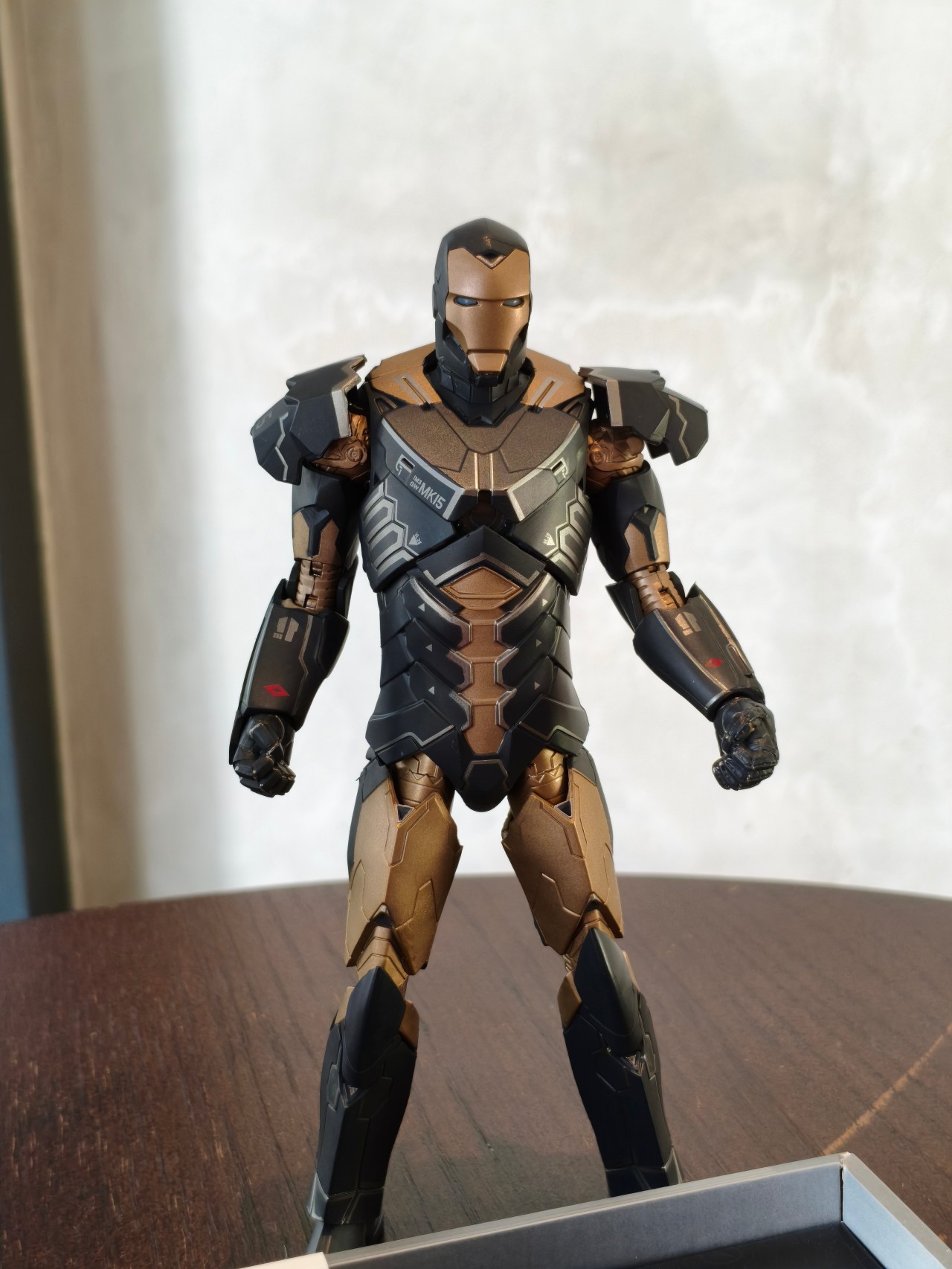
POCO’s latest collaboration wraps the familiar X-series formula in a design inspired by Iron Man’s Mark XV armor, codenamed “Sneaky.” Unlike the classic red-and-gold suit most fans recognize, this stealth-focused armor features a darker black-and-gold palette and appeared as part of the Iron Legion in Iron Man 3.
It’s a stylish twist on an otherwise familiar smartphone. The real question is whether the superhero aesthetic adds enough to make this midrange device stand out.
Design and feel: Stark-inspired aesthetics

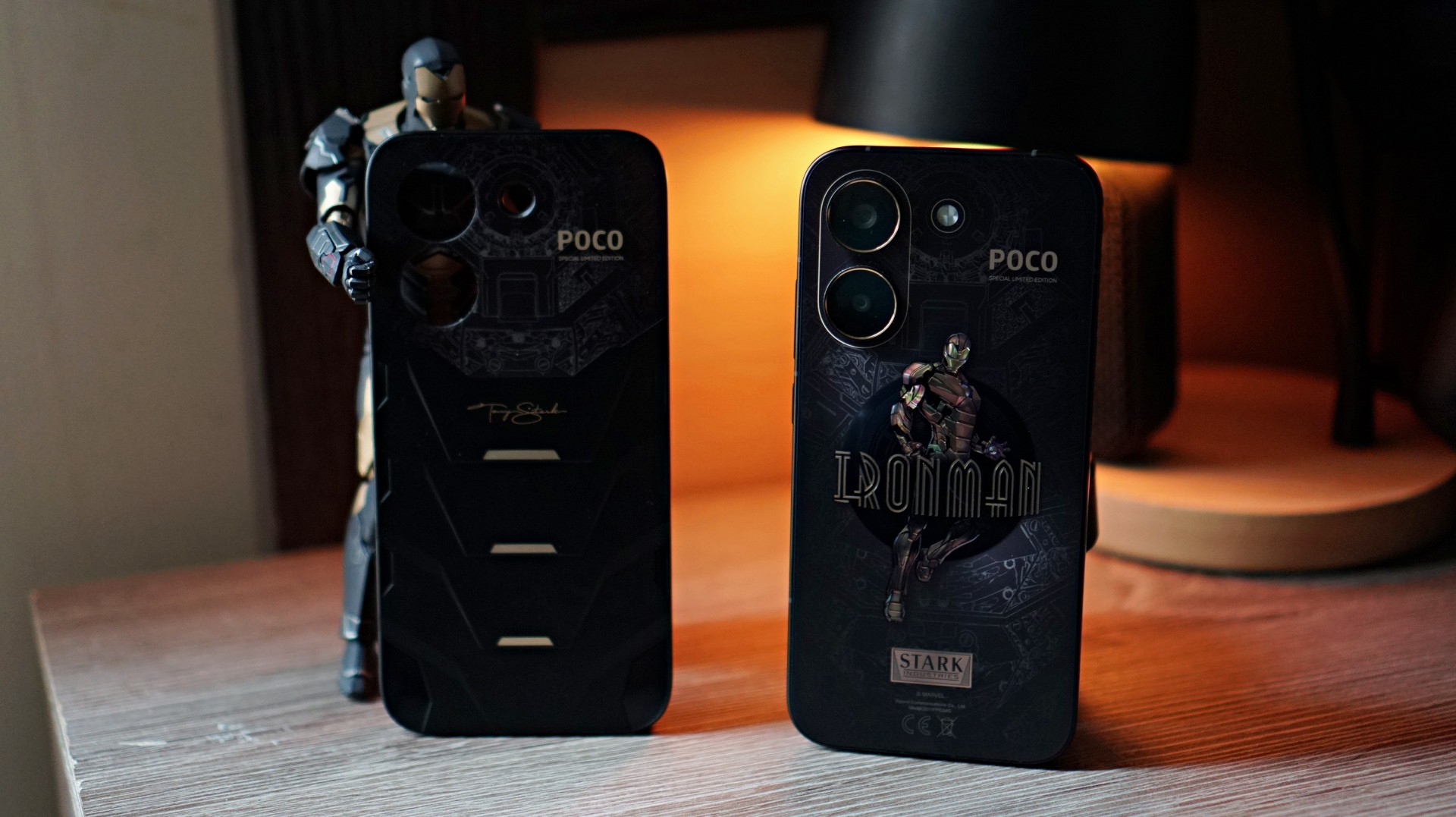
The back design of the bare phone prominently features an image of Iron Man. The styling clearly leans into the Mark XV armor inspiration, with a black-and-gold finish that resembles the torso plating of the stealth suit.
It’s bold without being overly flashy.
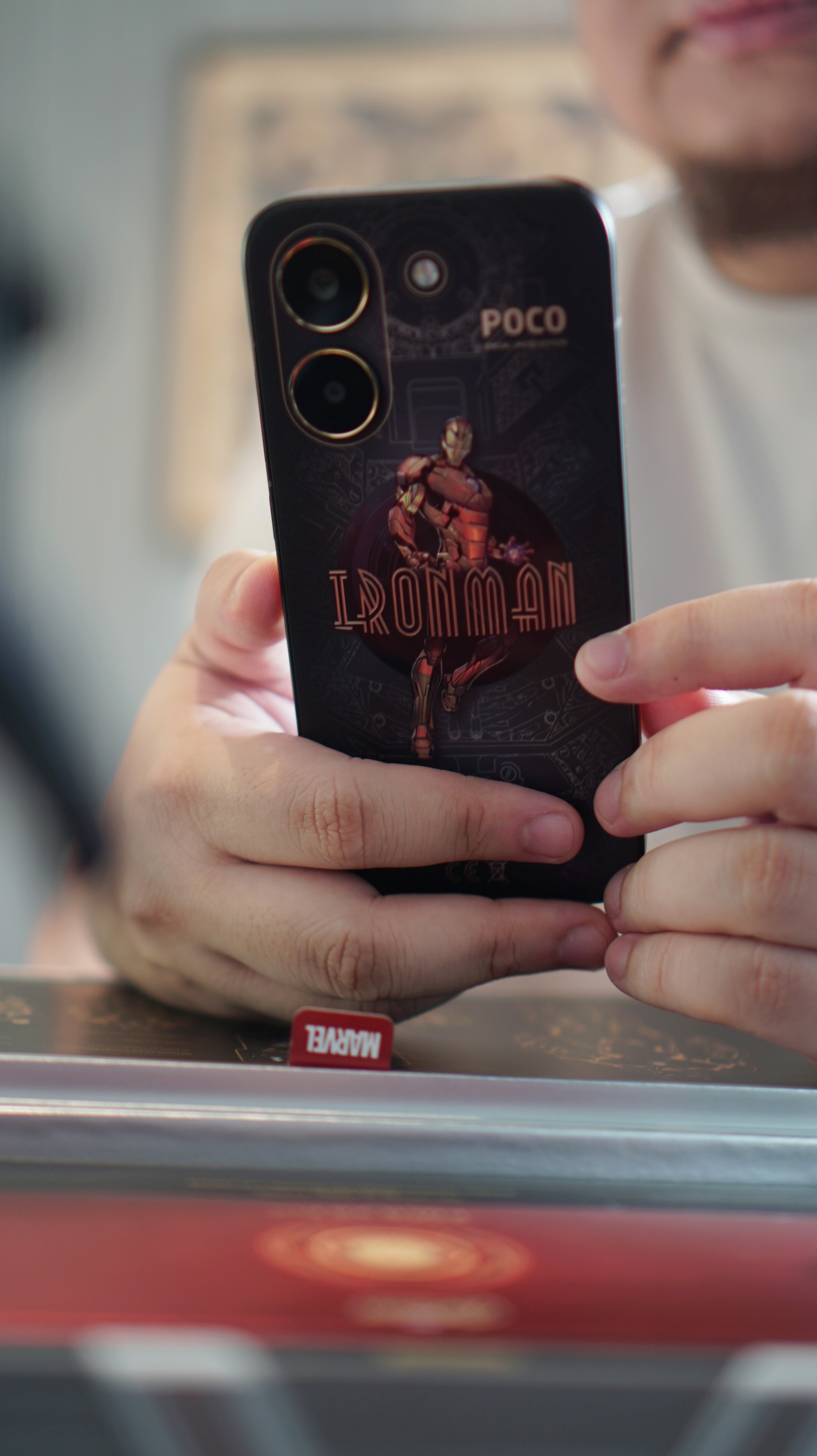
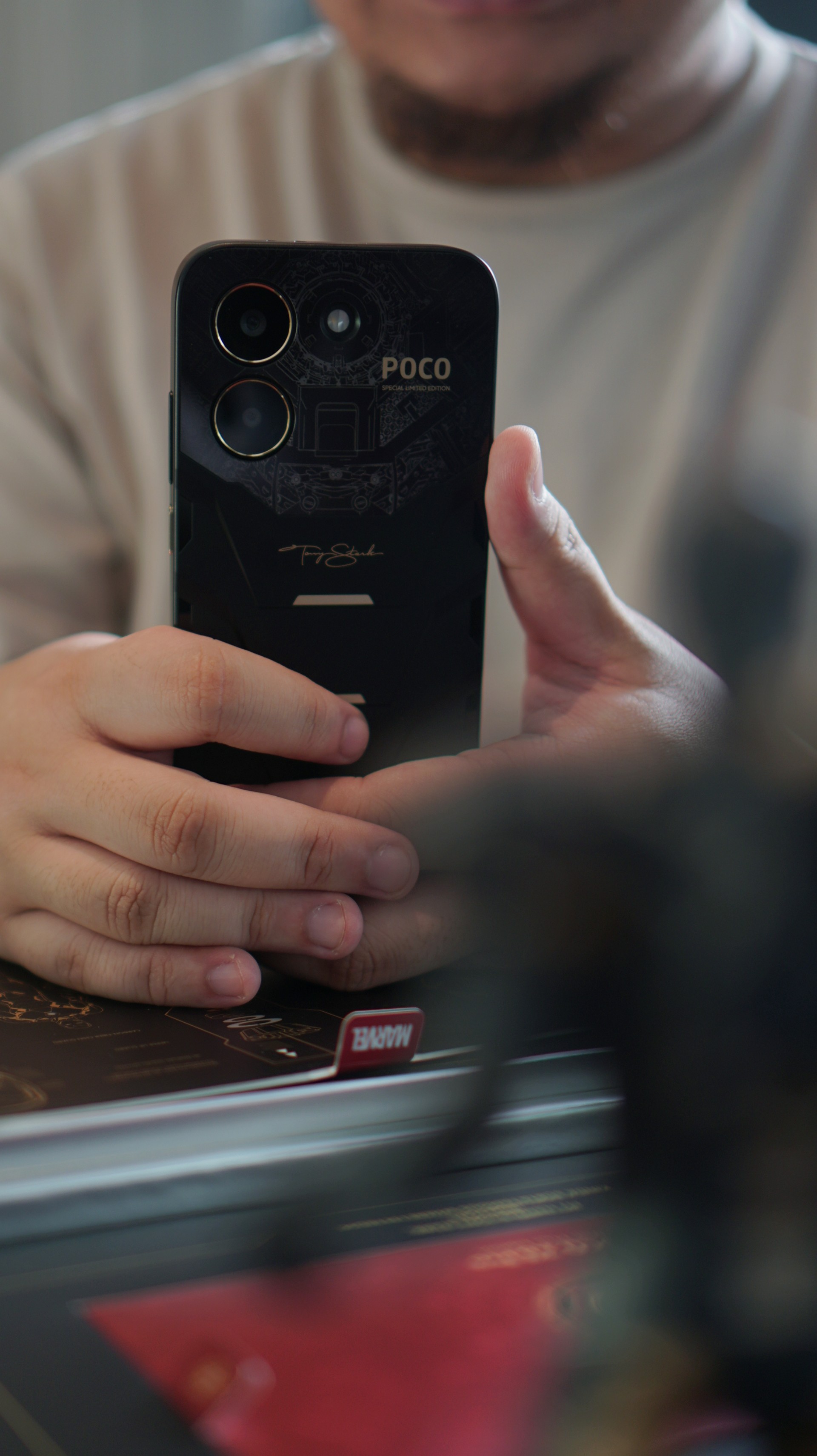
Interestingly, the look changes quite a bit once you snap on the included case — which is actually my recommendation. With the case on, the design becomes a bit stealthier while also giving the phone a slightly better feel in the hand.
The overall handfeel of the smartphone reminds me a lot of the iPhone 14 Pro Max with a CASETiFY case on — just a tad less chunky. That’s a configuration I used for the past three years, so the shape and weight felt oddly familiar the moment I picked this up.
It helps that the camera module doesn’t protrude very much. With the case on, the back sits flatter than expected, making the phone feel balanced when placed on a desk.
Overall, the design is easily the most distinctive part of this device. Even if you’re not a hardcore Marvel fan, the black-and-gold styling still looks quite good.
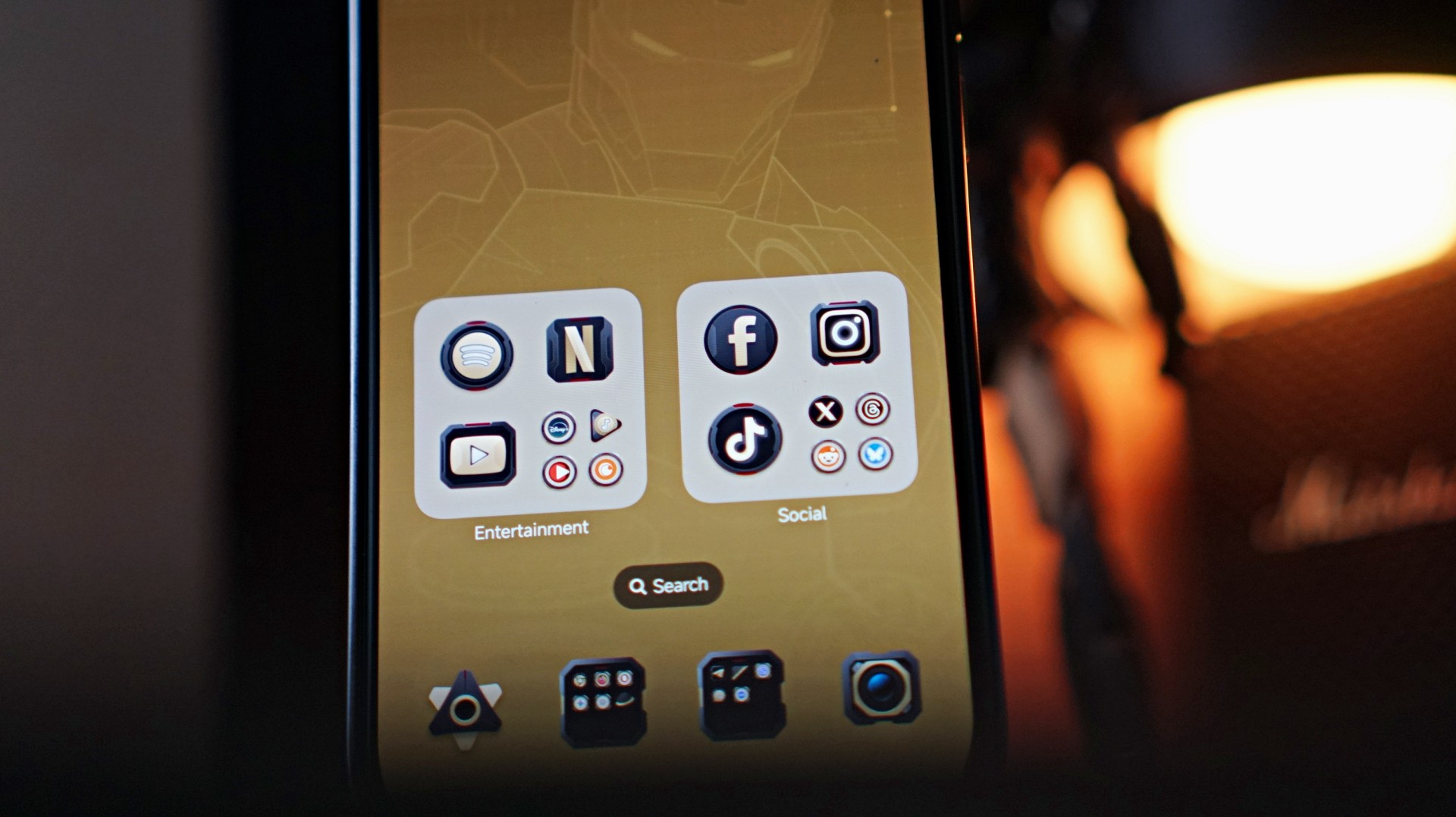
The Iron Man theme also extends to the phone’s software. POCO applies the Stark-inspired “armor” across the system UI, most noticeably on the app icons. Naturally, not every app has a custom icon, so unsupported ones are wrapped in a circular frame that resembles the Arc Reactor on Iron Man’s chest. It’s a small touch, but it helps the theme feel more cohesive across the entire phone.
Of course, underneath all that Stark-inspired styling is still a very familiar POCO midrange smartphone.
Performance: Steady for everyday tasks
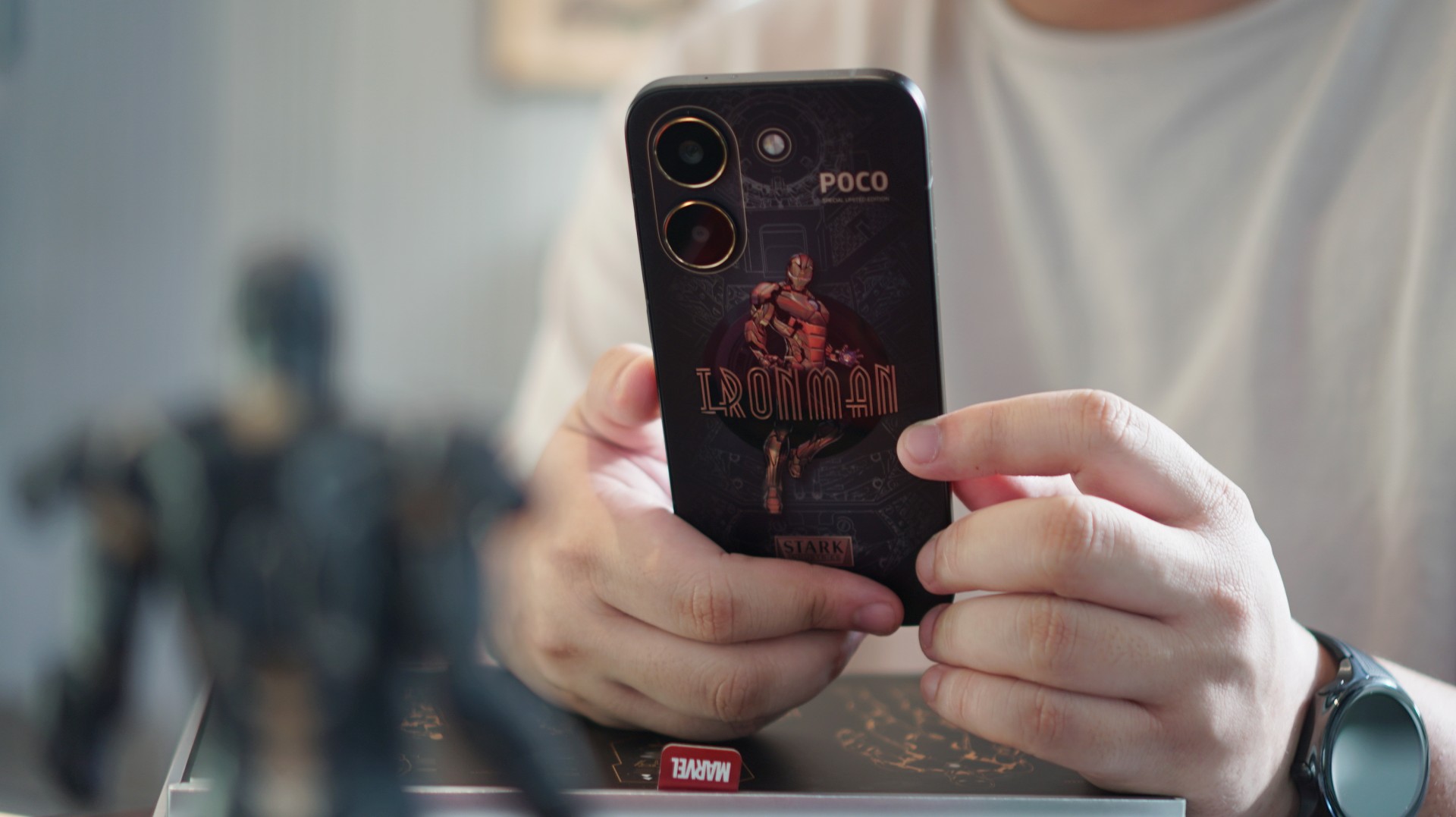
Under the hood, the POCO X8 Pro Iron Man Edition is powered by the Dimensity 8500-Ultra processor paired with 12GB of RAM and 512GB of storage.
In daily use, performance is steady for most casual smartphone tasks.
I spent a lot of time doing the usual things — browsing websites, scrolling through reels, TikToks, and what-have-you. Everything felt smooth and responsive throughout.
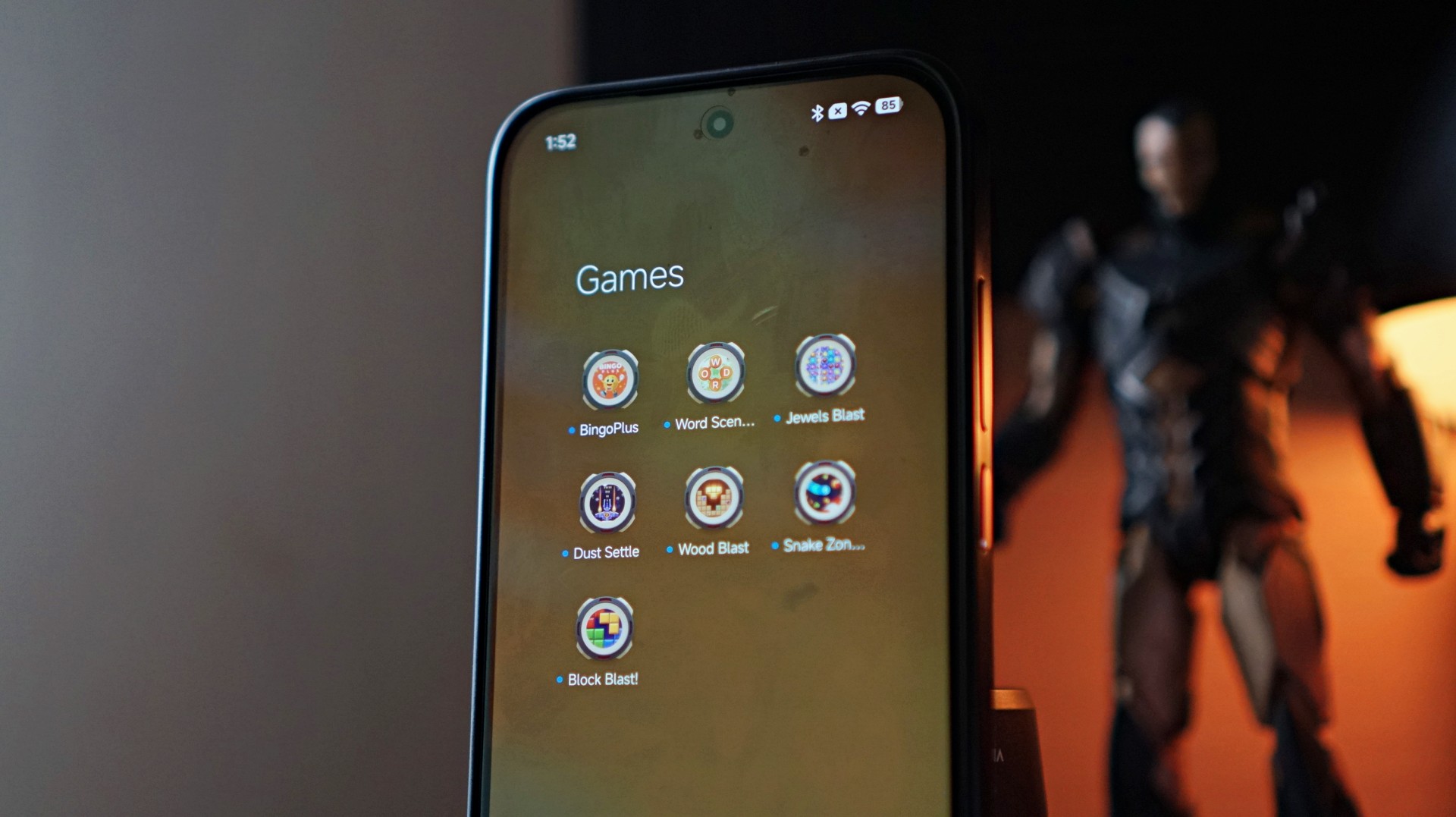
Like with anything related to Xiaomi, you do get the usual preinstalled apps and occasional ads within the interface. It’s something longtime users of the ecosystem will already be familiar with, but it’s still worth mentioning.
Gaming performance is also respectable.
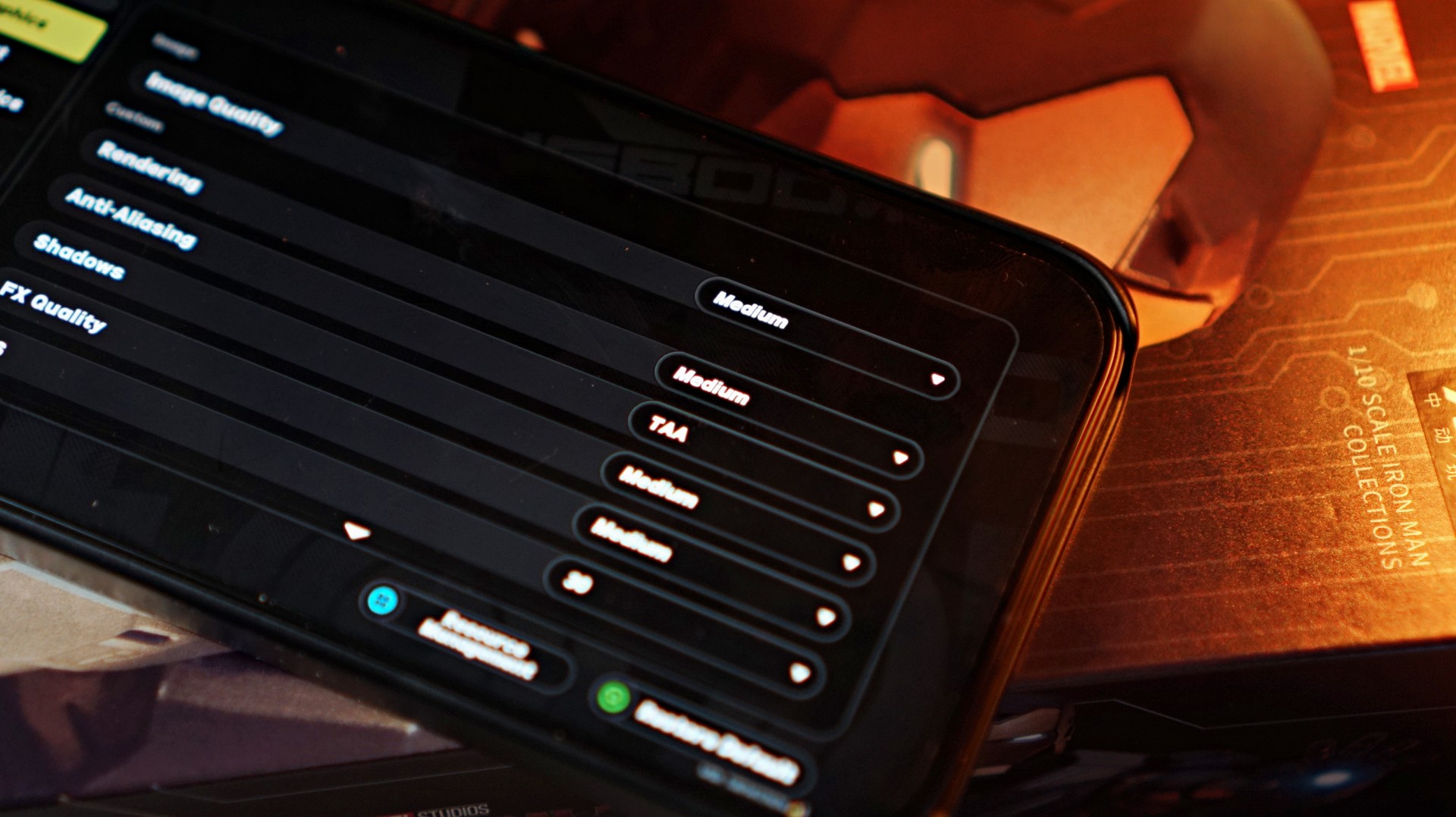
I fired up Zenless Zone Zero, and the default graphics configuration was set to Medium. That setup actually worked quite well, ensuring that the action-packed gameplay — complete with plenty of particle effects on screen — stayed smooth.
The lower resolution didn’t feel like much of a compromise either, especially on the phone’s 6.59-inch display.
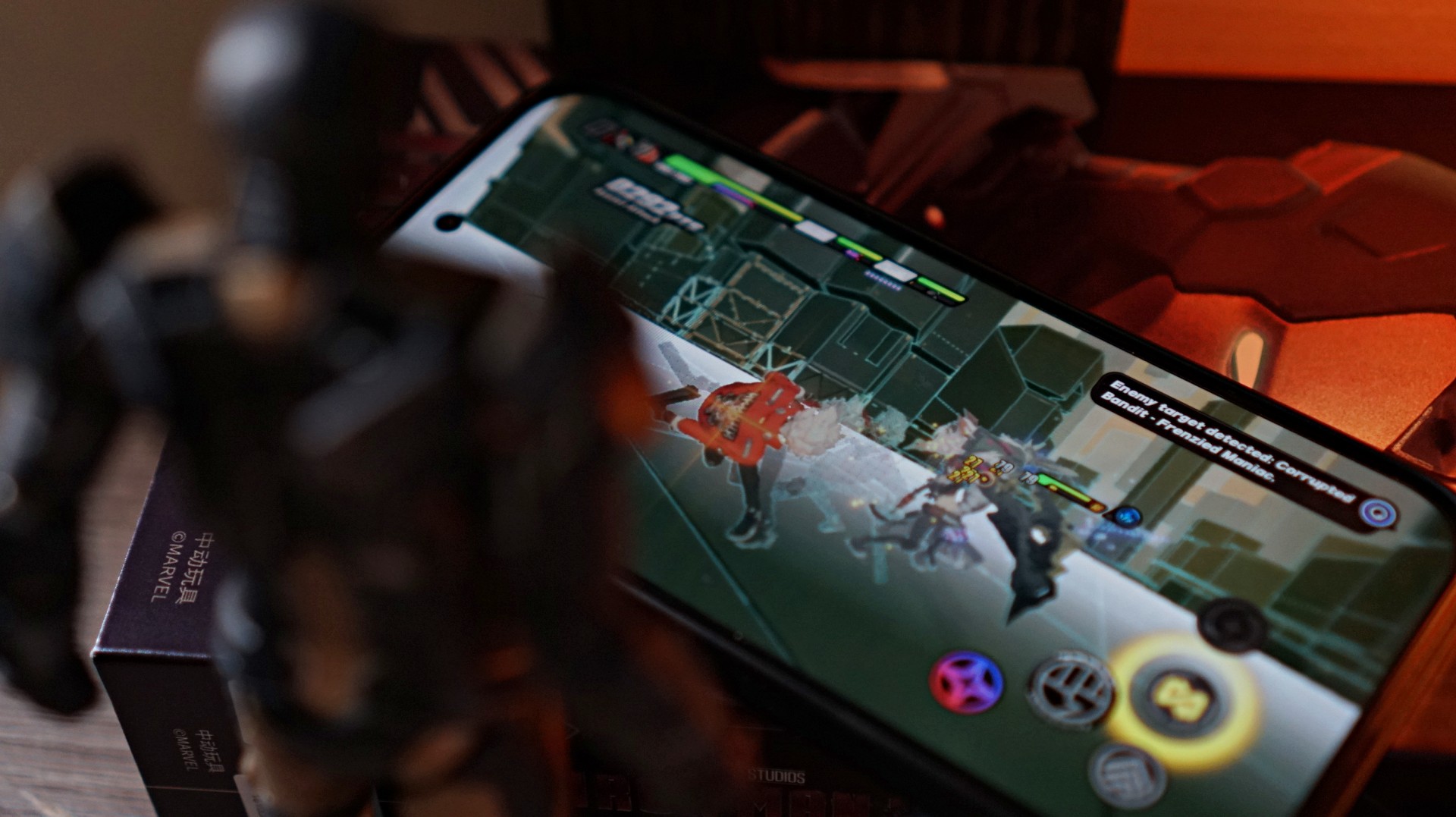
For a midrange device, the overall experience is stable and dependable, which is exactly what most users in this segment are looking for.
Display and media consumption
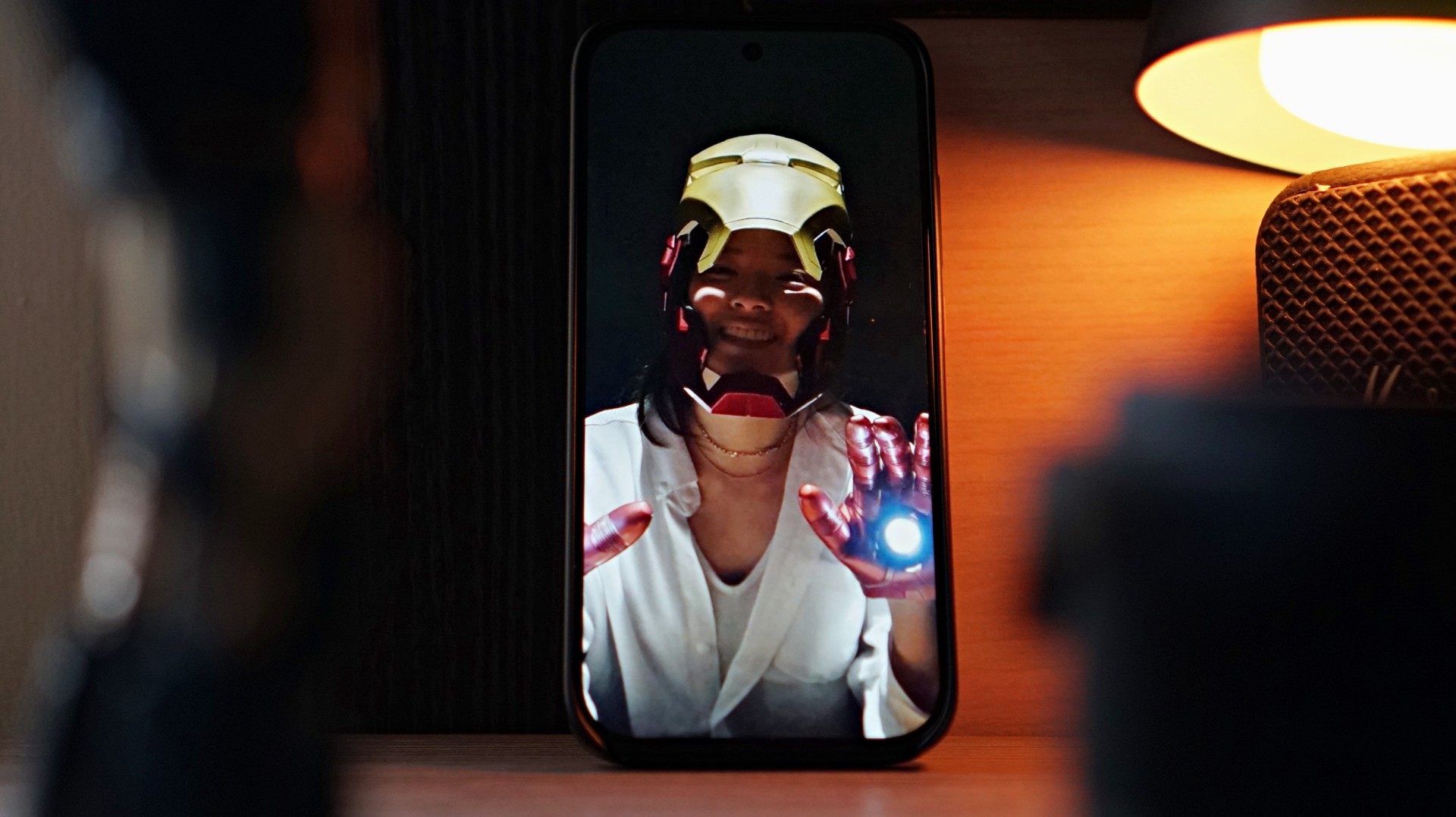
The 6.59-inch AMOLED display delivers exactly what you would expect from a midrange device today.
It’s above average and quite serviceable. It’s not going to wow you, but you’re definitely not going to feel shortchanged either.
Colors look vibrant, brightness is more than enough for most situations, and the 120Hz refresh rate keeps scrolling and animations smooth.
Now Playing: Iron Man 3
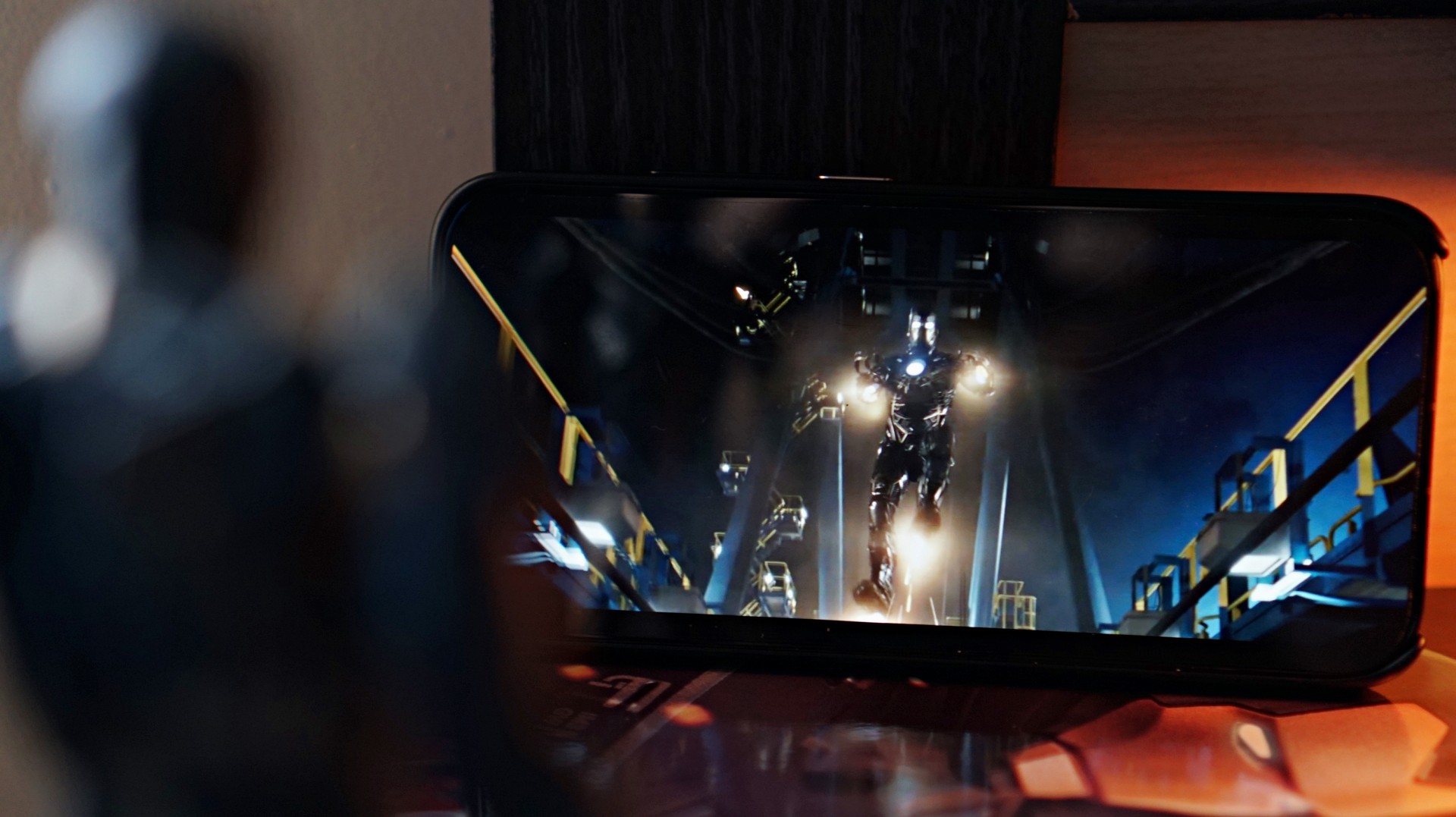
To stay on theme, I decided to watch a bit of Iron Man 3 on the phone.
The display does its job well, delivering clean and crisp visuals during playback. Explosions pop nicely on screen, and darker scenes still retain decent clarity.
The stereo speakers are fine for casual viewing, but you’ll probably want to use headphones if you’re looking for a truly satisfying audio experience.
Overall, media consumption falls somewhere in the average to above-average range — which is also a pretty accurate way to describe how the movie itself was received when it first came out in 2013.
Battery and charging
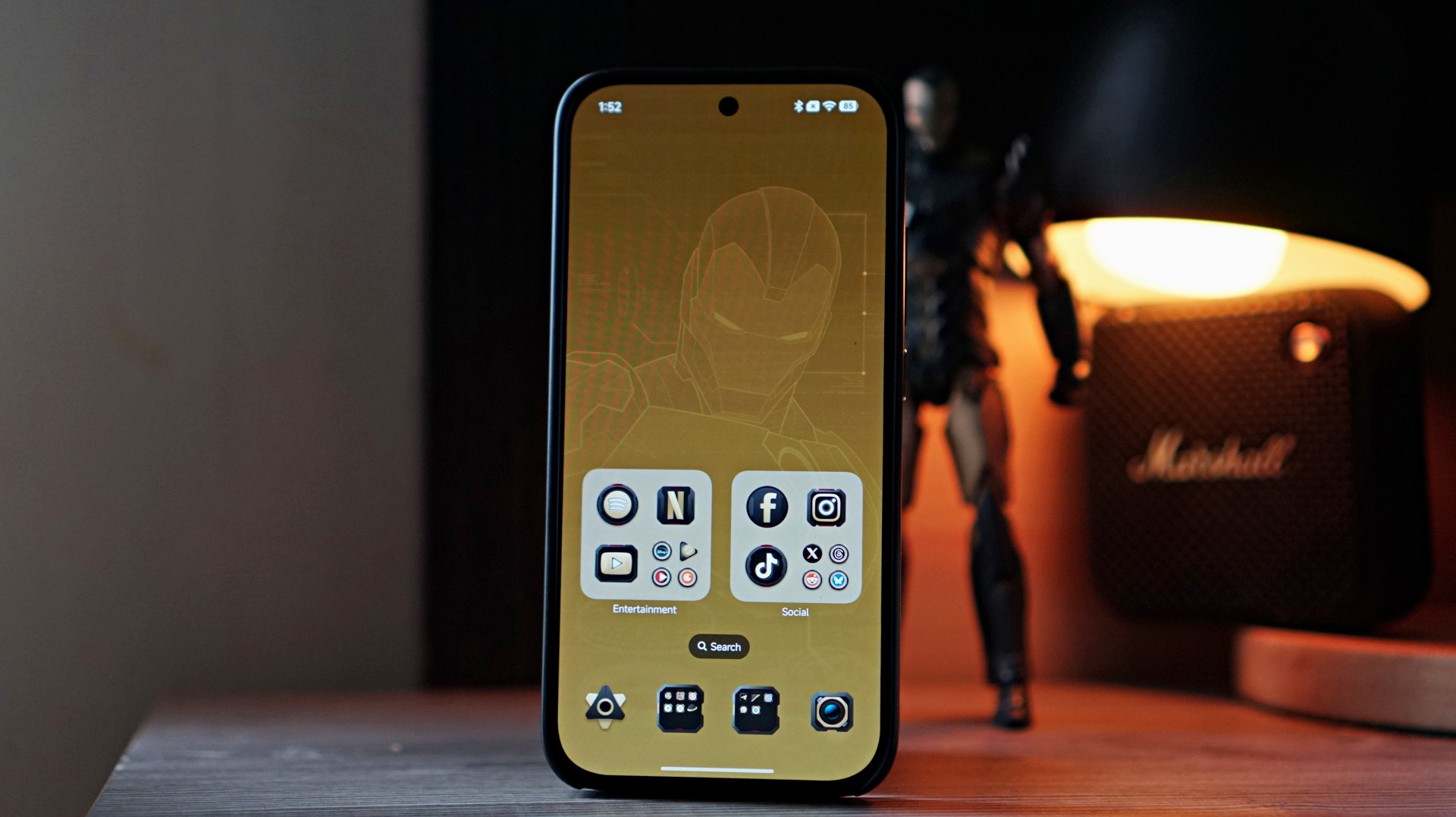
Battery life is one of the stronger aspects of the POCO X8 Pro Iron Man Edition.
The phone packs a large 6500mAh battery, which easily lasts a full day with moderate usage.
That includes a mix of social media browsing, watching videos, messaging, and the occasional gaming session.
Charging is also impressively fast.
Going from 50% to full takes about an episode and a half of an anime — roughly around 30 to 35 minutes. It’s quick enough that topping up the phone during short breaks becomes very convenient.
For a device in this price range, the combination of a large battery and fast charging makes the phone feel reliable throughout the day.
Cameras: right where you expect them
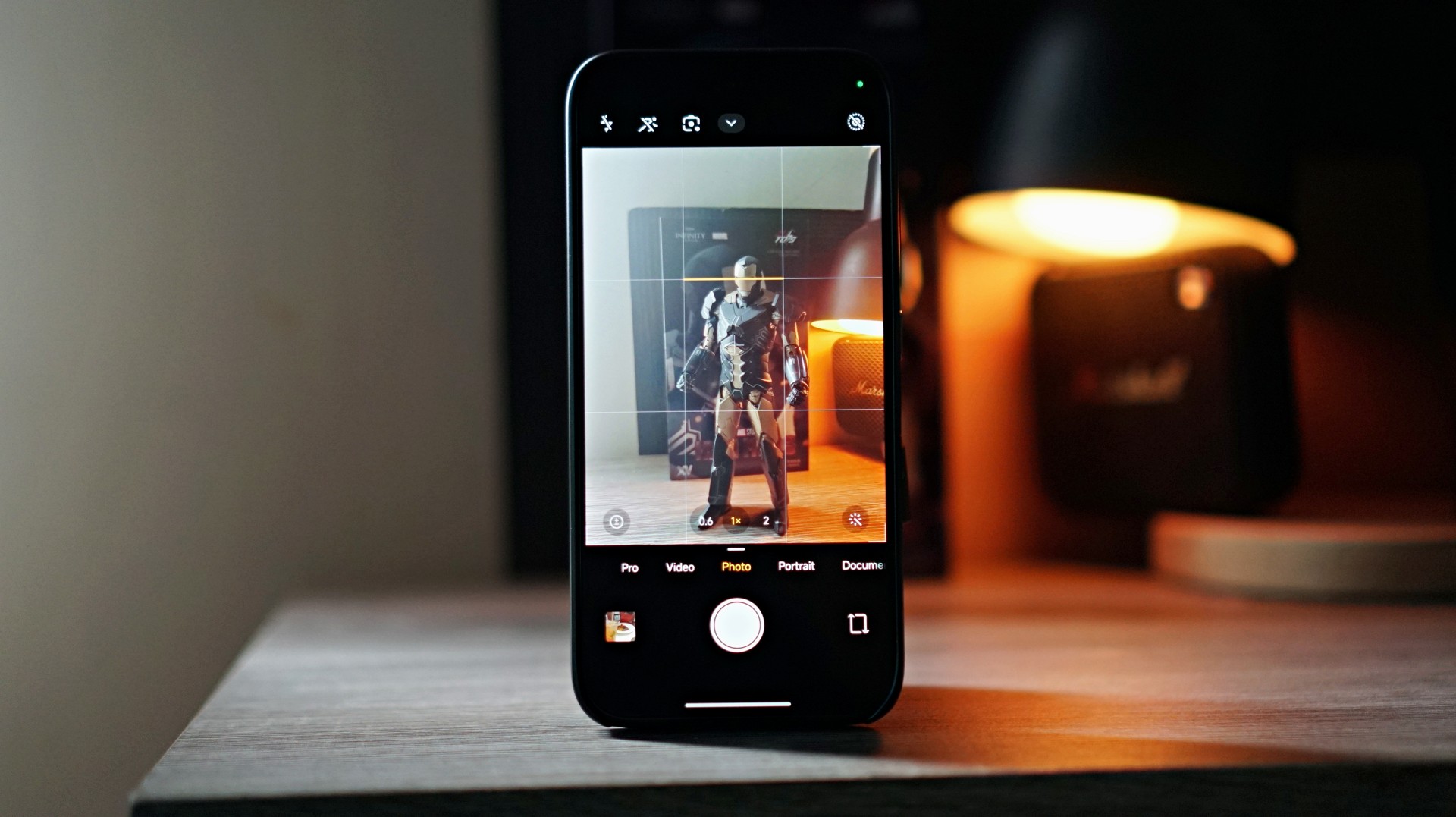
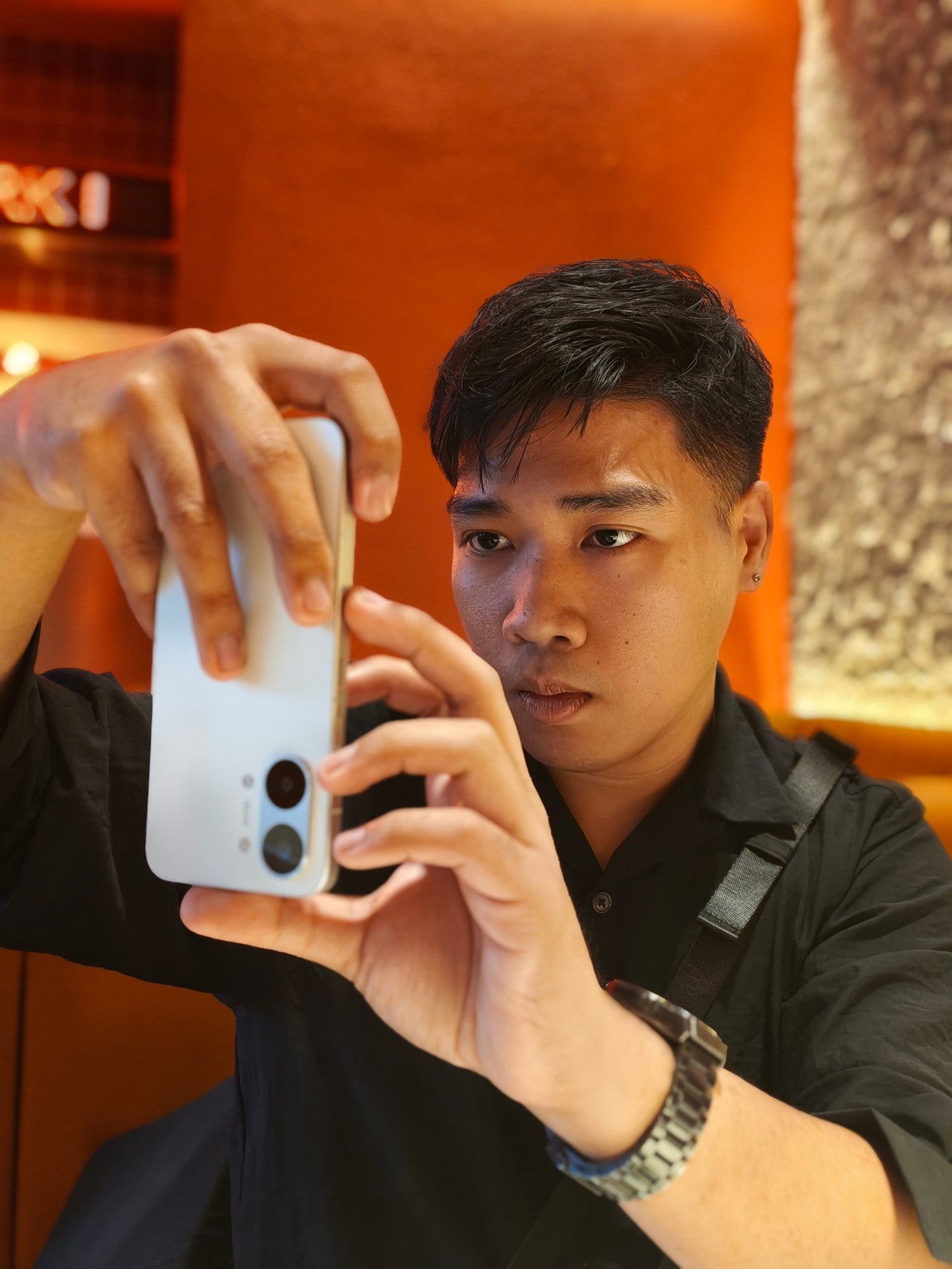
Camera performance is exactly where you’d expect it to be for a midrange smartphone.
Photos are perfectly fine for casual social media posts, but they’re not going to compete with higher-end flagship devices.






One thing to watch out for is the difference in image output between focal lengths. Switching between the ultrawide (0.6x), 1x, and 2x zoom can produce noticeably different results in terms of color and overall look.


In fact, even using the same lens can sometimes produce varying results depending on lighting conditions.


Images tend to have a slightly warm tone with a bit of extra contrast. Lighting plays a big role in how the final photo turns out, so results can vary quite a bit from shot to shot.
Selfies show similar behavior. Taking photos with and without the beauty filter can sometimes result in different exposure levels, which feels a bit odd.
-

- Beauty filter ON
-

- Beauty filter OFF
The best way to approach this camera system is to take multiple shots of the same scene. It may sound tedious, but snapping two or three photos increases the chances of getting one that looks just right.








The easiest way to describe the overall camera experience is inconsistent. If you’re the type who takes several photos before picking the best one to post on social media, you’ll probably be fine. But if you prefer reliable point-and-shoot results, it might take a bit more patience.
A curious collaboration
Iron Man has remained one of the most iconic characters in the Marvel universe ever since his silver screen debut in 2008.
But interestingly, there hasn’t been much happening around the character since the events of Avengers: Endgame.
While Robert Downey Jr. is set to return to the MCU as Doctor Doom in the upcoming Avengers: Doomsday, the lack of any current Iron Man storyline makes this collaboration feel a little unexpected.
That doesn’t necessarily make it a bad one, though.
The POCO X8 Pro Iron Man Edition looks good, the box and packaging are genuinely impressive, and the themed design adds a bit of personality to what is otherwise a very familiar smartphone.

For hardcore Iron Man collectors, the appeal is obvious.
For everyone else, it’s essentially a solid midrange phone dressed in superhero armor. And if it lands somewhere close to the previous Iron Man Edition’s price of around PhP 22,999 (In the Philippines), it will likely hit exactly the audience it’s meant for — fans who don’t mind spending a little extra for a collector-style device.
It may not be the most exciting smartphone in the midrange category, but it’s still a fun collaboration nonetheless.




Now Playing: Hoppers

Jackery SolarSaga series: Free power for small devices

UGREEN adds new Nexode Pro power bank, charger to lineup

nubia to launch new Neo 5 series gaming phones on March 28

SHINOBI: Art of Vengeance’s SEGA Villains Stage out on April 3


-

 Reviews5 days ago
POCO X8 Pro Max review: A new beast from the far east
-

 News5 days ago
POCO X8 Pro Series: Price, availability in the Philippines
-

 Laptops2 weeks ago
Apple MacBook Neo Review
-

 Computers2 weeks ago
GIGABYTE collaborates with Capcom for RE Requiem custom PC
-

 Apps1 week ago
Google Maps is finally getting a 3D mode
-

 Entertainment2 weeks ago
The internet is thirsting over the One Piece Season 2 cast
-

 Features1 week ago
Galaxy AI on the Samsung Galaxy S26 Ultra
-

 Automotive2 weeks ago
BYD is reportedly considering an F1 team