
Enterprise
These are the tech companies censoring anti-China protests
Wave of Chinese censorship hits Western companies


After going through today’s global news, you might find yourself wondering: what the hell is going on with China? As of late, the country has absolutely dominated headlines all over the world. If you don’t live in any China-owned territory, these headlines are very likely about the recent controversies surrounding Western companies.
Following the wave of pro-democracy protests in Hong Kong, China has started controlling disseminated information about the incidents. Of course, the controversy of Chinese censorship has always existed throughout modern history. However, this time around, the Chinese government is tapping its resources in the corporate world.
Western companies have also started censoring pro-Hong Kong sentiments among their representatives and official channels. Naturally, the general public is largely accusing these companies of selling out to the Chinese money-making regime.
Most of the corporate clout has eked out only this week. However, the controversy has existed as early as the first major Hong Kong protest. Let’s run through this tenuous history.
Come fly the hostile skies
Naturally, the first spark of Chinese censorship started in Hong Kong’s home turf. In August, the protests came to a huge head when protestors swarmed the Hong Kong International Airport, grounding several flights for several days. In the middle of all this, Hong Kong’s own Cathay Pacific found itself in a corporate nightmare. Who should the company (and its employees) support: China or Hong Kong?
Unsurprisingly, several Cathay Pacific employees have come out in support of the protests. The higher-ups were not happy. Spurred by Chinese intervention, the company’s managers have suspended employees involved in the protests.
Because of the relative infancy of the issue, Cathay Pacific’s troubles drowned in a sea of larger protests that followed the airport protest.

Clock’s TikTok-ing
The tech world got its first taste of Chinese intervention through the popular short-video social media app, TikTok. Created by the Chinese developer ByteDance, TikTok is a lot more susceptible to government intervention. Case in point, the app has banned all anti-China content. The ban covers any mentions of Tiananmen Square and Tibet.
Strangely enough, TikTok was created for a more global audience, compared to the developer’s more Chinese-targeted Doujin app. Regardless, TikTok enforced the more stringent ruling across the entire platform. The ban was the world’s first taste of Chinese censorship. Unbeknownst to the world at the time, the situation was about to get worse.

Houston, we have a problem
This week, NBA started the larger party. Houston Rockets general manager Daryl Morey tweeted a pro-Hong Kong image. The image came with the statement, “Fight for Freedom. Stand with Hong Kong.” The obvious political opinion was shut down immediately after the tweet. NBA heads, including Rockets owner Tilman Fertitta and commissioner Adamn Silver, reiterated that individual opinions don’t represent the organization. Morey himself issued an apology soon after.
Unfortunately, the damage was done on both sides. Chinese companies have suspended cooperation with the NBA, especially with the Houston Rockets. Yao Ming’s own Chinese Basketball Association ceased its partnership with the Texan team. Tencent. Additionally, Tencent has ceased its livestreams of NBA matchups with the Rockets. Nike has also pulled its Houston Rockets merchandise from its Chinese stores.
On the Western end, the general public is calling for more integral responsibility on the part of the NBA. The NBA has always touted itself as an inclusive organization, drafting players from all over the world. The inclusivity, however, does not apply when profits are involved, according to Western protests.
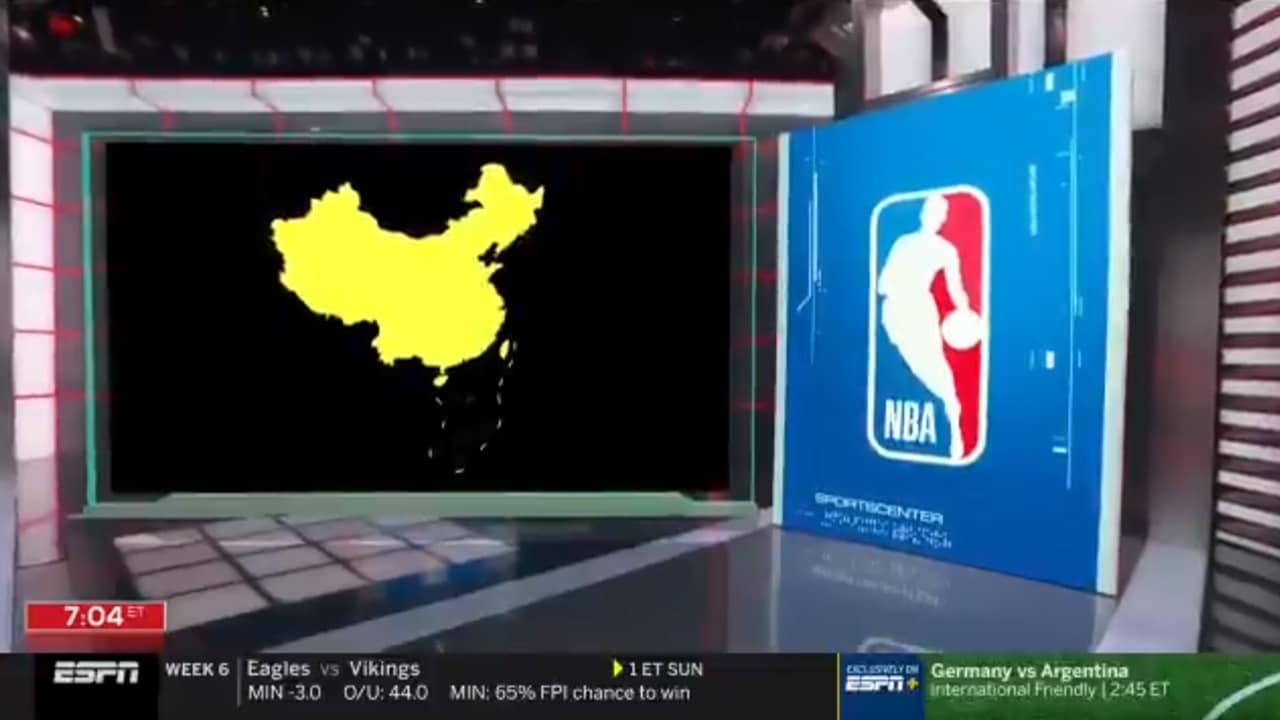
Image source: Reddit
Related to this, the ESPN has also stopped reporting on any of the NBA’s political opinions. Curiously, the broadcast company has recently televised a map of China. The map includes the 9-dash demarcation line that represents the country’s claims on the disputed South China Sea.
An Apple a day doesn’t keep China away
Concurrent with NBA’s woes, Apple has also found itself in the crossfire. Recently, the Chinese government has urged the company to pull offensive apps from the App Store in the region. The order includes HKmap.live and the Quartz news app. Apparently, these apps revealed critical police movements to protestors who had the app. Soon after, Apple gave in, joining the growing number of companies succumbing to Chinese pressure.
Apple pulled the apps. The company’s head honcho issued an embattling defense for his actions. In an internal memo, he said:
“However, over the past several days we received credible information, from the Hong Kong Cybersecurity and Technology Crime Bureau, as well as from users in Hong Kong, that the app was being used maliciously to target individual officers for violence and to victimise individuals and property where no police are present. This use put the app in violation of Hong Kong law.”
However, Hong Kong protestors have disputed his claims, reiterating the obvious political motivation behind the move. Like the NBA, Cook’s statement is remarkably non-confrontational, seeking to please both sides in the conversation.
Not a-MEI-zing
Videogame company Blizzard is likewise facing immense backlash for similar decisions. Earlier this week, Blizzard censored and banned a professional Hearthstone player, Blitzchung, from its tournaments. The ban also strips him of prize money that he fairly won at a recent tournament. In that tourney, he went off on a pro-Hong Kong tirade during his victory speech. “Liberate Hong Kong, revolution of our age,” he declared. The speech was immediately cut short and removed from Blizzard’s official channels.
More than the NBA or Apple, Blizzard’s action sparked humungous global outrage. The fine went beyond simple censorship, stripping a worthy winner from rightful prizes. In defense, Blizzard invoked its right to penalize players for offending significant portions of the population.
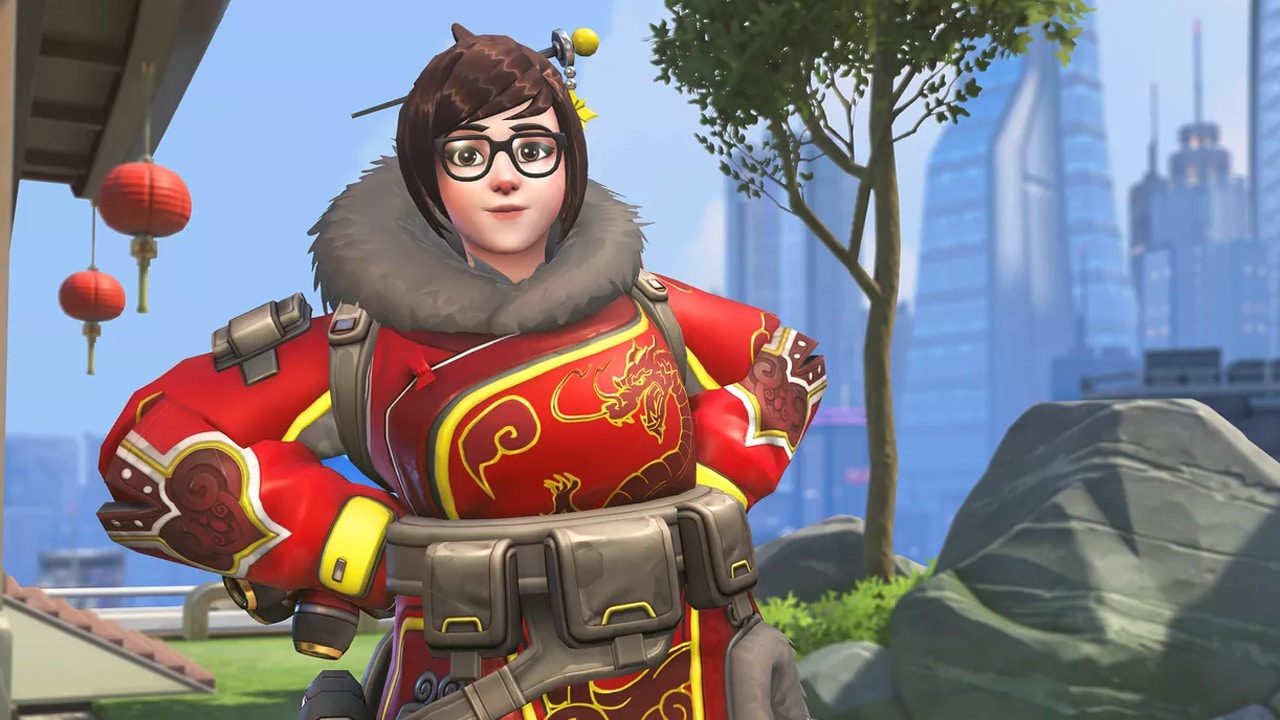
Regardless, the public is already calling for a huge boycott against Blizzard’s products. Gamers have started unsubscribing and uninstalling popular games World of Warcraft and Overwatch. American lawmakers have asked for formal investigations against Blizzard’s actions. Pro-Hong Kong protestors have also started using a Chinese Overwatch character, Mei, as one of their protest icons. On the other hand, rivaling game companies have come out in support for Blitzchung.
The cost of luxury
Outside of the tech world, the lifestyle industry is also feeling the pressure. Apparel brands Gap and Zara have recently altered their websites. Previously, their websites included Taiwan and Hong Kong as individual countries, which China has requested to change.
People are also investigating whether Disney is censoring Winnie the Pooh in certain countries. According to a Reddit thread, Winnie the Pooh’s official site redirects to Disney’s official site in some countries. The internet has compared Winnie the Pooh’s appearance to President Xi Jinping, sparking a Chinese war against the cartoon character.
After this week, the corporate world is on notice. Who are they siding with? For some, the temptation of more profits is more important. For others, their integrity remains intact.






Enterprise
Cebu Pacific becomes 1st SEA low-cost carrier with Starlink Wi-Fi
Rollout expected to begin in 2027

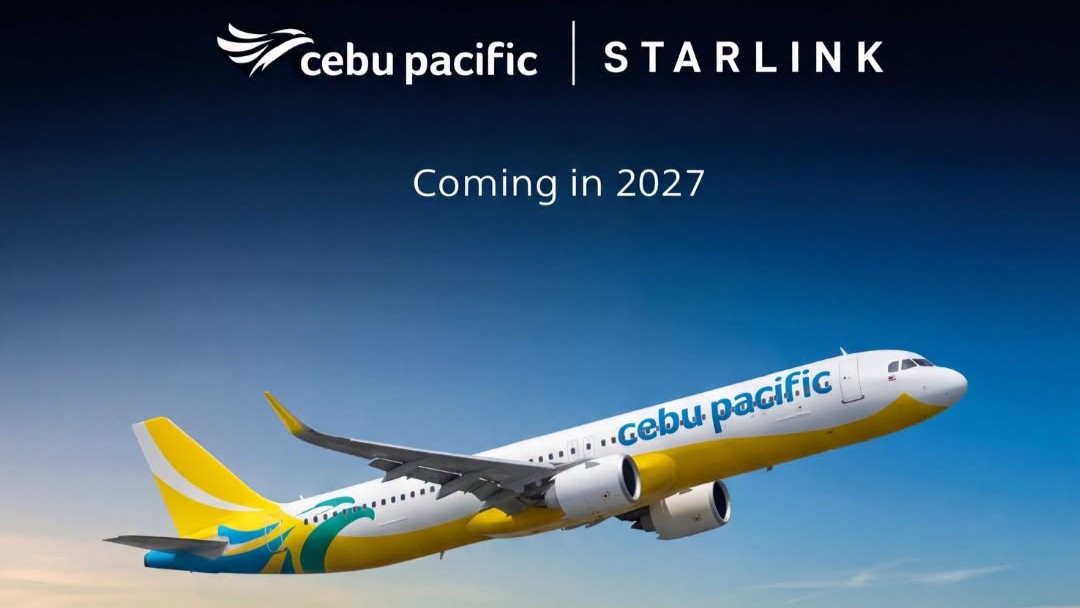
Cebu Pacific has introduced Starlink, making it the first low-cost airline in Southeast Asia to bring Wi-Fi in the sky for passengers.
The rollout is expected to begin in 2027. Starlink delivers an unparalleled broadband experience inflight, with high-speed, low-latency Wi-Fi capable of HD streaming, online gaming, productivity and more.
Beyond enhancing the passenger experience, Starlink will also support improved operational connectivity for Cebu Pacific’s flight crews and operational teams. This enables better operational efficiency.
The collaboration is a significant milestone for Philippine aviation. The rollout forms part of Cebu Pacific’s continued investment in customer experience and digital innovation.
As part of the partnership, Cebu Pacific and Indigo Partners portfolio airlines, Wizz Air, and JetSMART expect to install Starlink on over 1,000 aircraft.
Enterprise
Google ordered to pay EUR 4.1 billion in fines
The EU alleges that Google uses its apps to establish an unfair dominance.
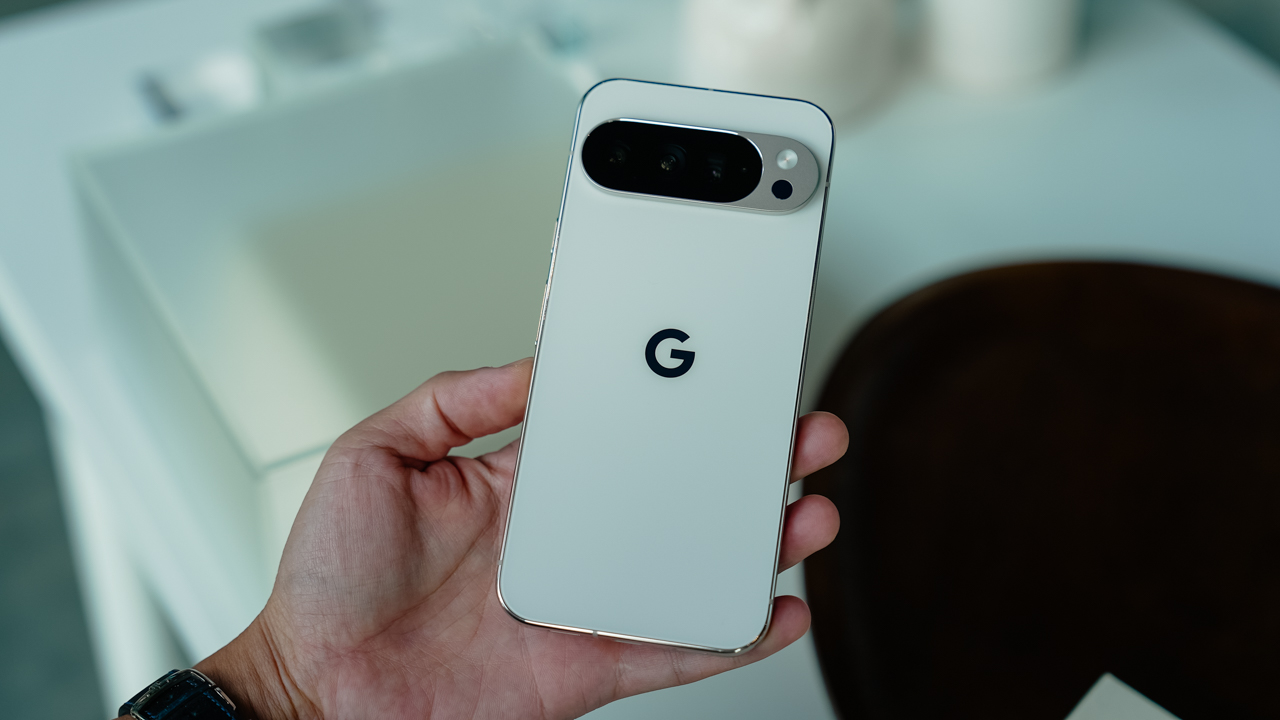
European fines have unintentionally become a normal part of doing business in the American technology space. For too long have American companies paid paltry fines to prevent harsher regulation in the European Union. Now, for the first time, Google is about to pay a record-breaking fine that goes beyond “paltry.”
Today, via CNBC, Google has been ordered to pay an astonishing EUR 4.1 billion (or approximately US$ 4.67 billion) in fines. The fine is in response to an anti-competition case.
This has been a long time coming for Google. The original case started in 2018. At the time, the European Union accused the brand of using anti-competitive practices to ensure its dominance in the smartphone market. According to the courts, the company’s bundling of first-party apps for every Android smartphone gives them an unfair advantage in the market and lessens the user’s choice in selecting apps.
For years, Google has fought the fine to seemingly no avail. Now, the company has lost its final attempt, which means that the fine still stands. On the bright side, they did get it reduced from the original EUR 4.34 billion fine.
The European Union is the scourge of every American tech company (and a godsend to consumers). Most notably, the continent’s government forced Apple to adopt USB-C, leading to a more universal experience across brands.
Google’s hefty fine aims to do the same. And it is quite hefty. Whereas previous fines were in the millions (and hence, negligible for most companies), a fine in the billions is more tangible.
Apps
foodpanda relaunches cult-favorite roast chicken brand after 8 years of persistent search queries
Heritage chain Andok’s returns to the platform, driven entirely by long-term user analytics.


In the world of e-commerce and food delivery, platform algorithms usually dictate what consumers see. But occasionally, consumer behavior is so relentless that it shapes the platform’s strategy.
In a move driven entirely by long-term user analytics, foodpanda has officially relaunched Andok’s, one of the Philippines’ most iconic heritage rotisserie chains, back onto its platform after an eight-year absence.
The search bar as a digital wishlist
The decision to ink the partnership wasn’t just a marketing play. It was a response to an ongoing data anomaly. Despite being offline from the foodpanda platform for eight years, Andok’s consistently ranked as one of the most-searched merchants on the app.
Year after year, users treated the empty search results page as an unofficial wishlist. This persistent search intent gave foodpanda a clear, data-backed signal of pent-up demand.
Prior to the official digital rollout, teaser campaigns on social media validated this demand, generating thousands of organic interactions from users anticipating the return.
Bridging heritage flavor with digital infrastructure
For foodpanda, onboarding a merchant with this level of built-in demand fits its broader strategy of marketplace optimization and hyper-local network expansion, turning a heritage brand into another data point for how legacy retail plugs into delivery infrastructure.
For Andok’s, the integration works as a fast track to digital scale. A legacy quick-service chain skips years of independent app development and reaches customers already using foodpanda’s existing logistics network, on a platform they already check daily.
Andok’s built its following on charcoal spit-roasted chicken, a slow-cooked technique that’s stayed largely unchanged since the brand’s early days, alongside seasoned grilled pork belly.
More recently, the Dokito line extended that following into crispy fried chicken and chicken burgers, broadening the brand’s appeal beyond its original rotisserie format and giving foodpanda a menu with both heritage pull and everyday fast-food convenience.

realme C100: Enduring and durable in spite of entry-level realities
Enough power but needs more agility

The ASUS ExpertBook Ultra wins you over
The laptop sneaks up on you

Nexal Watch Sport review: A rugged watch for small budgets
I couldn't believe that watches this good could come for this cheap.

VinFast debuts two-wheeler models, opens 21 e-motorcycle showrooms

Samsung’s bet on the future of connected health: Less data, more action

Rain or shine, MOVE IT’s new commuter kit has you covered

Call of Duty: Modern Warfare 4 clip shows Losing Ground 1st look

Street Fighter special look: Blanka vs. Ryu

New York becomes first state to ban smart glasses

Sony launches IER-M500 in-ear monitors

Microsoft dictates that a new Fallout game is coming

HoYo FEST 2026 details announced; tickets on sale from July 16
realme C100: Enduring and durable in spite of entry-level realities


-

 Wearables2 weeks ago
Garmin launches its first screenless fitness band
-

 Hands-On2 weeks ago
Hands-on: Samsung Galaxy Z Fold8, Flip8, Ultra
-

 Gaming2 weeks ago
NBA 2K27 cover athletes unveiled: Wemby, Clark, DRose
-

 Accessories1 week ago
CASETiFY revives Spider-Man collection for Brand New Day
-

 Cameras2 weeks ago
Sony announces new FX5 full-frame camera
-

 Gaming1 week ago
FINAL FANTASY X | X-2 HD Remaster launches on Nintendo Switch 2
-
 Entertainment2 weeks ago
Avengers: Doomsday trailer assembles Marvel’s biggest heroes against Doctor Doom
-

 Computers1 week ago
AORUS MASTER 16 Gen 2 2026 AI gaming laptop launches