
News
Samsung is still the top smartphone vendor in the world


The numbers are out! The International Data Corporation (IDC) published their preliminary results for the second quarter of 2017, and it seems like Chinese smartphone brands are inching closer to the top.
Still at the number one spot is Samsung with a 23.3 percent market share and 79.8 million shipments. Playing a major role in the success are the Galaxy S8 and Galaxy S8+. The victory of the South Korean company is not solely dependent on their flagships, as the mid-range Galaxy A and budget Galaxy J series are also doing well for other markets. With the Galaxy Note 8 announcement later this month, Samsung could look forward to greater numbers for the third quarter.
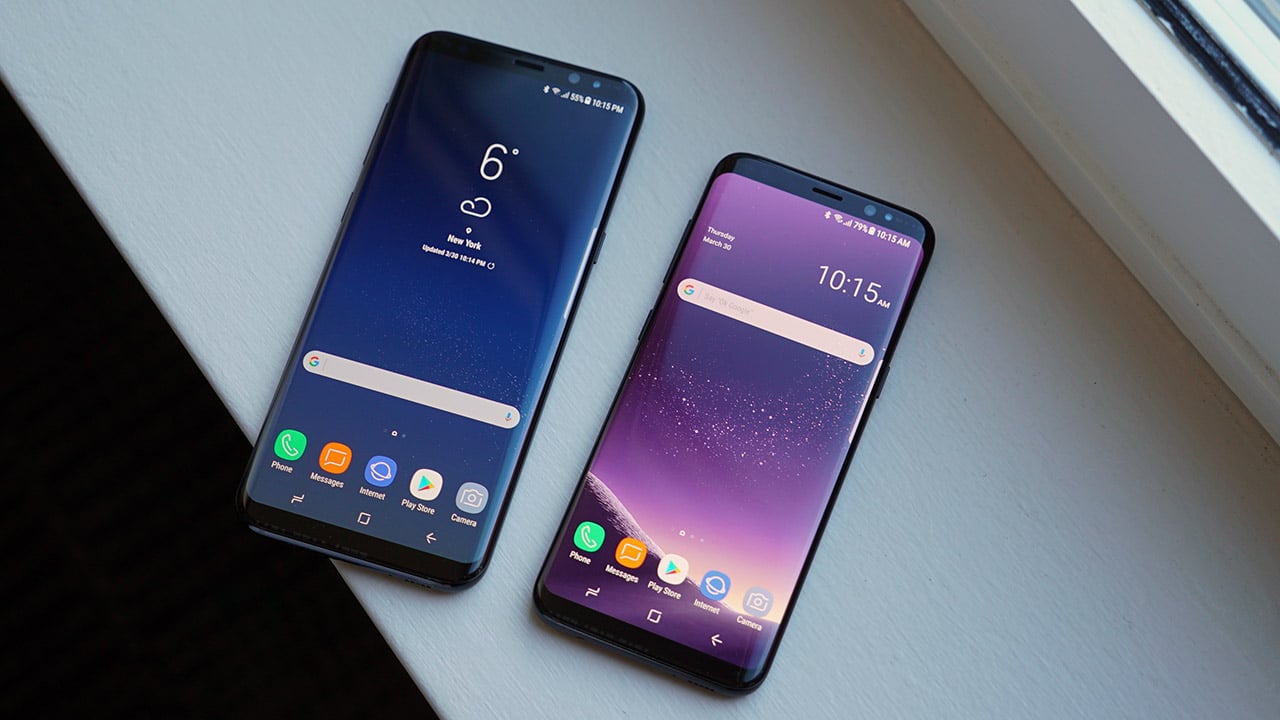
Samsung Galaxy S8+ and Galaxy S8
Second in line is Apple with a 12 percent market share and 41 million shipments. While the Cupertino company has yet to unveil its new smartphone, the iPhone 7 and iPhone 7 Plus are doing well in the high-end market. Compared to last year, the new iPhones are doing better than the iPhone 6s and 6s Plus, but with just a marginal growth of 1.5 percent year-over-year.
Not far behind is Huawei with a 11.3 percent market share and shipment posting at 38.5 million. Huawei is currently the top Chinese smartphone brand worldwide with a growing grasp of the European market. With a year-over-year change of a positive 19.6 percent, Huawei is on its way to overthrow Apple’s place. Driving the sales of the company is its flagship P10 series, Mate 9 phablet, and the more affordable Honor series.

Huawei P10
OPPO remains in the fourth position with a 8.1 percent market share and 27.8 million shipments. Just like with Huawei, OPPO has gained a positive 22.4 percent growth as it expands outside of China. OPPO is already doing well in Southeast Asia thanks to its marketing stand on camera performance — with a big focus on selfies.
Back in the top five is Xiaomi with a modest 6.2 percent market share and 21.2 million shipments. Compared to the same period last year, Xiaomi has the biggest growth among smartphone brands with a 58.9 percent year-over-year change. Even in China, the company made a big jump due to their bang-for-buck devices. It shouldn’t be a surprise; we all know that Xiaomi offers the best hardware for every price segment.
While these five brands enjoy growth, overall smartphone shipments declined by 1.3 percent compared to the same quarter of 2016 and also down by 0.8 percent from the first quarter of this year. Have people started to crawl away from smartphones? Well, that’s highly unlikely, unlike the descending trend of consumer tablets.
SEE ALSO: Chinese phone brands are (unsurprisingly) taking over Asia
[irp posts=”17020″ name=”Chinese phone brands are (unsurprisingly) taking over Asia”]




Automotive
Mercedes-Benz holds a Welcome Home campaign to celebrate 140 years
Get freebies and discounts from now until the end of July.

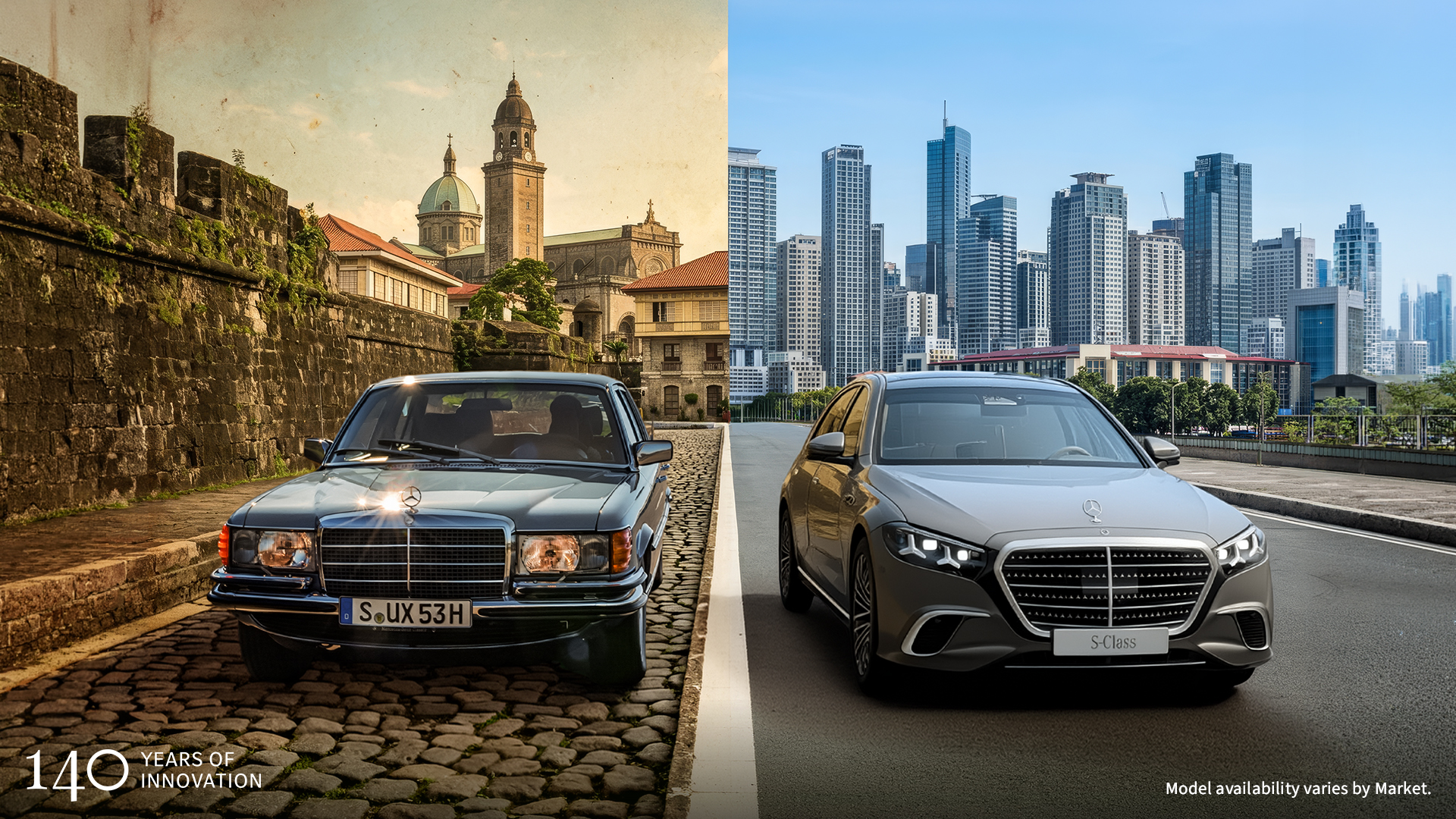
Mercedes-Benz has been an important part of Filipino car culture. Stylized as the “Chedeng,” the brand’s cars are still worthy choices today. Now, to celebrate their 140th anniversary, Mercedes-Benz is launching the Welcome Home Campaign, offering treats and discounts for Filipino drivers.
From now until the end of June, new Mercedes-Benz owners can get an exclusive 1886 Benz Patent Motorwagen Replica. The limited-edition replica represents the history of brand’s innovations in the motoring space.
Similarly, until the end of the month, interested customers can start their Benz journey for downpayments as low as PhP 140,000. Discounted prices, however, will go on until the end of July:
| MODEL |
Original Price |
Discounted Price |
CLA 200 Progressive |
PhP 3,990,000 |
PhP 3,490,000 |
C 180 Avantgarde |
PhP 3,990,000 |
PhP 2,990,000 |
GLB 200 AMG Line |
PhP 4,590,000 |
PhP 4,090,000 |
GLC 200 4MATIC |
PhP 5,190,000 |
PhP 4,690,000 |
EQB 250+ Electric Art |
PhP 4,290,000 |
PhP 4,090,000 |
EQE 300 Electric Art Sedan |
PhP 5,590,000 |
PhP 3,990,000 |
EQE 350+ AMG Line Sedan |
PhP 6,290,000 |
PhP 4,690,000 |
EQS 450 4MATIC AMG Line Sedan |
PhP 9,990,000 |
PhP 7,490,000 |
Mercedes-AMG CLA 35 4MATIC |
PhP 5,719,000 |
PhP 5,519,000 |
Mercedes-AMG GLB 35 4MATIC |
PhP 5,719,000 |
PhP 5,219,000 |
If you already own a Chedeng, Mercedes-Benz will show some love by offering special aftersales initiatives throughout the campaign period. Additionally, there will be more roadshow activations happening the entire year to showcase the latest in the Benz lineup.
Finally, if you have a Chedeng story of your own, Mercedes-Benz is inviting long-time fans to share their stories on social media by tagging the official Mercedes-Benz Philippines account and using the hashtags #Chedeng and #140YearsofInnovation. Featured users can win exclusive Benz merchandise.
Gaming
Ubisoft co-founder dies in plane crash
Claude Guillemot was one of five brothers that founded Ubisoft.
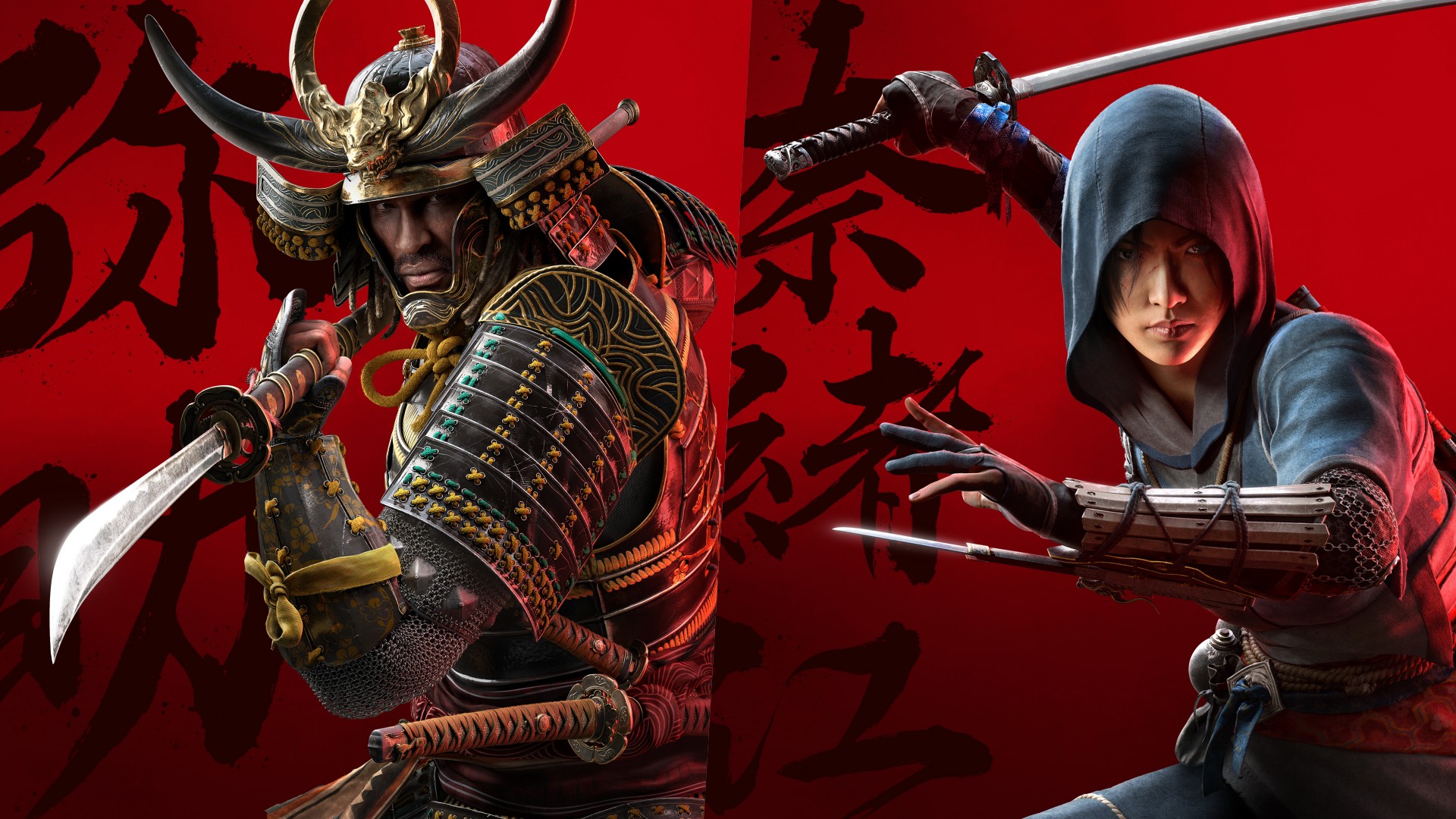
Claude Guillemot, one of the four co-founders of Ubisoft, has died last week in a plane crash. He was 69 years old.
As reported via Bloomberg, Guillemot died alongside the plane’s other passenger. They both died in La Baule in France.
Regardless of how you feel about the company today, Ubisoft is still an undeniable reason why RPGs are so popular. In 1984, Guillemot started the company with his four brothers. Since then, it’s become a household name for gaming. Its portfolio includes Assassin’s Creed, Prince of Persia, Splinter Cell, Anno, and Far Cry. Despite the prolific resume, the company is currently struggling to recreate the magic that made it so popular over a decade ago. Its current efforts include remaking Assassin’s Creed: Black Flag, which launches next month.
Though Claude might not be your first thought when thinking of Ubisoft, the company is still owned by the family, headed by his brother Yves. Claude, however, was the chairman of Guillemot Corp.
“Ubisoft was deeply saddened to learn of the death of Claude Guillemot, co-founder of the group and chairman of Guillemot Corp., in an accident. Our thoughts are with his family and loved ones during this difficult time. No further statements will be made at this time,” Ubisoft said about his passing.
News
No new CMF phones this year, Nothing confirms
But Nothing still has a phone scheduled later this year.

For the past few years, Nothing kept launching smartphone after smartphone. Further, every new iteration felt like a reinvention, rather than just a modest upgrade. Unfortunately, all good things must come to an end, including Nothing’s streak. This year, after announcing that we won’t get a Phone (4), Nothing has announced that CMF is also skipping 2026 for a hopefully better 2027.
Now, whenever there’s bad news about delayed phone launches, there’s only one culprit. The ongoing RAM crisis is wreaking havoc across the entire industry. Because of the AI industry’s desperate need to stockpile chips, consumer-friendly devices find themselves with a scarcity of components, leading to delays or price increases.
Recently, in a moment of transparency, Nothing’s Akis Evangelidis confirms that CMF will not launch a new phone this year. Citing more of the same, he says that “with memory prices where they are right now, we can’t build a phone that feels like a genuine step forward at a price that makes sense for CMF.”
As a tease, Evangelidis did say that the brand is currently working on a sequel to the CMF Phone 2 Pro. Unfortunately, it’s going to take longer for the phone to come out.
All that said, there is a silver lining. Evangelidis concludes the announcement by also confirming that Nothing still has something up its sleeve. “The smartphone launch season at Nothing isn’t over yet,” he said.
This is a huge deal. Previously, Nothing’s Carl Pei said that the Phone (4) isn’t coming out this year. Even with the Phone (4a)’s launch already done and dusted, the brand still has something left in the tank.
SEE ALSO: Nothing Phone (4a) + (4a) Pro review


vivo X300 Ultra review: A whole different animal
Got the beast (finally) unleashed!

The realme P4 Power: realme’s midrange power play?
A power bank and a phone — and more


HONOR Watch 6 Review: Less guessing, more knowing
Beyond educated guesses

Mercedes-Benz holds a Welcome Home campaign to celebrate 140 years

Ubisoft co-founder dies in plane crash

No new CMF phones this year, Nothing confirms
vivo X300 Ultra review: A whole different animal

What being a Superbod looks like in 2026

TECNO’s POVA 8 5G is both futuristic and future-ready

Close without crossing: A Xiaomi 17T Pro photo essay

realme launches P4 Series 5G, including Power with 10,001mAh battery

The Xiaomi Watch S5 proves you don’t have to take it off

Samsung’s SECRET That Made OLED Even Better


-
 India2 weeks ago
TECNO’s POVA 8 5G is both futuristic and future-ready
-
 Reviews2 weeks ago
HONOR Magic V6 review: The best version of a book-style foldable?
-

 Gaming2 weeks ago
Kingdom Hearts IV gets new trailer, confirms Switch 2 release
-

 Gaming2 weeks ago
Final Fantasy fans have two big reasons to look forward to 2026
-
 Smartphones2 weeks ago
Upcoming realme C100 series to feature 8,000mAh battery
-

 Gaming2 weeks ago
Nintendo officially announces Ocarina of Time remake
-
 News6 days ago
TECNO’s SPARK 50 Pro is the latest budget smartphone battery beast
-
 News2 weeks ago
WWDC26: Siri AI, parental controls, and more