


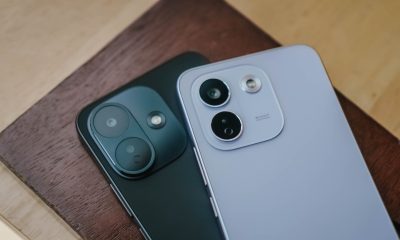
Currently, Xiaomi is leading in the budget smartphone segment. The uber-cheap Redmi 5A is still selling like hotcakes, making it the number one budget phone in the world. Just last month, the Chinese company announced the next in the Redmi series and what we have here is the base model: the Redmi 6.
Will the Redmi 6 be able to do better than its predecessors? Future sales numbers will be able to tell us that, but for now, let’s have a quick look at what the phone has to offer.

Following the footsteps of the Redmi 5, which is the Redmi 6’s direct predecessor, the IPS display of the phone has an 18:9 aspect ratio and HD+ resolution, although the Redmi 6 has a slightly smaller display at 5.45 inches versus the 5.7 inches of the older model. Despite having a taller aspect ratio, the bezels don’t qualify as near-borderless, but it’s still better than having a traditional 16:9 ratio.

On top of the display is the 5-megapixel front-facing camera along with the earpiece and sensors. As you can see below, the Redmi 6 has two card trays: one for the main nano-SIM card and another for the second one and a microSD card. The phone is a great budget option for those who have two SIM cards and a microSD card lying around.
We usually get a long triple-card tray, but this option is more ideal for users who keep on switching microSD cards. It keeps your main SIM card working while you swap your external storage. It’s similar to how Samsung designs their budget-midrange phones like the Galaxy J6 and Galaxy J8.

Moving to the right side, we have a couple of physical buttons for volume (the long one) and power/lock (the short one). Both are tactile and responsive, but they’re made of plastic just like the rest of the body of the phone.
If you’re coming from the previous Redmi series, you might be disappointed about that fact, but we’ll get to that later.

The bottom side houses the micro-USB port for charging and wired data transfer. Beside it is the main microphone that works alongside the secondary mic found on top of the phone. The 3.5mm audio port is also positioned on the top side.

I’m already accustomed to having the loudspeaker at the bottom, but Xiaomi decided to place the Redmi 6’s on the back. Sadly, the rear-firing loudspeaker gets muffled when placed flat on a table. There’s usually a raised dot beside the speaker grilles to lift the phone a bit, but Xiaomi missed out on that.
Now that’s we’re already checking out the rear of the Redmi 6, I’ll talk about the material choice for the phone’s body. Both the Redmi 4 and the Redmi 5 have aluminum back panels which add premium touches. The top and bottom portions are plastic, but that’s understandable to let in radio signals.

With the Redmi 6 though, we now have a full-plastic phone instead of maintaining a metal body (just like my favorite, the Redmi 4 Prime). The material downgrade makes the phone feel cheaper on hand and levels it with the more affordable Redmi models.
At least the camera department of the Redmi 6 gets an upgrade: From one, it now has two rear shooters. The main 12-megapixel sensor, which is the same as the Redmi 5’s, is now accompanied by a secondary 5-megapixel sensor for measuring depth. The phone can shoot portrait photos with bokeh effects.

The rounded fingerprint reader is still where most Xiaomi phones have it. It’s easily reachable by the index finger and can unlock your phone quickly.
As for the specs of the phone, it’s powered by a MediaTek Helio P22 processor with up to 3GB of memory and up to 64GB of storage. The graphics unit of the chipset is the PowerVR GE8320. It’s quite surprising that Xiaomi went back to MediaTek, but the Helio P22 is a good-performing midrange-class processor.

I wasn’t able to spend much time with the phone, but my initial gaming tests with Asphalt Xtreme and PUBG Mobile were pretty okay. The phone is not able to run the games smoothly on the highest-possible settings, but if I take it down a notch, I get better frame rates.
The phone runs MIUI 9.6 out of the box which is already based on Android 8.1 Oreo. The official stable update to MIUI 10 should come in the coming months. A 3000mAh battery keeps the lights on, but there’s no support for quick charging.

The Redmi 6 is already available in China starting at CNY 799 (US$ 120) for the 3GB/32GB variant while the beefed-up 4GB/64GB model is priced at CNY 999 (US$ 150). The phone is also making its way outside the Chinese market as part of its global rollout. In the Philippines, it’s priced at PhP 7,490 for the 3GB/32GB variant and PhP 8,990 for the 4GB/64GB.
SEE ALSO: Xiaomi Redmi 6 Pro makes its debut with notch and affordable price






Hands-On
Apple iPhone Duo Unboxing and Hands-on
Supported apps, crease, cameras, and MagSafe all tested

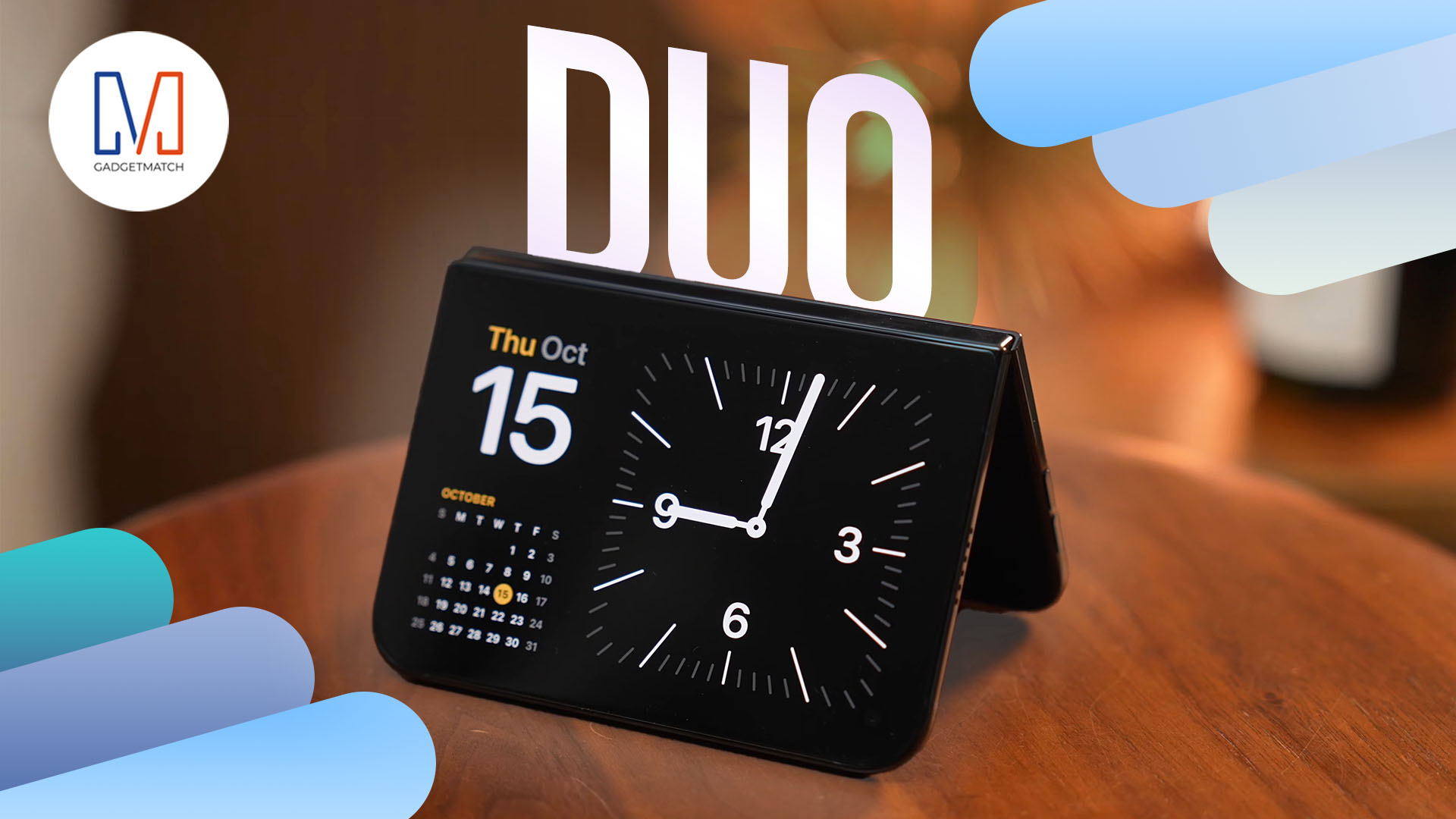
Apple’s iPhone Duo is finally here!
Aside from unboxing the all-new iPhone-dable in Night Sky, we take a closer look at the display crease, check out the under-display camera quality, see which MagSafe accessories work with it.
Most of all, which apps support it (or not).
But how well does the dual-screen experience on an iPhone actually work? Watch our Apple iPhone Duo unboxing and hands-on to know more!

Moving into a new space comes with a long list of things to figure out, and lately, I’ve been paying more attention to something that’s easy to overlook: air quality.
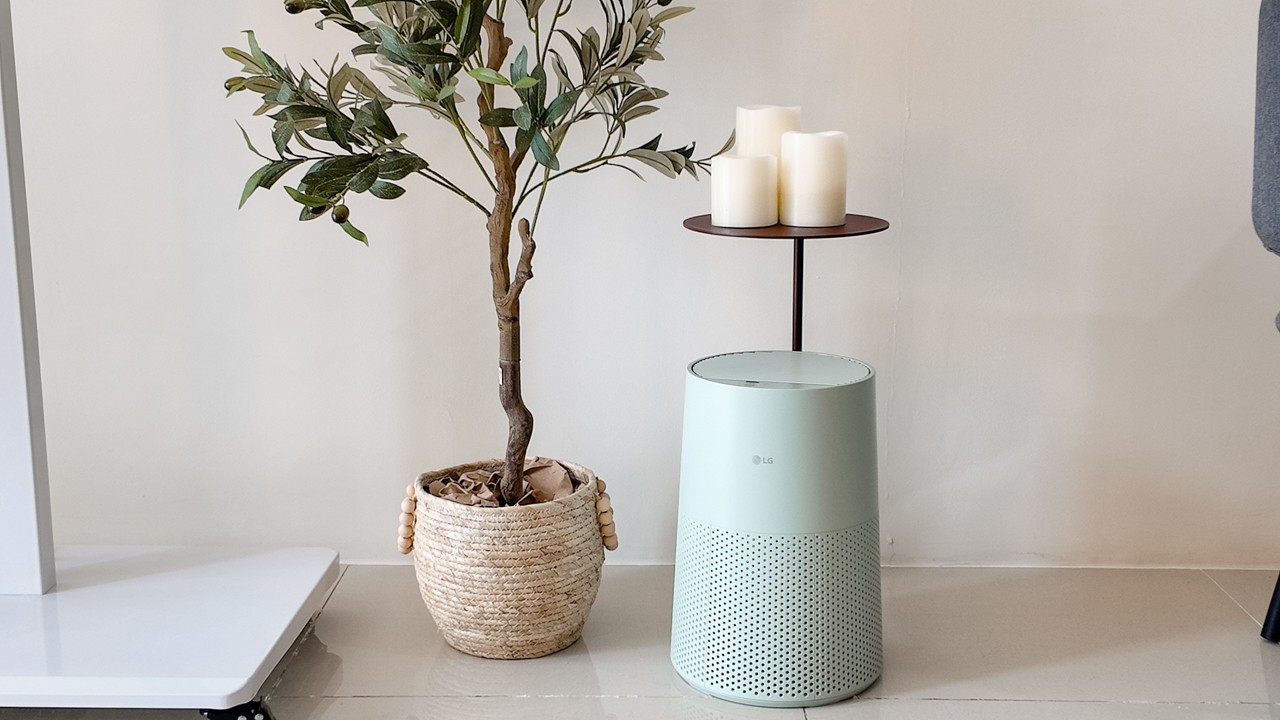
After using the LG AeroMini for about a month, it has become a subtle but welcome addition to my space. It helps make the room feel fresher, while its compact and stylish design fits naturally into my setup. Here are the things that stood out to me most after living with it for a month.
360° purification for a fresher space
One of the things I appreciate about the AeroMini is its 360° air purification, designed to bring purified air in every direction.
For me, this is particularly useful in a new space where I’m spending a lot of time working, relaxing, and just settling in.
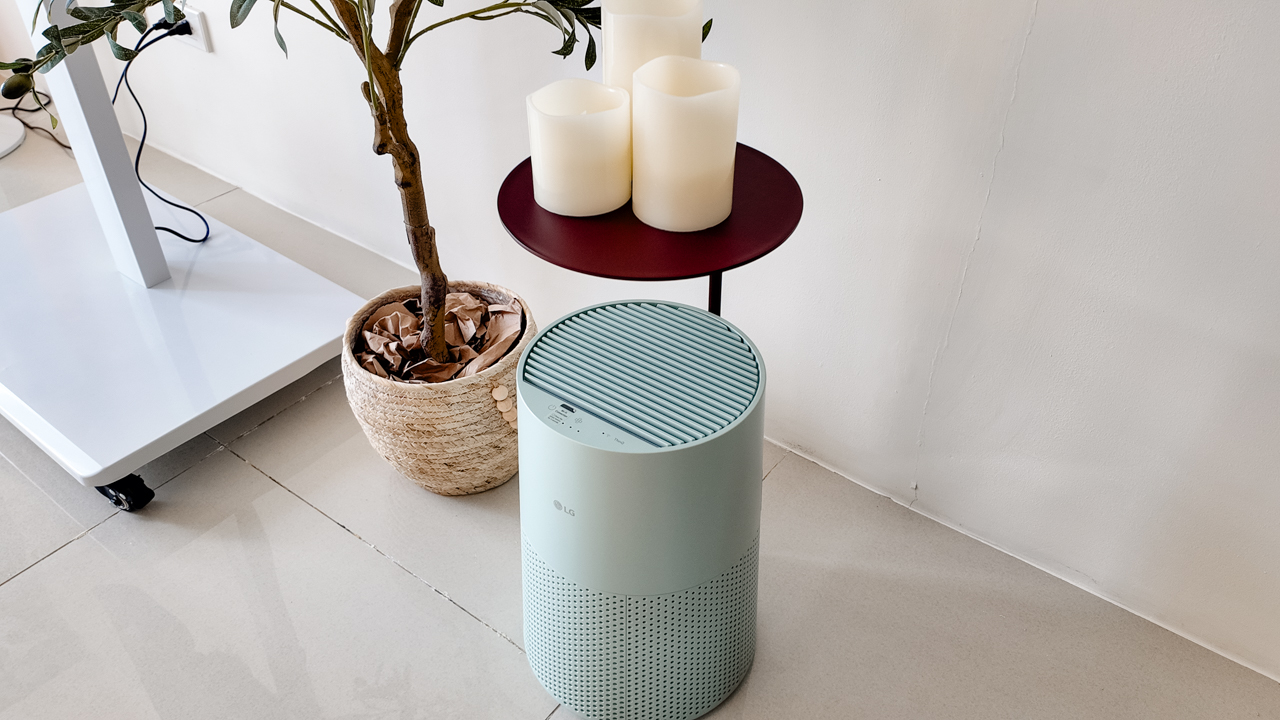
Combined with its True HEPA filter, which is designed to remove 99.999% of 0.01μm fine dust and allergens, it gives me added peace of mind about the air I’m breathing every day.
After a month, I can genuinely say that the space feels fresher with it running.
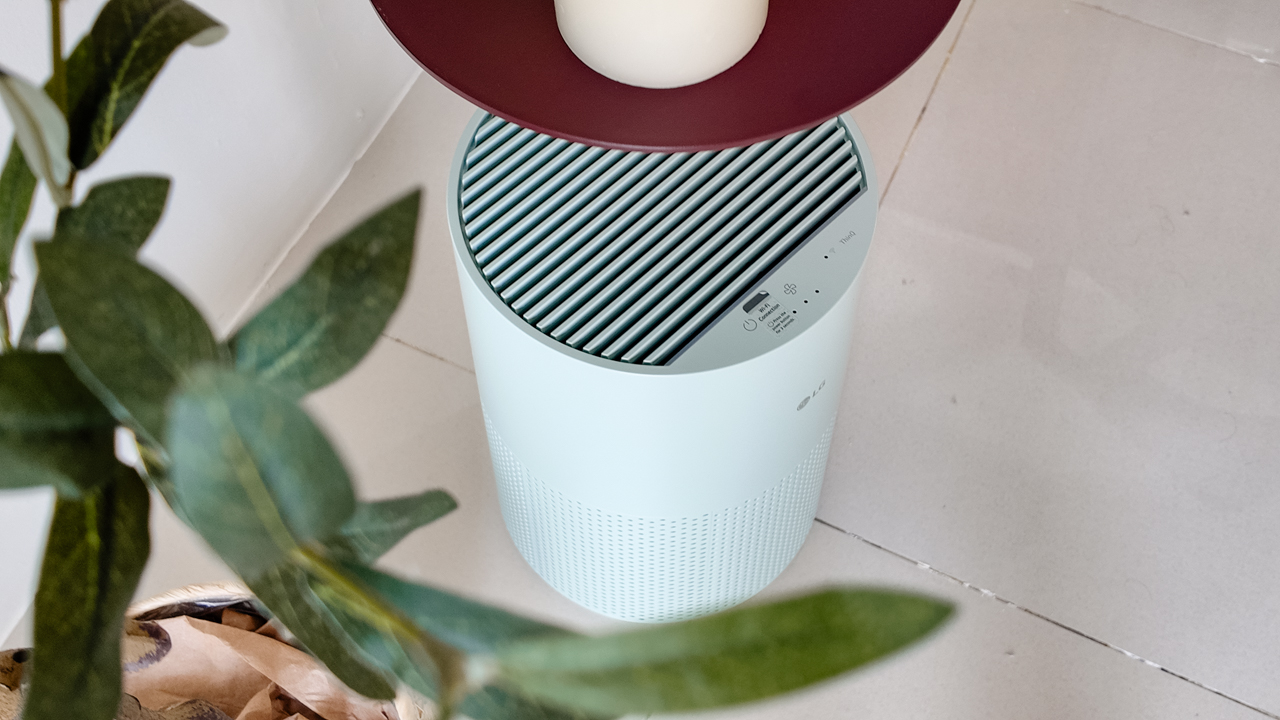
Surprisingly quiet
This is probably my favorite feature.
The LG AeroMini operates at just 26dB, and after using it for a month, what stands out is how easy it is to forget that it’s even running.

I can have it running while I’m working or sleeping without the noise becoming a distraction. For an appliance that’s designed to continuously improve the air around you, I think that’s a big deal.
Sometimes, the best feature is the one you barely notice.
Design that fits my space
Since I recently moved, I’ve been pretty conscious about what I bring into the space. I want things to be functional, but I also don’t want appliances that feel like they’re taking over the room.
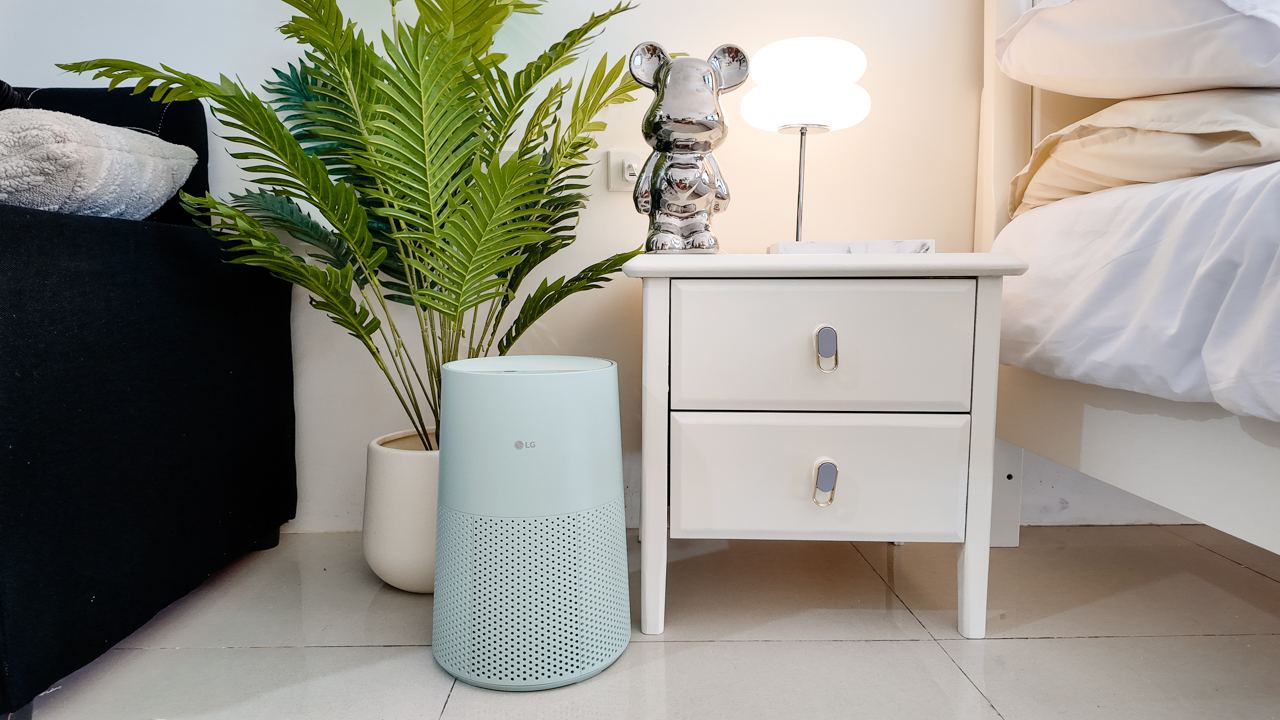
The AeroMini’s slim and compact design makes it easy to incorporate into my setup. It doesn’t feel bulky or industrial, and I like that I can leave it out without feeling like I need to hide it away.
For me, that balance between functionality and aesthetics makes it feel more like part of the space rather than just another appliance.
Air quality at a glance
Another feature I’ve found convenient is its Smart Control. Through the app, I can monitor and control the AeroMini while getting real-time updates on the indoor air quality.
It’s a small convenience, but being able to check the air quality without having to interact with the purifier directly makes it easier to keep track of what’s happening in the room.

Easy to maintain
I also appreciate that the AeroMini is designed with an all-in-one dust and deodorization filter that makes replacement and maintenance easier.
That matters to me because the best home gadgets are the ones that don’t create another complicated chore. I want something I can set up, use regularly, and maintain without too much fuss.

After a month, would I keep it?
Yes, and mainly because it quietly fits into my everyday routine.
The LG AeroMini has helped make my new space feel fresher and more comfortable, while its compact design means it doesn’t compromise the look of the room. But if I had to pick just one thing I appreciate most, it’s still how incredibly quiet it is.

It’s one of those upgrades that doesn’t demand your attention. It simply works in the background.
If you’re also looking to make your home a fresher and more comfortable space for yourself and your family, visit https://www.lg.com/ph/ to learn more about the LG AeroMini and how it can fit into your everyday life.
Hands-On
Apple iPhone 18 Pro Series Hands-on
And everything announced during Apple’s September 2026 Event
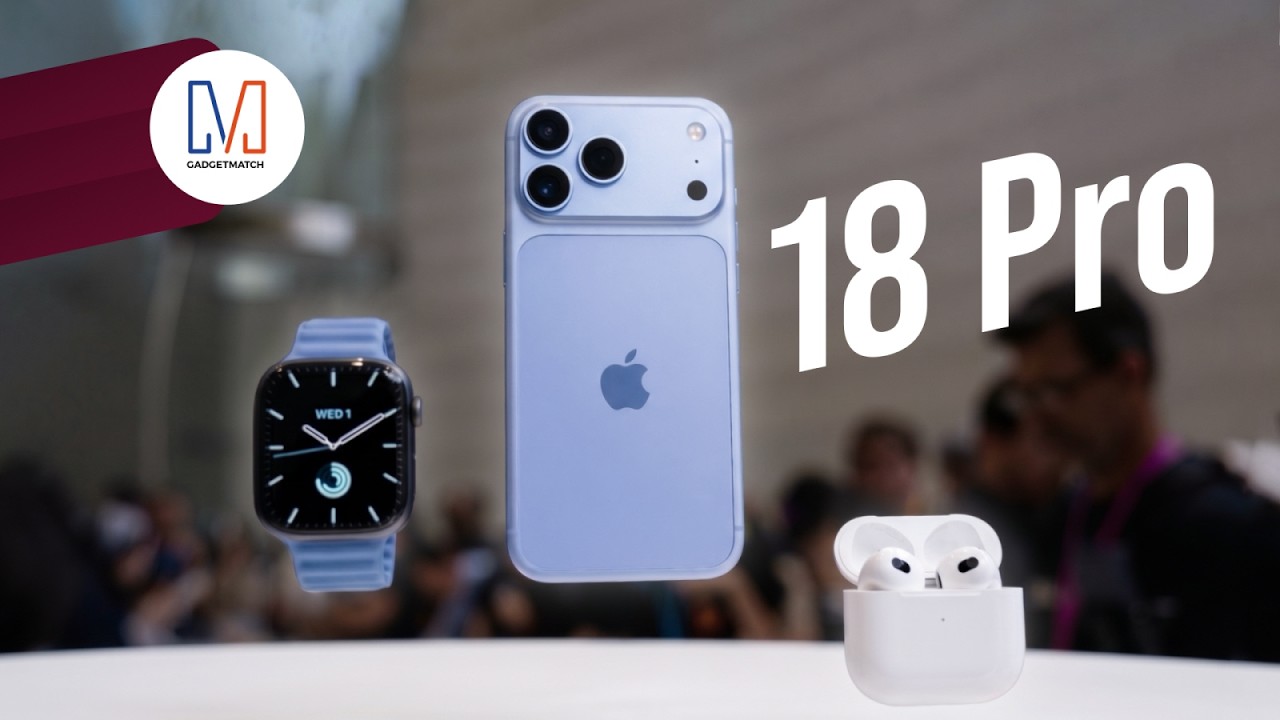
The latest Apple event isn’t just about the shiny new Apple Duo. There’s a lot to talk about!
In this video, we break down everything Apple has announced during their September 2026 keynote.
First, there’s the updated iPhone 18 Pro and 18 Pro Max. That’s alongside their design and color changes, battery and performance improvements. Even that massive camera upgrade.
There’s even the ANC-infused AirPods 5 alongside the newer Apple Watch Series 12 and Apple Watch Ultra 4. Plus, the latest software updates coming to both these wearables.
So, are these worth the upgrade?


HP OMEN Max 16 review: Gamer-maxxing in deep black
Peripherals deemed necessary to max this out

vivo V80 review: Good phone, tough sell
A capable travel companion


Ghost of Yōtei Complete Edition review: More of a great thing
Picking up where Atsu left off

Apple unveils new iMac with M6 chip

Apple introduces 14-inch MacBook Pro with M6 chip

Anker soundcore AeroClip 2 brings open-ear audio to everyday life

adidas debuts ENERGYRIM carbon tech in the Adizero Adios Pro 5

Firefox ad reunites all your favorite memes from decades ago

TECNO CAMON Slim 5G review: Slim on size, big on surprise

TECNO CAMON Slim 5G: Price, availability in the Philippines

HONOR Magic9 Pro Max launches in China with ARRI-powered imaging

BYD says that way better EV batteries are coming next year

HONOR 600S review


-

 News2 weeks ago
vivo V80 debuts with ZEISS cameras
-

 Philippines2 weeks ago
TECNO CAMON Slim 5G gets launch discounts, free MagBadge
-
 News2 weeks ago
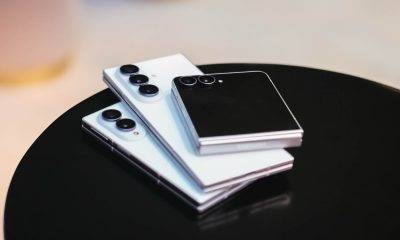
Samsung: Galaxy Z Fold8 demand rose because of iPhone Duo
-
Reviews1 week ago
vivo V80 review: Good phone, tough sell
-
 Features2 weeks ago
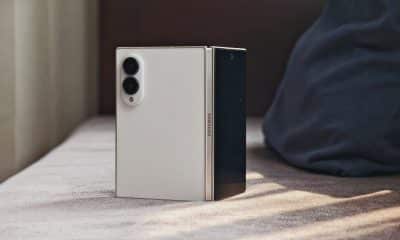
I don’t want a phone that unfolds — the Galaxy Z Fold8 gets why
-

 News7 days ago
OPPO Find X10 Series: Price, availability in the Philippines
-

 Gaming2 weeks ago
KINGDOM HEARTS Collection [I–III] now available on PS5, Switch 2
-

 Cameras7 days ago
DJI Osmo Pocket 4P Pearl White now available globally