
News
Huawei unveils the Nova 5 series with three models and a new processor
The company pushes through despite the ban


Despite the uncertainty of Huawei‘s future without Android (outside of China, at least), the Chinese giant announced its latest Nova 5 series powered by the new 7nm Kirin 810 chipset from their own processor plant.
The Nova 5 series is composed of the three models with the regular Nova 5 sitting in the middle. The new Huawei phone is powered by the Kirin 810 processor which has eight cores and is based on 7nm manufacturing node. The new silicon from Huawei is just a midrange chip, but it’s built in the same way as the flagship ones. It’s paired with 6GB of memory and 128GB of storage.
Speaking of, there’s also the Nova 5 Pro with the flagship Kirin 980, the same chipset found in the P30 Pro and the Mate 20 series. Being the star of the series, the Pro variant has 8GB of memory and up to 256GB of storage.

Huawei Nova 5 / Nova 5 Pro | Image credit: Huawei
Other than the CPU, both the Nova 5 and Nova 5 Pro share the same specs. The phones have 6.39-inch notched OLED displays with built-in fingerprint scanners. On the back, they have a quad-camera setup consisting of a 48-megapixel main sensor, a 16-megapixel ultrawide sensor, a 2-megapixel depth sensor, and a 2-megapixel macro sensor.
Moreover, the Nova 5 and Nova 5 Pro accept microSD cards for storage expansion. Both have 3500mAh batteries with 40W fast-charging via USB-C. They have headphone jacks for your wired audio peripherals as well.

Huawei Nova 5i | Image credit: Huawei
Sitting below the two Nova 5 phones is the Nova 5i. In the front, the Nova 5i looks a lot like the previous Nova 4 series with its hole-punch display. Inside, the phone is powered by the older Kirin 710 chip with up to 8GB of memory and 128GB of storage.
The Nova 5i still has four cameras on its back, although the resolution is down to 24 megapixels for the main sensor and 8 megapixels for the ultrawide shooter. It has an LCD rather than an OLED screen; however, it has a larger 4000mAh battery.
Huawei’s new three phones are to be sold in China this month. The Nova 5 has a starting price of CNY 2,799 (US$ 410) and it’s already available for purchase. The Nova 5 Pro and Nova 5i will be in stores on June 28 with starting prices of CNY 2,999 (US$ 440) and CNY 2,199 (US$ 320), respectively.
SEE ALSO: Huawei won’t back down, promises to deliver Android Q to at least 17 phones








WhatsApp is about to get an extra later of protection. After thriving on number-based chatting, the platform will soon add usernames, eliminating the need to share your number with strangers.
Usernames are the standard way of maintaining your anonymity online. Though most platforms today require users to log their email addresses or phone numbers, establishing a username can prevent other users from seeing this information way too easily.
Today, Meta has started rolling out reservations for WhatsApp usernames. The feature itself isn’t available yet, but early adopters can grab theirs as soon as the setting becomes available on their app.
To access the reservation, users can go to Settings > Account > Username. Of note, this isn’t available for everyone yet. But if you want to take dibs on a specific name, be on the lookout for the setting.
As for the username itself, users can reserve anything as long as it’s unique. Business owners and creators can also use their Facebook or Instagram handles as their WhatsApp usernames.
The feature, once it launches, will stop users from accessing your phone number when messaging. Similarly, other users will now need your exact username to start a conversation. Users can also set a separate code to protect conversations further.
SEE ALSO: Meta adds subscriptions for Facebook, Instagram, and WhatsApp

For Apple, the next holy grail is a foldable iPhone. However, for Samsung who’s already had an iron grip on the foldable market for years now, the next evolution might be a rollable phone.
According to several Korean sources, Samsung’s next project is a rollable phone. Samsung Display is currently discussing the technology with the company’s smartphone arm for a potential consumer-ready product.
As is normal with new technologies, it might take a while for a rollable phone to enter the market. Samsung is reportedly planning a 2028 release for the device.
As for the name, the brand might settle for the Galaxy Z Slide. With how Samsung names its devices, “Slide” makes sense.
Now, a rollable phone has been a dream for a few other brands. For example, LG, before they gave up on the smartphone market, dished out a concept for a rollable display in the TV and the smartphone space. Sony, Motorola, OPPO, and TECNO have also experimented with the technology.
With its resources, Samsung stands to be at the forefront of the rollable market, just as it did with the foldable phone. But, as always, take the rumors with a grain of salt. There’s still quite a bit of time before 2028 arrives. The brand can easily change its mind.
SEE ALSO: Samsung brings the Galaxy Z series into Spider-Man: Brand New Day
Cameras
DJI Osmo Pocket 4P launches with dual lenses and a 1-inch sensor
The biggest upgrade yet to DJI’s compact gimbal camera

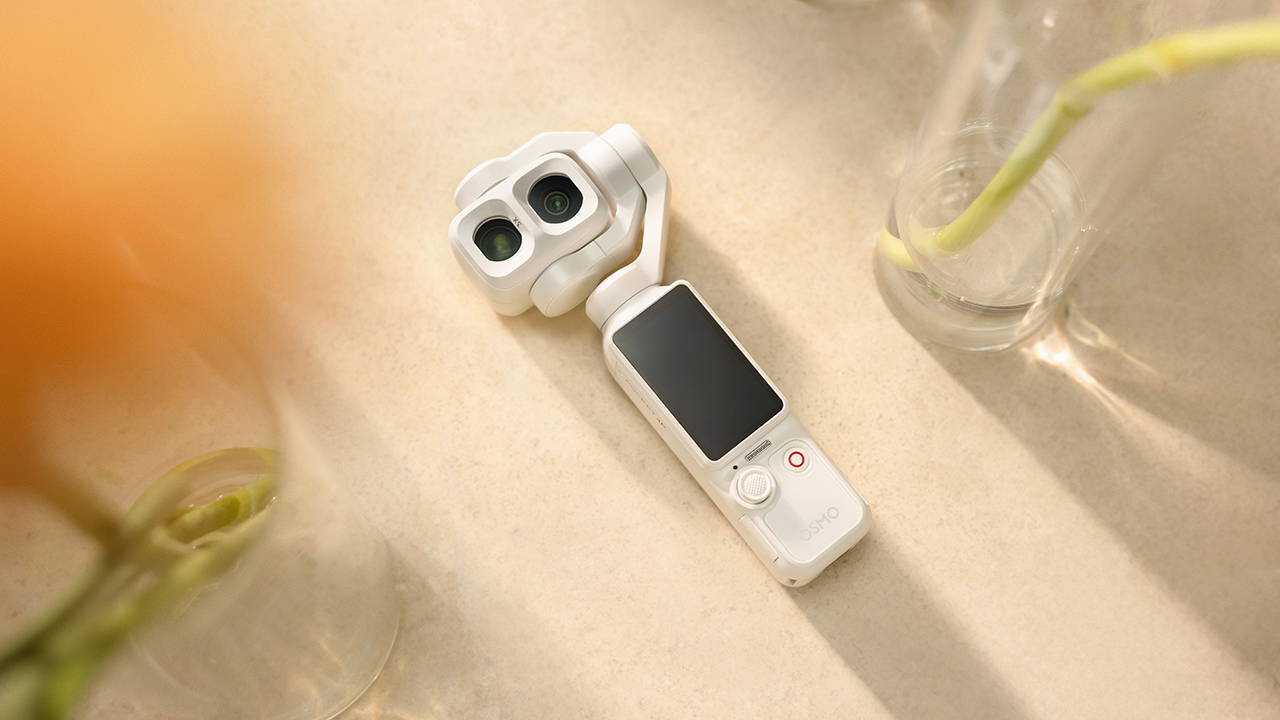
The original Osmo Pocket launched in 2018 as a pocket-sized gimbal camera for people who wanted smooth footage without carrying a full rig. DJI has been building on that idea ever since, and today, with the Osmo Pocket 4P, they made the biggest jump yet.
A significant change
The most significant change in the Osmo Pocket 4P is the introduction of a dual-lens system. While previous Osmo Pocket models limited creators to a single, fixed field of view, the 4P provides two distinct options.
The camera features a wide-angle lens backed by a new 1-inch CMOS sensor alongside a 60mm medium-telephoto portrait lens boasting an f/1.8 aperture and 3x optical zoom. This second lens fundamentally changes how creators shoot on the ground.
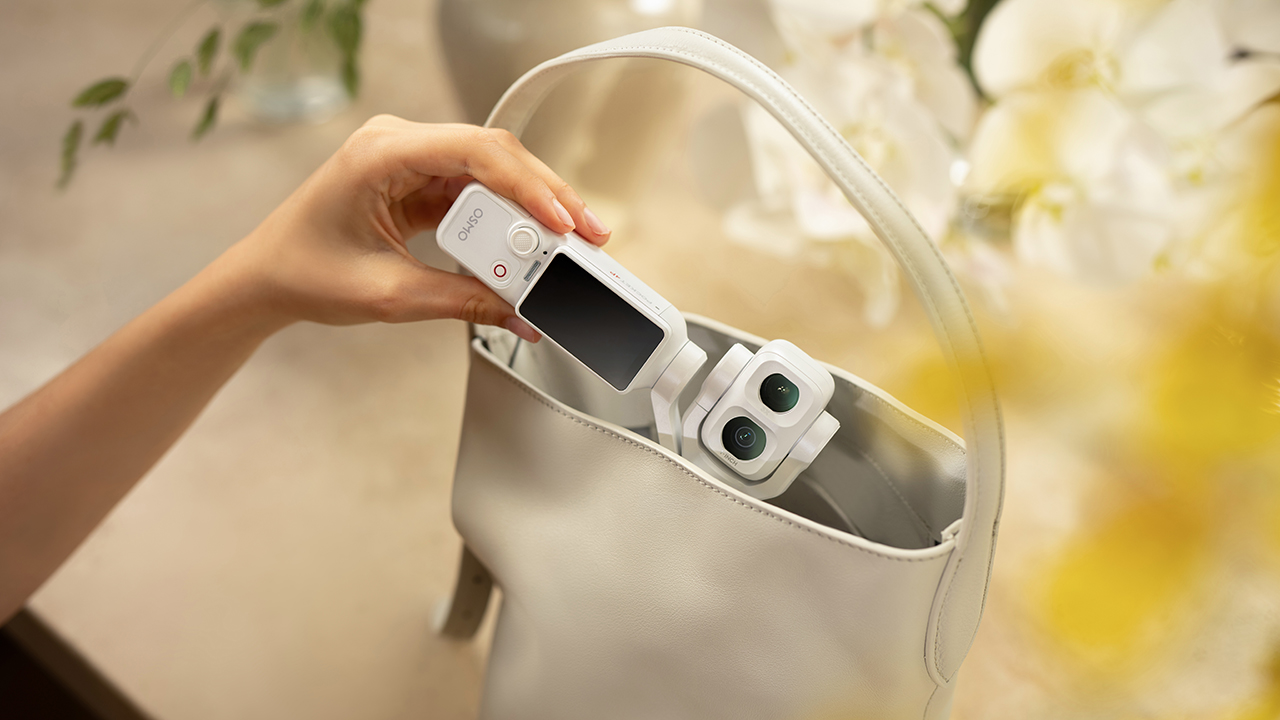
At the 60mm focal length, backgrounds compress naturally to separate the subject from the environment without relying on artificial software rendering, offering an invaluable tool for capturing people at events, during travel, or throughout daily life.
The wide lens captures 17 stops of dynamic range through what DJI calls LOFIC technology, which handles high-contrast scenes like backlit windows or golden hour without blowing out the sky or burying the shadows.
Advanced sensor tech, color latitude
For high-contrast environments, the wide-angle lens captures an impressive 17 stops of dynamic range utilizing DJI’s new LOFIC technology.
This hardware addition allows the camera to effortlessly manage difficult lighting scenarios, like backlit windows or golden hour horizons, keeping the sky intact while preventing shadows from turning muddy.
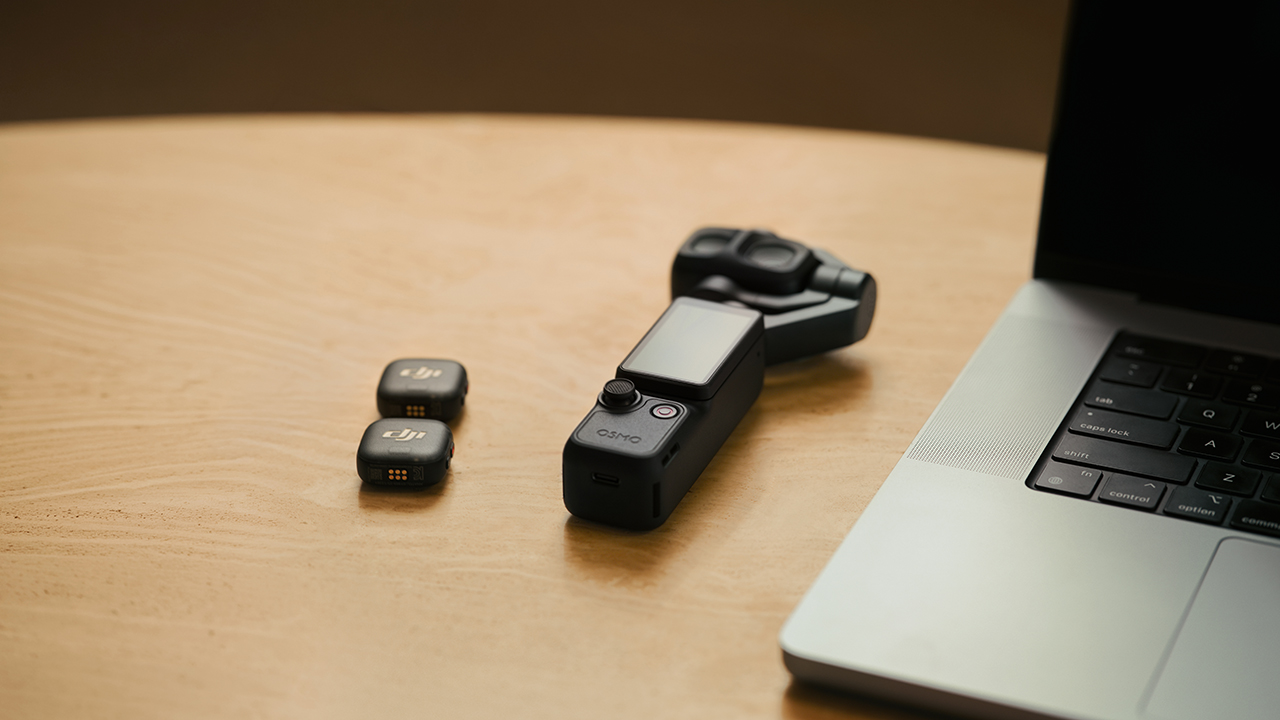
On the color processing side, DJI has introduced a 10-bit D-Log 2 profile capable of recording over a billion colors. This shift provides editors with significantly more latitude to grade footage in post-production, avoiding the limitations of a baked-in, in-camera look.
High-speed motion, smart framing
In terms of capturing motion, the 4P supports 4K slow motion at 240fps, making it ideal for fast-moving subjects that benefit from a stylized, slowed-down perspective.
A slow shutter video mode is also included, allowing users to organically capture light trails in low-light environments. Physical stabilization continues to rely on a mechanical 3-axis gimbal, drawing directly from the heritage of DJI’s professional Ronin systems.
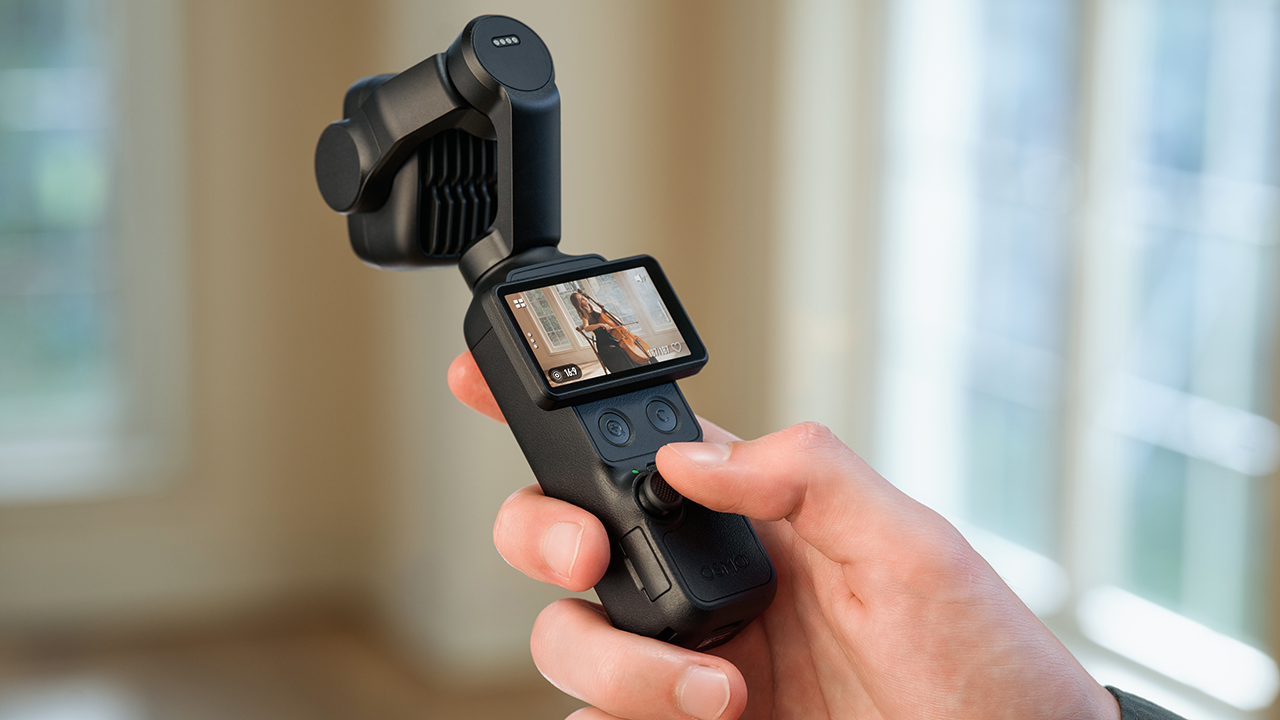
Weighing just 230 grams, the compact unit incorporates ActiveTrack 8.0 to handle automated subject tracking, maintaining precise focus through the entire 12x digital zoom range — a feature that proves essential for solo creators who need the hardware to handle framing duties.
Practical updates for daily use
DJI has also focused heavily on the realities of on-the-go shooting. The 4P introduces gesture controls, letting users trigger subject tracking or start recording without physically touching the device.
A new 4K Live Photo mode automatically captures a 1.5-second clip alongside every still image, while the main sensor allows for high-resolution 37-megapixel photos that offer plenty of room for cropping in post-production.
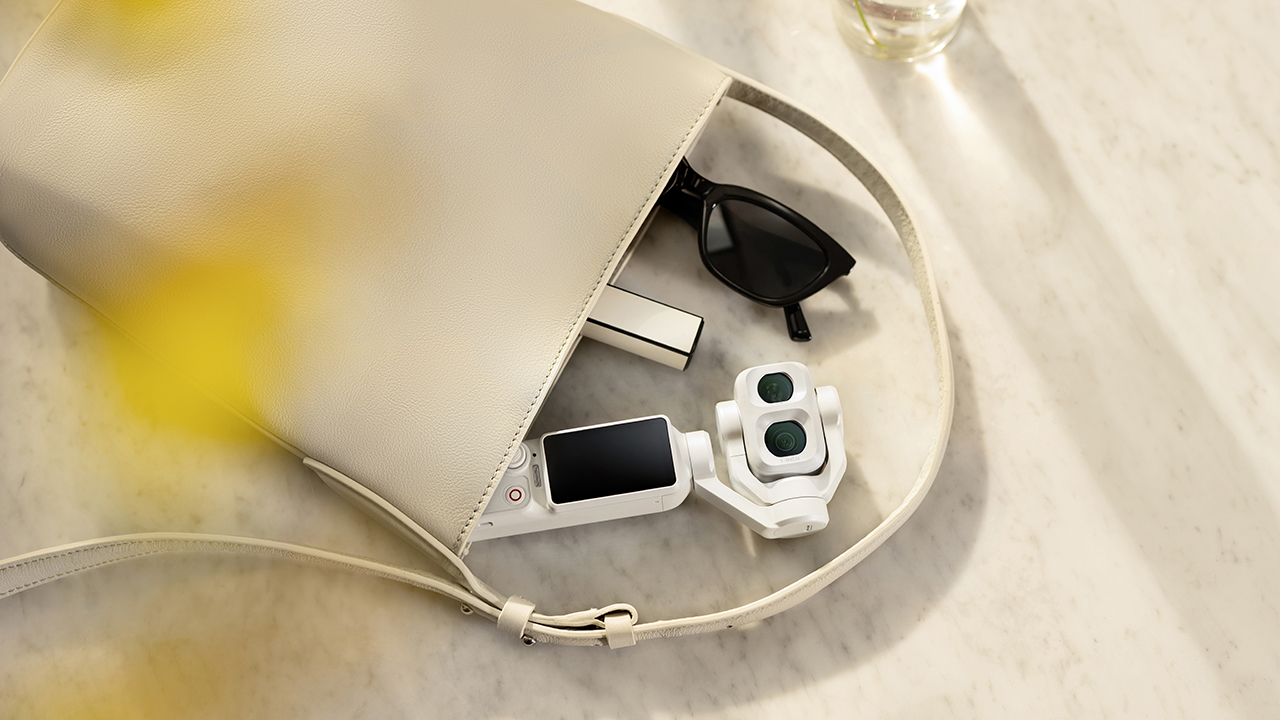
The battery charges from zero to 80 percent in just 18 minutes and delivers up to 210 minutes of runtime on a full charge.
Furthermore, files transfer via USB 3.1 at speeds up to 800 MB/s, ensuring that offloading a full day of content is a near-instant process.
Price, availability
The camera launches in both classic black and pearl white, accompanied by a modular accessory ecosystem and DJI Care Refresh protection plans.
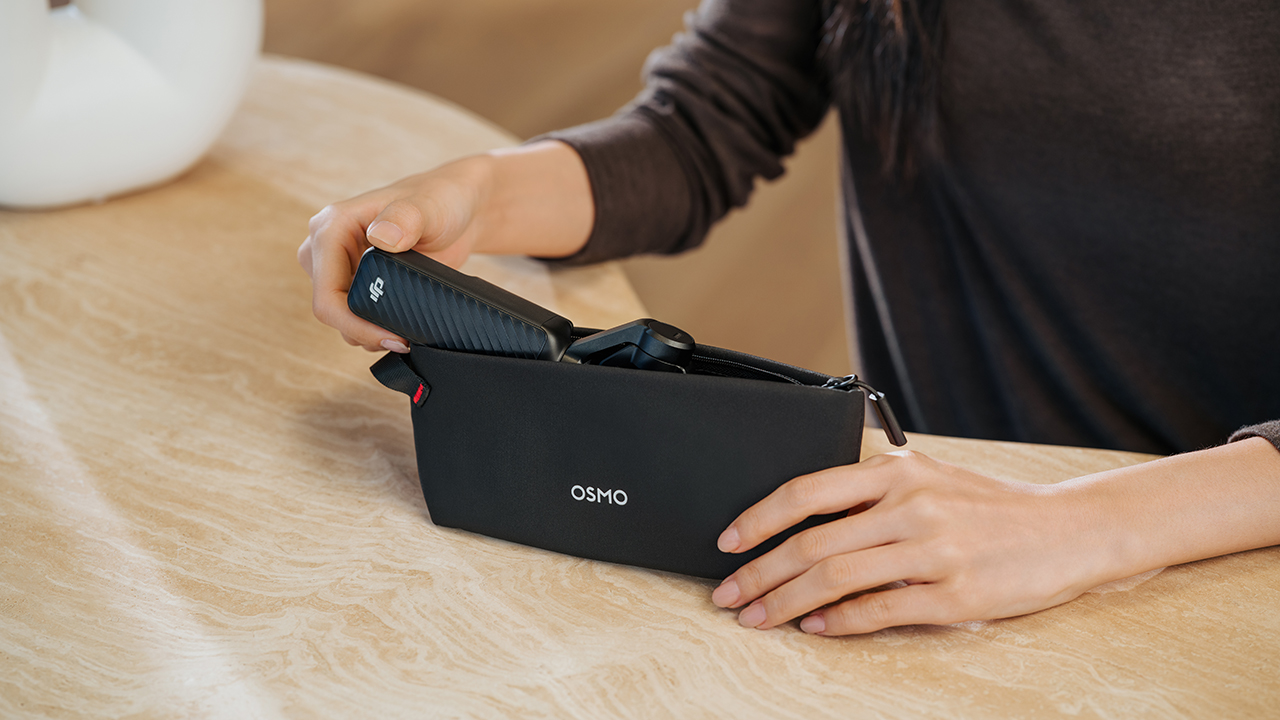
It retails for PhP 37,790 for the DJI Osmo Pocket 4P Standard. Meanwhile, the DJI Osmo Pocket 4P Vlog Combo retails for PhP 42,290.


vivo X300 Ultra review: A “Whole Different Animal”
Got the beast (finally) unleashed!

The realme P4 Power: realme’s midrange power play?
A power bank and a phone — and more


HONOR Watch 6 Review: Less guessing, more knowing
Beyond educated guesses

Why I stopped chasing grid-worthy and started eating peso-worthy food

The new LG OLED evo AI G6 is trusted by Hollywood professionals

The luxury of being nowhere else to be

WhatsApp will introduce usernames to hide your phone number

The ROG products I still remember

TECNO’s POVA 8 5G is both futuristic and future-ready

The Xiaomi Watch S5 proves you don’t have to take it off

realme launches P4 Series 5G, including Power with 10,001mAh battery

Buyer’s Guide: Xiaomi Pad 8 Series

HONOR Magic V6 review: The best version of a book-style foldable?


-

 Buyer's Guide2 weeks ago
Buyer’s Guide: TECNO SPARK 50 Pro vs SPARK 50 5G
-
Reviews1 week ago
vivo X300 Ultra review: A “Whole Different Animal”
-
Reviews2 weeks ago
HONOR Watch 6 Review: Less guessing, more knowing
-

 News2 weeks ago
Budget smartphone realme C100 Series launches
-
Reviews2 weeks ago
The realme P4 Power: realme’s midrange power play?
-
 Camera Shootouts1 week ago
Camera Shootout: HONOR 600 Pro vs OPPO Reno15 Pro
-

 Entertainment2 weeks ago
Samsung brings the Galaxy Z series into Spider-Man: Brand New Day
-

 Accessories2 weeks ago
Father’s Day gift guide: Gadgets for every kind of dad