


Unfiltered
Our data shouldn’t be used as currency for technology to move forward
Companies shouldn’t mine it like gold and oil

Security and privacy have become the issues we’re concerned about in this generation. Technology has cemented itself as a commodity; a constant in our lifestyle and in everything we do.
For the past year, we’ve seen data breaches from Facebook particularly the Cambridge Analytica scandal, hackers attacking big tech companies, voice assistants listening to our conversations, and technology being used to further one’s political agenda.
Right now, we all fear for our personal data. The world isn’t safe anymore, and here we are, being more afraid of cybersecurity posing a threat to our safety.
Is data the most important thing right now?
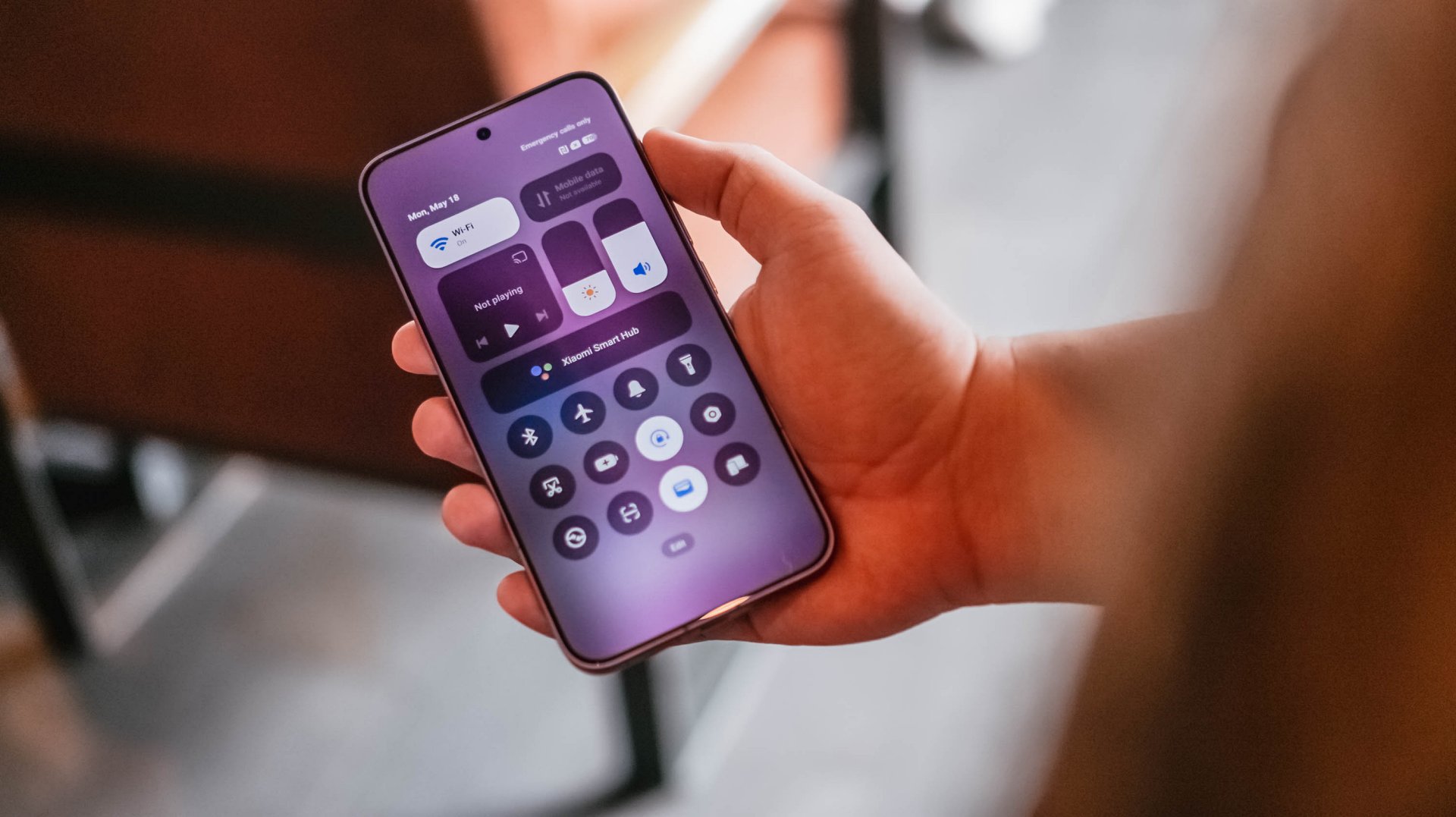
When I was in Hong Kong, my friend and I stayed in Tuen Mun, a 20-minute drive away from Shenzhen, China. Due to proximity, my browser and location have geo-tagged China instead of Hong Kong. Websites have been translated to Mandarin, too.
My friend and I laughed, whispering to ourselves “Welcome to China.” Amidst the jokes and frantic laughing, I was fearful about my personal security. Throwing away the naivety, we all know the issue surrounding this country relating to data and privacy. For years, we’ve accused China of harvesting our information that we became cautious about visiting the country or when using a Chinese-branded smartphone like Huawei, Xiaomi, Vivo, and OPPO.
Data has become the new currency that people are trading off; the new gold and oil, where people fight to mine and own it.
Of course, I’m afraid of my data being stolen for unknown purposes. There was an added fear during my stay since I was in the midst of rallies. But what scared me isn’t the chances of me getting caught in the crossfire, it was all the stuff I have on the internet.
What if the government caught wind of my political statements in my social media accounts and private messages? What if they knew I was siding with Hong Kong and their fight for democracy? Will I be deported? Jailed? I spiraled in anxiety and fear.
Gratefully, I left Hong Kong safe and sound. On a series of flights bound for Manila and Boracay, I pondered about the fear I had: Was data the most important thing right now?
Finding the answer
It seems the stars aligned because my thoughts happened right before the annual CxO Innovation Summit. Held by VST-ECS Philippines, the conference discussed the future and importance of data in today’s technology.
“There is no doubt that in today’s digital economy, most companies — if not all — are aware of the importance of data and the value it provides,” said Jimmy Go, President/CEO of VST-ECS Philippines. Of course, this conference was meant for enterprises to tackle how they can utilize data to improve their businesses.
Technology is here to stay and we can’t hinder progress because we’re scared.
Go further explained how big companies like Netflix and Amazon use data analytics to track users’ pattern based on their searches and activity, then recommends content and product for you, which are mostly things you don’t like (or do you?).
But it wasn’t Go who only shared insights and industry trends. The summit is joined by leaders in the cybersecurity, computers and electronics, and information technology industries. Among the top players with key representatives are Cisco, Lenovo, Fortinet, Hewlett-Packard, Dell Technologies, IBM, Schneider Electric, Samsung, Huawei, Aruba, and Oracle.
Data mining is a circular economy
Throughout the sessions, most companies discussed how to harness data and utilize available technology to further an enterprise’s progress. Channeling my self-obsessed personality, I asked: “Where am I in this narrative?”

Consumers don’t realize that companies use their data for research and marketing purposes. Some use it for noble goals like improving one’s life through technology, and some do it for the sake of expanding and future-proofing their businesses.
It’s like a cycle: Your data was acquired, analyzed, shared, translated, received and find its way back. Data has become the new currency that people are trading off; the new gold and oil, where people fight to mine and own it.
We need companies we can trust
When the conference ended, I left and sipped margaritas by the beach — allowing myself to absorb all the truths I found. Come to think of it: Isn’t it scary that Facebook suggests items you’ve previously viewed on Lazada and Shopee? How about the promoted post on your news feed about a lipstick you recently talked about with your friend on Messenger? This is how our data is being used and learning a lot about this process, I was astounded.
It dawned on me: Technology is here to stay and we can’t hinder progress because we’re scared. But what we can do is to find companies we can trust.
To find better resolve, I asked Samsung and Huawei — two of the biggest players in the consumer technology industry. I first met with Patrick Low, Principal Architect for CTO Office Huawei Enterprise Business Group.
Big Data is the enemy (or not?)
In an exclusive interview with GadgetMatch, Low discussed how consumers’ data are being acquired everywhere. Contrary to myths about Huawei, the executive debunked the rumors and discussed how apps are the culprit of data mining, not smartphones.
Samsung Product Manager Anton Andres supported Low’s statement in another exclusive interview. Andres expounded how third-party apps like keyboards try to hijack personal information. Both executives warned users about the apps they download.
On the bright side, both companies believe they’re doing enough to protect their consumers’ data and security. Huawei claims they don’t touch data, while Samsung parades its security solutions found exclusively on their devices. Of course, take everything with a grain of salt. It’s okay to trust at this point, but with reservations.

Taking into consideration what both Low and Andres stated, I started to wonder if big data is the enemy here. If big data sounds martian to you, it’s a technology used to analyze and help companies understand our behavior and preferences. It’s primarily the reason why you get advertisements about an item you were browsing in an e-commerce site or getting contact suggestions from the people in the same vicinity as you.
But as one friend pointed out, big data isn’t our enemy. It’s the abusers of the technology and the perpetrators who use it for their greed and personal agenda.
How can we protect ourselves?
As the world gets more connected, it is up for us to arm ourselves against the threats looming in. Start first on your devices: Use strong passwords and make it a habit to change them regularly.
Social-media wise, check your privacy and sharing settings. When you have an inactive account, find a way to close it. Additionally, read the terms and conditions for every app you download. Consider the risks of using digital assistants like Alexa and keeping an unsecured Wi-Fi, too.
The world is getting more connected, and there’s no stopping it.
There are so many things to do. Make sure you understand what data you’re sending and how your location is being tracked. Right now, it might be easy for you to say that tech companies like Google and Facebook already have a lot of information about us, or they don’t have anything to get since we’re not rich. But cybersecurity isn’t only for the rich people to worry about, it’s for everyone who has access to a connected world.
Sure, we won’t be a hundred percent safe from the possible threats. Thieves are getting smarter, and we need to be smarter than them. Keep yourself informed, that’s the best you can do to significantly decrease the chances of your personal security being compromised. The world is getting more connected, and there’s no stopping it.







Computex 2026
Why is AI loved in COMPUTEX but hated in the rest of the world?
Two sides of the same coin.

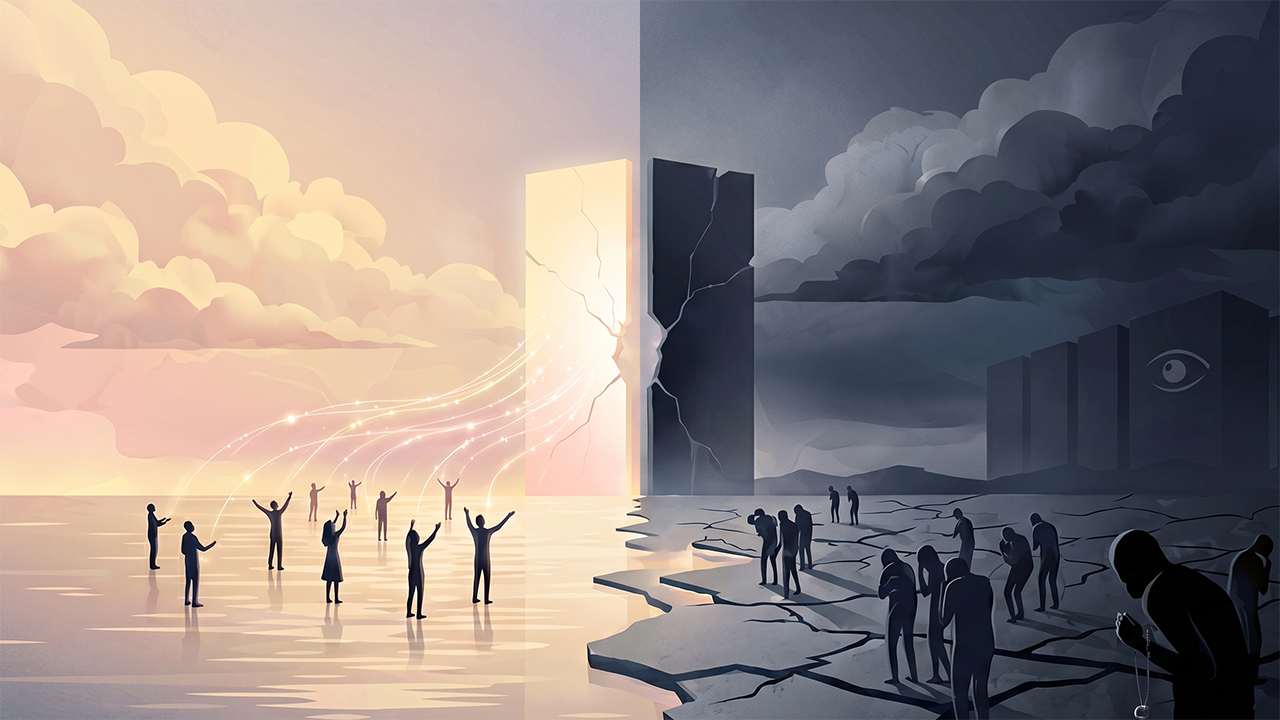
To cover COMPUTEX 2026, I found myself staying in the Grand Hilai Taipei, a 5-star hotel right beside the Taipei Nangang Exhibition Center (TaiNEX), the historical home of the annual conference. I can’t help but think of The Grand Budapest Hotel, a Wes Anderson flick about a similarly decadent hotel. But it’s not the plush hotel rooms, the hospitable staff, or the Romanesque public sauna that has me thinking of the iconic 2014 film. Rather, it’s the man of the hour himself, NVIDIA’s Jensen Huang, the king of today’s AI.
In The Grand Budapest Hotel, Ralph Fiennes plays Monsieur Gustave, the eponymous hotel’s flamboyant concierge. Always the life of the party, Gustave blends seamlessly into the hotel’s luxurious pink decor as he cavorts willy-nilly with the elder clientele. While the film flings Gustave around a thrilling chase for a deceased friend’s inheritance, the film’s subtext is one of politics, mistrust, and war. Around the hotel, the world haplessly descends into the geopolitical turmoil that brought about the Second World War. And yet, Gustave remains indifferent, content as he is to be atop his lofty pulpit while luxuriating in L’Air de Panache.

The amicable Gustave as he lures you in.
Jensen Huang, clad in his trademark leather jacket, is our story’s Monsieur Gustave. Much like Gustave, Huang revels in the fanfare around him. In COMPUTEX, he’s a hero adored by the masses. Wherever he goes, fans bend over backwards to take a selfie. His merchandise (and yes, it exists), touting AI-generated versions of him, is constantly sold out. It’s a stark contrast to the world and all its doom-and-gloom for a future bloated with AI.
The silence behind the applause
Before the official start of COMPUTEX, Huang conducted his own keynote speech for NVIDIA. If you’ve been to one of his keynotes in the past, you’ll hardly recognize what it’s become. There’s no more talks of realistic graphics or faster gaming performance. It’s all about AI.
Most of his time was dedicated to Vera Rubin, a multi-rack AI supercomputer destined to power the future’s data centers. Amid the drone of technical jargon (almost bordering on technobabble), I was quietly asking myself what I was doing here. Meanwhile, beside me, an enthusiastic woman clapped with as much fervor as if Huang was the second coming of Christ himself. Even if Huang could hear her individual applause (and he most certainly didn’t), he couldn’t have seen her Googling frantically what a multi-rack AI supercomputer was.

NVIDIA’s Vera Rubin
After what felt like forever on the Vera Rubin, Huang finally talked about a consumer-ready product: the new RTX Spark laptops. Admittedly, my interest was piqued. After all, it’s supposed to be the next evolution of PCs. Cue: more applause.
Although, the subtext here is as loud as the clamor. Though it’s certainly impressive that a single RTX Spark notebook can deliver 1 petaflop of AI performance and 192GB of unified memory, this next big thing is not for you and me. No one wanted to talk about the price of these things; not a single OEM, not even Huang himself.
All the hype is on productivity and profitability. It will make more work and more money… but not for you. If anything, you’ll probably end up worse.
The price of progress
Building a PC these days can bankrupt you just as easily as visiting an American hospital. A decent stick of RAM is no longer as accessible as it was a few years ago. And it’s all thanks to AI.
Touting them as humanity’s next evolution, the world’s biggest tech companies want you, a regular consumer, to believe that the technology is coming to your home. But first, they need acres of real estate for data centers. Several states in America have already relegated land to put up these centers, much to the chagrin of their residents. Despite assurances that newer ones can more effectively balance the load on the grid, these same data centers need a lot of space, power, and water. All three of which are coming from the communities surrounding them. At the time of this writing, some state governments are pushing back against the incoming infrastructure, perhaps realizing the mistake of unimpeded data center developments. The outside world is slowly turning on AI, but it’s not a global crackdown.
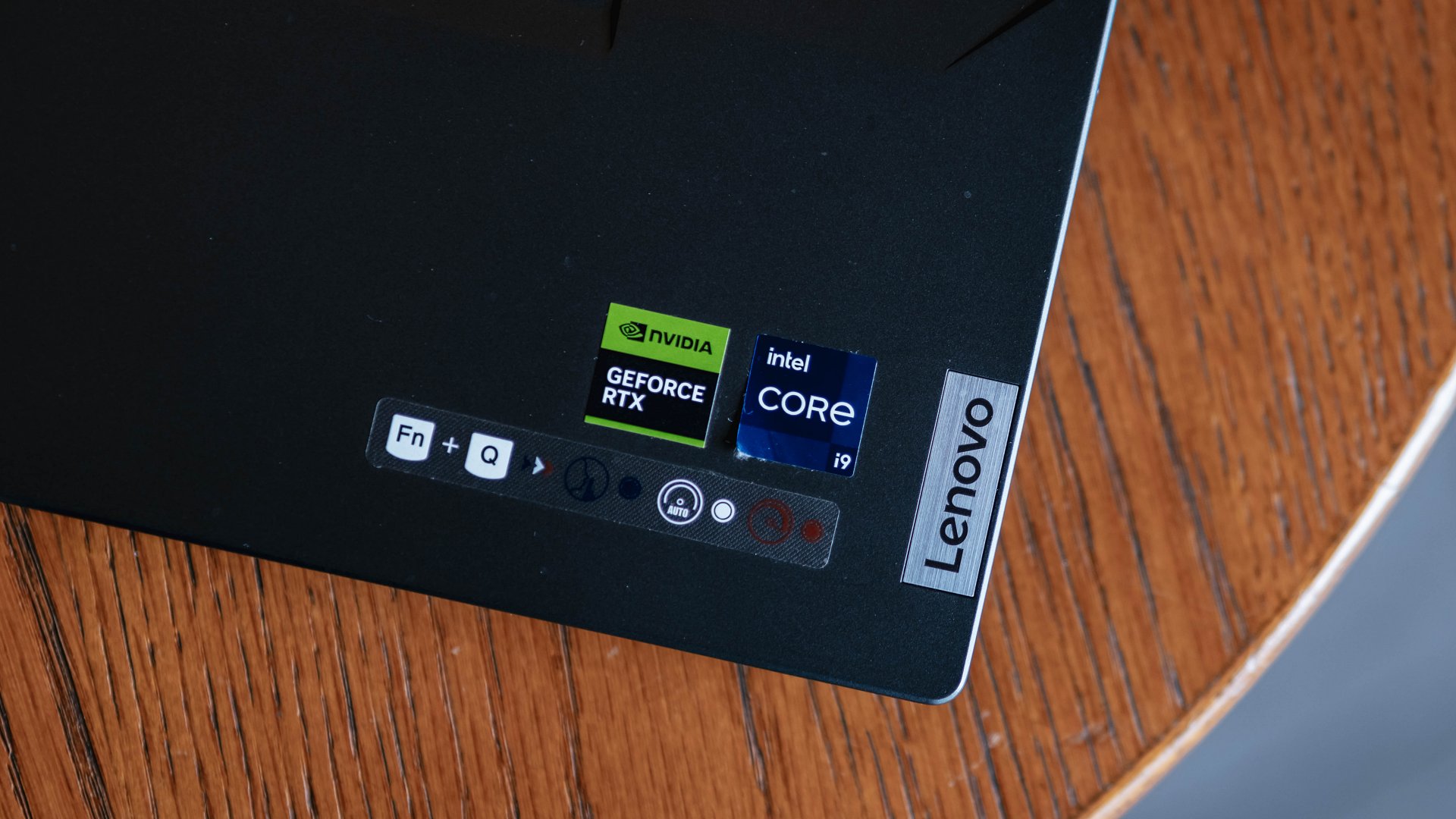
These stickers are getting more expensive.
And that’s before the effect of these data centers on regular consumer technology. Besides all that land, they need a horde of silicon. That’s why NVIDIA has stopped positioning itself as a GPU company, and that’s why all the chips just disappeared. All those data centers are buying up the world’s stock of chips. It’s all a matter of supply and demand at that point; scarcity drives prices up, and we’re left to pick up the pieces. The GPU that was supposed to go to your new PC is now inside a data center somewhere in the States.
Even if you don’t live near a data center, you’re still not safe. Companies, especially in the Western world, believe that AI can replace human workers, leading to mass layoffs. To be clear, while AI can help with productivity when used as a tool, a full replacement isn’t the most feasible option yet. In fact, according to Fortune, AI is just a convenient scapegoat when companies simply want to cut labor expenses by any means necessary.
And yet, the party goes on. Huang is adamant that you are on the ground floor of a revolution that will change the world. But, sorry, bucko; that elevator is going up without you.
The mask falls
As tempting as it is to pick on a single target, the NVIDIA CEO wasn’t the only Monsieur Gustave gallivanting around COMPUTEX. Qualcomm’s Cristiano Amon had his own keynote speech to herald the annual conference. But, opposed to decadence of Huang’s optimism, Amon lets his mask fall just a tiny bit.
To his credit, Amon didn’t extol Qualcomm’s developments exclusively. Rather, he spoke of the overall effects of AI on our world. It’s, of course, the usual optimistic accoutrements of harder, better, faster, stronger for society. Eventually, his excitement gets the best of him and lets slip some shadier effects.
“6G will turn us all into walking cameras,” he said, talking about how AI will affect connectivity.
Now, to be fair, radio frequency sensing isn’t new technology. It’s already been possible to detect objects using only radio signals. 6G, bolstered by AI, will expand this to cover a much wider area for more possible uses.
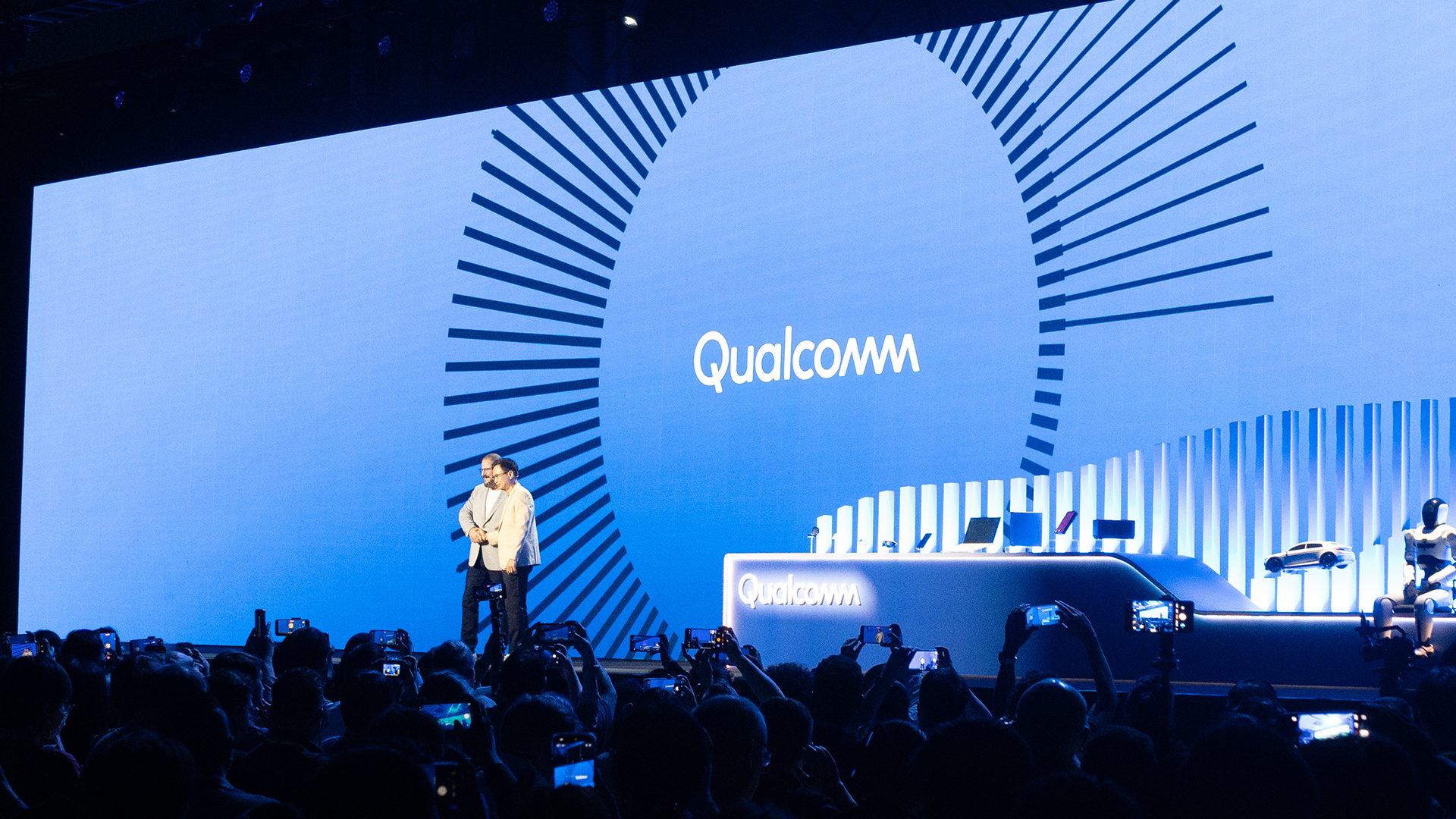
Amon himself admits that it was a controversial statement. But perhaps, he doesn’t know (or care) about any potential invasions of privacy. He remains ever-so-confident that the use of 6G for surveillance will ultimately help with public safety and infrastructure.
All I can think of is The Dark Knight‘s Lucius Fox doing the moral thing and shutting off Batman’s mass surveillance system after finding the Joker.
It’s a tiny slip, but it speak volumes. Your privacy is a sacrifice that they’re willing to take.
As if that’s not enough, Amon signs off on his diatribe with a succinct “resistance is futile,” talking to those who still oppose AI.
An odd way to start off a celebration of AI, isn’t it? Traditionally, that phrase is one oft used by villainous characters, but that’s just par for the course in today’s AI-infested world. Peter Thiel, one of the moguls of AI, infamously named his company Palantir, the same malevolent surveillance tool used by Sauron in The Lord of the Rings. For some, masks don’t really exist.
The other concierge
Speaking as someone who keeps his finger on the pulse of AI more on the Western side of the world, it’s strange to see a different side of the coin. Huang and Amon are icons. You can’t last two seconds without seeing a single mention of AI somewhere on the show floor. There’s a palpable electricity when talking about the potential of AI.
And to be fair, when I talked to a few developers and engineers, I can feel the optimism. One talked about a voice assistant that would suggest better gift ideas for her spouse based on their history. Another one passionately talked about how much gaming has been better with DLSS 4.5. They truly believe that AI can work to their (and our) benefit, and I believe them. Underneath the smarminess of tech billionaires are ordinary people who found ways to better society. That’s where the conversation about AI should start.
But that’s not what the people want. The people want the parties, the glitz and the glamor. And all these billionaires desperately want to be the next Steve Jobs, the next Great Gatsby. And everyone else wants someone to hate.
In Taiwan, it’s not easy to hate a Monsieur Gustave that wants to make you feel welcome. It’s much easier to come for a monster taking your land, your jobs, and your money.
In Taiwan, Monsieur Gustave can have his parties, his adoring friends, and his fancy leather jacket. But in the rest of the world, he finds in himself the caretaker of an entirely different hotel, The Shining’s Overlook Hotel. Beneath Monsieur Gustave is Jack Torrance, and he’s always been the caretaker.
“Here’s Jensen!”

The other concierge.
Reviews
Close without crossing: A Xiaomi 17T Pro photo essay
Distance and closeness are not always opposites.


I have spent the better part of the last few weeks grappling with multiple emotions.
I feel silly referencing this but as a “feel” type, my days are guided by vibe and mood. It’s been a challenge trying to reconcile and make sense of everything.
Thankfully, the Xiaomi 17T Pro presented an unexpected outlet.
So no, this isn’t exactly a review of the Xiaomi 17T Pro. This is yours truly, once again, processing feelings through a telephoto essay.
The “T” is for Telephoto
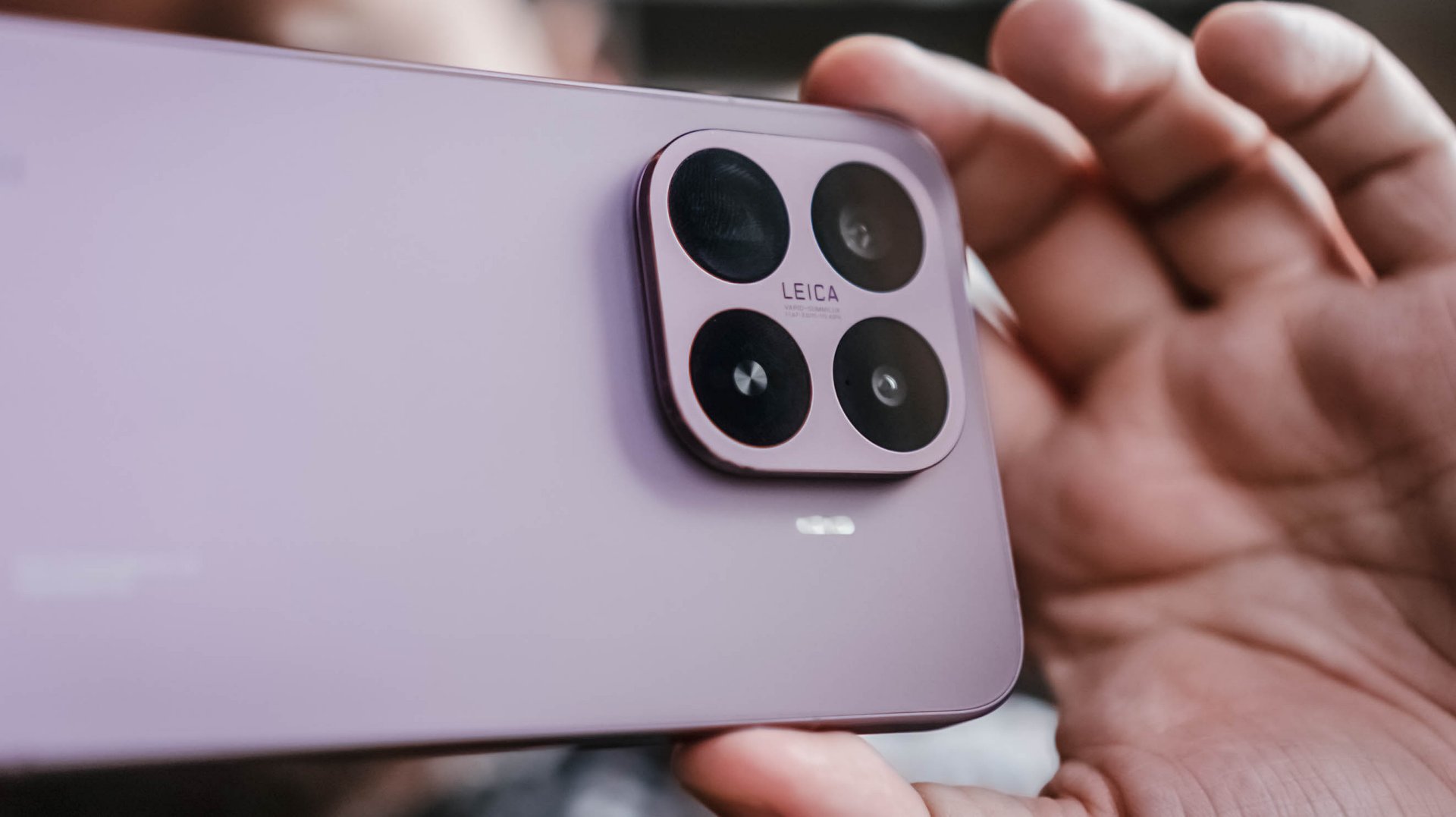
When being briefed about Xiaomi’s latest device, my favorite part was when a guest photographer jokingly attached the T in the Xiaomi 17T series to “telephoto.”
It’s not official or anything. But in this case, it made perfect sense.
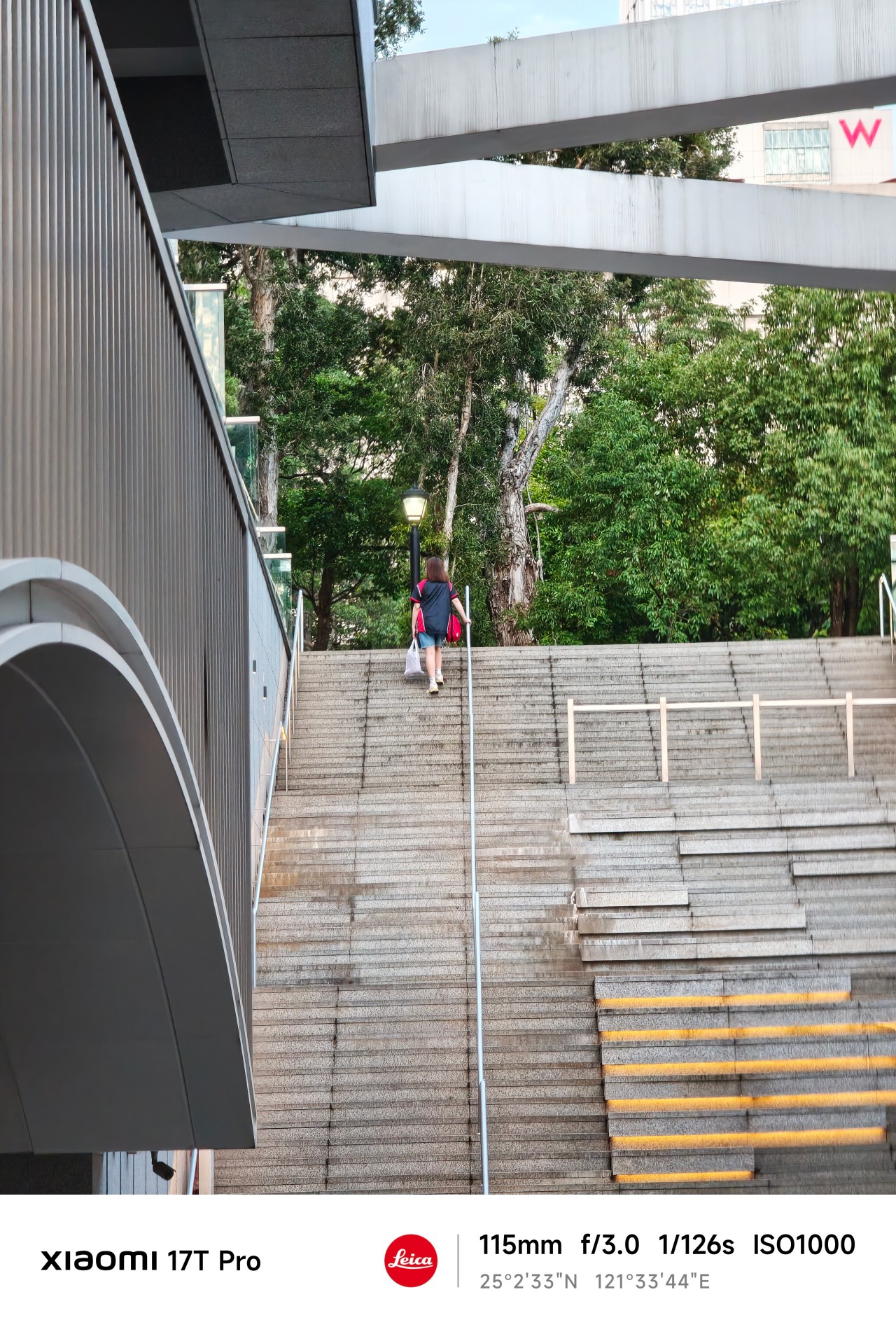
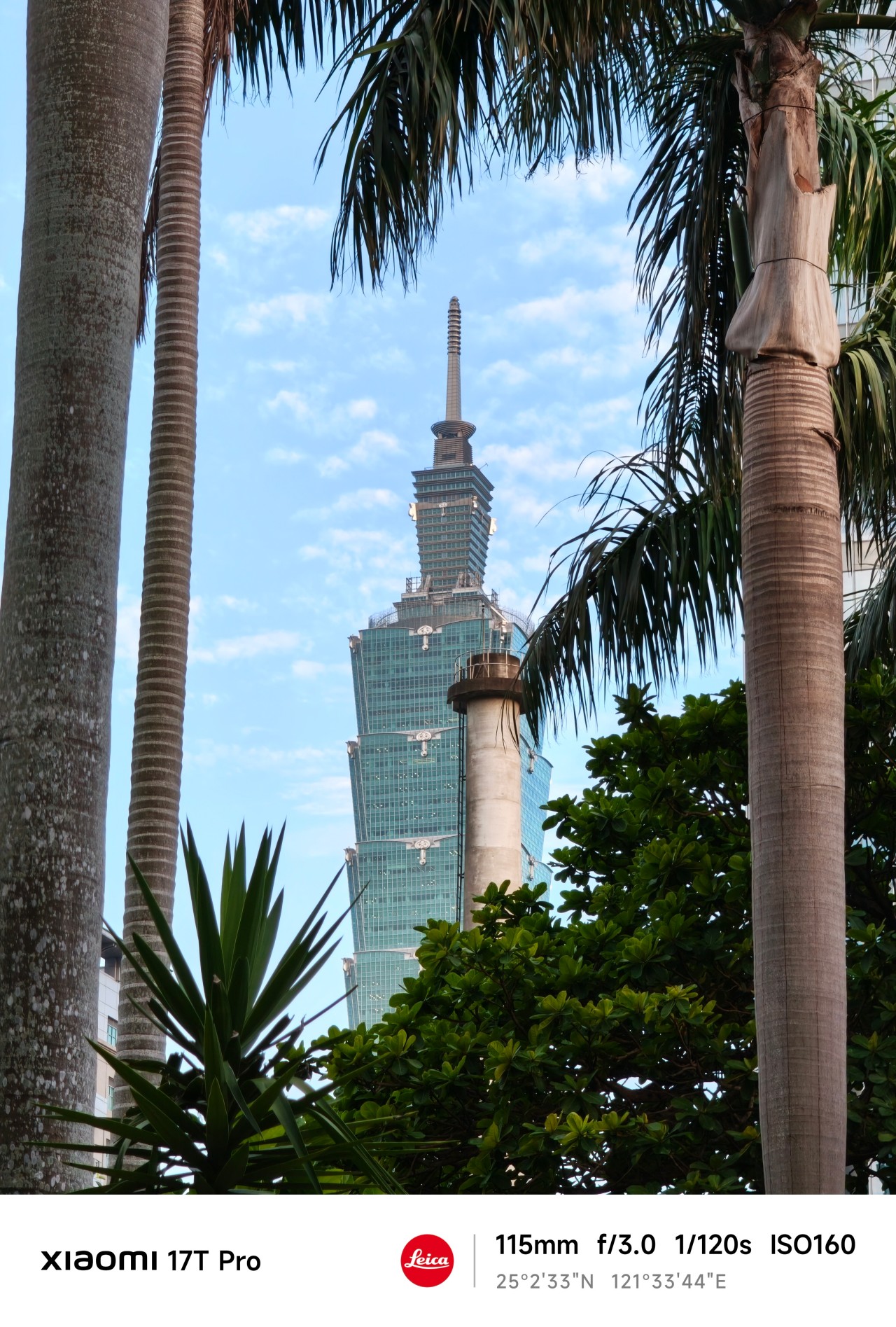
My relationship with Xiaomi’s T series has always been a little complicated. For a while it felt like it was searching for an identity. One year it was positioned as a performance-focused device. Then it became an all-rounder.
Now, one of its biggest highlights is a dedicated 115mm equivalent telephoto camera. The reality is that it might actually be all of those things at once.
For this piece, however, I ignored almost everything else. I shot almost exclusively at 115mm.
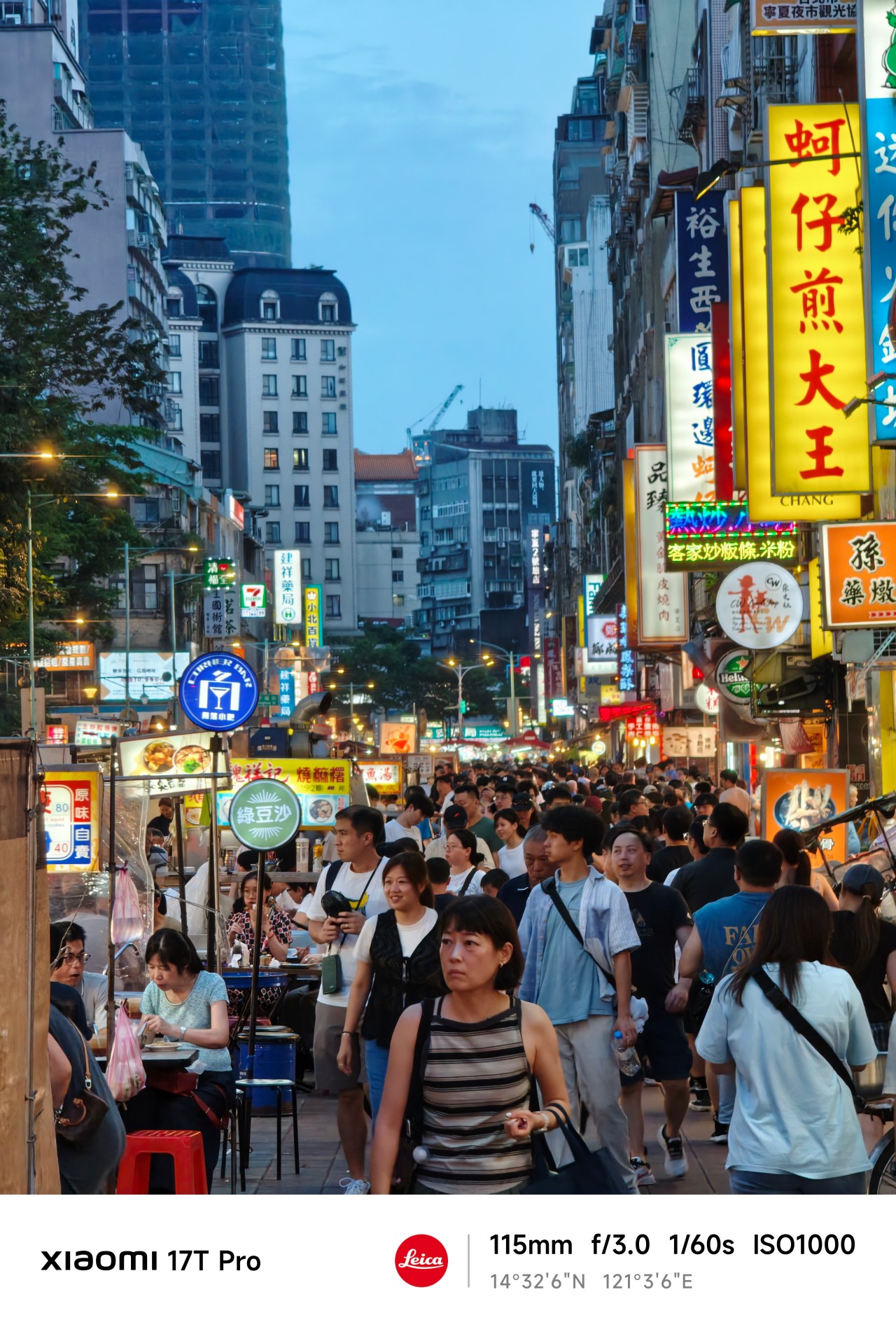
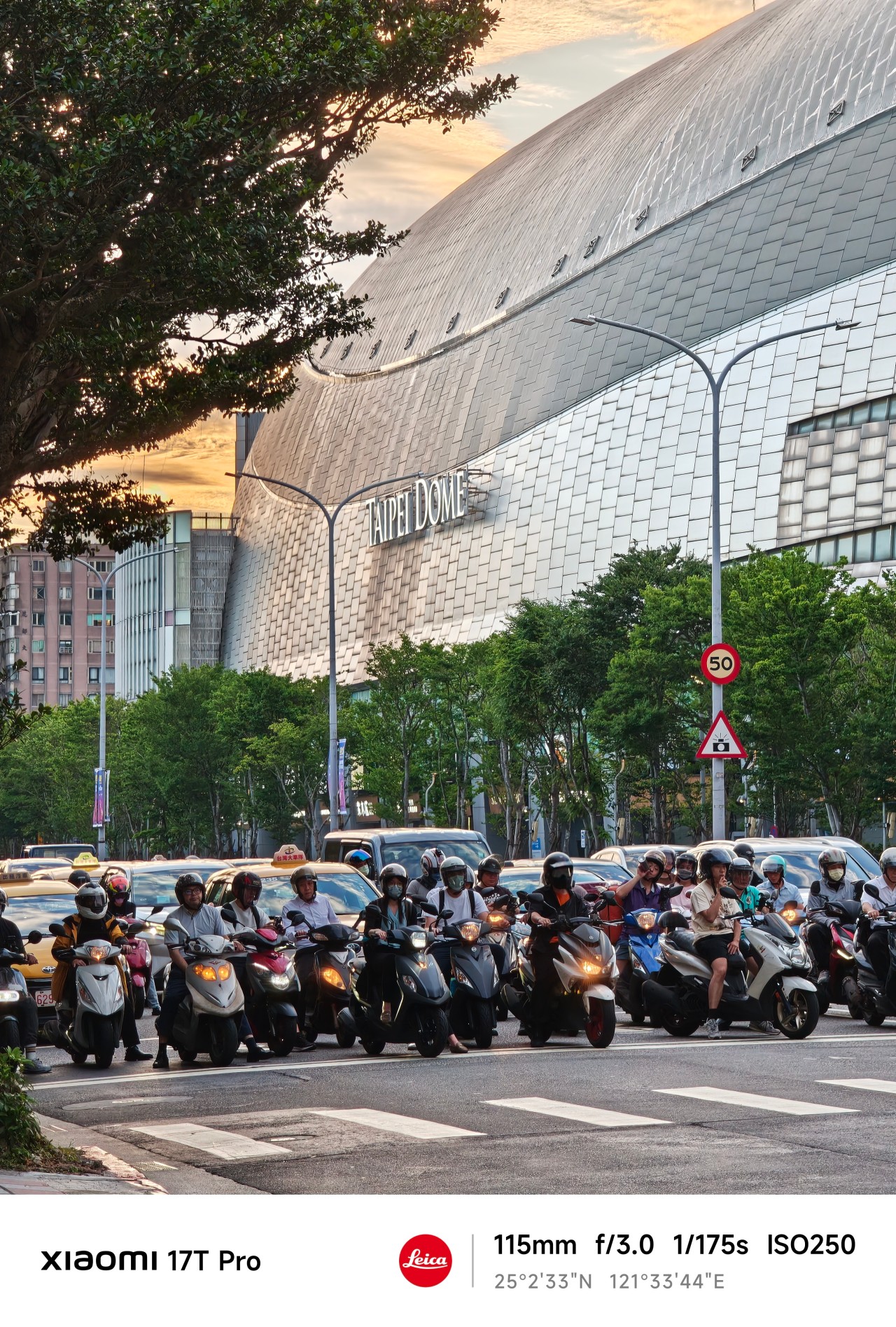
No elaborate test plan, no checklist of scenarios, and no mission to prove a point. I simply carried the phone everywhere and photographed whatever caught my attention.
At first, I thought I was testing a camera. Eventually, I realized the camera was teaching me something instead.
Chasing
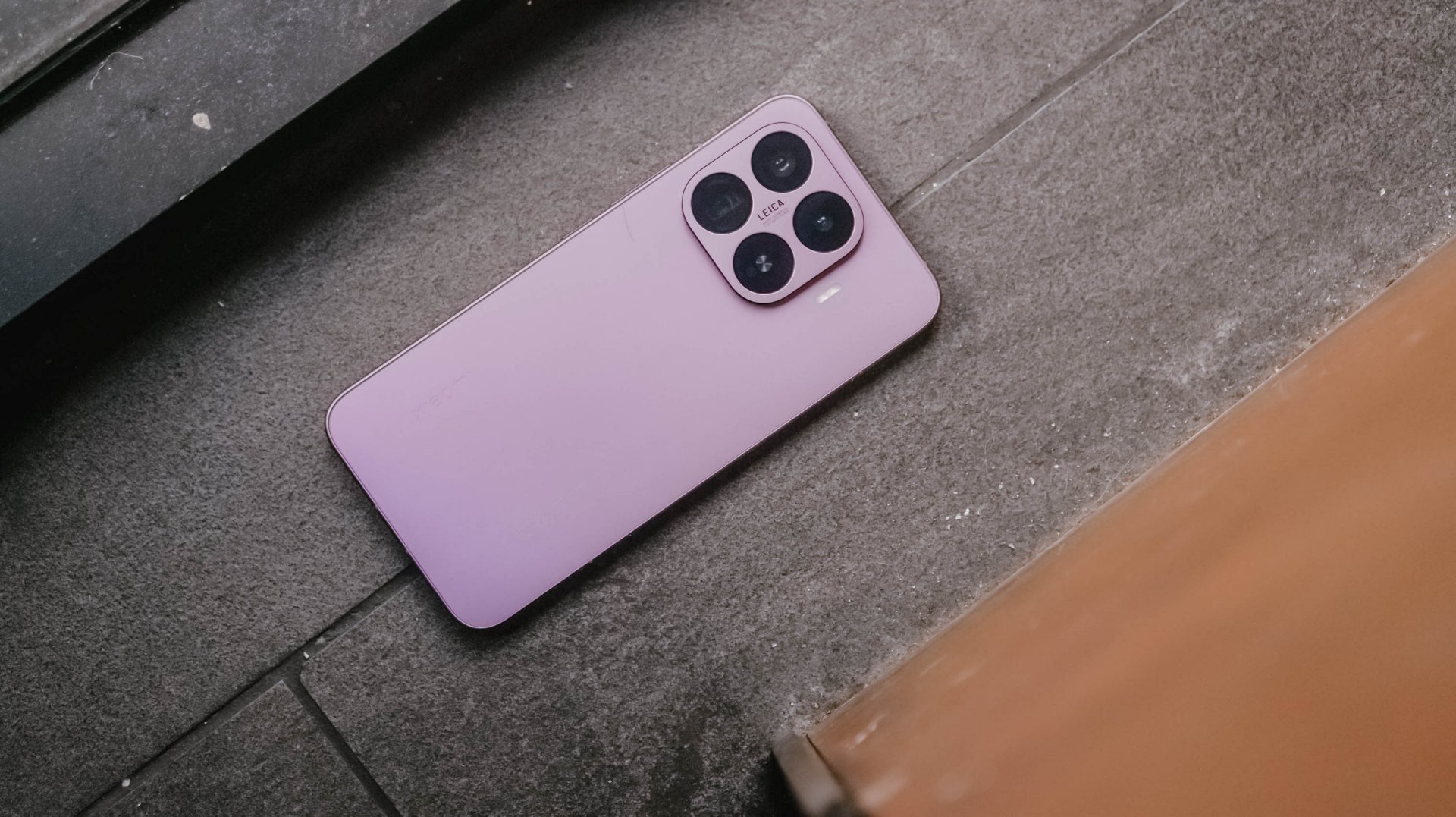
When the year started, I was certain about something. Or perhaps someone.
The conversations were easy. The banter felt natural. The possibility of something more lingered quietly in the background.
After a few genuine attempts, reality eventually became clear. This wasn’t going where I secretly hoped it would. I felt defeated.
But apparently, I wasn’t done learning yet.
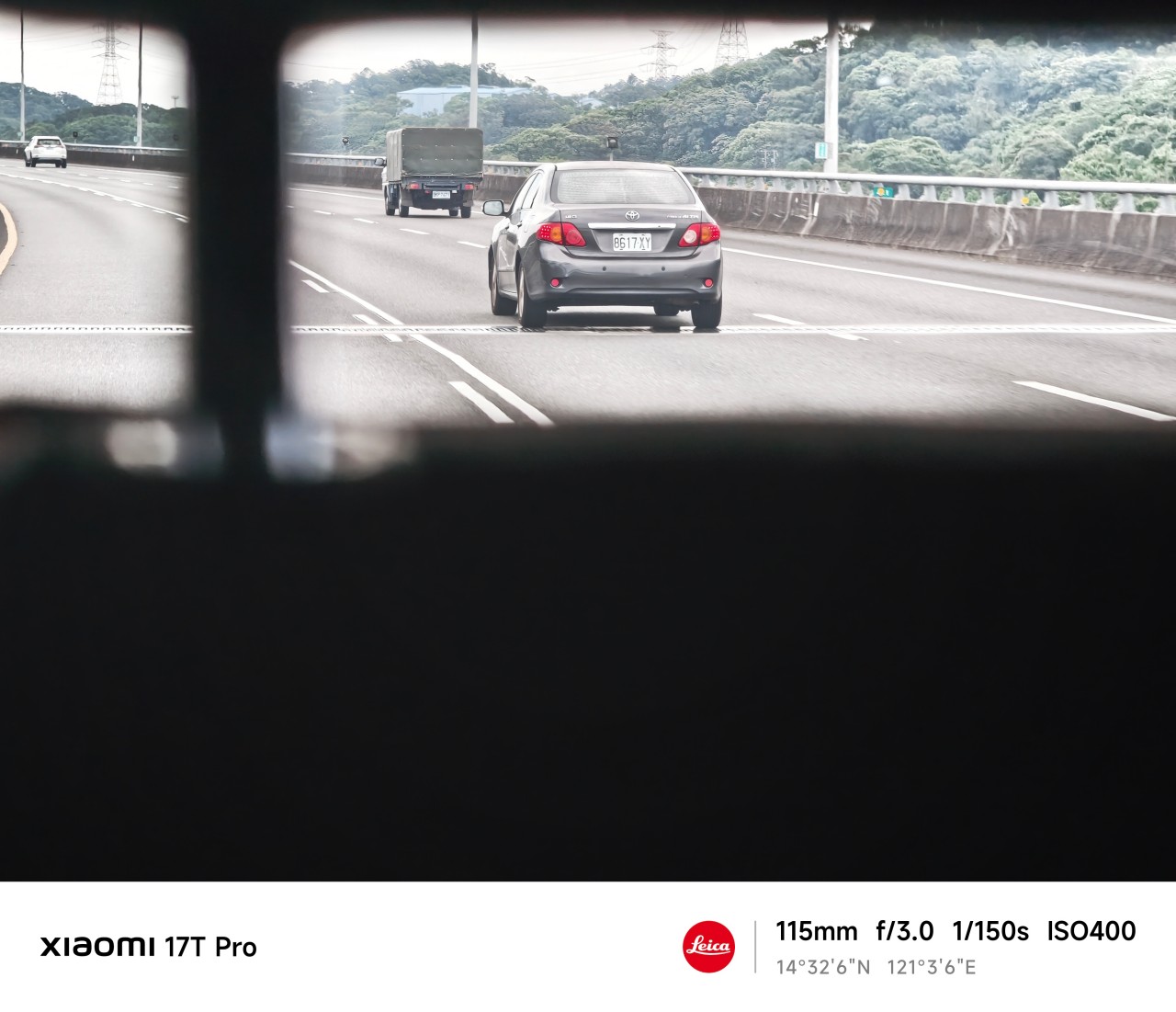
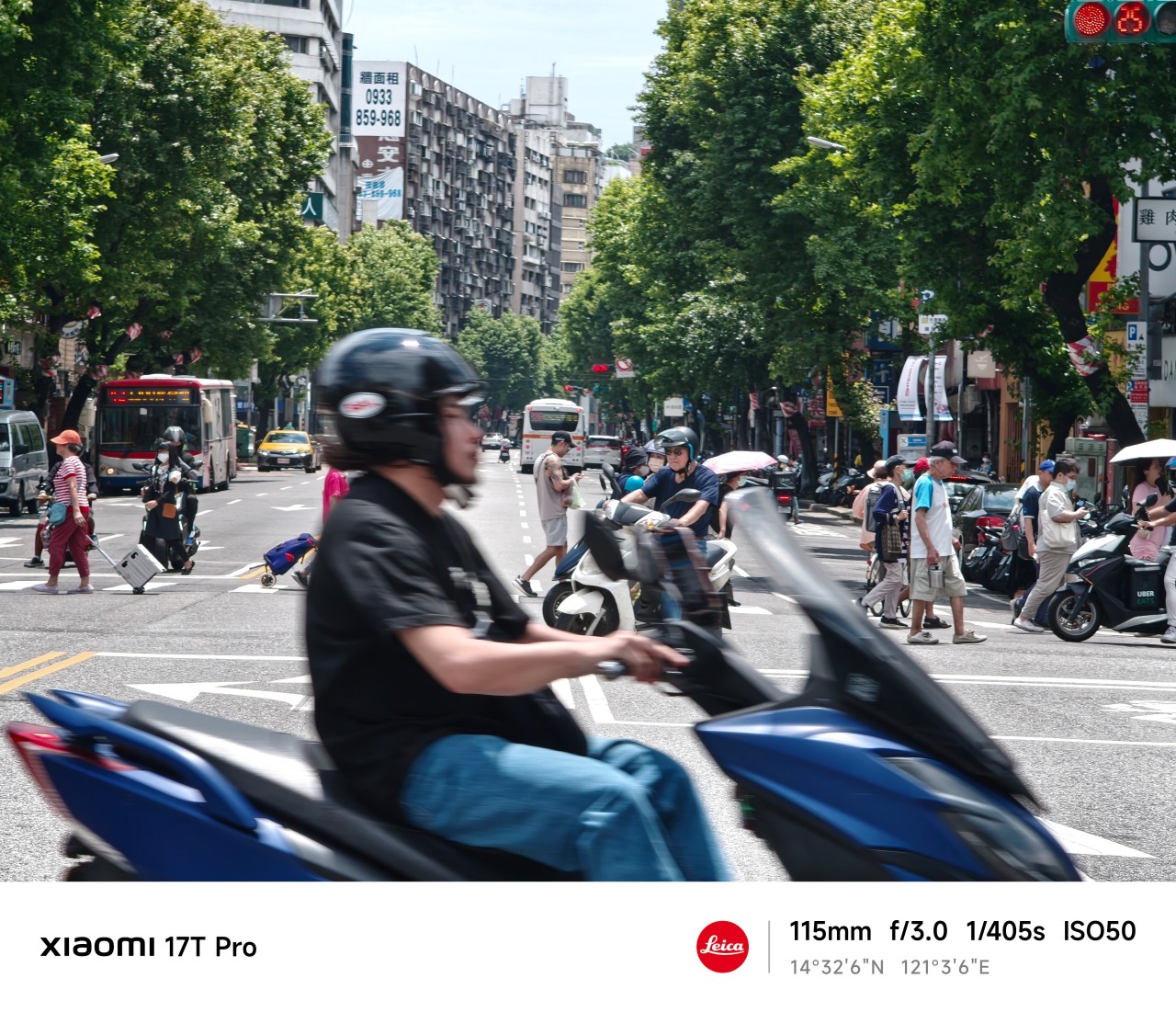
One thing I quickly discovered about shooting at 115mm is that distance changes how you approach a subject.
You cannot simply stand where you are and expect every shot to work. Sometimes you move. Sometimes you wait. And sometimes you accept that a moment isn’t yours to capture.
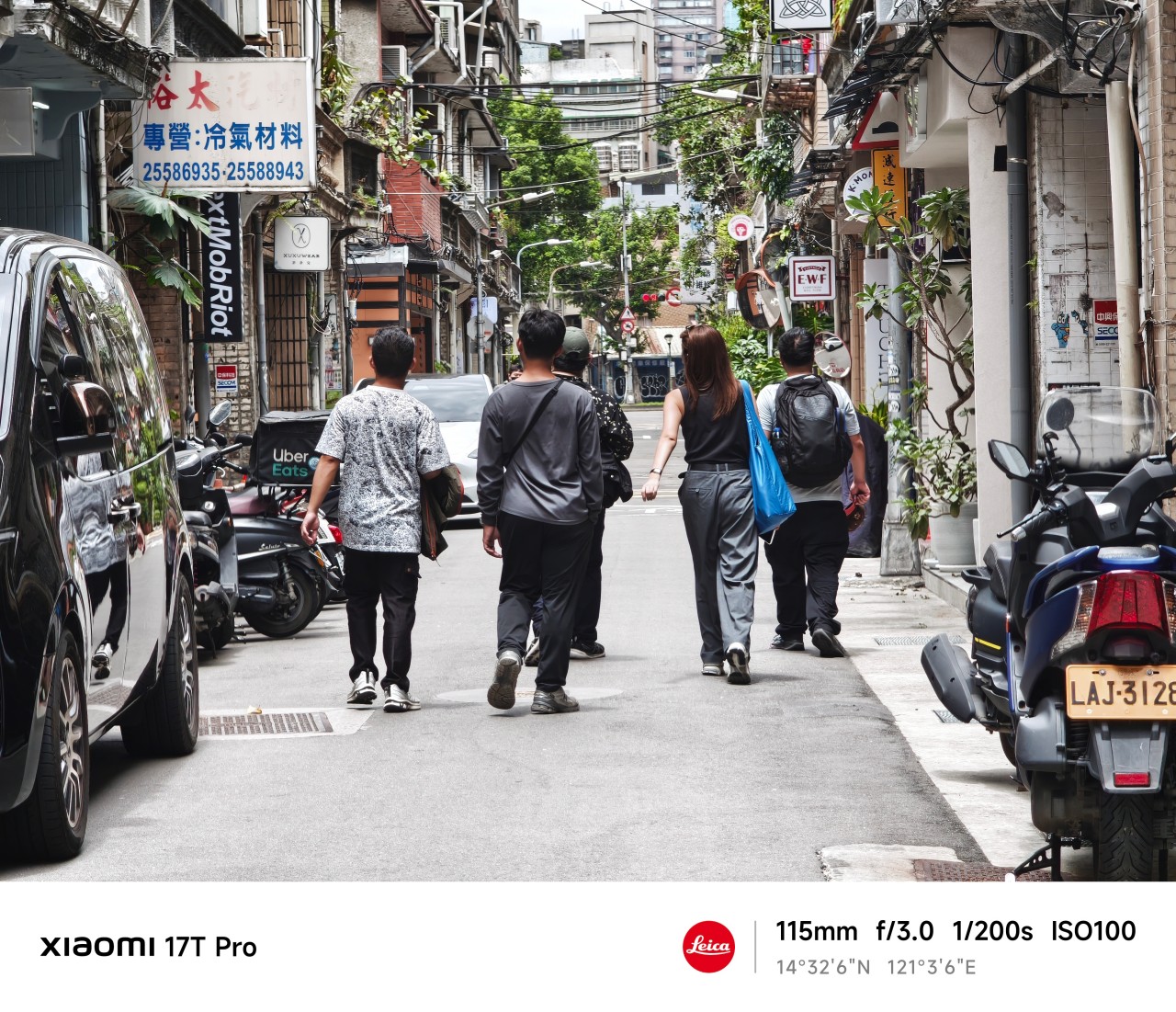 The Xiaomi 17T Pro’s telephoto camera made those adjustments feel surprisingly natural. The focal length compressed scenes beautifully while still allowing me to isolate subjects from busy surroundings.
More importantly, it encouraged patience. Not every frame needed to be forced.


Blind projection
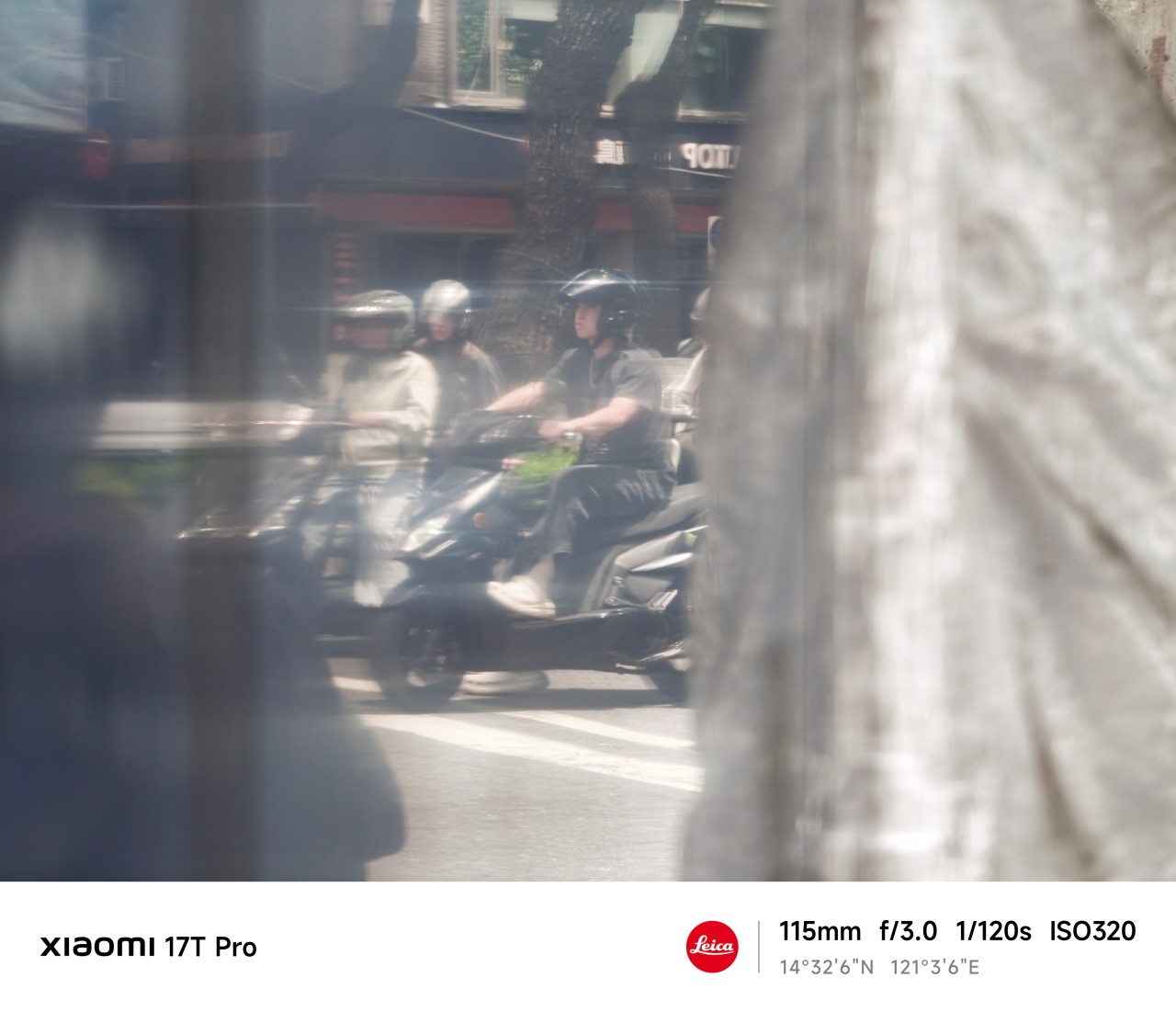
Waiting in the wings was another lesson entirely.
As a photographer, there are moments when something catches your attention immediately. A shape. A silhouette. A person. A scene.
 From a distance, it looks compelling.
The problem is that distance leaves room for imagination. Sometimes too much room. You think you know what you’re looking at. But you don’t.
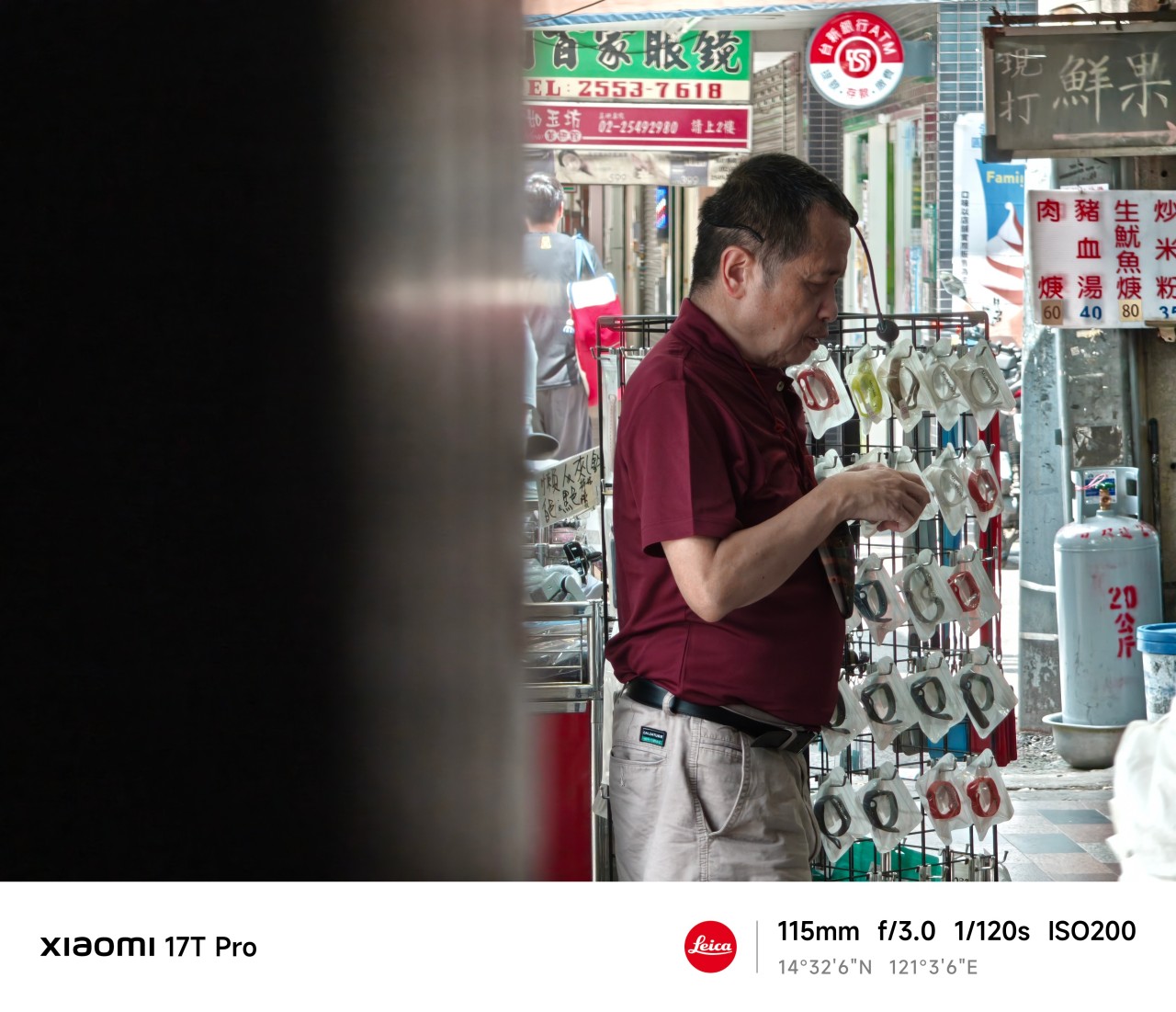
 The more I used the 115mm lens, the more I appreciated how it could pull distant subjects closer while still leaving context around them. It gave me a cleaner view of things that initially felt obscured.
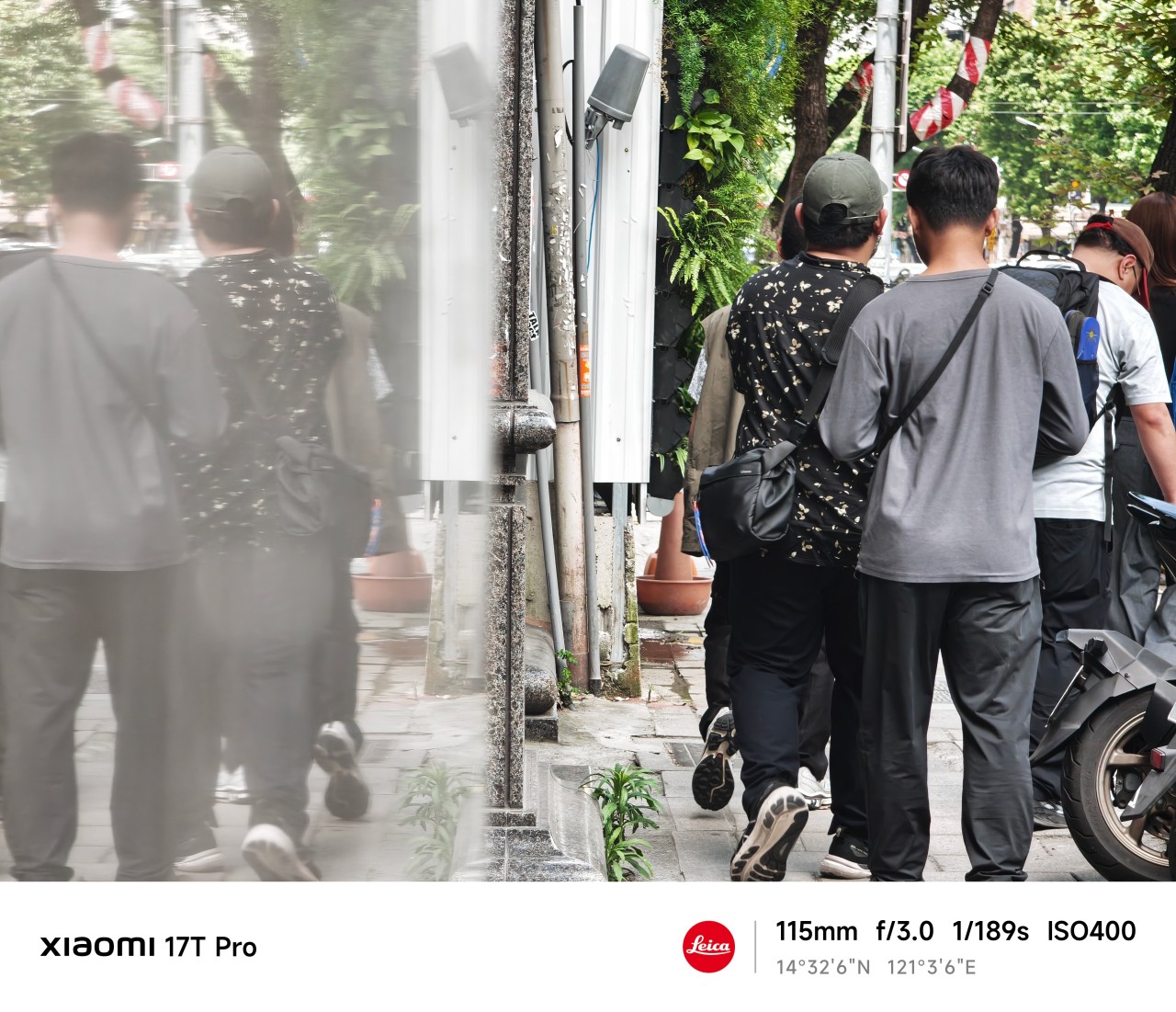
Yet photography has limits. A lens can reveal details. It cannot reveal meaning. That part still requires understanding what’s actually in front of you.
Generative longing
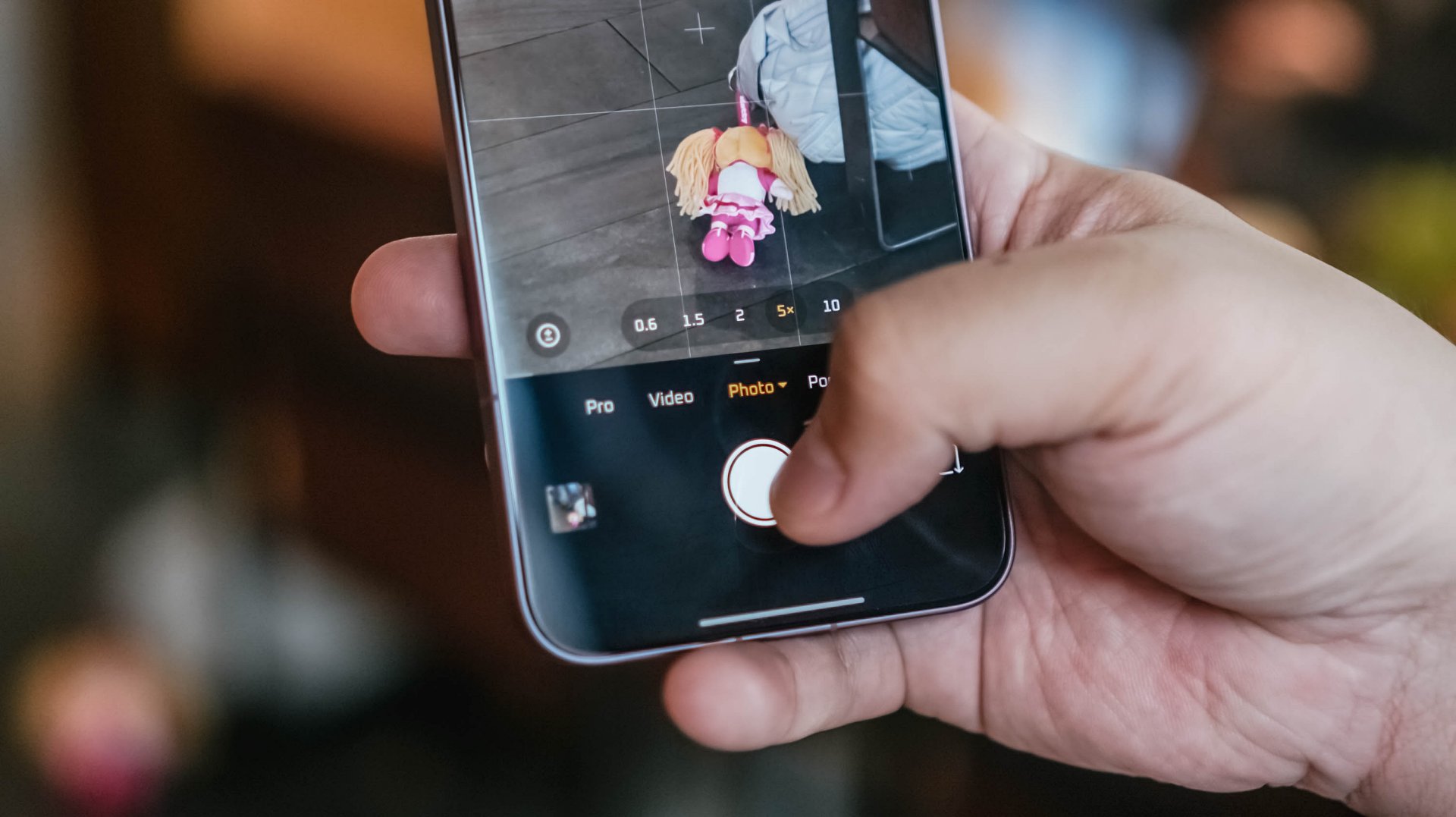
After some quiet reflection, I realized that much of what occupied my attention wasn’t reality at all. It was possibility. Potential.
Stories constructed from incomplete information. As it turns out, people aren’t the only subjects we do this to. Photographers do it all the time.
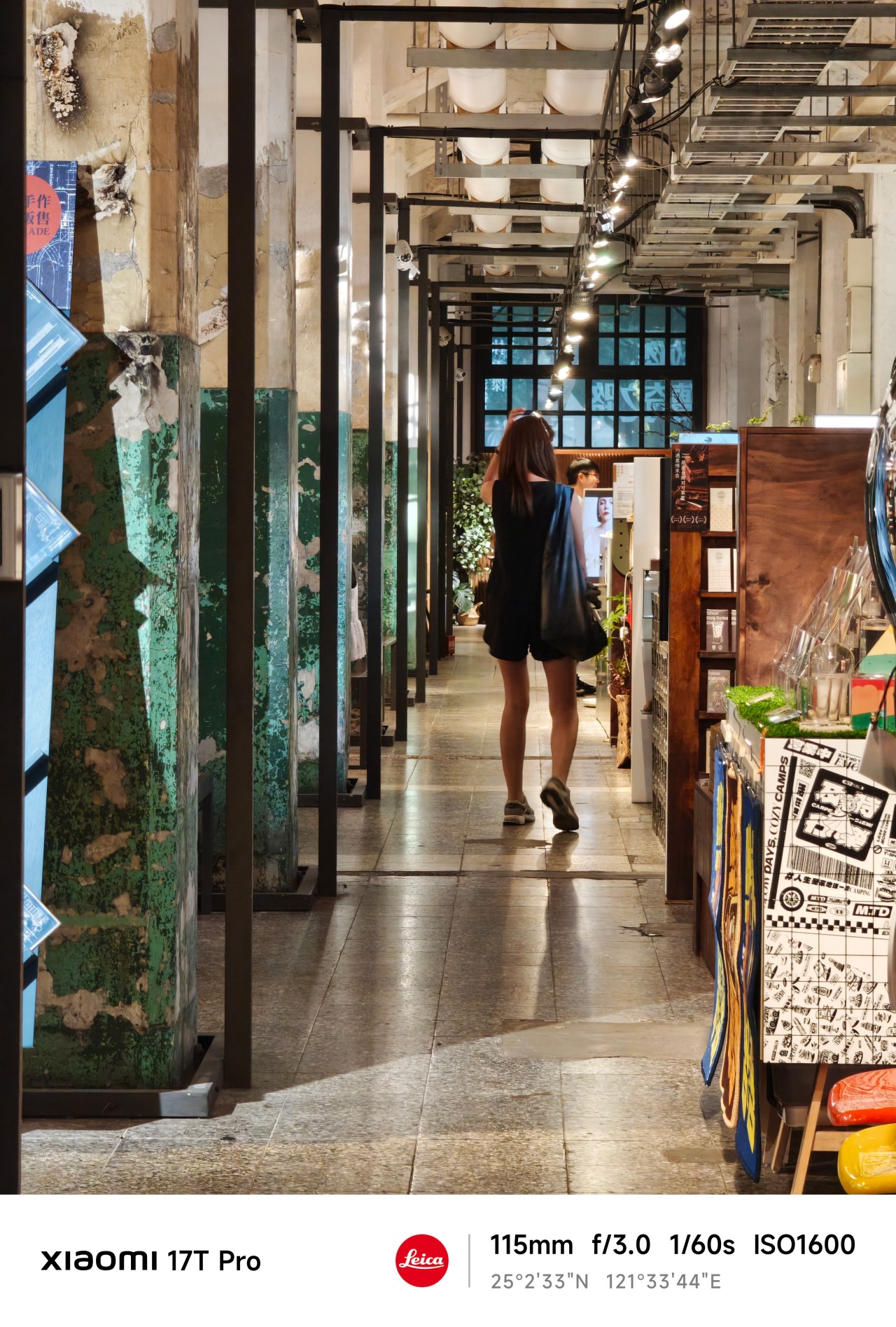

We imagine a frame before it exists. Then we convince ourselves the next corner might hold something extraordinary. And we chase moments that never arrive.
Sometimes they do. Most of the time they don’t.

The Xiaomi 17T Pro encouraged a different approach.
Instead of hunting for specific shots, I found myself roaming freely. Walking more. Observing more. Adjusting my position constantly to find a better composition.

After a few days, I stopped thinking about the lens itself and started understanding the space around me.
I knew how far to stand, what would fit into frame, and when a moment was worth waiting for.

The telephoto camera became less about zooming in and more about understanding my position relative to a scene.
And that’s when things started getting interesting.

Close without crossing
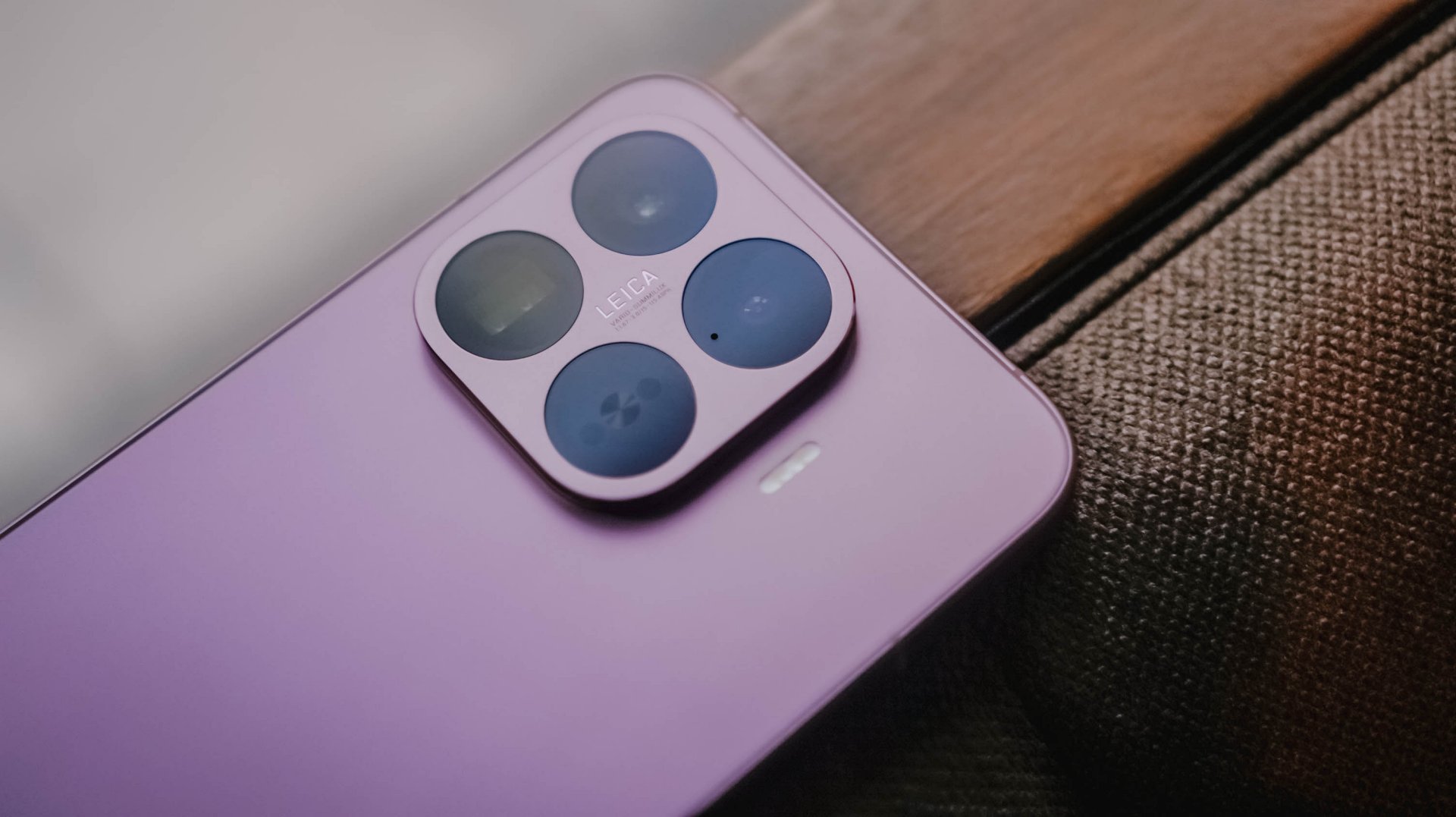
Something unexpected happened while reviewing this gallery. There are more people here than in any collection of sample photos I’ve ever taken.
Normally, I avoid photographing people. I’ve always worried it feels intrusive. The telephoto lens changed that.
 The extra reach allowed me to observe moments without disrupting them. Most of the people here aren’t looking at the camera. Many are turned away entirely. They’re simply existing within their own space.
And perhaps that’s what fascinated me most.


After spending so much time chasing, projecting, and attaching meaning to things that only existed in my head, I found myself approaching photography differently.
There was no grand pursuit. No dramatic realization. No need to manufacture scenarios. I simply paid attention.
 Telephoto photography is often associated with distance. Over the last few weeks, however, it taught me something else.
Distance and closeness are not always opposites.
Sometimes maintaining a little distance is what allows a moment to remain exactly what it is. Sometimes stepping back helps you see more clearly.
 And sometimes the people, places, and experiences that matter most are not the ones furthest away. They’re already within view.
Shooting at 115mm taught me that keeping a little distance can be its own way of staying close.

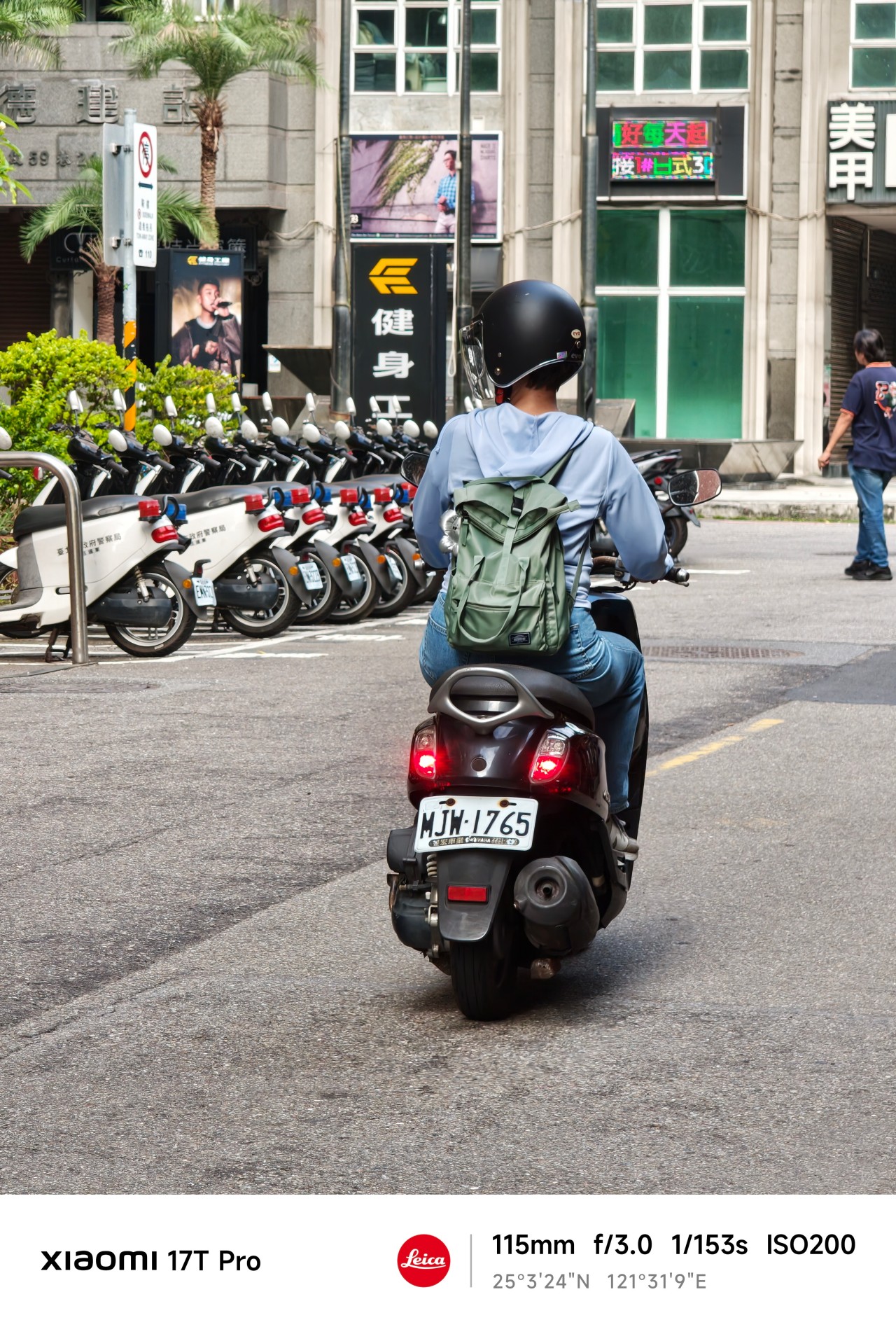
Maybe that’s what this gallery ultimately became. Not a collection of subjects I couldn’t reach. Not proof of anything.
Just a record of moments I was fortunate enough to witness.
Unfiltered
When your fiber Internet connection is treated like a disposable slot
Converge turned me into an evicted subscriber after a year of service.
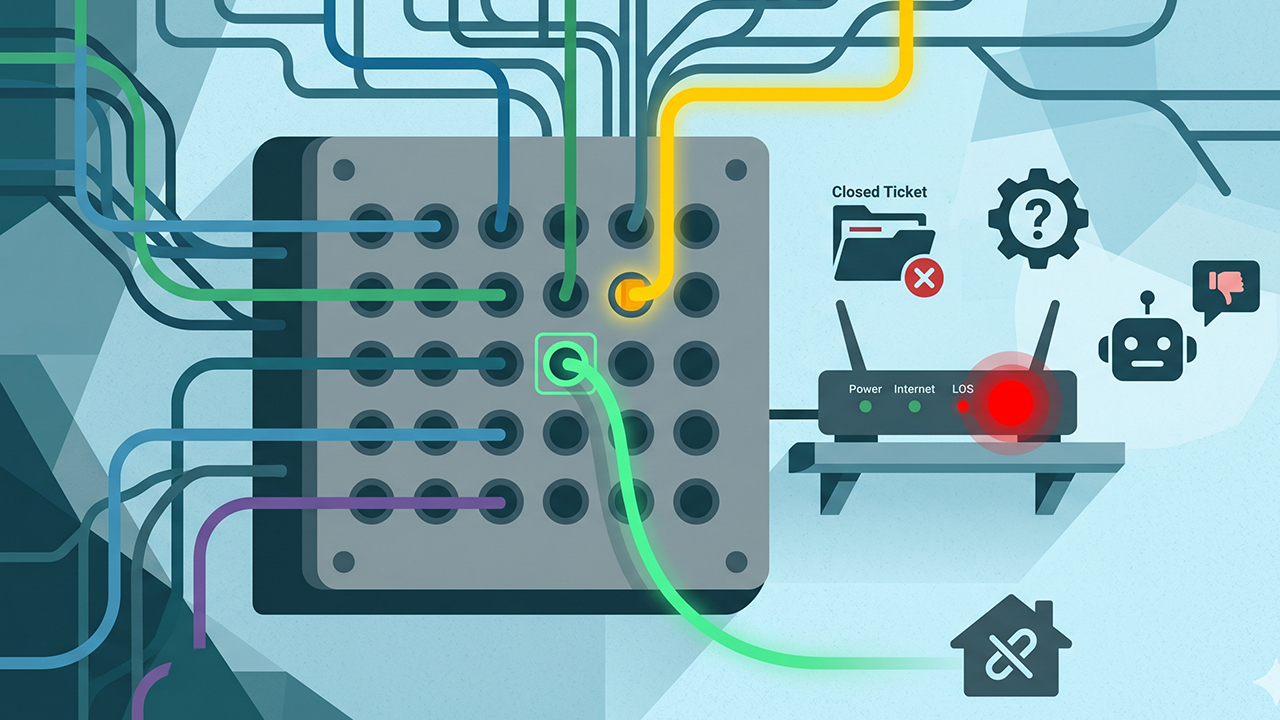
In the Philippines, we’ve been trained to treat a stable internet connection like a miracle.
We pay our bills on time, hoping the “fiber-fast” gods smile upon us so we can work and study, or even stay connected from the comfort of our homes.
But as I found out in the past two weeks after I came from vacation, Converge ICT Solutions doesn’t see you as a loyal customer with a guaranteed service.
To them, you might just be a “slot” in a box; one that can be unplugged the moment it’s convenient for the system.
On May 1, at 11:30 AM, my internet just… died. There were no outage. Just that dreaded blinking red LOS (Loss of Signal) light.
We’ve all been there, right? You restart the modem, you wait, you use your mobile data, and you hope it’s just a temporary glitch. I didn’t know then that I hadn’t just lost my connection. I had been replaced.
Port-snatchers in the telephone room
The next morning, a repair crew showed up at my condominium. After checking the lines inside my unit, we went out to the hallway to check the telephone room where the NAP box is located.
This is the central hub for our floor, and I’ve been plugged into it for over a year now. I was there first. But when the technicians opened that box, they told me something so ridiculous I thought it was a prank.
My fiber line had been pulled out of its assigned slot. In its place, a newer subscriber — someone who had likely just signed up — was plugged in. I dreaded the fact that my connection wasn’t broken. It was manually removed.
It’s like paying for a reserved parking space in your own building for a year, only to come home and find the building manager gave it to a new tenant because they didn’t want to find a new spot.
In the world of Converge, your seniority and your contract mean nothing if there’s a new installation to be finished.
The “QA” trap where logic dies
This is where it gets truly frustrating. A second repair team came by a few days later and confirmed the situation. They saw the problem, and they knew exactly how to fix it by simply swapping the wires back.
They actually tried to help. But then came the “QA” (Quality Assurance) roadblock. The team told me they couldn’t leave me connected because they needed to “investigate” first.
Even though everyone knew my line was removed to make room for someone else, the “process” became more important than the customer.
It was a total circus. The technicians knew what was wrong but weren’t allowed to fix it. Meanwhile, the office claimed they were investigating while I sat in the dark. To top it off, the automated system kept closing my tickets because I wasn’t “responding” to their automated messages, even though the only response I wanted was a working connection.
I wasn’t a resident in their eyes. I was just an inconvenience in their workflow.
Scary reality of the empty slot
After I started talking about this, I realized I wasn’t alone. I heard stories from other people who had their lines “reassigned” or “swapped” just to get a new installation done quickly.
It’s a scary thought: if a NAP box is full, it seems easier for a technician to just unplug an old client to hook up a new one. It makes the company’s “new activations” look great on paper, while those of us who have been paying for years are suddenly erased from the system.
The most frightening part? As I write this, I am still offline. Despite the technicians seeing with their own eyes that my port was taken, the red light is still blinking.
To add insult to injury, the system already closed my ticket through an automated notice, even though the problem is very much unresolved. I am still waiting for “QA” to finish an investigation into a problem that has an obvious physical fix.
Even with continuous attempts to escalate the issue properly, they were still unable to address the issue.
It makes you realize how powerless you are once you’re stuck inside their machine. We’re not really paying for data. We’re paying for a commitment that seems as thin as a fiber wire.
Next time your LOS light starts blinking red, ask yourself: Is my line actually broken, or did they just give my slot to someone else?


realme C100: Enduring and durable in spite of entry-level realities
Enough power but needs more agility


The ASUS ExpertBook Ultra wins you over
The laptop sneaks up on you


Nexal Watch Sport review: A rugged watch for small budgets
I couldn't believe that watches this good could come for this cheap.

Apple Watch, AirPods get exclusive offers via Beyond the Box

Canva teams up with SB19 to turn A’TIN’s passion into creativity

SQUARE ENIX STORE Plus expands presence in Asia, Oceania

Maya: Convert purchases to 0% interest Mini Payment plans

Netflix: Kris Aquino makes on-screen comeback with fictional role


-

 Automotive5 days ago
VinFast debuts two-wheeler models, opens 21 e-motorcycle showrooms
-

 Computers1 week ago
AMD launches Radeon RX 9050 graphics card
-

 Computers2 weeks ago
AORUS MASTER 16 Gen 2 2026 AI gaming laptop launches
-

 Gaming2 weeks ago
God of War Laufey finally confirms its highly anticipated launch date
-

 Automotive1 week ago
Xiaomi debuts SkyNomad Series featuring new Kunlun platform
-

 News4 days ago
OnePlus officially leaves the United States and Canada
-

 Gaming2 weeks ago
NBA 2K27 gameplay trailer showcases new dunk mechanics, Rucker Park, and more
-

 Gaming7 days ago
Call of Duty: Modern Warfare 4 clip shows Losing Ground 1st look