
Features
NBA 2K17: The Prelude is a sign of great things to come


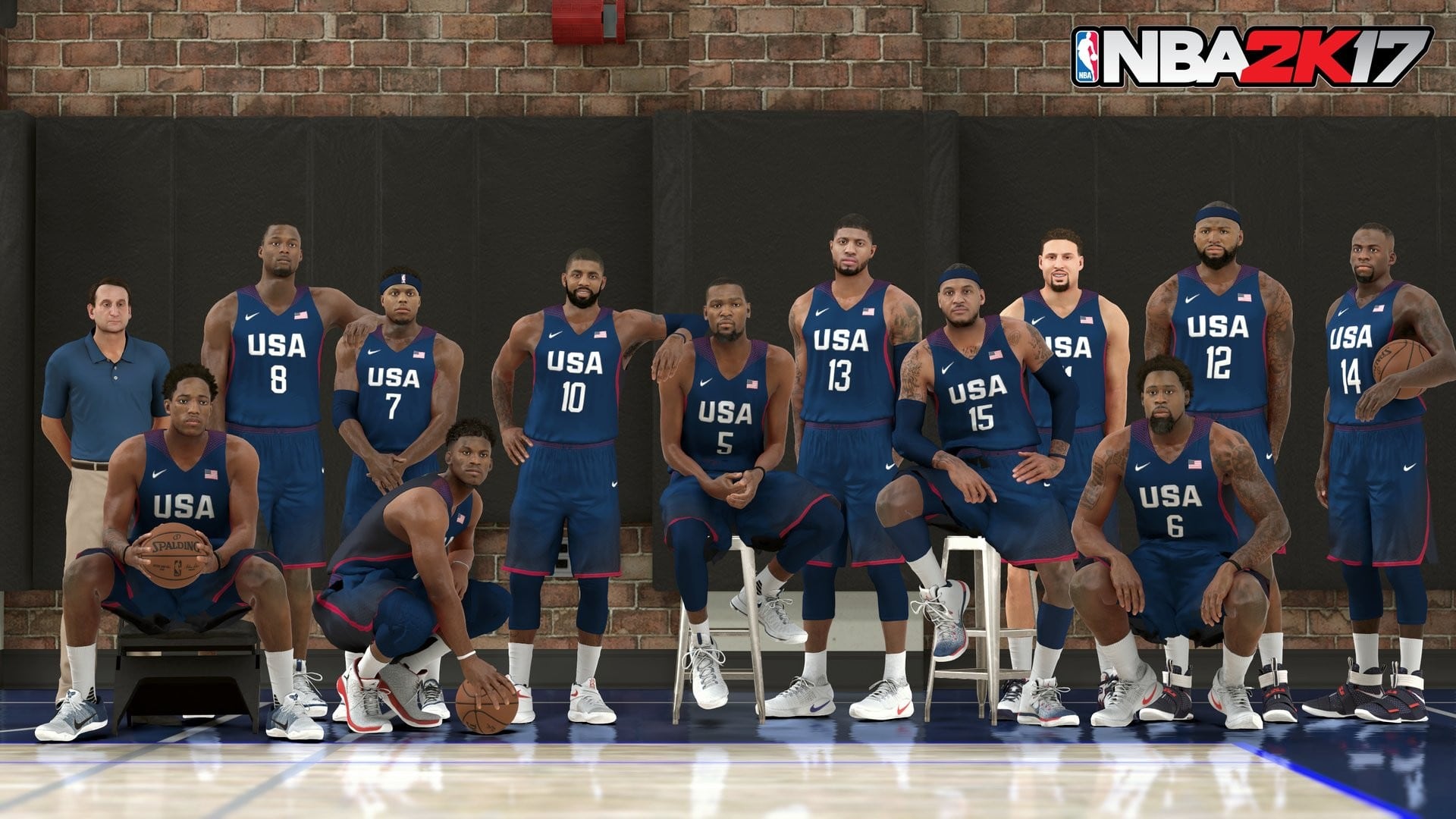
What goes up must come down. Right? The NBA 2K17: The Prelude demo was launched this weekend on PS4 and Xbox One to give fans a taste of what to expect from this year’s entry to the series.
The biggest problem with yearly franchises like NBA 2K is peaking. Series like Assassin’s Creed and Call of Duty have shown that it is difficult to keep iterating on a game and show significant improvements that would entice players. Which is why Ubisoft is taking a break from making an Assassin’s Creed’s sequel to focus on other titles.
It seemed like only a matter of time until NBA 2K succumbed to the same fate as the once prestigious NBA Live franchise and wound up dealing with the issues of a short shelf life that could lead to gamer fatigue.
I always thought the NBA 2K series peaked in 2014. Or that it would start to experience decline during these recent years, after several improvements to gameplay and graphics. But credit the development team’s tenacity for bringing innovation and attention to detail, because NBA 2K continues to break new ground.
With a revamped MyCareer mode, which promises a cinematic narrative of an NBA prospect’s journey from college to the pros, and a new face-scanning system that makes it easier than ever to put your likeness in the game, NBA 2K17 is shaping up to a be a unique and worthwhile addition to the franchise.
But I’m getting ahead of myself here, as the game isn’t due out until next week, September 16 (for those who pre-ordered, anyway; September 20 is the global release date). For now, I’ll focus on what I can critique.
Physical gameplay
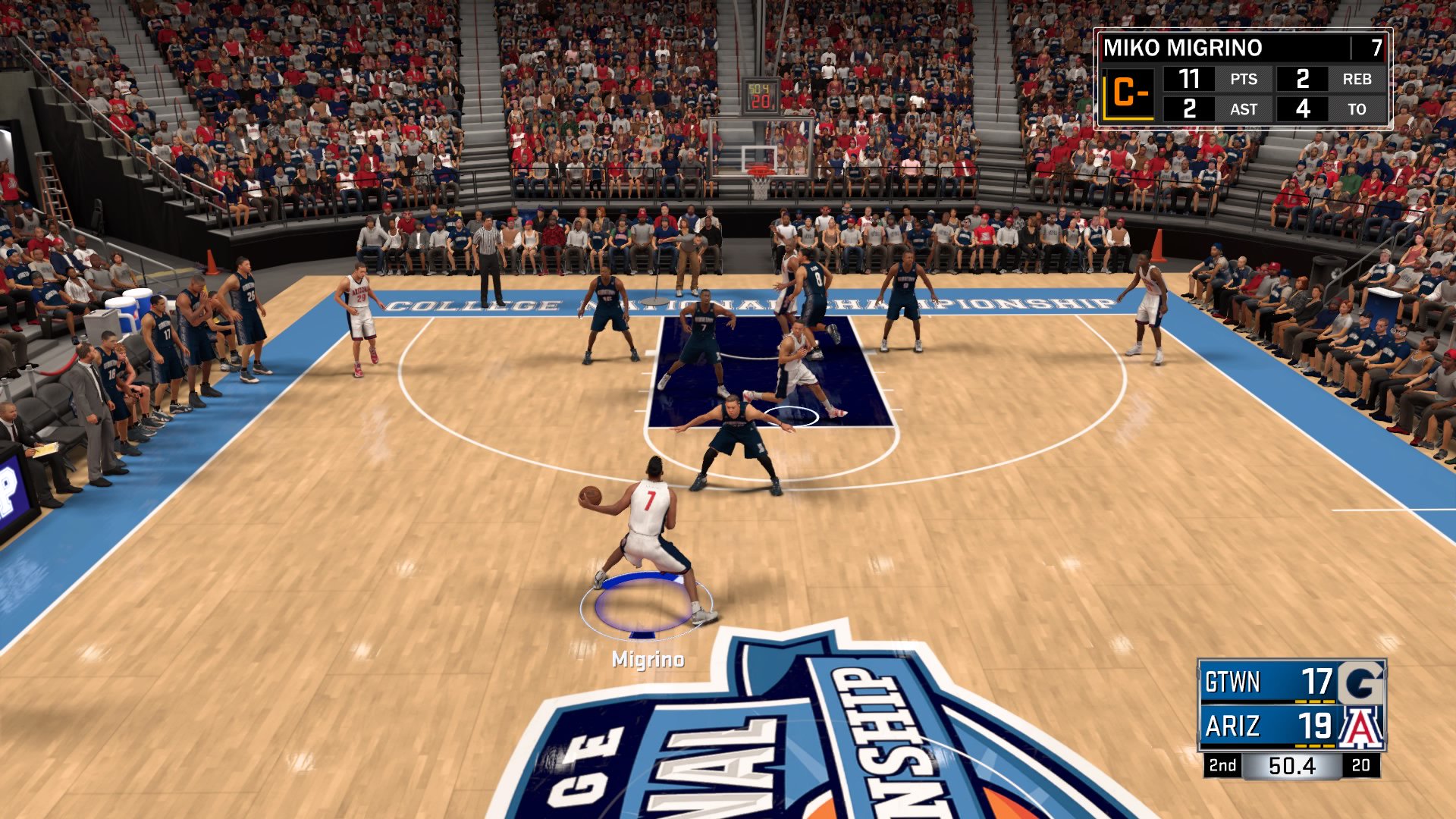
In the “Friction” trailer that 2K Games released a few weeks ago, we noticed an emphasis on physicality, the kind we see in an actual NBA game. Contact looked much more real, especially off the ball.
It turns out physicality is a huge part of NBA 2K17. Boxing out for rebounds; fighting through screens; dribbling through contact — all of it feels much more real now, thanks to an improved contact-recognition system that ties together with a ton of new animations. Even an opponent swinging his elbow has repercussions and can cause your controller to vibrate.
This combined with my favorite gameplay element from last year, which was the momentum physics when changing direction, shows why, even this early on, NBA 2K17 is the best simulation game of its kind. And it reaffirms that it is in fact light years ahead of the competition.
Gameplay-wise, the latest installment introduces some notable tweaks like a new shot meter, the ability to throw a skip pass across the court, and the ability to rapidly shift your position on defense, which is something I have been desperately hoping for.
MyCareer story mode
I had honestly given up on previous iterations of NBA 2K‘s MyCareer story mode because of the monotonous experience of playing through NBA seasons and answering repetitive post-game questions from the media.
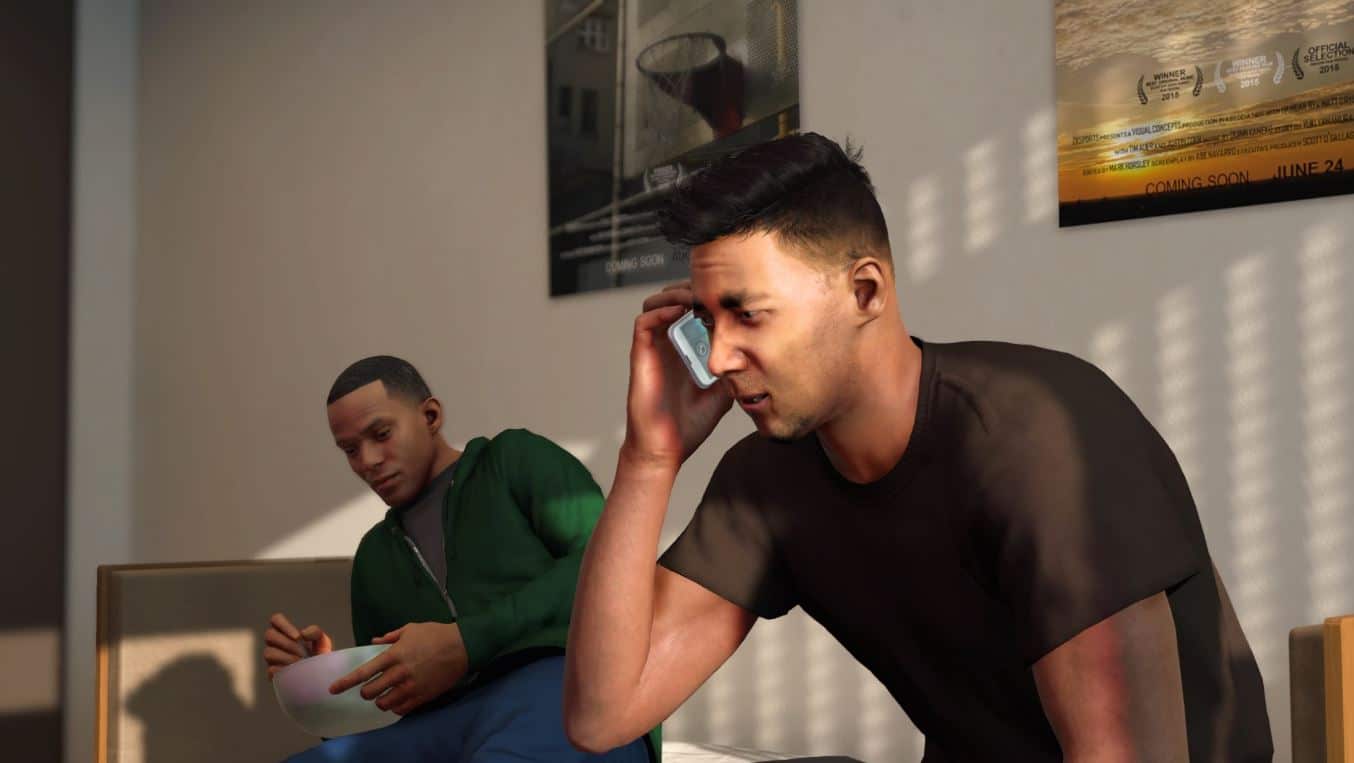
But Spike Lee’s “Living’ DaDream” on NBA 2K16 changed my perspective, as it told an engaging story that featured memorable characters. It was a breath of fresh air. My only problem was that it was too short.
This year, 2K Games is sticking to the same approach but with a different narrative. I haven’t finished The Prelude’s MyCareer mode yet — I’m only up to my last game in college. But I can only hope the development team has a longer story to tell this year. Without spoiling anything I can tell you it is still very detailed and personal, though probably not as intimate as NBA 2K16‘s Spike Lee joint, with the team bringing in a new writer, director, and cast.
This year’s story feels much more mainstream; actors Hannibal Buress, Michael B. Jordan, and others have lent their voices and faces to NBA 2K17. This tells me we will be seeing more Hollywood-driven storylines in the coming years. A rotating roster of writers and directors helming the story also opens up the franchise to more creative possibilities.
Face-scanning in NBA 2K17
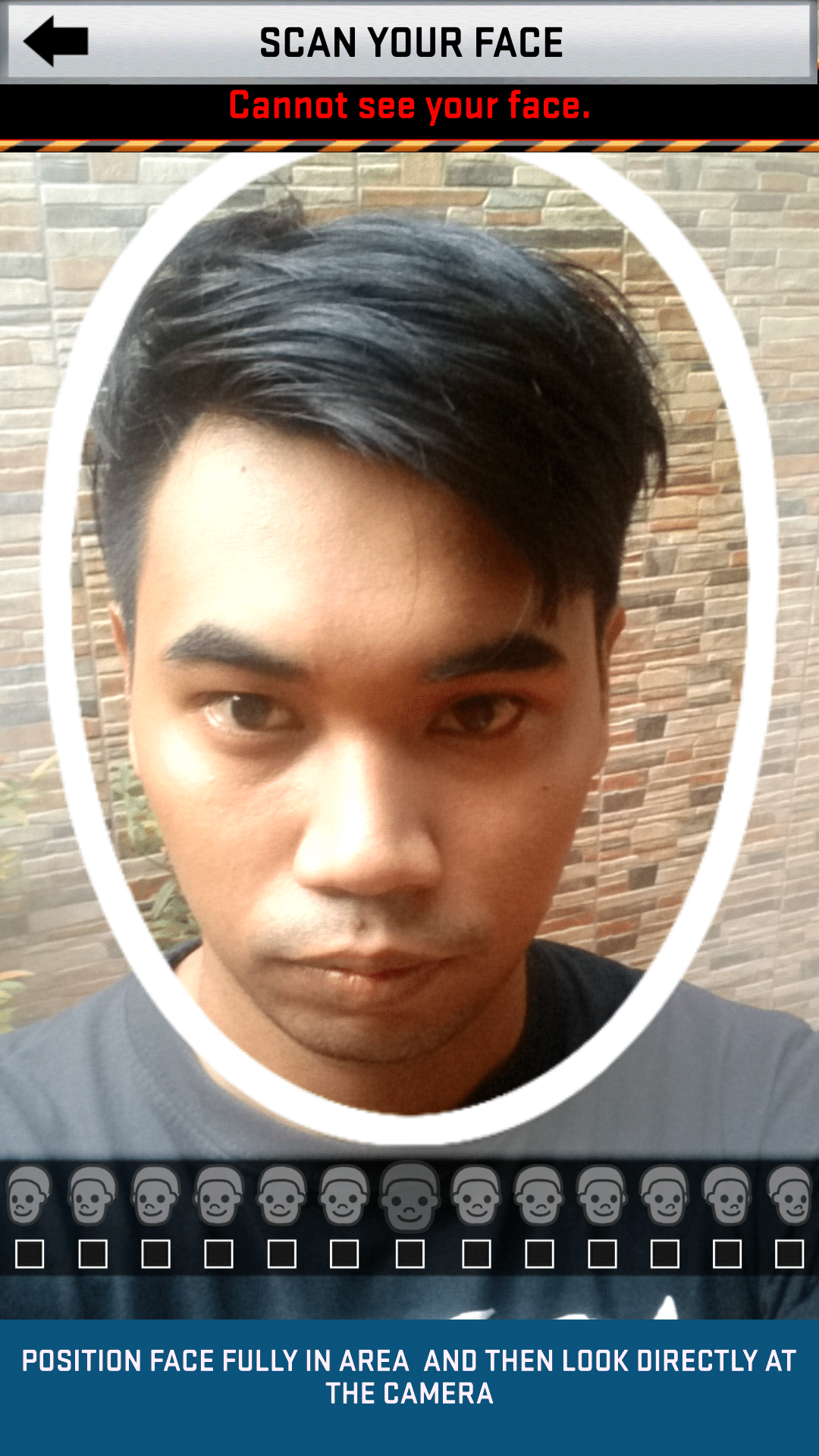
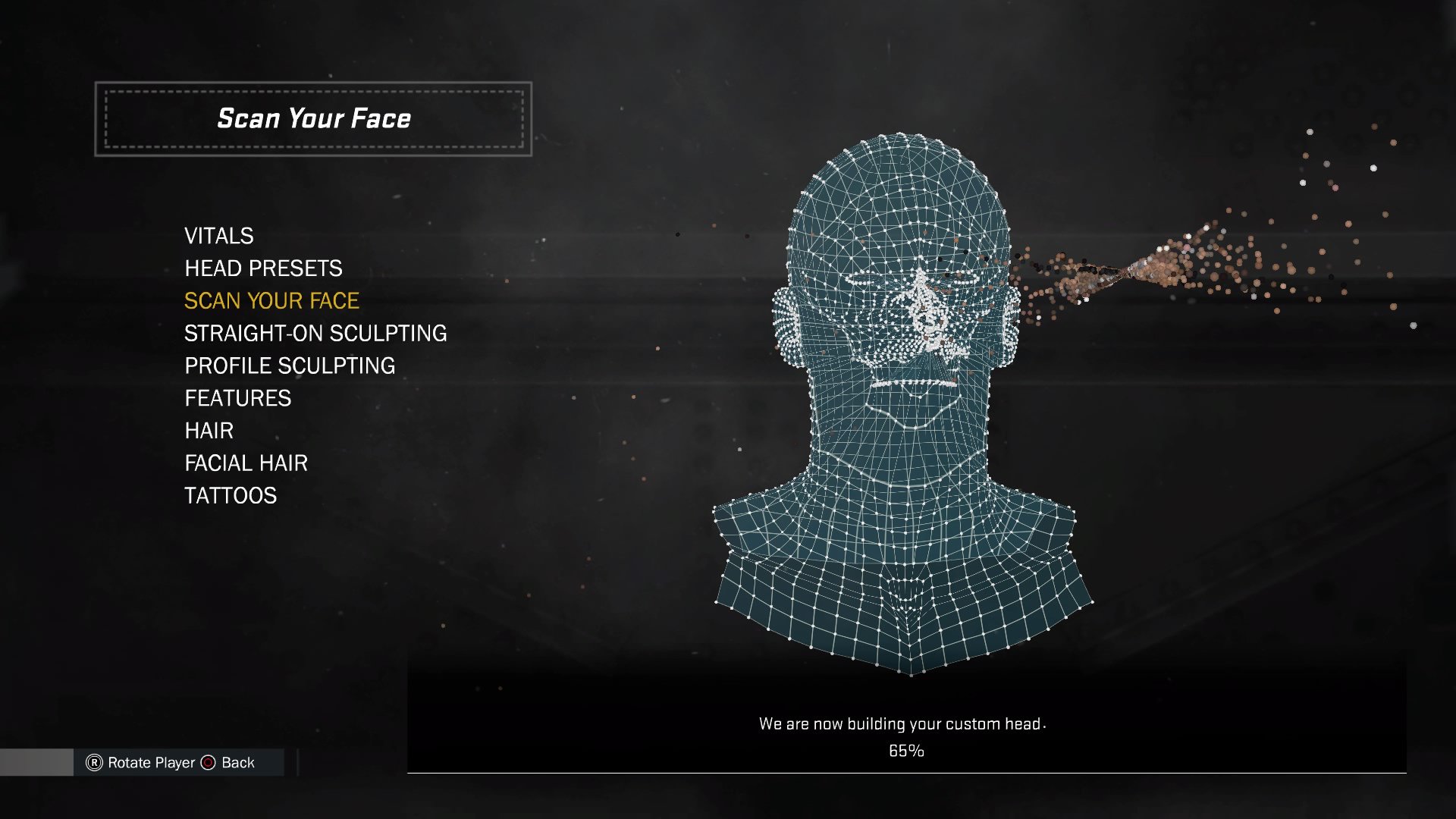
It’s probably important that I talk about the new face-scanning feature, which now supports Android and iOS devices. Unfortunately, I couldn’t get it to work.
I first tried face-scanning in NBA 2K15 on Xbox One, using the Kinect camera. I spent several hours in front of the camera, slowly turning my head from side to side to get a decent result, but without success; I always ended up with a deformed version of my face. Which led me to sculpt a face from one of the presets. I wasn’t able to try out the face-scan feature in NBA 2K16 because I got a copy for the PS4 and didn’t have a PlayStation Eye cam.
It isn’t as limiting this time, as for the first time ever, 2K Games is making the feature available to more users by integrating it into the free MyNBA 2K17 app. It’s a godsend for people who don’t own a PlayStation Eye or Kinect, although in my experience, the app is just as frustrating to use.
It still couldn’t generate a decent mold of my face from the pictures I uploaded. This time, however, instead of creating a monstrous mug for me to post on social media, it just shows an error message. Thankfully though, they’ve added even more options now for sculpting faces from presets.
Early impressions
From what I’ve seen from this prelude, it looks like NBA 2K17 is going to be another success. Once again, the developers have proven that their focus and meticulousness when it comes to translating the NBA game into virtual form are the key to the franchise’s winning record. Their efforts this year serve to create the perfect basketball simulator.
Casual fans might not notice the fine nuances, particularly the new collision mechanic. But hardcore fans of the game and of basketball will be sure to pick up the finer details.
In the end, most of us want our basketball game to be as close to the real thing as possible. And I think once again, NBA 2K17 delivers on that front more so than before.
[irp posts=”10750″ name=”Drone assists in 2017 NBA All-Star Dunk Contest”]



Hands-On
Apple iPhone 18 Pro Series Hands-on
And everything announced during Apple’s September 2026 Event

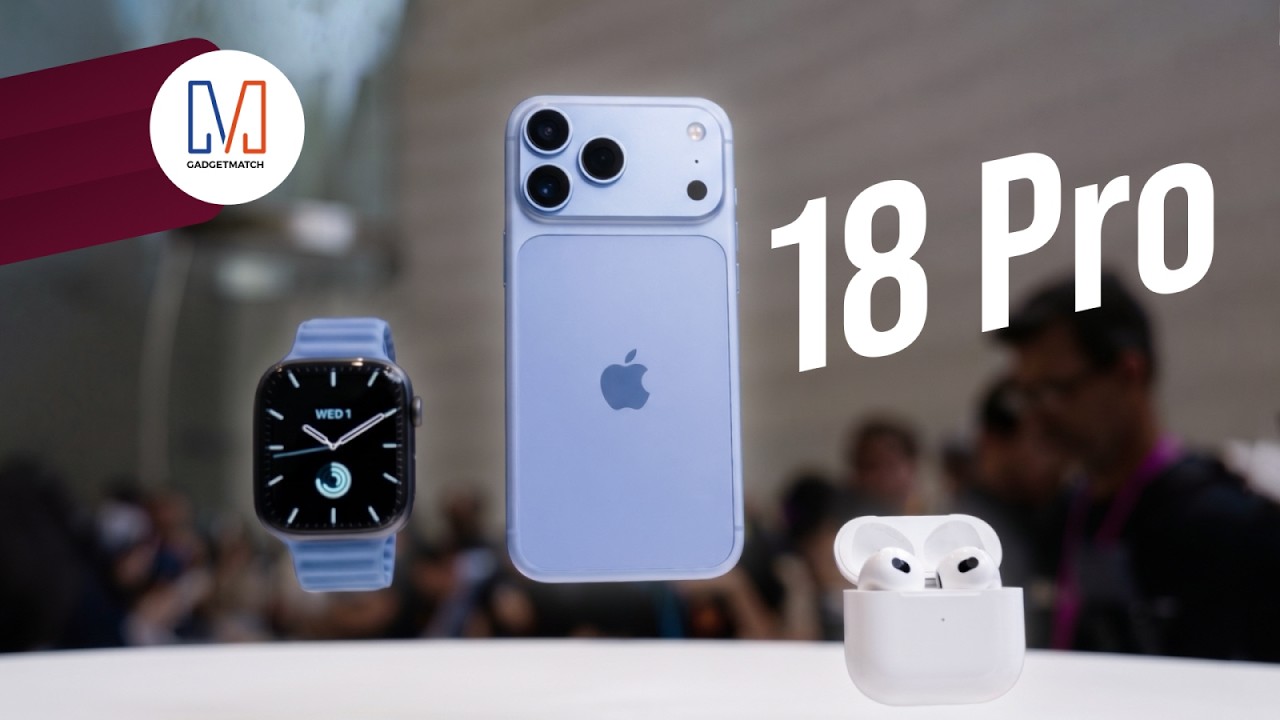
The latest Apple event isn’t just about the shiny new Apple Duo. There’s a lot to talk about!
In this video, we break down everything Apple has announced during their September 2026 keynote.
First, there’s the updated iPhone 18 Pro and 18 Pro Max. That’s alongside their design and color changes, battery and performance improvements. Even that massive camera upgrade.
There’s even the ANC-infused AirPods 5 alongside the newer Apple Watch Series 12 and Apple Watch Ultra 4. Plus, the latest software updates coming to both these wearables.
So, are these worth the upgrade?
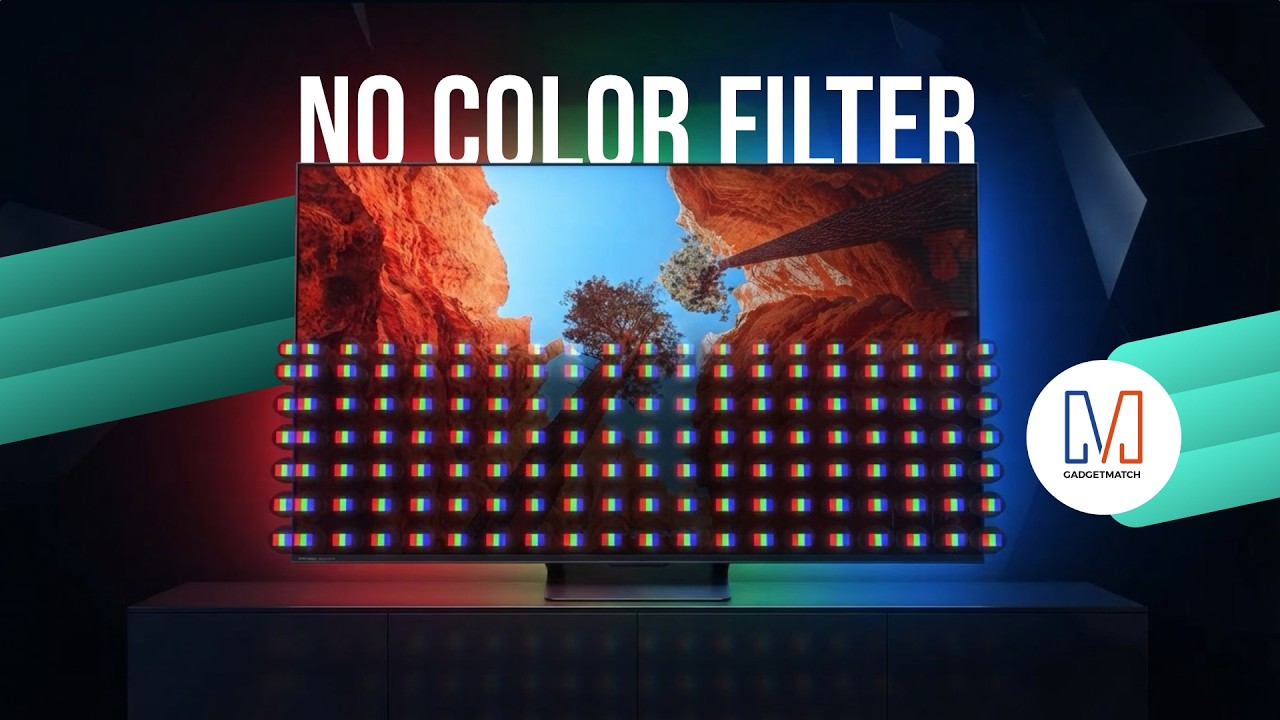
TV technology is changing in a way you can’t see. And it starts with how color itself is made.
Hisense’s new RGB MiniLED technology could change the way we see TVs.
Here’s our spotlight on their latest Hisense UR8 offering.
Check out the Hisense UR8 TV: https://bit.ly/4cxo6xl
Features
How did new CEO John Ternus do for his first Apple event?
Is a new golden age coming for Apple?


For a brief moment, I thought Tim Cook was refusing to step down as Apple’s CEO.
Apple’s “Surprise and shine” event, which heralded the coming of the foldable iPhone Duo, started bombastically with a montage of cinematic moments spanning different genres. The main point was: “what’s the best way to start an opening scene?”
After what felt like an age, the all-too-familiar voice of Tim Cook came on, perhaps for the very last time. But rather than overstaying his exit as the former CEO, he describes that the perfect opener should be classic, as a car that is, quite symbolically, riding off into the sunset. He then explains that he’s not the main character anymore.
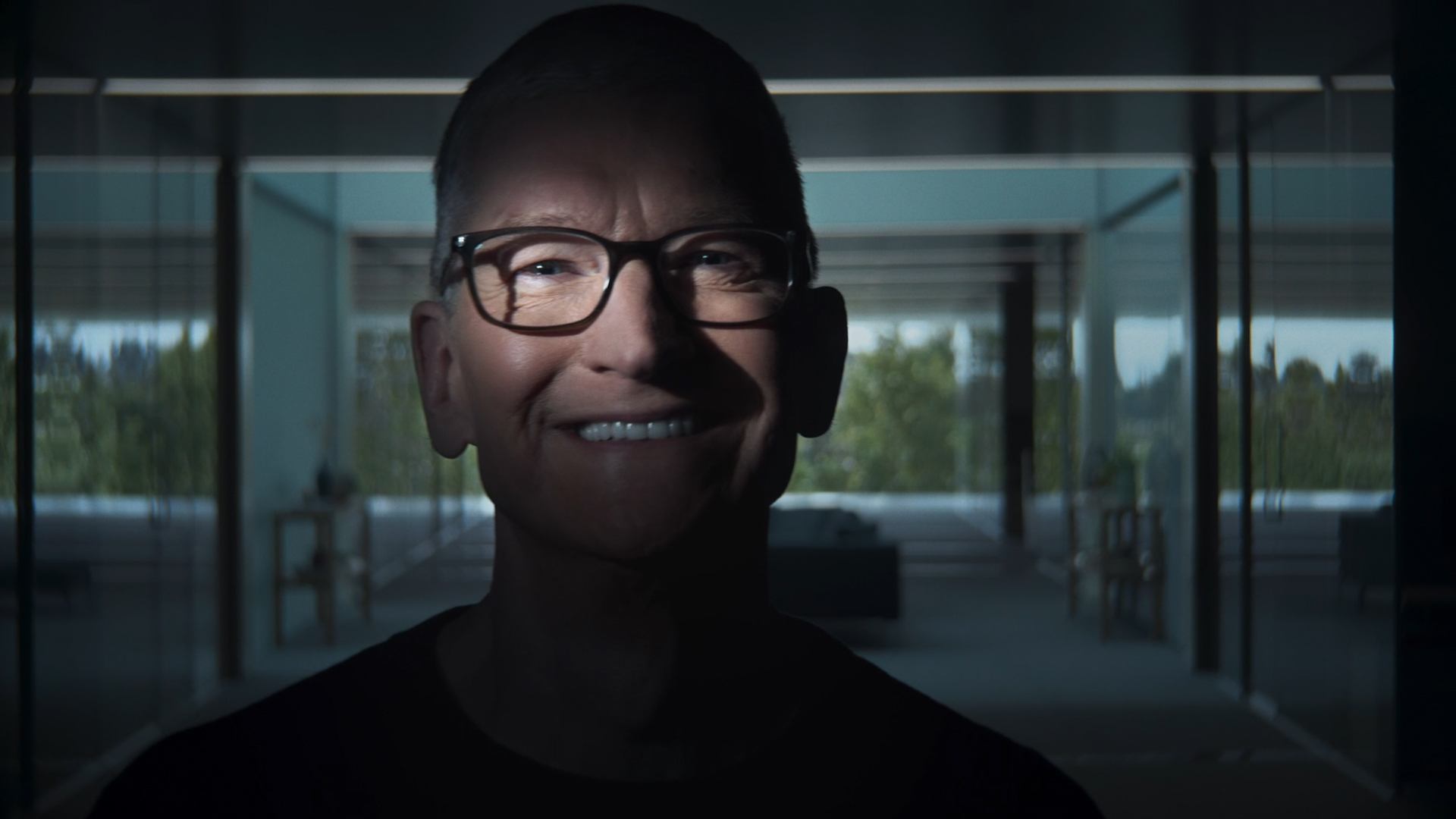
Last shot of Tim Cook at the Surprise and Shine event
“That’s your guy,” he said, before pointing to John Ternus, who steps into frame without an introduction or even a name card. It’s hard to image that this guy is the new face of Apple.
It’s the perfect end to Tim Cook’s tenure and as perfect a start for John Ternus’s.
Moving from an age of crisis to a golden age
After a decade and a half of being the face of the brand, Tim Cook stepped down from his tenure as CEO. He leaves the company in a much better state than when he took over. Thanks to him, the iPhone is now a household item. It’s a ubiquitous phone that draws millions of fans every time a new one comes out every year.
But his tenure didn’t start on a bed of roses. When he took over in 2011, it was in response to Steve Jobs’s failing health, who passed away soon after. He inherited a company constantly threatened by competitors trying to eat into Apple’s slice of the pie.
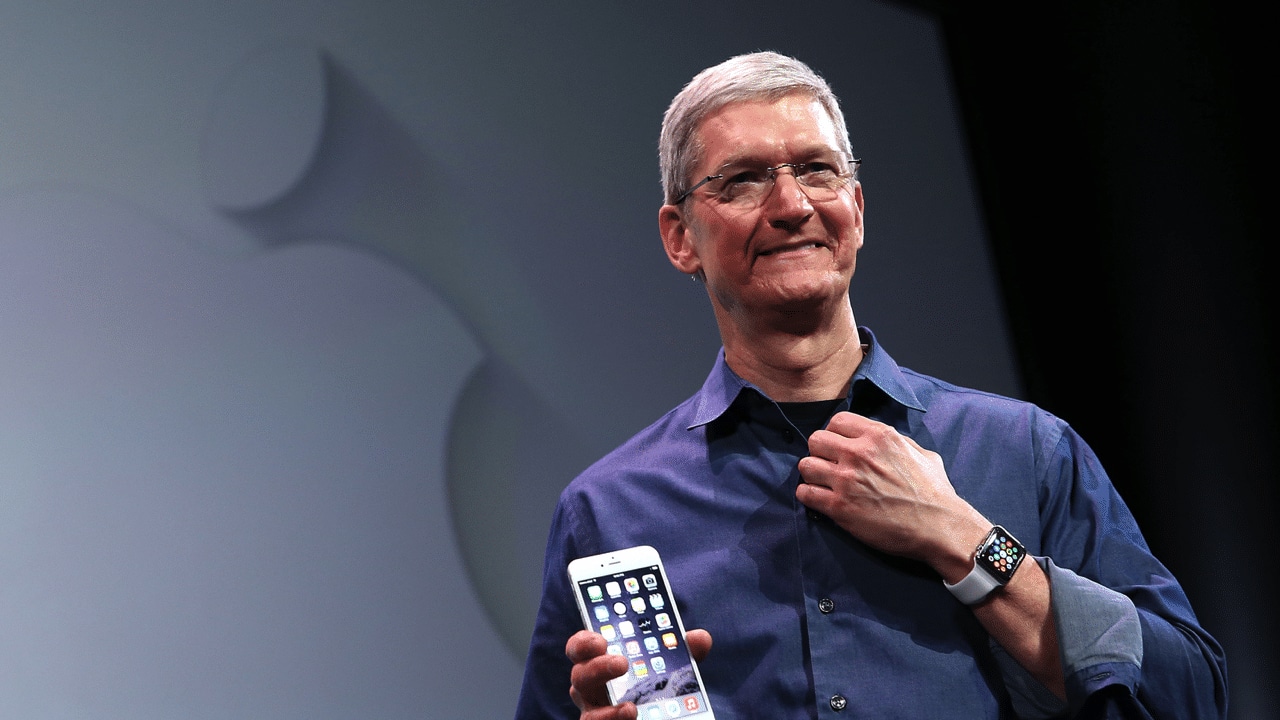
Indeed, Cook’s tenure was peppered with crises. He had to navigate Trump’s first reign, destructive as it was towards relationships in China. He had to figure out survival during the tempestuous pandemic years. Finally, he had to carefully build a strategy for the dawn of AI.
Cook is, first and foremost, a businessman. While the Jobs era was typified by innovation after innovation, Cook built upwards, turning Apple into a trillion-dollar company. Although we didn’t see a lot of new exciting segments introduced, the company built on what it was already good at, delivering a premium and refined experience.
John Ternus comes at an opportune time. Though the brand will always have a healthy share of diehard fans, Apple must now find the next big thing and rediscover the spice of years past.
A time for AI?
After his nonchalant introduction, Ternus immediately goes on the offensive and describes his vision for Apple Intelligence. Rather than dwell on NPUs, TOPS, and other metrics that a regular user can’t make heads or tails of, he described Apple Intelligence and Siri AI as a personal assistant. Usage versus performance, in other words.
If you’re an AI enthusiast, the renewed push towards Apple Intelligence should give you hope that the iPhone won’t just be a receptacle for other AI software. Rather, it’s building its own. Wherever the AI industry is going, Apple looks like it can keep up.
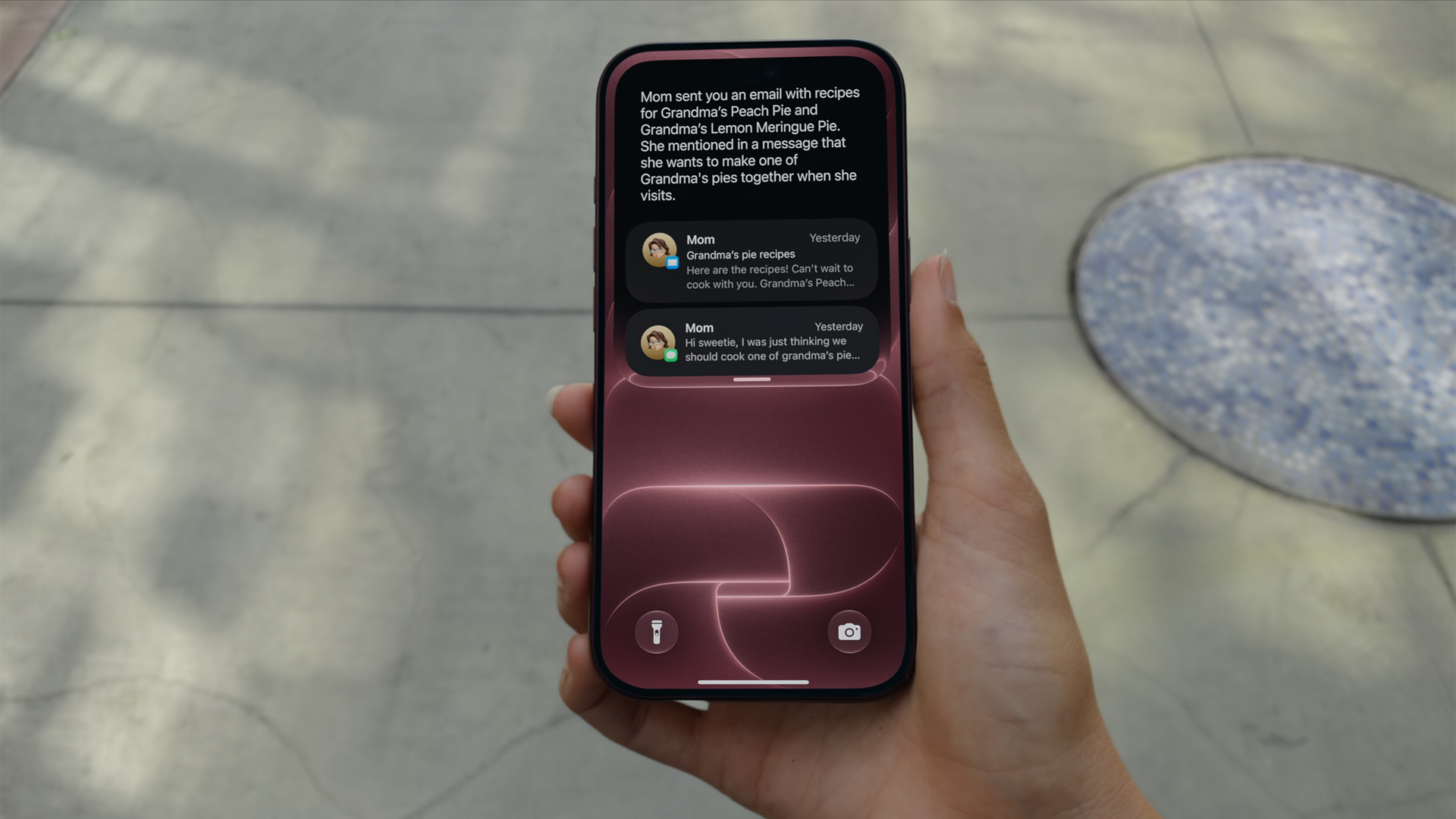
Now, if you don’t like AI at all, that’s fine, too. Ternus isn’t there just for the AI.
Unlike Jobs or Cook, Ternus comes from a strictly engineering background. In today’s world, hardware complements AI. The software must use NPUs after all. But, when the AI bubble finally pops, Ternus isn’t out of a job. In fact, if his track record is any indication, it’s just getting started.
Or a time for new hardware?
This year is absolutely monumental for Apple. Earlier this year, the company launched the MacBook Neo, its first budget-friendly notebook built for everyone. If you were looking to get into the MacBook lifestyle, now is the perfect time to buy in. A lot of users felt a subtle changing of the guard.
From there, you can feel Ternus’s influence already seeping in. And if it wasn’t obvious back then, it’s more than apparent now.
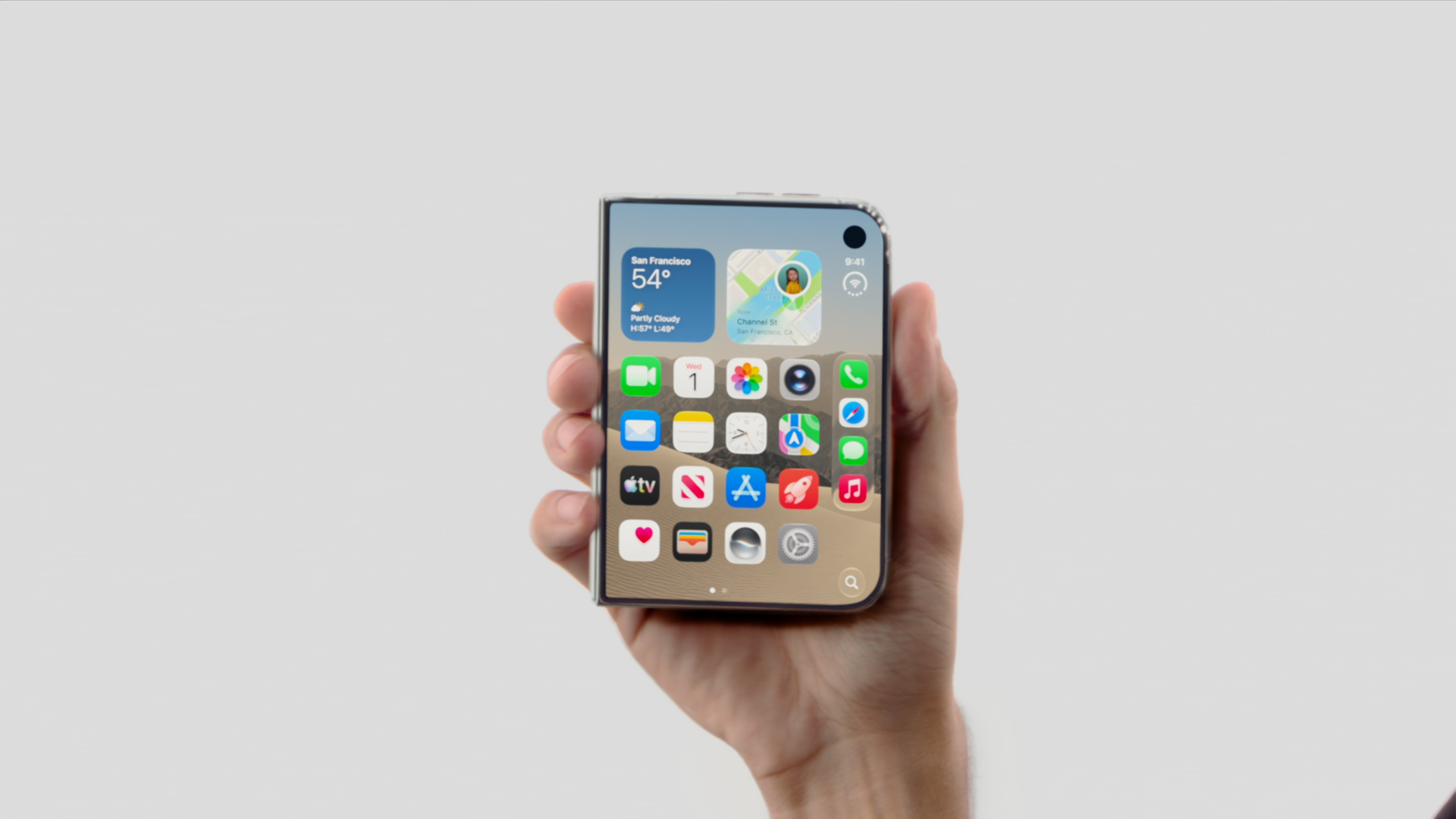
In his first ever “One More Thing,” Ternus started his tenure strong with the introduction of the iPhone Duo. Almost twelve hours since the phone’s announcement, I’ve never seen a more visceral reaction to the launch of a new iPhone.
Whereas most of their annual releases reveled in more incremental improvements that primarily tickled already dedicated fan, the iPhone Duo is something new. Everyone’s talking about it. It’s gotten so crazy that even Samsung, often more nonchalant with its prodding, openly attacked the foldable after teasing the brand to go foldable last year.
Though it’s technically not a new segment, the iPhone Duo is patching up the mistakes of past foldables. Rather than just pasting two screens together, Apple’s take feels like a unified whole, emphasized by an interface that seamlessly changes from folded to unfolded.
Where Tim Cook failed to illicit more than a modest ripple with the Vision Pro, Ternus flew to new heights with the iPhone Duo’s announcement. And the phone isn’t even out yet.
Now, there’s still a chance that the Duo won’t be a hit with sales, especially because of the price. But this is still a strong opener for Ternus.
Who is the main character?
“That’s your guy,” Tim Cook pointed.
I don’t think he was pointing in the right direction. Though the camera cut to Ternus himself, his first outing clearly states that the main character is no longer whoever is handling the reins. His decision to skip an official introduction feels intentional. The main character, after all, is the hardware itself: the iPhone 18 Pro, the iPhone Duo.
The entire event started with a bold declaration that everything was shot with an iPhone. It ended, in fact, with the same declaration. Channeling their inner Marshall McLuhan, Ternus’s Apple wants you to believe in the iPhone again.
Even as someone who doesn’t use Apple products mainly, I’m stoked to see what the new era will bring to the table. This is an exciting time for Apple. We might be in the first year of a new golden age.


Marvel’s Wolverine review: When the claws come out
A brutal, cinematic superhero adventure

Setting your bedsheets ablaze with the Lovense Solace Pro
The closest proxy I could find where I'm guilty as sin

Now Playing: Elden Ring Tarnished Edition
Is the Switch 2 port worth the price?

Apple iPhone 18 Pro Series Hands-on

Spotlight: Hisense UR8 + RGB MiniLED Explained

First Look: Apple iPhone Duo

Xbox saves Kojima’s PHYSINT after PlayStation drops support
Marvel’s Wolverine review: When the claws come out

TECNO MEGAPAD 2 review: Eyes on the size

realme 16T 5G with 8000mAh battery, IP69 Pro rating launches in PH

HUAWEI Pura X View is 2026’s first WIDE slab-type smartphone

REDMI reveals the refreshed Note 17 and Note 17 Pro series

REDMI Note 17 Series focuses on long-term reliability


-
 News6 days ago
HUAWEI Pura X View is 2026’s first WIDE slab-type smartphone
-

 News6 days ago
The CAMON Slim 5G is TECNO’s latest ultra-slim smartphone
-
 Cameras2 weeks ago
DJI Osmo 360 II review: Going all-in on the ecosystem
-
 IFA 20261 week ago
TECNO MEGABOOK T15 360 unveiled at IFA 2026
-

 Gaming1 week ago
NBA 2K27 review: A two-way All-Star
-
 Reviews2 weeks ago
Samsung Galaxy Z Fold8 Ultra review: It’s time to get a foldable
-
 News4 days ago
iPhone 18 Pro series: Price, availability in the Philippines
-

 IFA 20261 week ago
TECNO’s POVA 8 Pro gets a stealthy makeover