
Features
Project Ara’s story is all about wasted potential

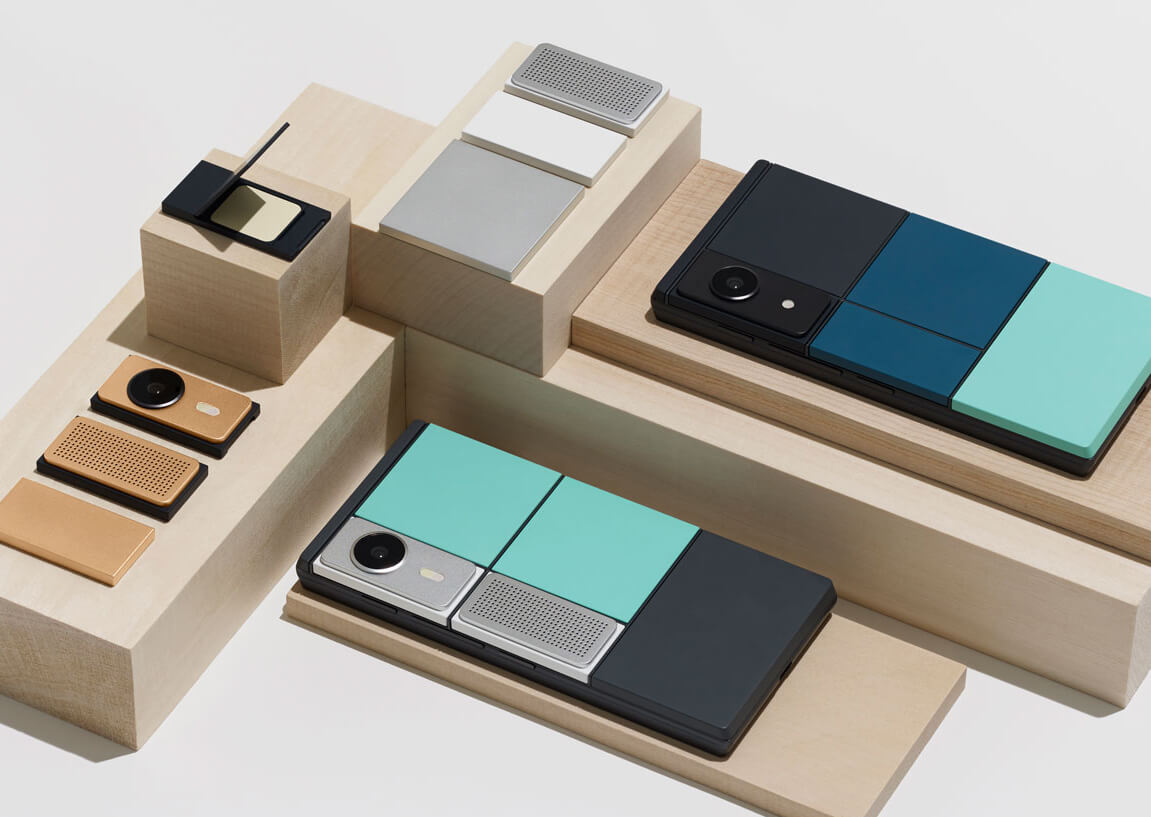
After rumors recently surfaced about the cancellation of Project Ara, we now have confirmation from Google that their highly ambitious modular phone will no longer reach the consumer market. Reasons were somewhat vague, but what we do know is that it’s being done to “streamline the company’s hardware efforts.”
It was only last May when we witnessed a revived desire from Google to push the product, complete with a cool trailer and announcement of a possible consumer launch next year. Progress before and after the unveiling was typically silent, and we’ve finally confirmed that it’s been an internal structure issue all along. Now, we think about what could have been a savior for the smartphone industry.
The beginning of the end
Imagine presenting a prototype of your company’s next big thing in front of a worldwide audience, only for it to freeze during bootup and fail to even reach the home screen. No, I’m not talking about an episode of Silicon Valley. That’s actually the nightmare Google experienced back in 2014 when it presented a “working” prototype of its first modular smartphone. Thinking about it now, the incident summarizes the current situation really well.

In the most recent build of Project Ara, you had all the functions you’d expect from the modern-day smartphone you’re accustomed to, along with the ability to plug in your choice of modules to add greater functionality. Upgrades ranging from cameras to replaceable batteries stylishly fit into the main frame to create one unified pocket computer. If you think the process is as simple as playing with Lego blocks, you’re absolutely right.
An eternity in the tech world
What could this have meant for consumers had it become a commercial product? It would have been a possible game-changer in terms of phone upgrade cycles. With a smartphone having limitless module options to keep you busy, ordering that newly launched Samsung Galaxy or Apple iPhone wouldn’t be as tempting anymore.
However, it’s been a long two years since the initial reveal, and much has changed.
It’s important to take note that Project Ara was no longer a fully modular smartphone as of May 2016. The Google phone had its core components fixed into the main frame, meaning you couldn’t touch the processor, internal storage, RAM, and front display. This became a potential deal-breaker for enthusiasts wanting a PC-like handheld gadget they can fiddle around with on the go. The development led to disappointment from the community and the product’s eventual downfall, but it might have also been able to entice a more mainstream market wanting a simpler package.
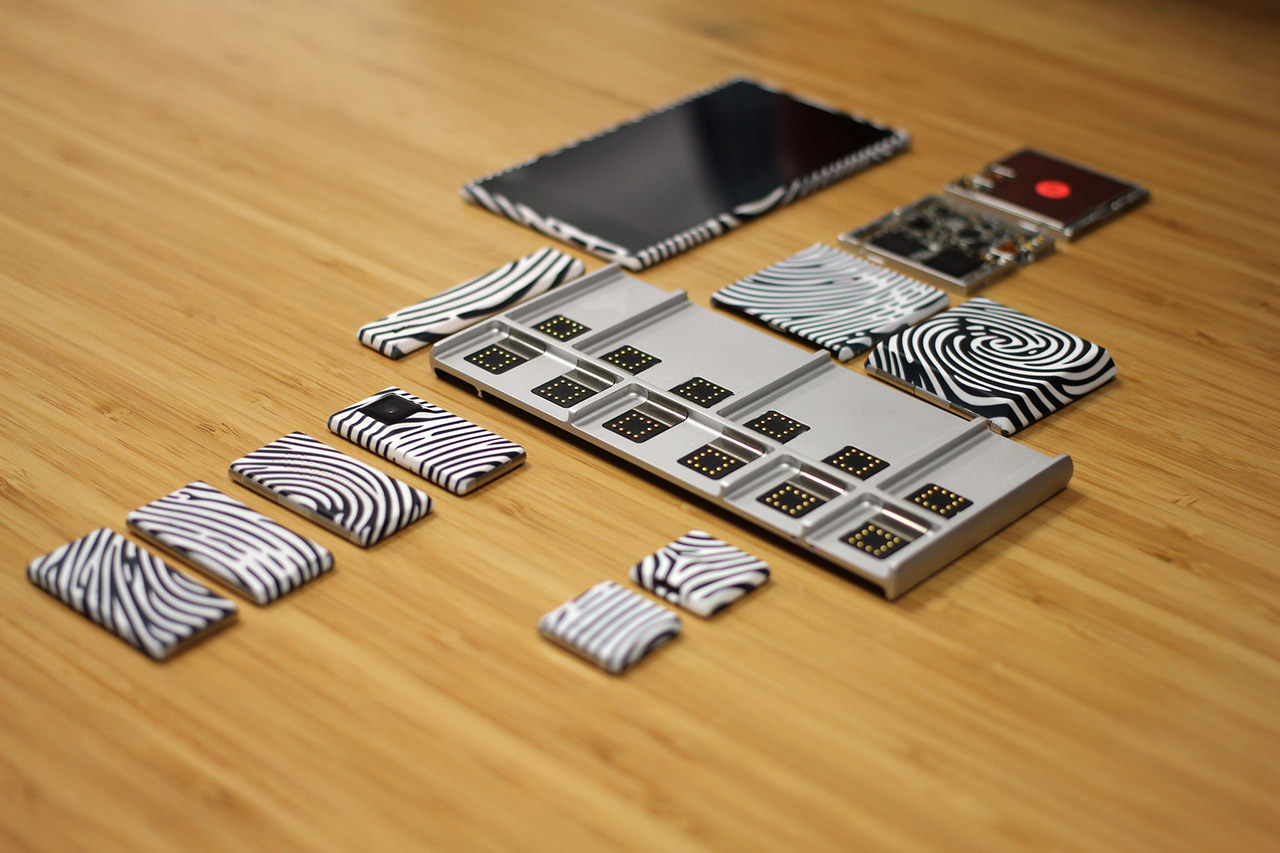
In exchange for the loss of complexity, the last build came with welcome refinements. Plug and play was possible with certain modules, wherein you could hot swap the unit while the phone was on and even share with other Ara users on the spot. If you wanted to get fancy, saying “Okay Google, eject the camera” commanded the phone to do as it’s told.
Google’s very own
Looking back, it’s easy to forget how big of a deal Project Ara was when it was first announced at Google I/O 2014. Modular phone schematics were tossed around brainstorming sessions prior to that, but it was only when Google unveiled a (partially) working prototype that this concept became closer to commercial reality. Still, the fact that it froze shortly after being turned on established how much of a pipe dream it was back then, and how it continues to be one now.
During Project Ara’s downtime, a couple of companies took a crack at modular designs in attempts to overshadow the hype Google built and lost. The Fairphone 2 was the first modular phone to officially hit the market, and the LG G5 garnered even bigger headlines as a totally revamped flagship device with modular Friends you could attach to its Magic Slot. Most recently, Lenovo launched the Moto Z series, which proves that even partial modularity is still alive and kicking.

And yet, the latest announcement from Google I/O 2016 was more than just about a potential date and a sweet new trailer for Project Ara. Google was finally going to release a smart device that’s truly theirs – free of any partnership from the likes of Huawei or HTC in their long-running Nexus program.
The company’s previous attempt at controlling the hardware process came when it acquired Motorola in 2012. Google then became a competitor for a long list of smartphone brands that rely on Android as their sole operating system. This didn’t fly well with major players such as LG and Samsung, who subsequently secured backups in WebOS and Tizen, respectively, in case Google would suddenly favor its own manufacturing process for the latest Android updates, ultimately discriminating against loyal associates.
It’s uncertain how Project Ara would have impacted the search giant’s relationship with hardware partners as an indirect competitor, since modular phones might create a category of their own some day.
Let’s not get ahead of ourselves
Ironically, the highly customizable Project Ara proved that you didn’t have total control over the aesthetics and feel. While the dimensions and weight of the device vary depending on the components equipped, you’re going to end up with a bulky, blocky handset no matter what. LG saw through the weaknesses of a largely modular phone to produce the G5 we’re enjoying today. By allowing only partial modularity from the bottom end of its current flagship, the primary build remains largely intact, so there’s no need to worry about assembling a hideous product.
Our recent unboxing and hands-on review of the G5 and its add-ons showcased how much promise there is in upgrading your handset before committing to a completely different phone the following year or two. Lenovo followed shortly after with the Moto Z and its growing lineup, but it’s too early to gauge its success.

We’ve been wanting these possibilities for a while now. Smartphone technology in general has stagnated in the past years, with every manufacturer heavily focusing on simply improving on the touchscreen-optimized formula Apple established nearly a decade ago with the original iPhone. If your current smartphone already has a high-resolution display, fast-acting camera, accurate fingerprint scanner, and either a glass or metal physique, there isn’t much more you can ask for outside the realm of modularity. Well, probably better battery life, but we’ll never be satisfied with that, right?
Speaking of batteries, with news of entire Samsung Galaxy Note 7 units being recalled because of a single part, swappable components might be the solution to new-age manufacturing woes.
Or maybe, we simply aren’t ready yet for the complexity of a fully modular smartphone. Consumers have finally moved past DIY solutions for PCs in exchange for the simplicity of owning a razor-thin notebook or all-in-one laptop with as much, if not more, power. Complicating the everyday smartphone could just as easily backfire, and discriminate against users who aren’t that tech-savvy.
It’s not just about the modules anymore
Going back to Google I/O 2014, one of the presenters posed this question: Why choose a phone for its camera, when you could choose a camera for your phone? Project Ara’s vision remained the same until its demise, but we now have a more daunting question to ask: Since we’ve already reached the pinnacle of touchscreen-smartphone convenience, when will we be ready to embrace a more complex form factor?
Project Ara’s Twitter account once wondered if fans were still around after one of its long hiatuses. We, the consumers, haven’t left yet, and taking a look at the official website shows how the developers themselves haven’t let go of the project either.
[irp posts=”7634″ name=”Cancelled Project Ara prototype shows up, reveals specs”]
Image Credit: Maurizio Pesce






Features
Why the OPPO Reno15 5G series is a creator’s essential
4K Ultra-Steady, 50MP groufies, and AI edits in one device.


There are two kinds of travel essentials: the ones you pack because you have to, and the ones you pack because they make the story better.
Often, we feel forced to choose between traveling light and bringing the bulky gear necessary to document the trip properly.
On your next trip, the OPPO Reno15 5G Series eliminates that compromise. With a thoughtful mix of hardware and software, it becomes your pocket-sized production crew, ready to capture life as it unfolds.
The crew in your pocket
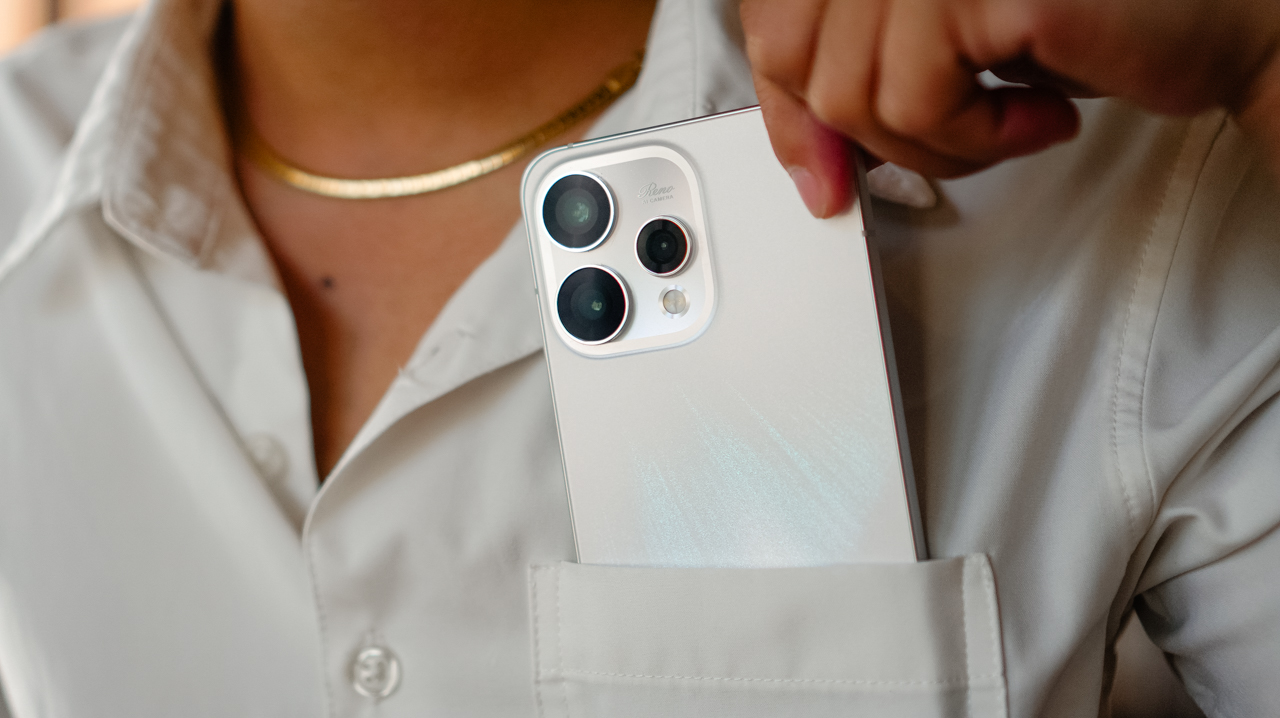
The first rule of travel is to keep things light, but for a creator, “light” cannot mean lower quality.
Whether you are navigating crowded night markets or chasing the golden hour on a steep, adventurous rooftop, the 4K Ultra Steady feature ensures your footage looks composed even when the environment is chaotic.
View this post on Instagram
This stabilization changes the energy of a travel vlog, turning handheld montages into polished, cinematic clips that are ready for a Reel the moment you hit save.
View this post on Instagram
Capturing everything and everyone
Travel stories are built on shared memories, but too often, the person behind the lens is left out.
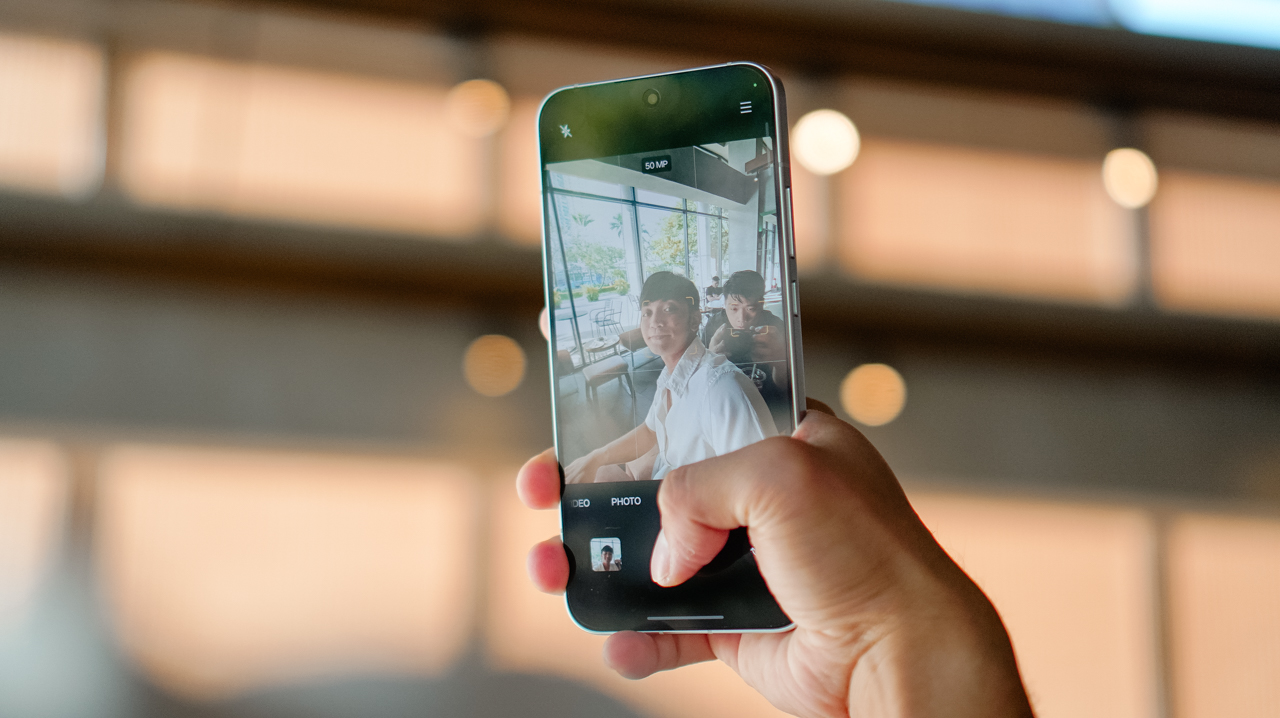
Group shots often become a messy scramble to squeeze everyone into a tight frame. The 50MP Selfie Camera changes that outcome with its 0.6x ultra-wide-angle mode
It captures the entire group with sharp detail across the frame, ensuring no one is relegated to the blurry edges.
Even if you need to crop the image later for a specific social media layout, faces remain clear and the background stays defined.



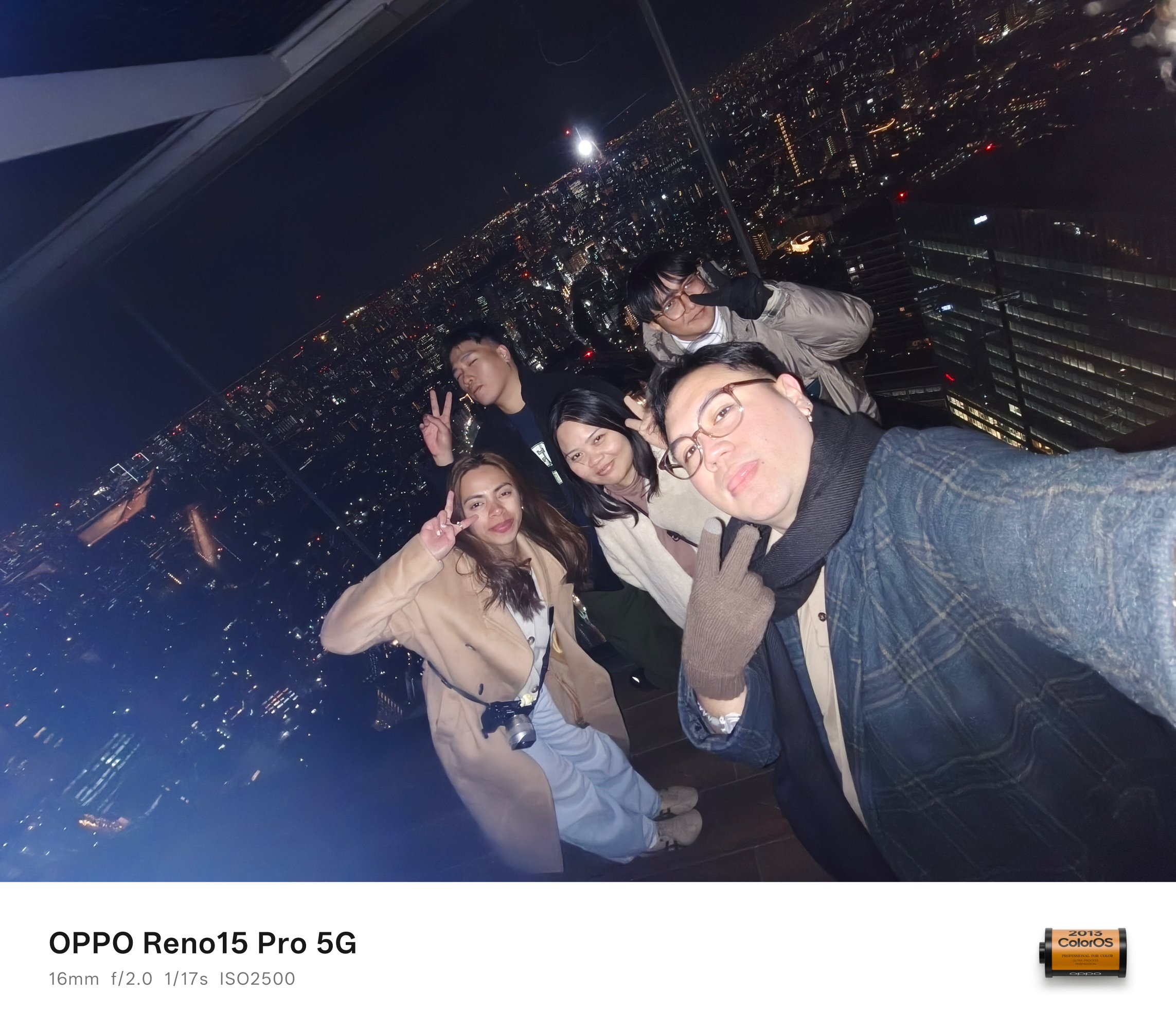


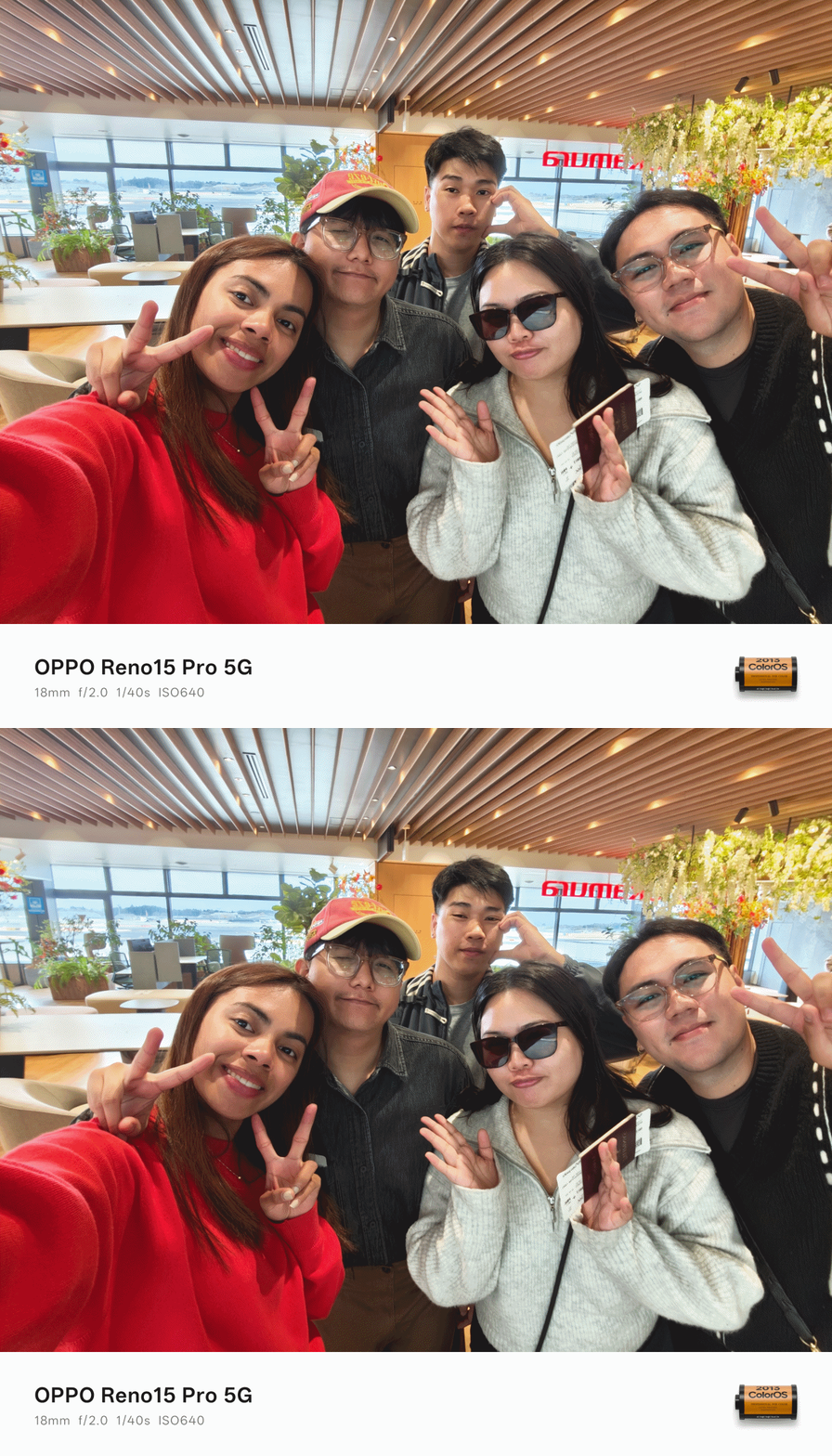


The result is a “groufie” that feels complete and professional
Scroll-stopping memories
We often summarize our trips through collages: layered photos that tell a single story.

The AI Motion Photo Popout tool brings a new dimension to these memories. With a few taps in the Gallery, the subject separates from the background to create a sophisticated, layered effect.




These edits serve as the perfect foundation for Instagram Story covers, Reel thumbnails, or high-quality personal wallpapers.
It’s a subtle digital adjustment that makes a visible difference in how your audience experiences your journey.
Reliability for the modern creator.
A smartphone is no longer just a gadget; it is a creative partner. The OPPO Reno15 Series 5G features a sleek design that looks at home beside a passport or a boarding pass.

It’s light enough for long days of exploration but polished enough for high-end city trips. The reliable battery life supports early flights, full-day itineraries, and even late-night uploads.




You’ll spend less time searching for an outlet and more time capturing the moments that matter.
Which OPPO Reno15 Series 5G is your GadgetMatch?
The series offers variants designed to fit your specific creative style.
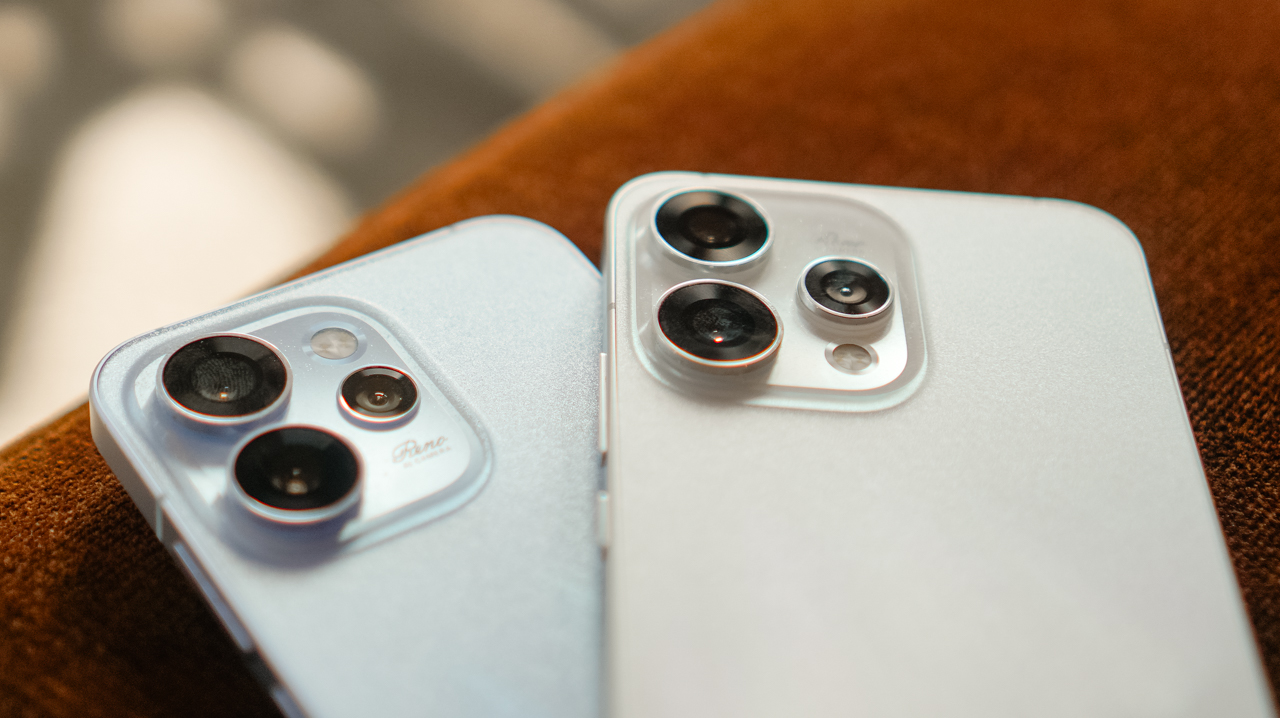
Pick the OPPO Reno15 5G if you want a balanced everyday companion, and if you want flexibility and reliability without overcomplicating the process.
There’s the OPPO Reno15 Pro; the choice for creators where photography and videography are the main event, offering enhanced tools in a compact form.

But if you’re a value-conscious traveler who wants a practical entry point that provides core camera and AI features, then the OPPO Reno15 F 5G is your GadgetMatch.
Whichever you choose, the series proves that a travel accessory can do more than complement an outfit. It preserves your stories because it doubles as a content creator’s must-have tool.
The OPPO Reno15 Series 5G is now available in OPPO stores nationwide and the OPPO Online Store.
SEE MORE: The art of being in and behind the frame | OPPO Reno15 Pro: Camera Review

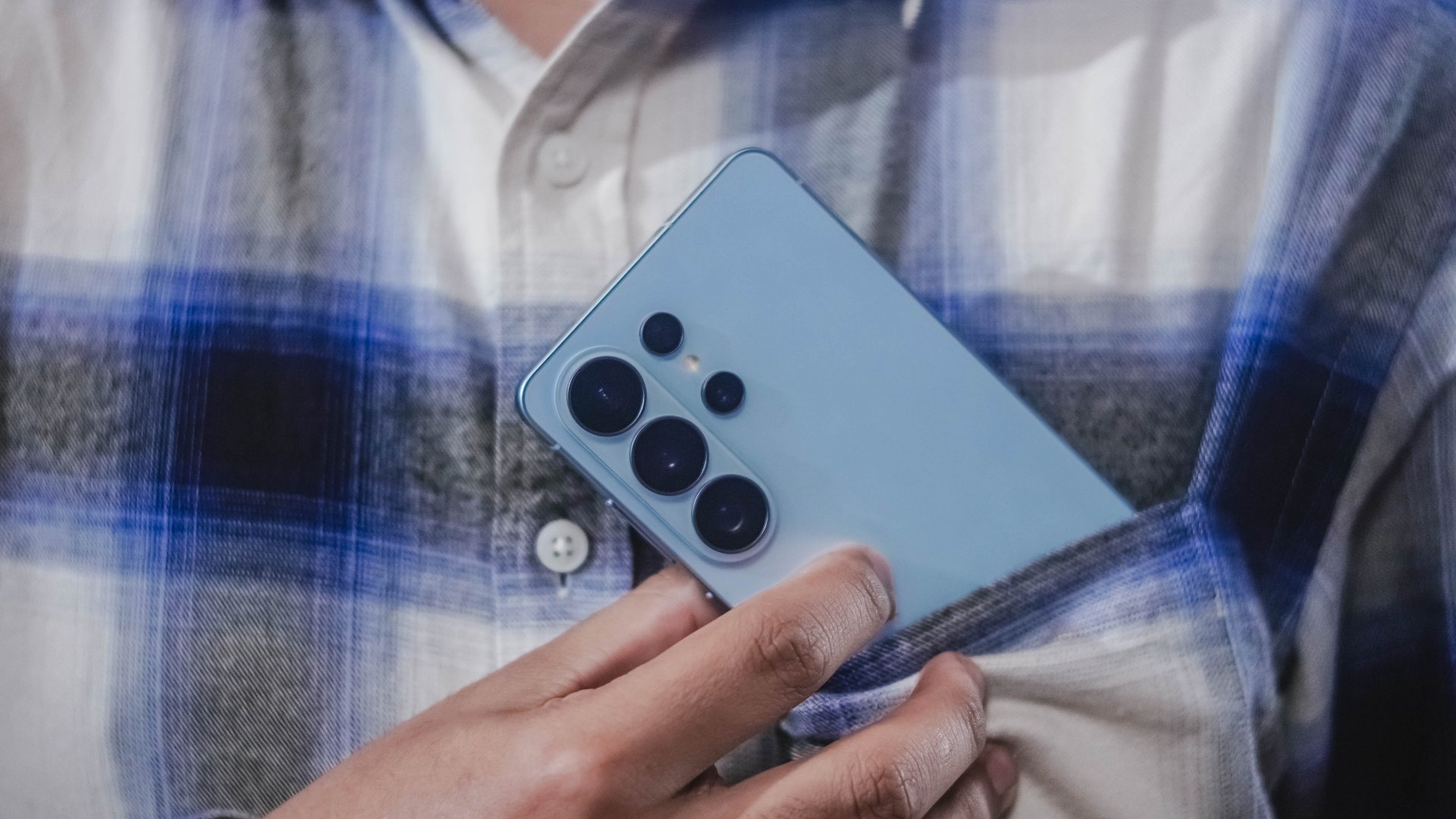
@gadgetmatch A phone that does more… so you can focus more on the moments that matter. The Galaxy S26 Ultra lets Galaxy AI handle the small stuff so you can stay present for the moments that matter. Also great for the occasional KPop concert video. Pre-order until March 17 and get double storage worth up to PhP 14,000. https://www.samsung.com/ph/smartphones/galaxy-s26-ultra/buy/ #GalaxyS26Ultra #EverydaywithGalaxyAI @samsungph ♬ original sound – GadgetMatch
Here’s the dream: a phone that helps you stay on top of things, so you can focus more on what matters.
That’s basically the idea behind Galaxy AI on the Samsung Galaxy S26 Ultra.
Instead of adding more things to do, the phone helps take care of the small stuff for you. Things like reminding you what’s next, or surfacing the information you need right when you need it.
So you spend less time digging through apps and more time actually doing the things you planned to do.
Editing photos is easier too. With Photo Assist, you can just describe the change you want… and Galaxy AI fills in the rest.
And if you’re cleaning up a video, Audio Eraser can reduce background noise — even from clips on third-party apps like Instagram or YouTube.
The point isn’t to make your phone the center of attention. It’s to make it helpful enough that you can forget about it for a while. Until something worth capturing happens.
And when things get a little chaotic — like concerts, street performances, or just life moving fast — Super Steady Video helps keep your shots level.
That’s definitely coming with me to the next K-pop concert.
The Galaxy S26 Ultra. Smarter phone. Slightly less stressed me.
Pre-orders are open now — with double storage for early buyers, plus additional discounts and installment offers from participating banks.
Which is great… because apparently I shoot way too many videos.
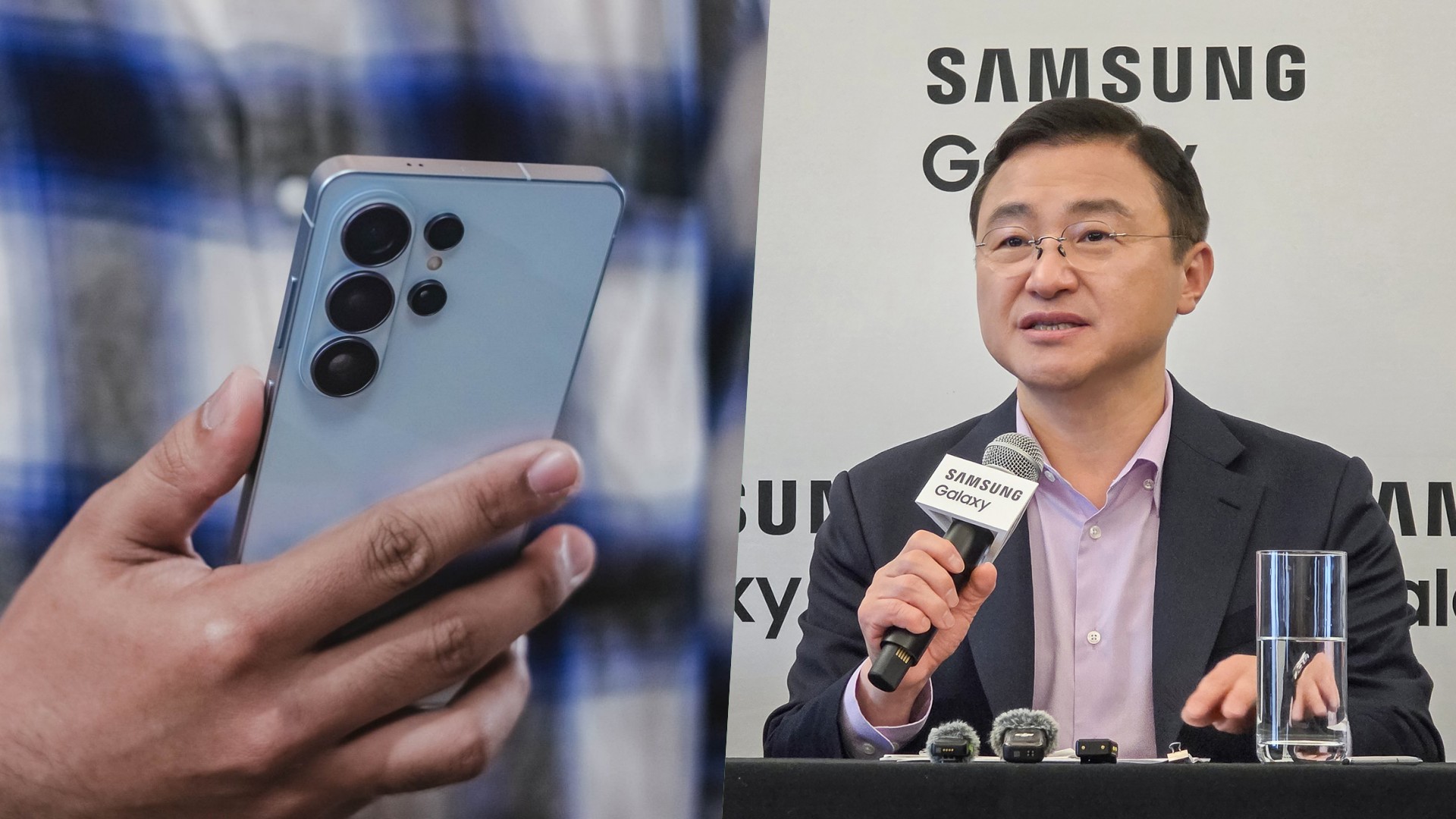
For more than a decade, the smartphone industry has been defined by a familiar race. More megapixels. Faster processors. Bigger batteries. Thinner designs. Being first. Being the most. And being the fastest.
The industry rewarded brands that appeared to be chasing specs. Bigger numbers meant progress. At least on paper.
But if you ask Samsung, the days of chasing specs may no longer define the future of Galaxy smartphones.
During a regional roundtable following the launch of the latest Galaxy devices, I asked TM Roh how the company decides when it’s time for a major hardware upgrade if it isn’t simply chasing specs.
His answer revealed how Samsung now approaches the future of its flagship smartphones.
According to Roh, hardware upgrades are increasingly tied to how well they support Galaxy AI.
“To make Galaxy AI run smoothly, it must be backed by strong hardware,” Roh said during the session, speaking through a translator. He added that Samsung develops its hardware, software, and AI capabilities together — and that major upgrades tend to arrive only when the company reaches what he described as the “desired level of excellence.”
(Quotes are approximate translations.)
“To make Galaxy AI run smoothly, it must be backed by strong hardware.”
(Approximate translation from TM Roh during the roundtable)
In short, Samsung says it’s no longer chasing specs for the sake of winning spec-sheet battles. Not anymore.
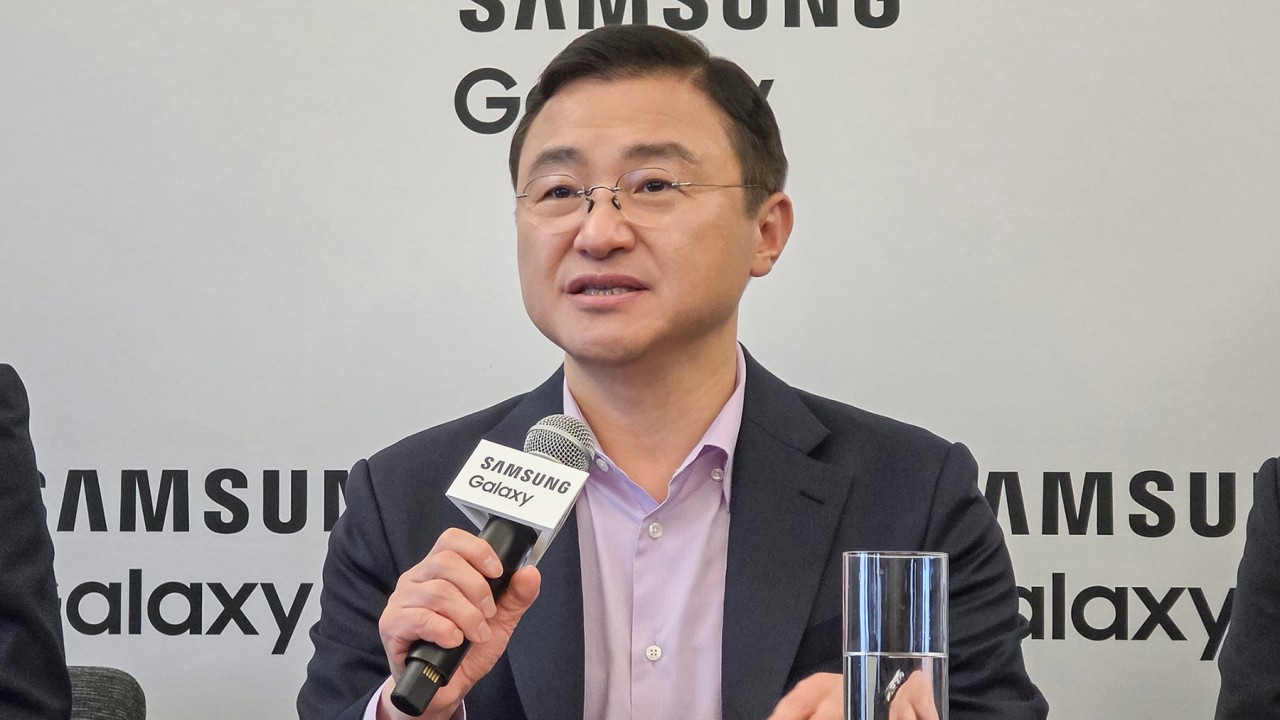
Samsung CEO TM Roh answering questions at a media roundtable in San Francisco
When hardware stops chasing numbers
Hardware innovation still matters. But Samsung increasingly frames those improvements as tools that enable smarter software experiences.
During the roundtable, Roh pointed to Samsung’s custom application processors, which now include stronger neural processing capabilities designed to handle AI workloads more efficiently. Dedicated hardware is also being introduced to strengthen privacy and security — including technologies embedded directly into the display. (See: Privacy Display)
Even cameras, historically one of the biggest battlegrounds for smartphone innovation, are evolving in the same direction.
Roh noted that while sensors and lenses remain important, modern smartphone photography now relies heavily on AI-powered image processing working alongside the hardware. This could also explain why, as of writing, Samsung has resisted the extra telephoto lens accessories that is prevalent with other brands.
The shift is subtle but important. Instead of emphasizing bigger numbers on spec sheets, Samsung positions hardware upgrades as part of a broader system designed to support intelligent software.

Why Samsung gets dunked on online
That philosophy, however, exists in tension with how smartphones are often discussed online.
In a landscape driven by benchmark charts and viral comparisons, incremental refinement rarely generates the same excitement as dramatic hardware leaps. Over the past few years, the Galaxy S series has occasionally become an easy target for criticism — especially as rival Android manufacturers compete to deliver the biggest numbers, the fastest charging speeds, or the thinnest designs.
The temptation in tech media, particularly on platforms like YouTube, is often to dunk on Samsung rather than examine the nuance behind its approach. Spectacular upgrades and dramatic spec sheets make better thumbnails.
Yet listening to Samsung executives across multiple briefings reveals something interesting: the messaging is remarkably consistent. Whether discussing cameras, processors, or ecosystem features, the company repeatedly returns to the same principle. Hardware innovation matters most when it unlocks a better overall experience.
A company that knows its role
That consistency suggests Samsung knows exactly who it is in the smartphone industry.
As the largest Android smartphone manufacturer globally, Samsung occupies a position where competitors often measure themselves against it. Many brands differentiate by pushing aggressive specifications or experimenting with bold hardware changes.
In many ways, everyone else is punching up.
Scale changes priorities. When you’re building devices for hundreds of millions of users, the focus shifts toward reliability, ecosystem integration, and increasingly, AI-powered experiences that work consistently across products.
Why Southeast Asia matters in Samsung’s AI strategy
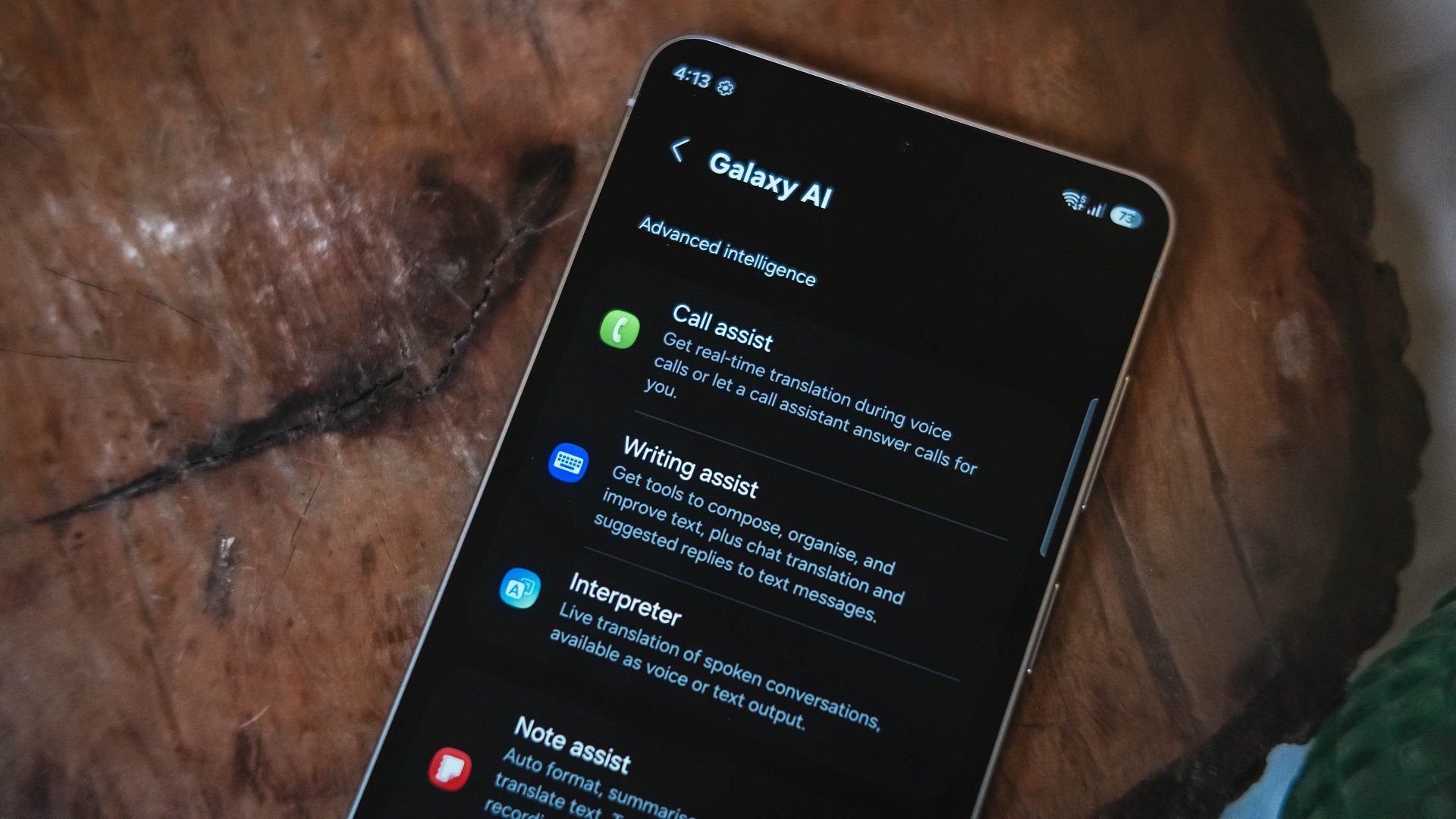
During the roundtable, Roh also emphasized the importance of Southeast Asia and Oceania to Samsung’s AI strategy.
According to the company’s internal research, the region ranks among the most receptive markets for AI-powered mobile features. Younger demographics and heavy social media usage are driving adoption.
In markets where smartphones are central to communication, content creation, and digital services, AI-powered tools — from translation features to image editing — have found strong traction.
That context helps explain why Samsung continues to position AI as the defining layer of its next-generation devices.
Is the smartphone spec race ending?
For years, smartphone makers built their identities around chasing specs.
Bigger numbers meant better phones. Faster chips meant progress.
Samsung, it seems, is chasing something else.
Whether that bet ultimately reshapes the smartphone experience remains to be seen. But if Roh’s comments are any indication, the next major leap in Galaxy hardware won’t happen simply because the numbers can go higher.
It will happen when Samsung believes the experience — not the spec sheet — is ready to move forward.




Now Playing: Hoppers

Jackery SolarSaga series: Free power for small devices

UGREEN adds new Nexode Pro power bank, charger to lineup

nubia to launch new Neo 5 series gaming phones on March 28

SHINOBI: Art of Vengeance’s SEGA Villains Stage out on April 3


-

 Reviews5 days ago
POCO X8 Pro Max review: A new beast from the far east
-

 News5 days ago
POCO X8 Pro Series: Price, availability in the Philippines
-

 Laptops2 weeks ago
Apple MacBook Neo Review
-

 Computers2 weeks ago
GIGABYTE collaborates with Capcom for RE Requiem custom PC
-

 Apps1 week ago
Google Maps is finally getting a 3D mode
-

 Entertainment2 weeks ago
The internet is thirsting over the One Piece Season 2 cast
-

 Features1 week ago
Galaxy AI on the Samsung Galaxy S26 Ultra
-

 Automotive2 weeks ago
BYD is reportedly considering an F1 team