
Enterprise
These are the tech companies censoring anti-China protests
Wave of Chinese censorship hits Western companies


After going through today’s global news, you might find yourself wondering: what the hell is going on with China? As of late, the country has absolutely dominated headlines all over the world. If you don’t live in any China-owned territory, these headlines are very likely about the recent controversies surrounding Western companies.
Following the wave of pro-democracy protests in Hong Kong, China has started controlling disseminated information about the incidents. Of course, the controversy of Chinese censorship has always existed throughout modern history. However, this time around, the Chinese government is tapping its resources in the corporate world.
Western companies have also started censoring pro-Hong Kong sentiments among their representatives and official channels. Naturally, the general public is largely accusing these companies of selling out to the Chinese money-making regime.
Most of the corporate clout has eked out only this week. However, the controversy has existed as early as the first major Hong Kong protest. Let’s run through this tenuous history.
Come fly the hostile skies
Naturally, the first spark of Chinese censorship started in Hong Kong’s home turf. In August, the protests came to a huge head when protestors swarmed the Hong Kong International Airport, grounding several flights for several days. In the middle of all this, Hong Kong’s own Cathay Pacific found itself in a corporate nightmare. Who should the company (and its employees) support: China or Hong Kong?
Unsurprisingly, several Cathay Pacific employees have come out in support of the protests. The higher-ups were not happy. Spurred by Chinese intervention, the company’s managers have suspended employees involved in the protests.
Because of the relative infancy of the issue, Cathay Pacific’s troubles drowned in a sea of larger protests that followed the airport protest.

Clock’s TikTok-ing
The tech world got its first taste of Chinese intervention through the popular short-video social media app, TikTok. Created by the Chinese developer ByteDance, TikTok is a lot more susceptible to government intervention. Case in point, the app has banned all anti-China content. The ban covers any mentions of Tiananmen Square and Tibet.
Strangely enough, TikTok was created for a more global audience, compared to the developer’s more Chinese-targeted Doujin app. Regardless, TikTok enforced the more stringent ruling across the entire platform. The ban was the world’s first taste of Chinese censorship. Unbeknownst to the world at the time, the situation was about to get worse.
Houston, we have a problem
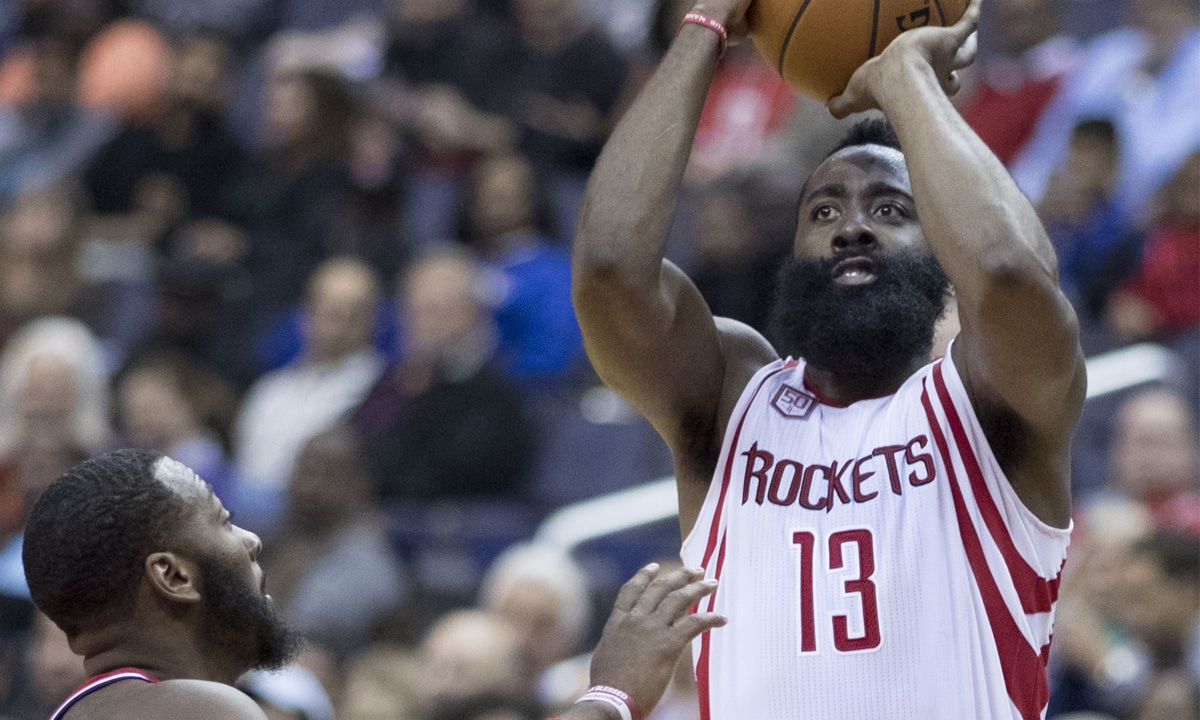
This week, NBA started the larger party. Houston Rockets general manager Daryl Morey tweeted a pro-Hong Kong image. The image came with the statement, “Fight for Freedom. Stand with Hong Kong.” The obvious political opinion was shut down immediately after the tweet. NBA heads, including Rockets owner Tilman Fertitta and commissioner Adamn Silver, reiterated that individual opinions don’t represent the organization. Morey himself issued an apology soon after.
Unfortunately, the damage was done on both sides. Chinese companies have suspended cooperation with the NBA, especially with the Houston Rockets. Yao Ming’s own Chinese Basketball Association ceased its partnership with the Texan team. Tencent. Additionally, Tencent has ceased its livestreams of NBA matchups with the Rockets. Nike has also pulled its Houston Rockets merchandise from its Chinese stores.
On the Western end, the general public is calling for more integral responsibility on the part of the NBA. The NBA has always touted itself as an inclusive organization, drafting players from all over the world. The inclusivity, however, does not apply when profits are involved, according to Western protests.
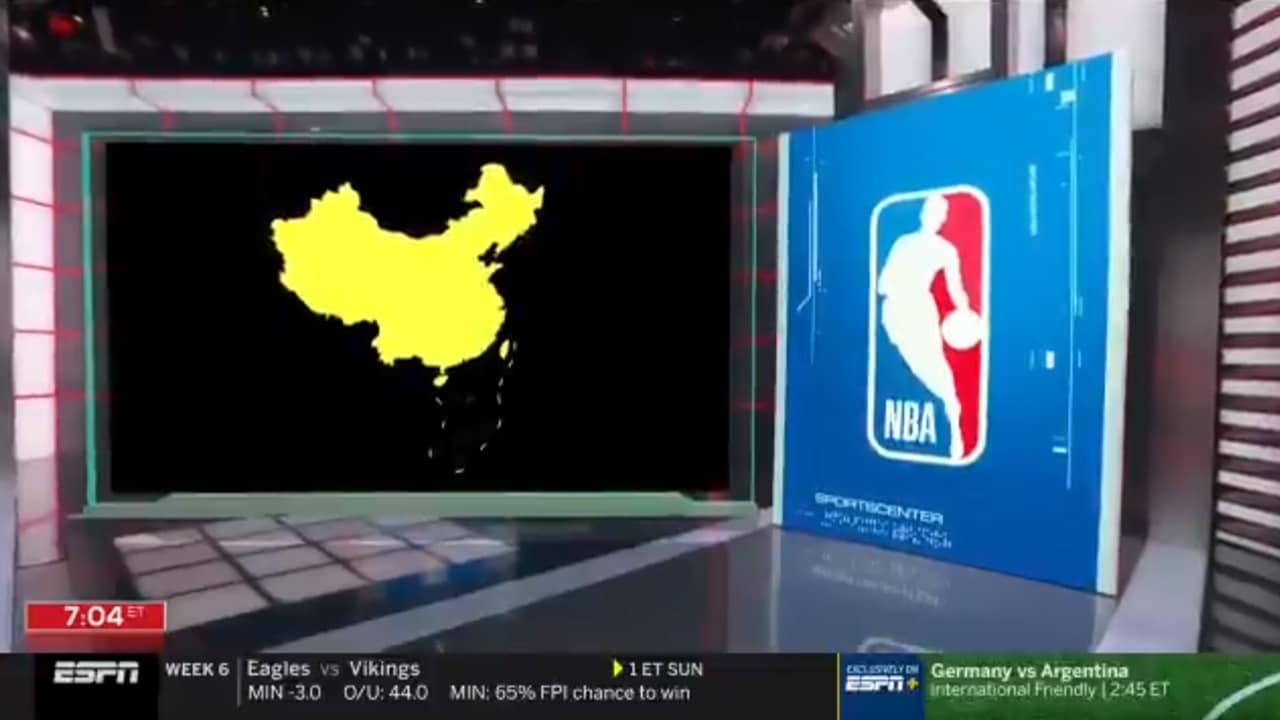
Image source: Reddit
Related to this, the ESPN has also stopped reporting on any of the NBA’s political opinions. Curiously, the broadcast company has recently televised a map of China. The map includes the 9-dash demarcation line that represents the country’s claims on the disputed South China Sea.
An Apple a day doesn’t keep China away
Concurrent with NBA’s woes, Apple has also found itself in the crossfire. Recently, the Chinese government has urged the company to pull offensive apps from the App Store in the region. The order includes HKmap.live and the Quartz news app. Apparently, these apps revealed critical police movements to protestors who had the app. Soon after, Apple gave in, joining the growing number of companies succumbing to Chinese pressure.
Apple pulled the apps. The company’s head honcho issued an embattling defense for his actions. In an internal memo, he said:
“However, over the past several days we received credible information, from the Hong Kong Cybersecurity and Technology Crime Bureau, as well as from users in Hong Kong, that the app was being used maliciously to target individual officers for violence and to victimise individuals and property where no police are present. This use put the app in violation of Hong Kong law.”
However, Hong Kong protestors have disputed his claims, reiterating the obvious political motivation behind the move. Like the NBA, Cook’s statement is remarkably non-confrontational, seeking to please both sides in the conversation.
Not a-MEI-zing
Videogame company Blizzard is likewise facing immense backlash for similar decisions. Earlier this week, Blizzard censored and banned a professional Hearthstone player, Blitzchung, from its tournaments. The ban also strips him of prize money that he fairly won at a recent tournament. In that tourney, he went off on a pro-Hong Kong tirade during his victory speech. “Liberate Hong Kong, revolution of our age,” he declared. The speech was immediately cut short and removed from Blizzard’s official channels.
More than the NBA or Apple, Blizzard’s action sparked humungous global outrage. The fine went beyond simple censorship, stripping a worthy winner from rightful prizes. In defense, Blizzard invoked its right to penalize players for offending significant portions of the population.
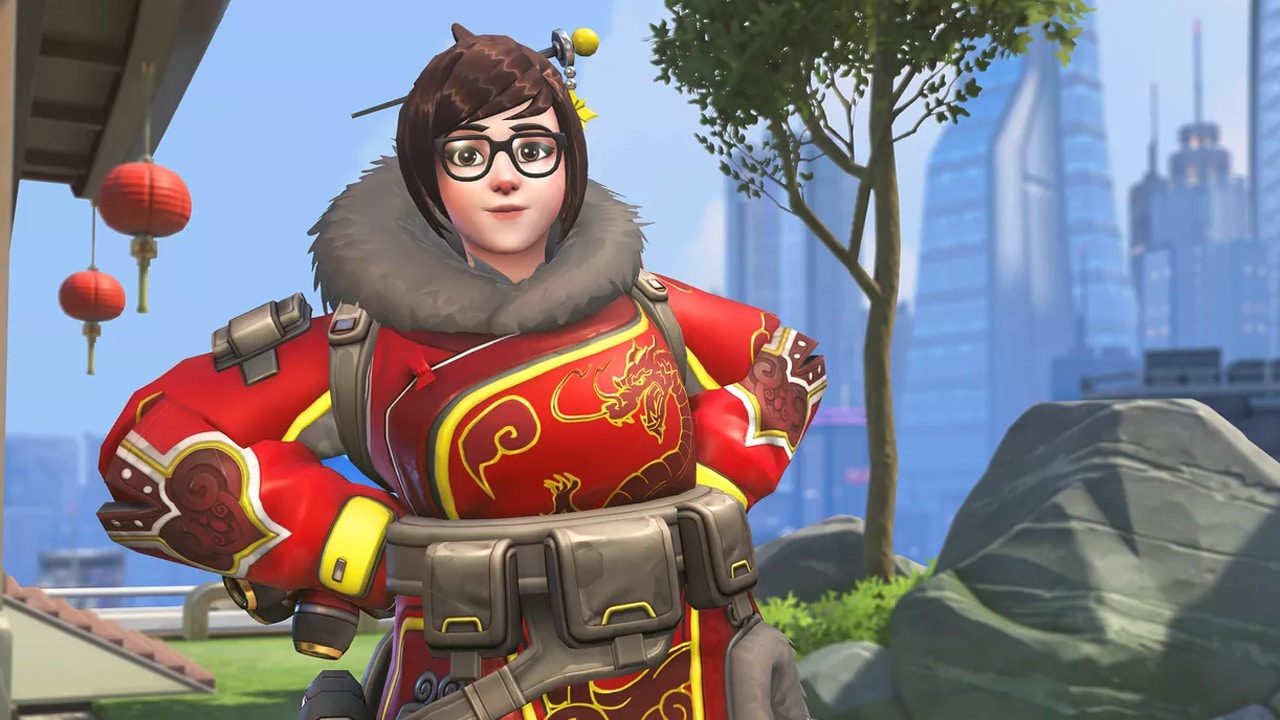
Regardless, the public is already calling for a huge boycott against Blizzard’s products. Gamers have started unsubscribing and uninstalling popular games World of Warcraft and Overwatch. American lawmakers have asked for formal investigations against Blizzard’s actions. Pro-Hong Kong protestors have also started using a Chinese Overwatch character, Mei, as one of their protest icons. On the other hand, rivaling game companies have come out in support for Blitzchung.
The cost of luxury
Outside of the tech world, the lifestyle industry is also feeling the pressure. Apparel brands Gap and Zara have recently altered their websites. Previously, their websites included Taiwan and Hong Kong as individual countries, which China has requested to change.
People are also investigating whether Disney is censoring Winnie the Pooh in certain countries. According to a Reddit thread, Winnie the Pooh’s official site redirects to Disney’s official site in some countries. The internet has compared Winnie the Pooh’s appearance to President Xi Jinping, sparking a Chinese war against the cartoon character.
After this week, the corporate world is on notice. Who are they siding with? For some, the temptation of more profits is more important. For others, their integrity remains intact.







AMD is prepared to lead the industry in its agentic AI era with their high-performance CPU strategy.
As the industry pivots from simple AI models to agentic AI systems that are capable of independent planning and decision-making, the CPU is reclaiming its role as the critical “head coach” of the data center.
This was noted by AMD CEO and Chair Dr. Lisa Su during the AMD Advancing AI event last year. The rise of autonomous agents has transformed inference into a complex and multi-step workflow that demands sophisticated logic and orchestration.
And while high-performance GPUs are necessary to generate insights in real time, the surrounding infrastructure is just as important.
This is where CPUs enter the picture. Their performance and efficiency are more important than ever in the overall performance of modern AI infrastructure.
And AMD delivers an advantage with their offerings. In recently published data, a 5th Gen AMD EPYC CPU-based system is estimated to perform up to 2.1x better per core against an NVIDIA Grace Superchip-based system.
The same system AMD-based system also delivers up to 2.26x uplift on SPECpower, measuring operations per watt.
The x86 CPU architecture gives customers the advantage of a broad, proven software ecosystem that can run existing workloads natively.
This avoids the costly refactoring and code-base duplication often required when switching to Arm-based alternatives.
Looking ahead, AMD is doubling down on the balanced system philosophy. Future architectures such as the “Venice” CPUs will power the “Helios” rack-scale AI design.
By integrating EPYC CPUs with Instinct GPUs and the ROCm software stack, AMD aims to maximize cluster-level performance and lower the total cost of ownership in the agentic era.
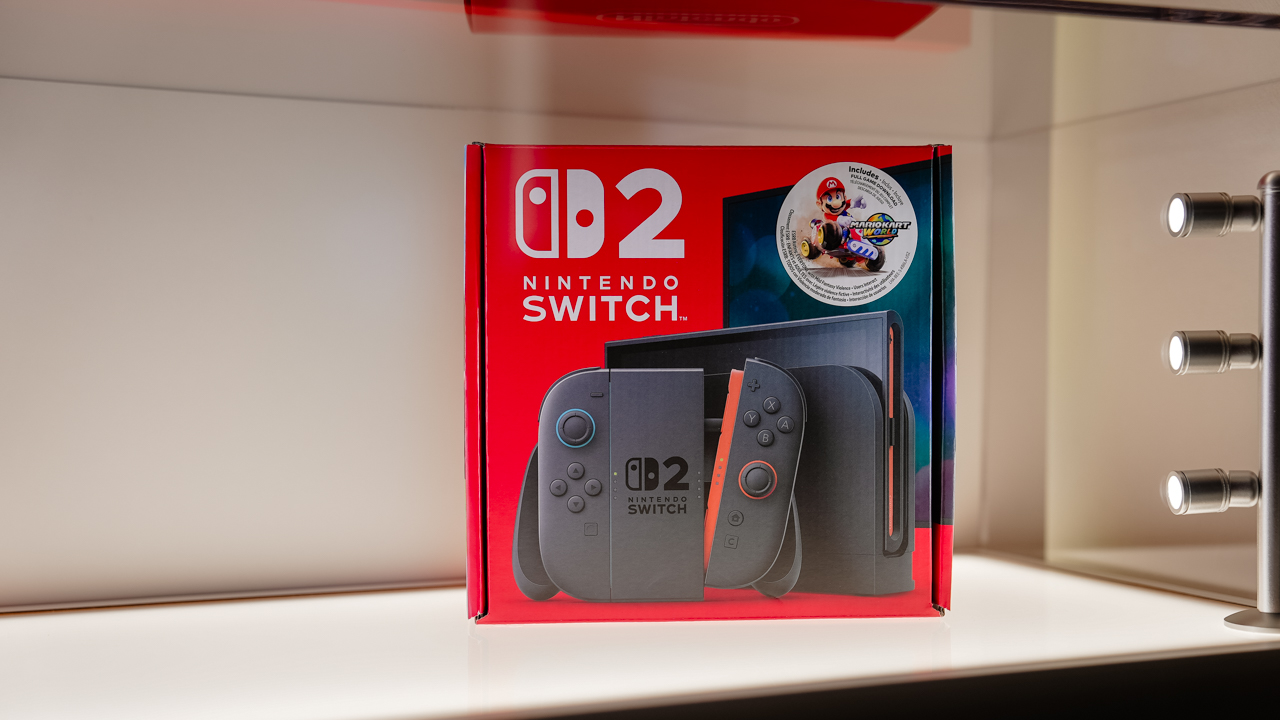
What happens when an unstoppable force meets an immovable object? After a year of wrestling through tariffs from the current American administration, Nintendo has decided to sue the United States.
Last year, the Trump administration was trigger-happy with implement tariffs on countries everywhere. Though the controversy mostly circulated around geopolitics, major corporations also found themselves on the receiving end of Trump’s ire. All over the world, the tariffs sparked product delays and price hikes.
Nintendo is no exception. As a result of the fiasco, the company had to delay the launch of the Switch 2, in anticipation of disruptions caused by the tariffs. First reported by Aftermath, the Japanese gaming giant is now going after the American government over refunds associated with the tariffs.
Now, the tariffs aren’t a big issue anymore. Notably, the Supreme Court scratched off the White House’s implementations that the former found illegal. While a big sigh of relief for future business, corporations like Nintendo have already paid duties and deposits in the past. As a result, Nintendo is now looking for recompense for what they paid before.
Nintendo isn’t the first company to seek restitution over the illegal tariffs. Others, including FedEx and Revlon, are also asking for refunds. However, the Japanese giant is certainly one of the biggest names to cross the government’s path. After all, the company is notoriously litigious over anything it considers as an affront to its business, including small streamers using Pokémon on their broadcasts.
With all its global resources, Nintendo likely won’t just give up without a fight.
SEE ALSO: The Nintendo Switch is now Nintendo’s best-selling console ever
Enterprise
Paramount wins bid for HBO Max, plans to merge streaming apps
It’s all part of the deal to acquire the Warner Bros. library.

Last year ended with the bombshell announcement that Netflix might buy the entire Warner Bros. library. However, after some finagling and a rocky start, Paramount has now emerged as the main suitor for the lucrative library.
At the end of last year, it seemed all but confirmed that the gigantic Warner Bros. library was coming to Netflix as part of a huge buyout deal. This became even clearer when Warner Bros. Discovery rejected Paramount’s initial bid to counter Netflix. However, Paramount recently revised its offer to an astounding US$ 110 billion, or US$ 31 per share, which Warner Bros. Discovery signed off on. Netflix passed on the opportunity for a counteroffer, making Paramount the sole bidder.
Today, Paramount has announced that, if the deal pushes through, they will merge Paramount+ and HBO Max into one streaming service. This means that Paramount’s CBS, Comedy Central, and MTV will be under the same roof as DC, Game of Thrones, Harry Potter, and Mission: Impossible.
The value of the above names alone makes this into one of the most lucrative deals for Paramount. However, it’s not without its drawbacks. The combined entity will reportedly carry US$ 79 billion in net debt for both purchasing Warner Bros. and refinancing the newly purchased property.
Currently, the deal is expected to go through regulatory approval ending in the second half of 2026.




Now Playing: Hoppers

Jackery SolarSaga series: Free power for small devices

UGREEN adds new Nexode Pro power bank, charger to lineup

nubia to launch new Neo 5 series gaming phones on March 28

SHINOBI: Art of Vengeance’s SEGA Villains Stage out on April 3


-

 Reviews5 days ago
POCO X8 Pro Max review: A new beast from the far east
-

 News5 days ago
POCO X8 Pro Series: Price, availability in the Philippines
-
 Laptops2 weeks ago
Apple MacBook Neo Review
-

 Computers2 weeks ago
GIGABYTE collaborates with Capcom for RE Requiem custom PC
-

 Apps1 week ago
Google Maps is finally getting a 3D mode
-

 Entertainment2 weeks ago
The internet is thirsting over the One Piece Season 2 cast
-

 Features1 week ago
Galaxy AI on the Samsung Galaxy S26 Ultra
-
 Automotive2 weeks ago
BYD is reportedly considering an F1 team