
News
Apple iPhone rumor roundup: 5 models in 2020, no ports in 2021
No plans yet for anything that folds

Whether you’re an Apple fanboy or not, you’re pretty much aware that the iPhone X changed the whole iPhone landscape since 2017 — and it’s one of the biggest leaks in iPhone history. Now, leaksters and analysts are back to share more information about the upcoming 2020 (and even 2021) iPhones.
Disclaimer: Everything you see here are just leaks and rumors and nothing has been confirmed yet.
Five new iPhone models in 2020

Image by GadgetMatch
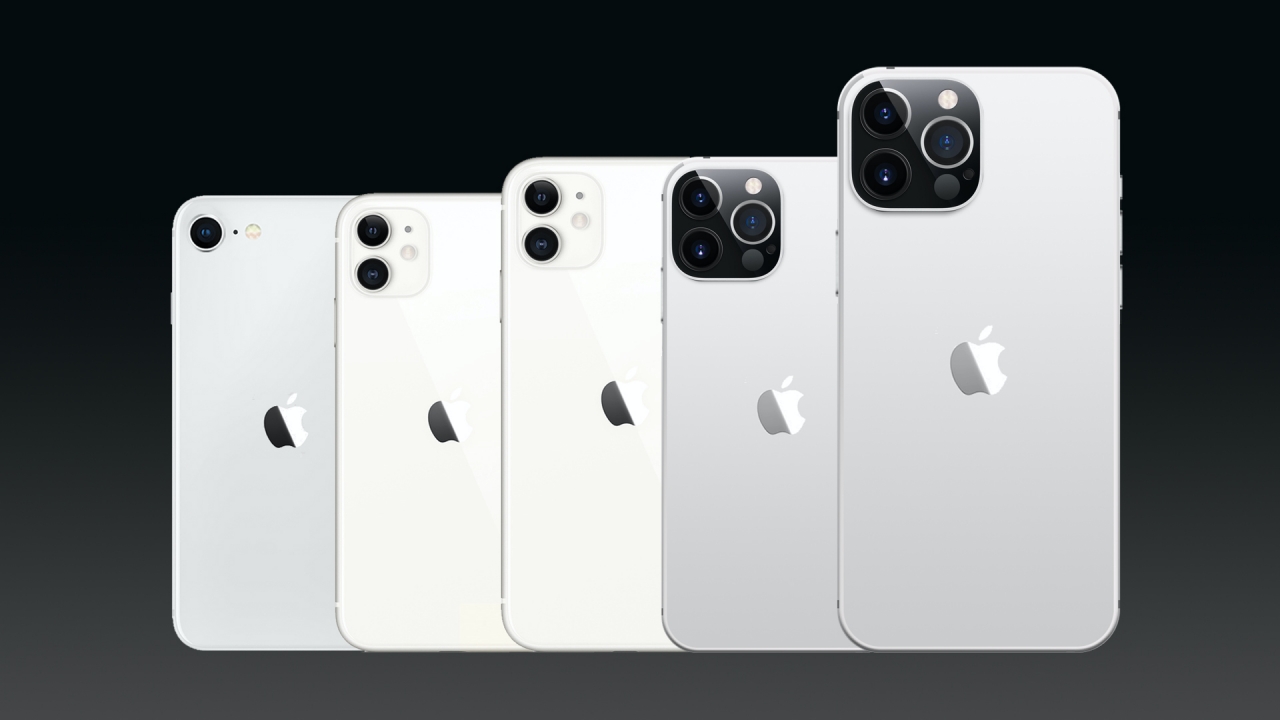
The first 2020 iPhone is the iPhone SE 2 or the iPhone 9 (whichever sounds best). It’s basically an upgraded version of the iPhone 8 with a bumped up chipset and 3GB RAM. It will still have a 4.7-inch LCD display, Touch ID through the home button, and still a single rear camera.
UPDATE: The new iPhone SE has been officially announced by Apple with most of the listed rumors confirmed to be true.
More display sizes with better refresh rate
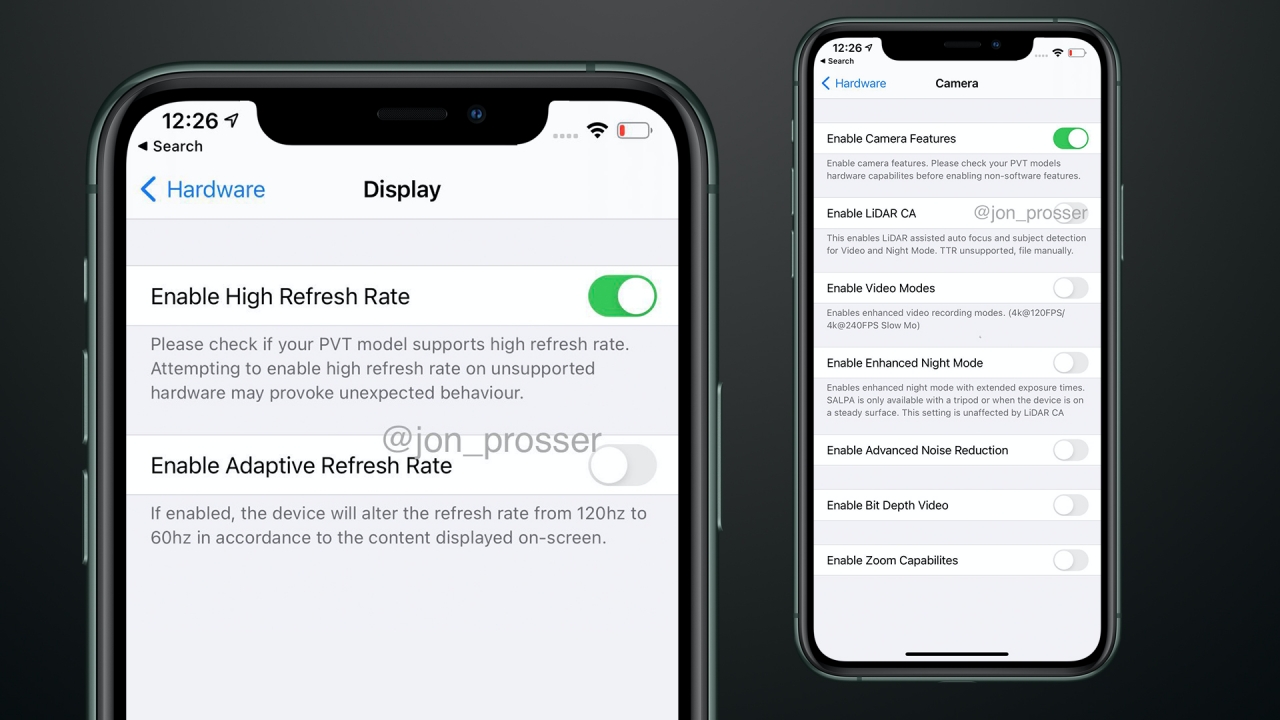
Image by GadgetMatch
There will be two variants of the iPhone 12: first is the 5.4-inch and the iPhone 12 Max will have a bigger 6.1-inch. Both feature OLED displays, ditching the lackluster 6.1-inch Liquid Retina Display of the iPhone XR and iPhone 11.
Finally, the last two variants are the flagships: the iPhone 12 Pro and iPhone 12 Pro Max. As reported months ago, the new models might feature a ProMotion Display with a faster 120Hz refresh rate.
Ice Universe, a prominent leakster, tweeted that Apple is currently discussing it with Samsung and LG. The 12 Pro reportedly has a bigger 6.1-inch display over the former 5.8-inch display. Meanwhile, the latter model might have a bigger 6.7-inch display (as opposed to 6.5 inches), which will become the biggest iPhone to date.
| iPhone 12 | iPhone 12 Max | iPhone 12 Pro | iPhone 12 Pro Max | |
| Screen Size | 5.4-inches | 6.1-inches | 6.1-inches | 6.7-inches |
| Display Technology | OLED | OLED | OLED | OLED (Super Retina XDR) |
| Resolution | 2340 x 1080 | 2532 x 1170 | 2532 x 1170 | 2788 x 1284 |
| Pixel Density | 475ppi | 460ppi | 460ppi | 458ppi |
| Color Depth | 8-bit | 8-bit | 10-bit | 10-bit |
| Manufacturer | Samsung | BOE/LG | Samsung | Samsung |
UPDATE: There may have been inconsistent reports about the iPhone’s 60Hz display not being upgraded due to problems in display driver ICs, but the latest article says it will most likely have the faster 120Hz refresh rate instead of the slow 60Hz Retina Displays they’ve been using for years. However, it’s still unclear if both of the iPhone 12 models will have the same display technology.
The leaked screenshots also tell that the iPhone 12 Pro Max will most likely have a Super Retina XDR display just like on the iPhone 11 Pro series. Sized at a whopping 6.7-inches, it will be the biggest iPhone to date.
Navy Blue color option

Image by GadgetMatch
Tipped by Max Weinbach to EverythingApplePro’s YouTube Video, there’s a leaked new color option that might replace the existing Midnight Green colorway of the iPhone 11 Pro series.
If you’re unaware, Weinbach has a good reputation considering he leaked the green iPhone 11 and iOS 13 features that actually came true.
Beefier internals with 5G Support
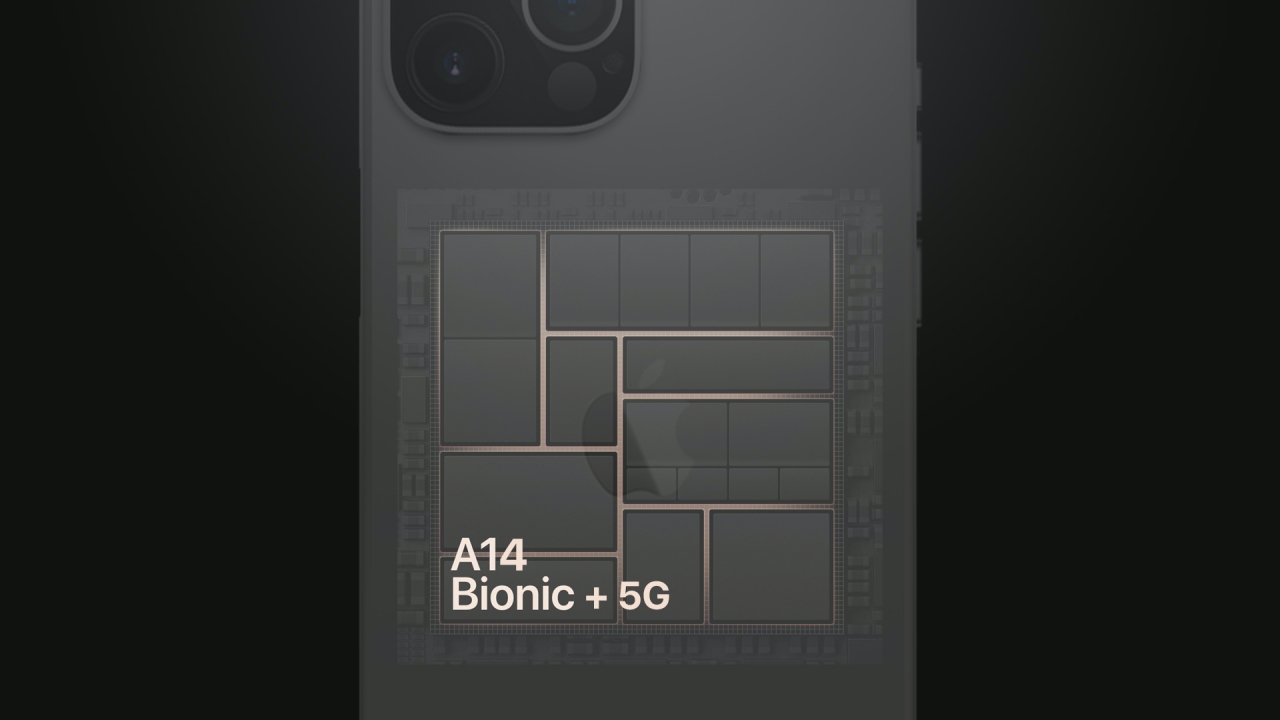
Image by GadgetMatch
Now that the Qualcomm and Apple feud has been cleared, Ming-Chi Kuo, a renowned source for iPhone leaks, stated that the four iPhone models (except the lower-end model) will have support for 5G connectivity. An insider also said that Qualcomm and Apple are currently discussing how to integrate the Qualcomm X55 chips to Apple’s upcoming A14 Bionic chipset.
However, it’s still unclear whether these iPhones will support a sub-6 5G technology or mmWave. Just a heads up, sub-6 5G covers a larger area but delivers slower 5G speeds, while mmWave technology gives faster speeds but in a smaller scale. Whichever 5G technology it is, we desire that these new iPhones should have 5G support all the way.
It’s also rumored that two of the highest models might feature a higher RAM capacity of 6GB. Meanwhile, the lower models might stick to 4GB RAM just like the iPhone 11 Pro series.
Refreshed design and Face ID System
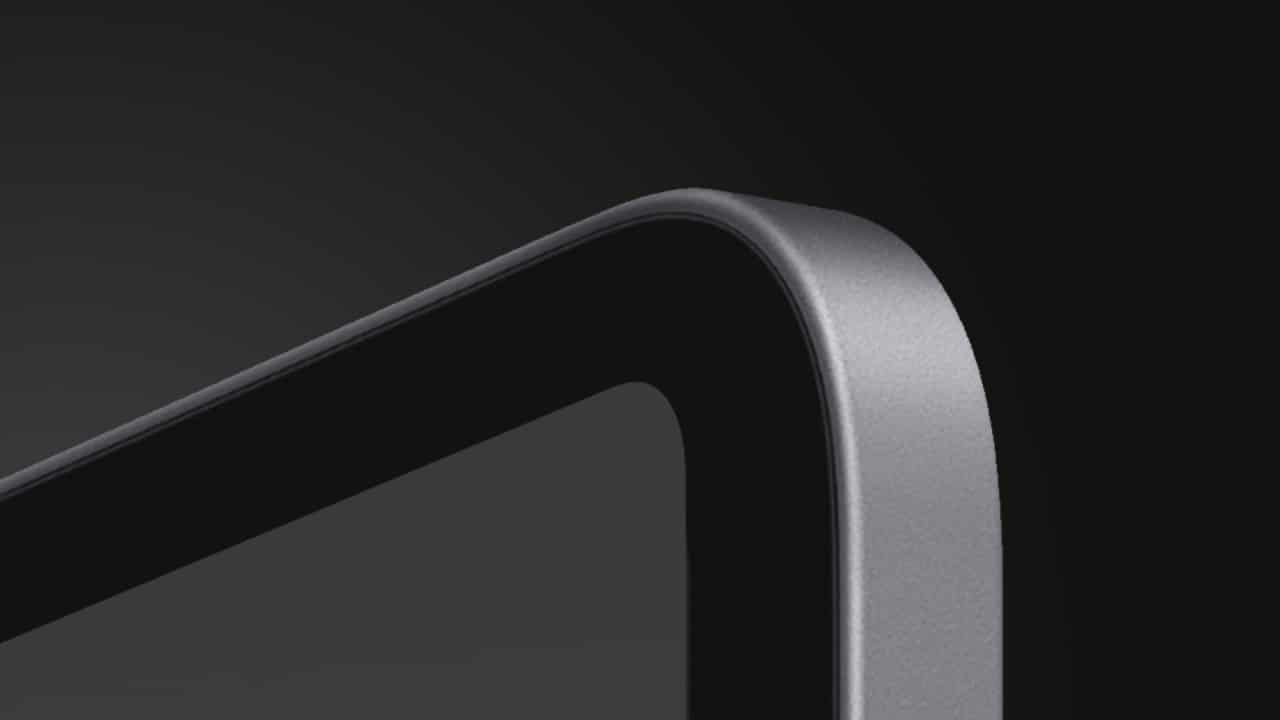
Image by GadgetMatch
Fans know that Apple refreshes their phone design every three years. Kuo has also strengthened the claim that a major design overhaul is going to happen next year. Apple might ditch the curved stainless steel frame in favor of the iPhone 4s-like frame with a flatter, more refined edges. Don’t worry, it’s still gonna be sandwiched by 2/2.5D glass.
When the iPhone X came out, notches took the smartphone world by storm. This year’s iPhones might finally have a faster Face ID recognition system thanks to an improved TrueDepth System. Although no reports say whether the new iPhones will have a smaller notch or a complete fullscreen display, the flat metal frame may somehow serve as a hint that they might finally put the Face ID into the bezels (perhaps a miniaturized version of the large iPad Pros).
UPDATE: The new iPhones will most likely have an Aerospace-grade metal build that will heat less under the sun and suffer less in areas with cooler climate. Meanwhile, the notch will most likely be the same size as the old iPhones — but with faster Face ID system that works at various angles.
Improved cameras + new LiDAR Scanner

Image by GadgetMatch
The iPhone 11 Pro Series currently have three cameras. This time, it’s more likely that they will implement a longer 10x telephoto zoom, plus stabilization for the existing ultra-wide camera sensor through Sensor-shift technology.
It’s also rumored that newest NASA-equipped LiDAR Scanner from the new iPad Pro might come to the 2020 flagship models, making it a quad rear camera setup. It might be used to further enhance consumer-based AR experience. Knowing Apple, they might also come up with a better, more seamless 3D image scanning app that can send data to a 3D printer straight from the iPhone.
UPDATE: A Twitter leak shows the new iPhone 12 series in a series of glyphs, confirming the updated camera layout and LiDAR Scanner. The new LiDAR Scanner was also confirmed in a screenshot leak that was just recently reported.
Smaller batteries with longer usage

Image by GadgetMatch
Other than a cheaper battery design that offsets to the pricey 5G modems for all the iPhone 12 models, leaked battery information also suggests lower battery capacities than the existing iPhone lineup.
| iPhone Battery Capacity | |||
| iPhone 12 (5.4”) | 2,227mAh | iPhone XR (6.1”) | 2,942mAh |
| iPhone 12 Max (6.1”) | 2,815mAh | iPhone 11 (6.1”) | 3,110mAh |
| iPhone 12 Pro (6.1”) | 2,775mAh | iPhone 11 Pro (5.8”) | 3,046mAh |
| iPhone 12 Pro Max (6.7”) | 3,687mAh | iPhone 11 Pro Max (6.5”) | 3,969mAh |
Even if this list tell that there’s a decline in battery capacity ratings, it’s also worth pointing out that the two Max models in the iPhone 12 lineup lasted longer in usage compared to their predecessors — around three (3) hours more with the iPhone 12 Pro Max and additional three and a half hour (3.5 hours) with the iPhone 12 Max. This is all thanks to the more power-efficient A14 Bionic chipset.
No more chargers and EarPods out of the box
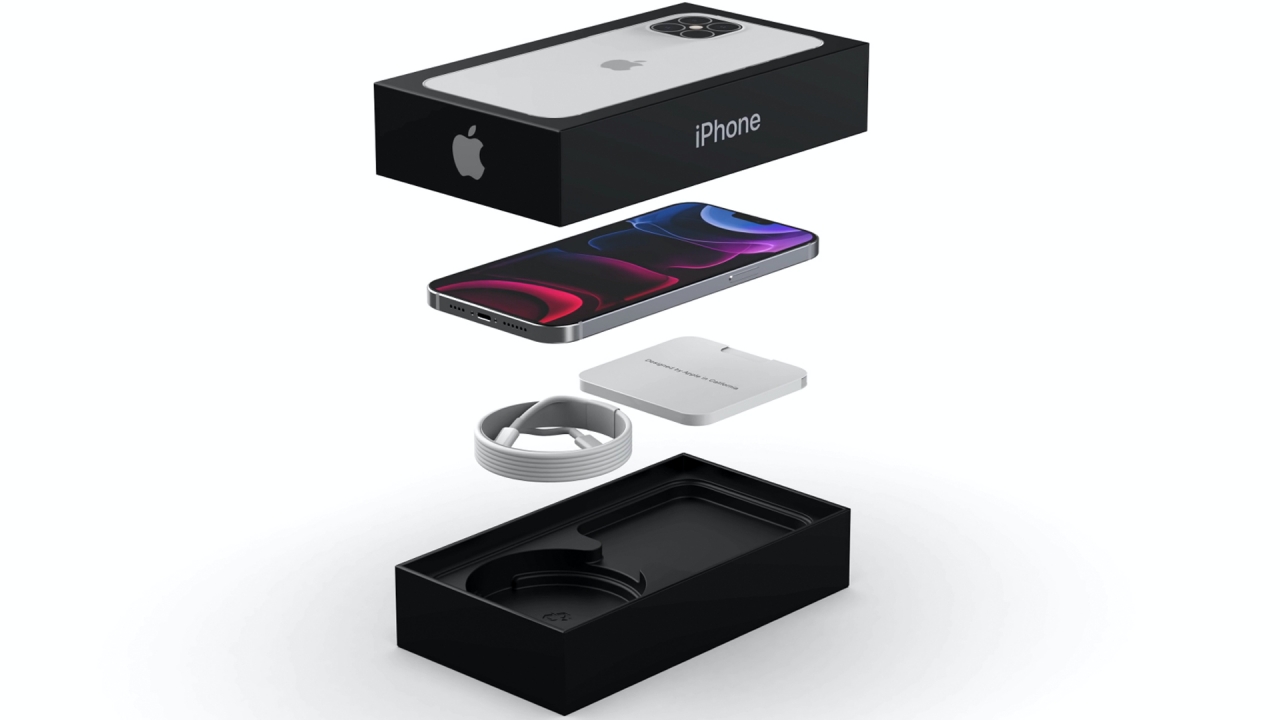
Render from EverythingApplePro
Based from a previous report, Apple might (literally) remove the chargers and wired EarPods out of the box. Reason is unclear but loyalists defend it’s a “smart move” of Apple to reduce product waste.
In my own (a user’s) perspective, less reliable Apple Lightning cables that break even with utmost care also add up to a lot of dumpsters around. Not sure what Apple is clearly aiming for with this kind of move.
On the contrary, Apple might included a braided Lightning cable out of the box that comes in either white or black options.
Rumored pricing and availability
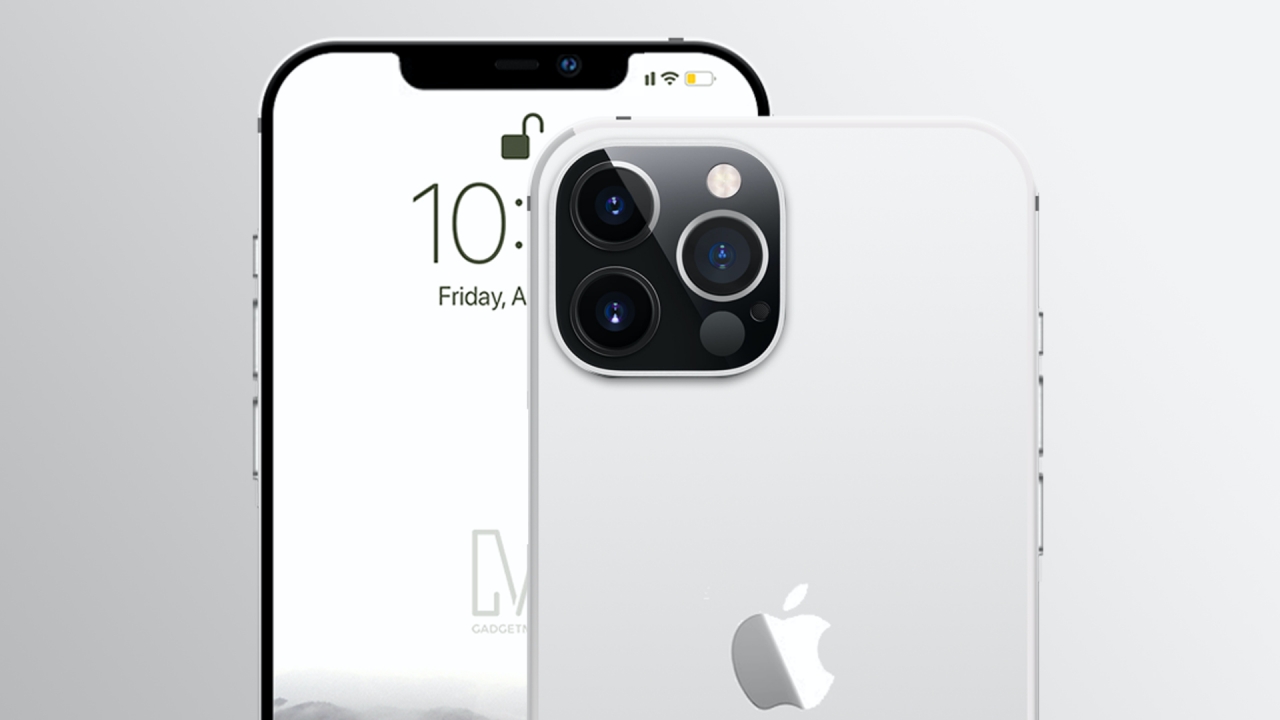
Image by GadgetMatch
According to a tweet from another leaker Komiya, here’s the US pricing we can expect in the upcoming iPhone 12 series:
iPhone 12
- 128GB – US$ 699
- 256GB – US$ 799
iPhone 12 Max
- 128GB – US$ 799
- 256GB – US$ 899
iPhone 12 Pro
- 128GB – US$ 999
- 256GB – US$ 1099
- 512GB – US$ 1299
iPhone 12 Pro Max
- 128GB – US$ 1099
- 256GB – US$ 1199
- 512GB – US$ 1399
Storage options are limited to 256GB on the lower-end iPhone 12 models while the iPhone 12 Pro series will still have 512GB options in tow. However, take note that base storage will start at 128GB instead of the usual 64GB.
It’s also reported that due to the COVID-19 crisis, the launch will be moved on October 12. Pre-orders will take a longer time that will start on November 20 while shipments will be delivered on November 27.
More rumors await
We gathered all these rumors just months after the iPhone 11 release. Will these rumors prove to be true just like what happened with the leaked triple camera setup? Or are we just expecting too much from Apple as Android smartphones are continuously evolving?
No ports for the highest-end iPhone in 2021
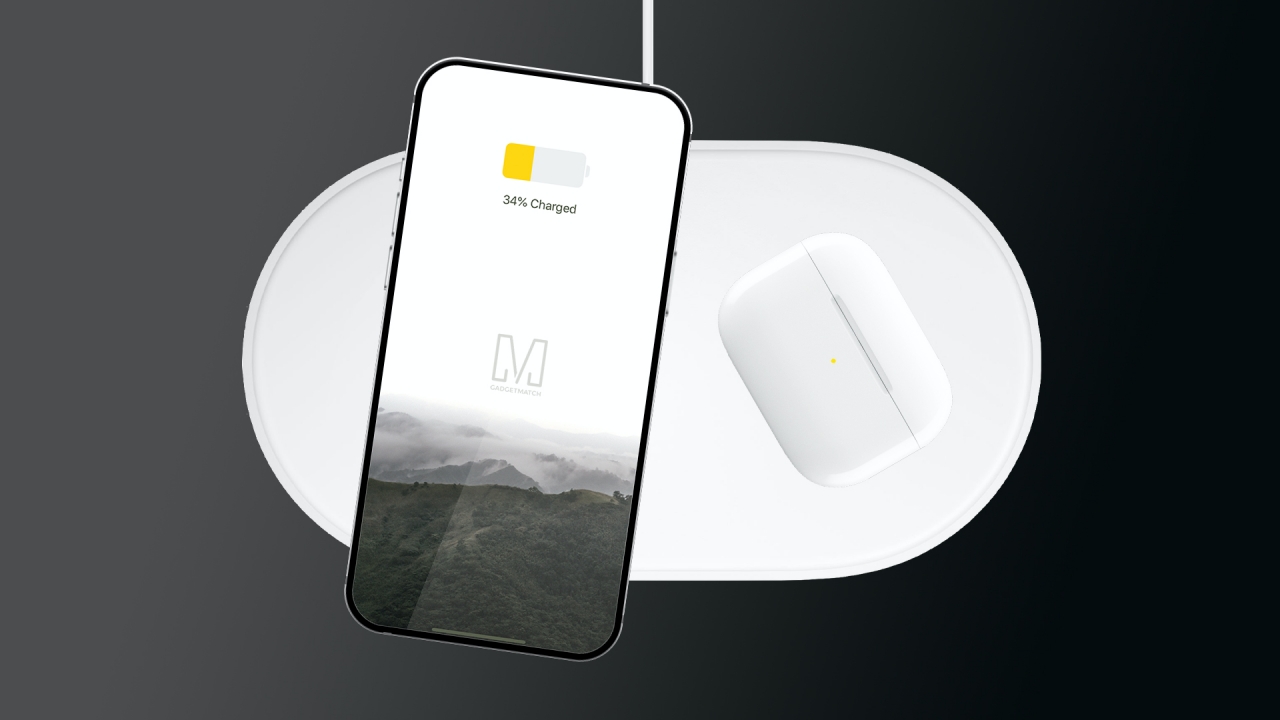
Image by GadgetMatch
Other than the rumored 2020 iPhone lineup, the highest-end iPhone in 2021 (yes, one step higher than the current high-end iPhones) might totally eliminate ports, which reminds us of the Vivo APEX 2019 and Meizu Zero.
It will also likely have a fullscreen display without a notch. Front camera/s and Face ID sensors might become smaller and will either be under the display or between the bezels, plus a Touch ID comeback which will also be found beneath the display.
As wireless charging speeds are getting faster, Apple might be able to meet the required standards and the cancelled AirPower might once again see the light of day in 2021. This also means they might ship it together with the latest AirPods Pro as wired earphones don’t make sense anymore. One thing is for sure, these iPhones will cost as much as your two kidneys.
2021 iPhone SE Plus
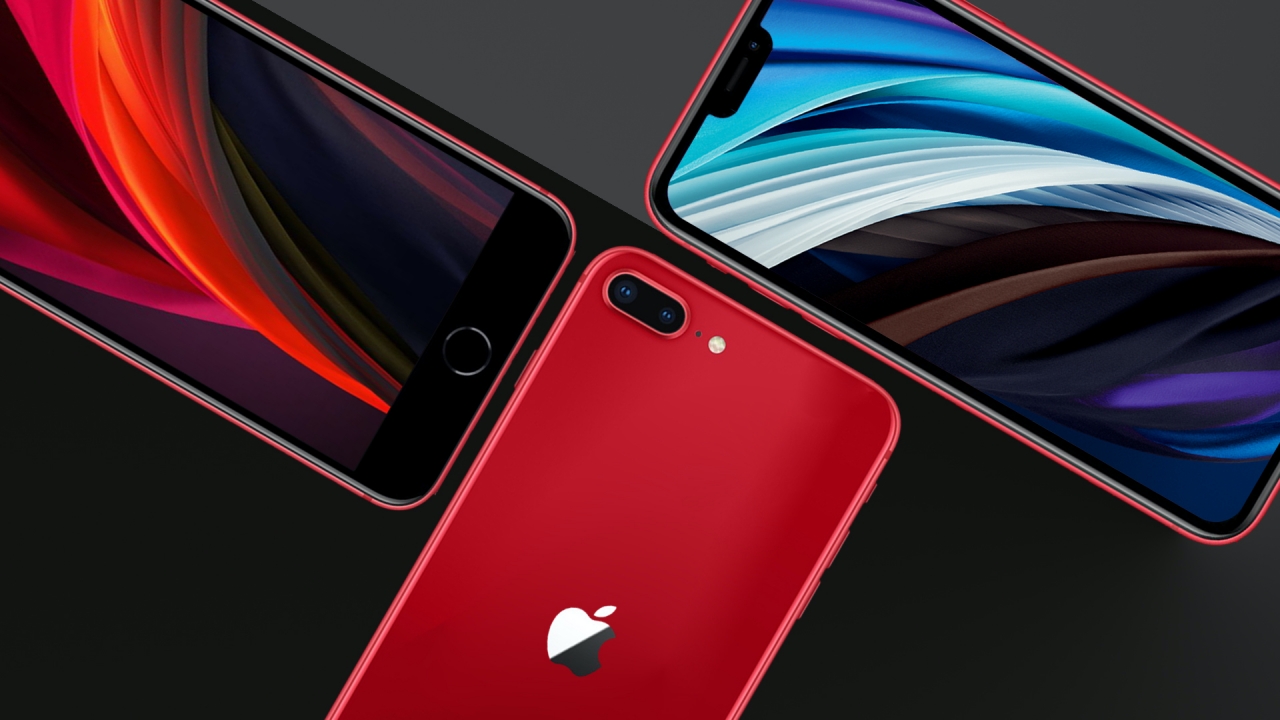
Image by GadgetMatch
As claimed by Kuo, other than the highest-end iPhone, they will launch another SE follow-up, but this time with a major redesign. Instead of sticking with the aging 4.7-inch iPhone design language, they will implement either the old 5.5-inch Retina display from the iPhone 8 Plus or a 6.1-inch fullscreen display that might either eliminate the notch or have a smaller notch for the front camera and and earpiece. As Face ID won’t be available for this variant, a side-mounted Touch ID (found on the power button) might be used for security and Apple Pay.
Apple might also launch iPhones twice a year starting in 2021. “Budget” iPhones will be launched in the first half of the year, while the flagship models will be released in the second half, September like the usual.
Myths debunked
Image by GadgetMatch
As we all know, Apple implements a certain tech feature when it works seamlessly and fully functional. Unfortunately, the foldable iPhone that is rumored to come in 2021 is less likely gonna happen. Apple might just need more time to learn from the Galaxy Fold fiasco.
Other than that, USB-C might never be seen on any iPhone. The rumor started when the new iPad Pros got shipped with the latest port, suggesting Apple will equip it on the newer phone refresh. We now know Apple is leaning towards a more technologically advanced approach with portless connectivity — through a Magnetic Smart Connector, which is again, found on the iPad Pro.
We’ll update this article with every new leak and/or rumor on the Apple iPhone 2020






Gaming
Project Helix is Xbox’s next console, and it plays PC games
It might be as powerful as a modern PC.


Among all the platforms in today’s generation of consoles, the Xbox has to be biggest loser. Compared to the PlayStation 5 and the Switch 2, the Xbox Series X|S isn’t as memorable. To rectify its position in the rankings, Xbox is heavily teasing its next console codenamed Project Helix.
As was hinted before, Xbox is trying something different with its next-generation console. Rather than just a simple iteration over the current-generation console, the upcoming one will reportedly double as a PC. Today, the company itself has confirmed that this is the case for Project Helix.
Through a post on X, Xbox CEO Asha Sharma said that the console will “lead in performance and play your Xbox and PC games.”
Great start to the morning with Team Xbox, where we talked about our commitment to the return of Xbox including Project Helix, the code name for our next generation console.
Project Helix will lead in performance and play your Xbox and PC games. Looking forward to chatting about… pic.twitter.com/Xx5rpVnAZI
— Asha (@asha_shar) March 5, 2026
There are two things to unpack here. Firstly, Project Helix will aim to bridge the perilous divide between console players and PC players. Unlike the past, there will be a way to play both platforms on both devices… except for games exclusive to the PlayStation and the Switch, that is.
Secondly, a “lead in performance” seems to indicate that this isn’t just a mini-PC. Most recently, Valve announced the Steam Machine. Though it offers a convenient way to play Steam games in one device, it doesn’t have the best specs. Project Helix, if Sharma’s words are to be believed, might be as powerful as a modern PC.
Xbox won’t wait long before revealing more details about the console. Sharma, who only recently started her post as CEO, will be at next week’s Game Developers Conference to explain Project Helix more.
SEE ALSO: AMD teases next-gen Xbox coming in 2027
News
Nothing adds color to its wearables with the Headphone (a)
The Pink and Yellow colors look great!

Last year, the Nothing Headphone (1) added a sense of fashion to the drab headphone market. Today, Nothing is adding a splash of color to its stylish lineup of headphones through the newly launched Headphone (a).
As with the (a) series of phones, the Headphone (a) melds fashion with affordability and performance. For quality, the wearable will have intelligent noise cancellation and sharper voice pick-ups with a 3-microphone Environmental Noise Cancellation system. It will also deliver rich immersive sound through Static Spatial Audio.
It’s only 310g light for easy use throughout the day.
For convenience, the Headphone (a) will have tactile gestures, such as a Button, Roller, and Paddle, to easily control the device without need of a phone. Users can integrate features like Channel Hop and Camera Shutter mode straight into the controls.
The headphones are designed for up to five days of battery life. Plus, a five-minute charge time can already provide five hours of playback. Finally, for durability, it is rated for IP52 resistance.
The Headphone (a) is available for preorders now. Starting March 13, it will be available in White, Black, and Pink. It will sell for EUR 159. Meanwhile, a limited-edition Yellow pair will be available starting April 6.
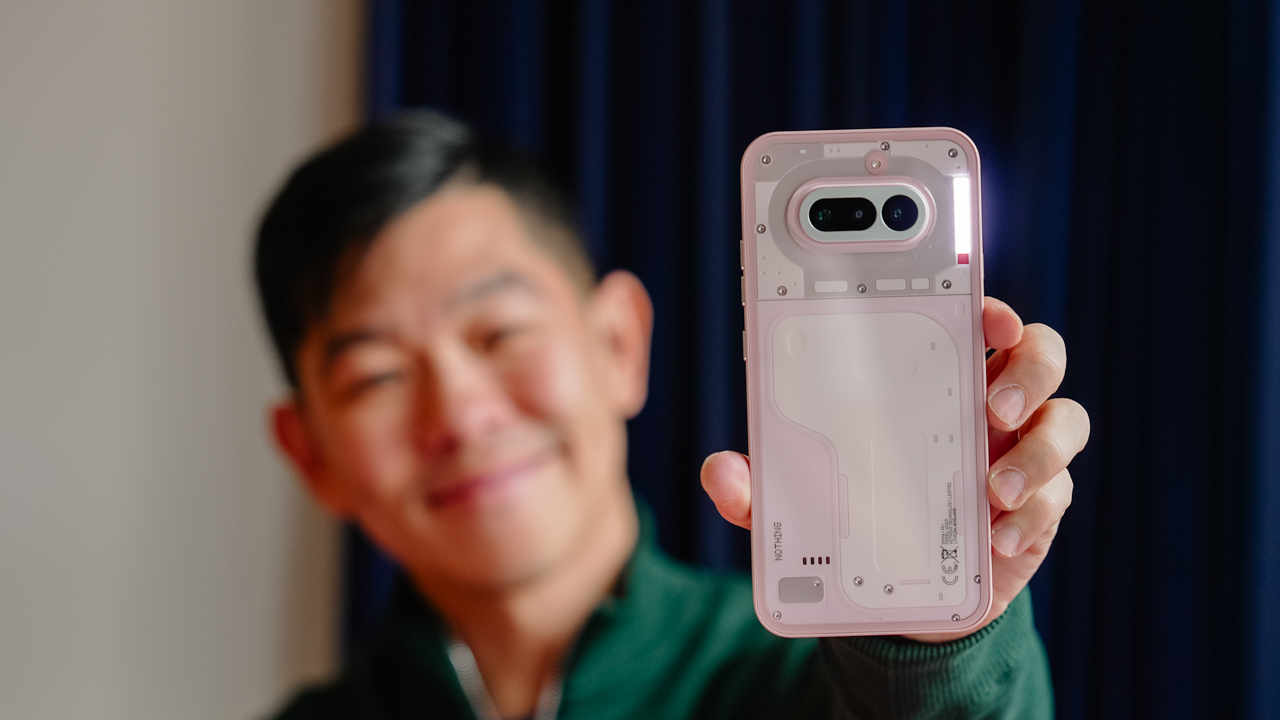
Nothing is not launching the Phone (4) this year. Though the lack of a flagship is certainly disappointing, the brand is still launching the Phone (4a) series, and now that it’s official, there really is no reason to feel like we’re missing out.
Nothing Phone (4a)
The base Nothing Phone (4a) carries over the circular camera island design of the previous Phone (3a). However, this generation will feature the new Glyph Bar, a subtler and more functional take on the brand’s iconic lighting system. It has 63 mini-LEDs in seven square light zones. It provides 3500 nits of brightness, which is 40 percent brighter than the Phone (3a)’s Glyph Interface.
The 6.78-inch AMOLED screen delivers images at 1.5K resolution,120Hz refresh rate, and 440 pixels per inch.
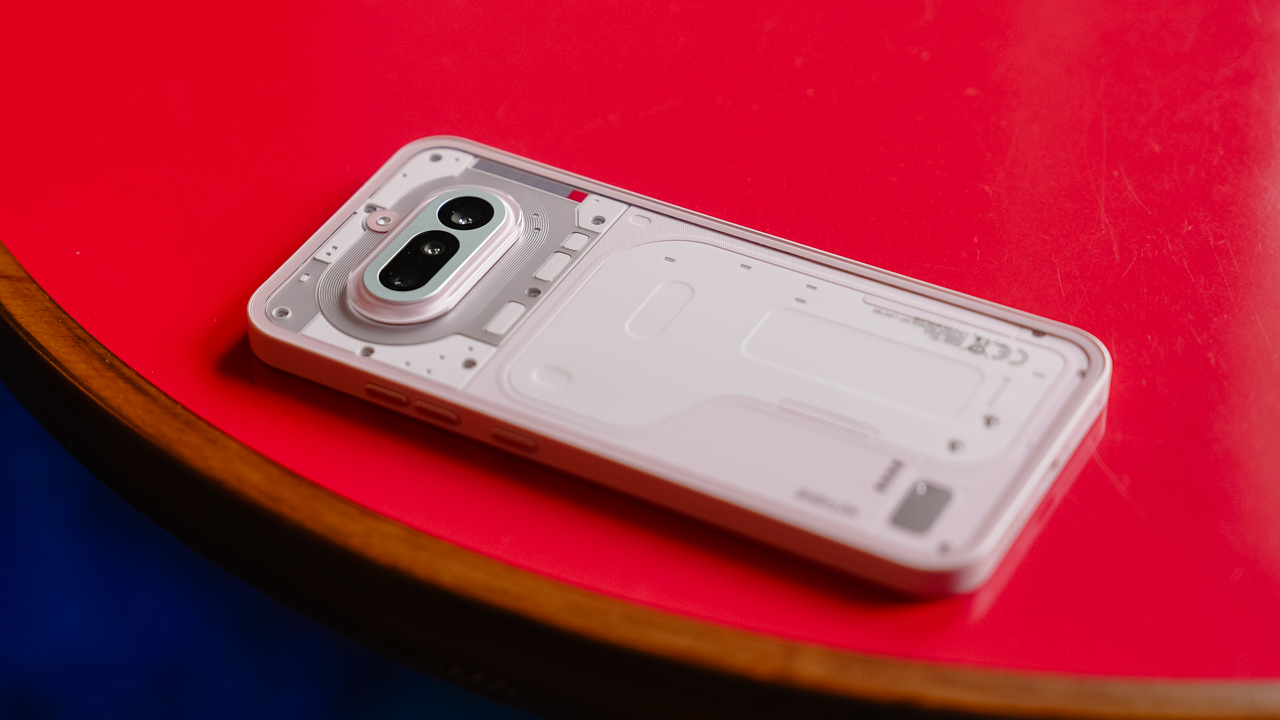
Inside, the Phone (4a) is powered by the Snapdragon 7s Gen 4. This is paired with up to 12GB of RAM and 256GB of internal storage. It can reportedly play Call of Duty: Mobile at up to 90fps.
For cameras, the model carries a Samsung GN9 50-megapixel main camera. It can take in more light and offer a wider field of view. Plus, the camera can zoom by up to 3.5 times using an optical zoom. There’s also 7x lossless zoom and 70x ultra zoom.
Using Qualcomm’s triple Image Signal Processor, the camera can shoot 4K video at 30 frames per second. It can also shoot Full HD videos at 120 frames per second.
Finally, the Phone (4a) has a large 5080mAh battery, capable of charging up to 60 percent in just 30 minutes.
Nothing Phone (4a) Pro
Meanwhile, the Nothing Phone (4a) Pro takes the best parts of the Phone (3) and brings it to life in the (a) series.
For one, the bolder camera island revives the Glyph Matrix of the flagship series and packs in more shooters inside. The three-camera system consists of a Sony LYT-700C 50-megapixel main shooter, a Samsung J5 50-megapixel periscope lens, and a Sony IMX355 ultrawide camera.

The 6.83-inch LTPS AMOLED screen is protected by Gorilla Glass 7i. It can deliver images at 1.5K resolution, 144Hz refresh rate, and 5,000nits peak brightness.
Inside, the Pro model sports the Snapdragon 7 Gen 4. Plus, the RAM Booster can increase the up to 12GB of RAM to 20GB. It will also have 256GB of internal storage.
It still has the large 5080mAh battery of its regular sibling and all the power that promises.
Price, availability
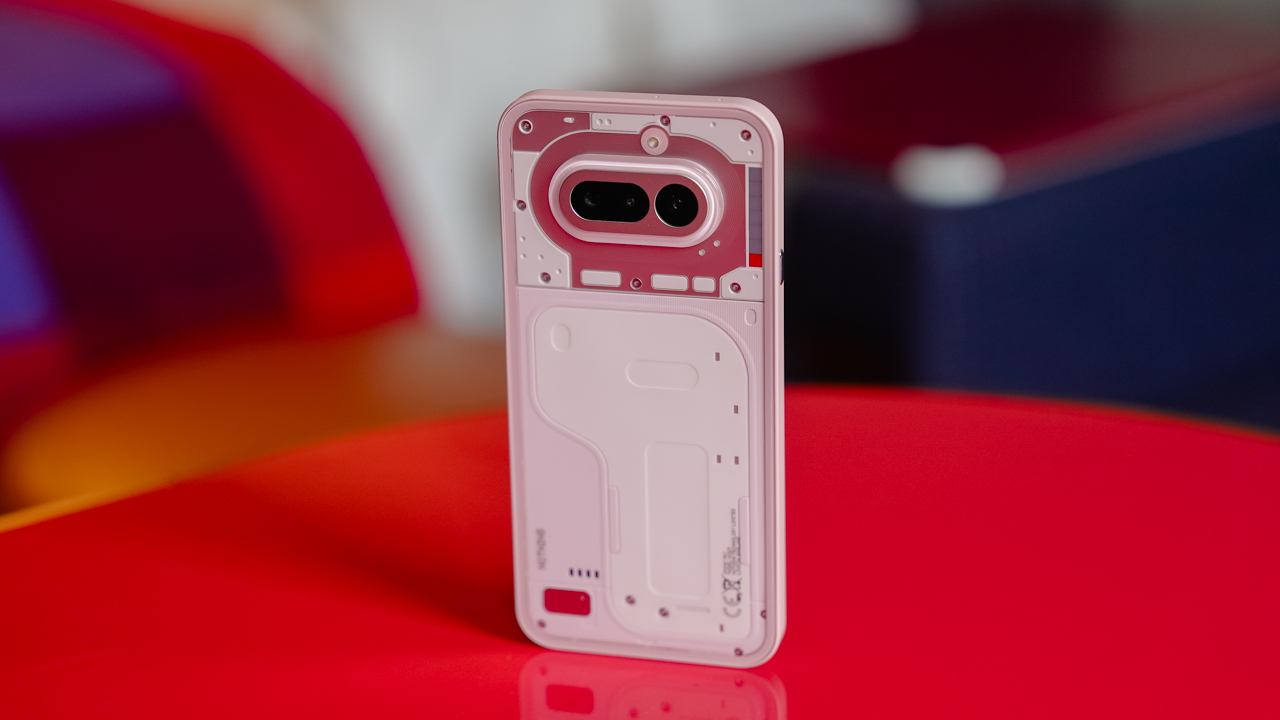
The Nothing Phone (4a) will be available in black, white, blue, and pink. It starts at EUR 349 for the 8+128GB configuration, topping off at EUR 429 for the 12+256GB model.
The Nothing Phone (4a) Pro will be available in black, silver, and pink. It starts at EUR 479 for the 8+128GB model, with the 12+256GB version selling for EUR 549.


OPPO Reno15 F 5G hands-on

Project Helix is Xbox’s next console, and it plays PC games

Nothing adds color to its wearables with the Headphone (a)

Nothing launches the Phone (4a) series

HMD is developing an AI assistant for the elderly

Xiaomi 17 Ultra is now available outside China

TECNO will showcase the CAMON 50 and POVA 8 series at MWC 2026

The art of being in and behind the frame

HUAWEI MatePad 11.5 S 2026: The better-than-ever 4-in-1 productivity tablet

TECNO MEGABOOK K16s 13th review: No-frills beneath those grills


-
 News6 days ago
Xiaomi 17 Ultra is now available outside China
-

 Camera Walkthrough2 weeks ago
OPPO Reno15 Pro: Camera Review
-
 MWC 20264 days ago
TECNO showcases cool concepts at MWC 2026
-

 MWC 20261 week ago
TECNO resurrects modular phones with this new concept
-

 Reviews6 days ago
Xiaomi Pad 8 review: Slab that slaps!
-

 Events2 weeks ago
Capcom to hold Resident Evil Requiem launch event in Jakarta
-
 MWC 20263 days ago
TECNO launches the all-new CAMON 50 series
-

 Reviews6 days ago
Forget the Phone: Xiaomi 17 Ultra Is A CAMERA!