
Reviews
ASUS ZenFone 4 Max review

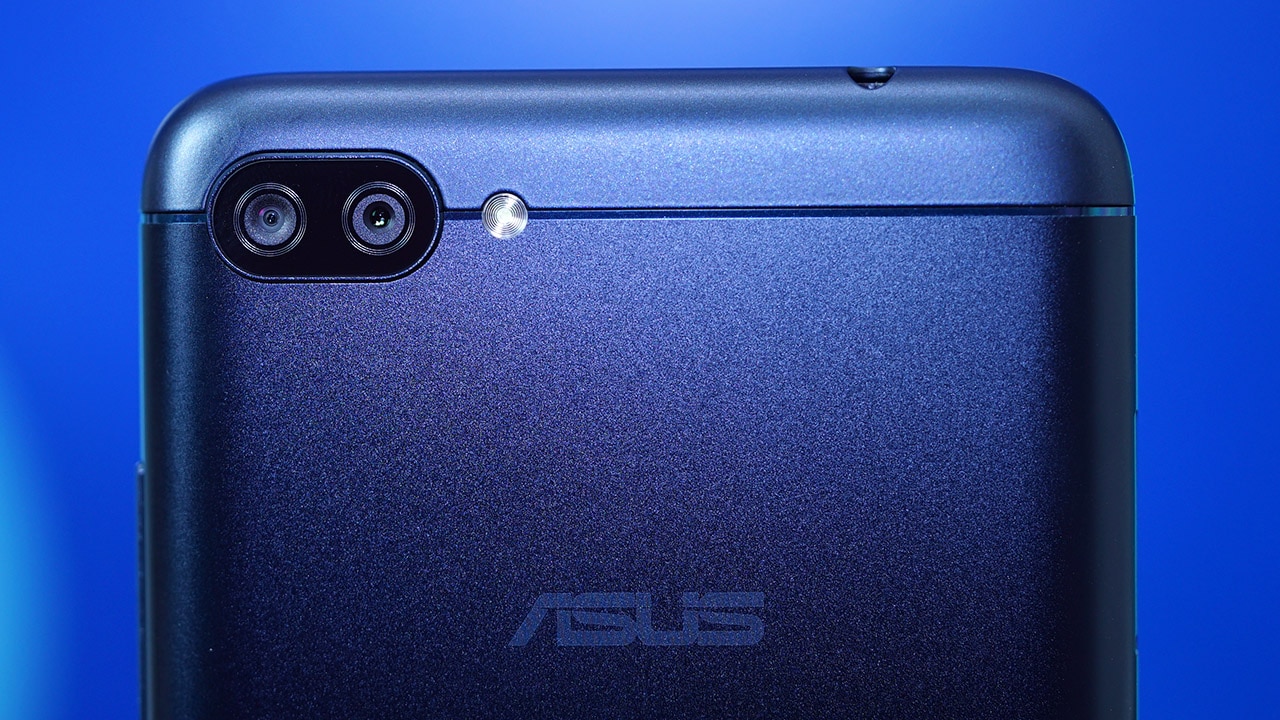
ASUS has, once again, released a swarm of ZenFones with a variety of configurations. Having choices is great and all, but the question on everyone’s mind is: Which model is the best bang for one’s buck? If we had to pick one, it would likely be the ZenFone 4 Max.
Quick to jump the gun? Hardly. If you look at both the design and specifications, you’d notice a striking resemblance to the highly praised ZenFone 3 Zoom, except the ZenFone 4 Max is a lot cheaper.
Let’s take a look:
The 5.5-inch LCD is nothing out of the ordinary
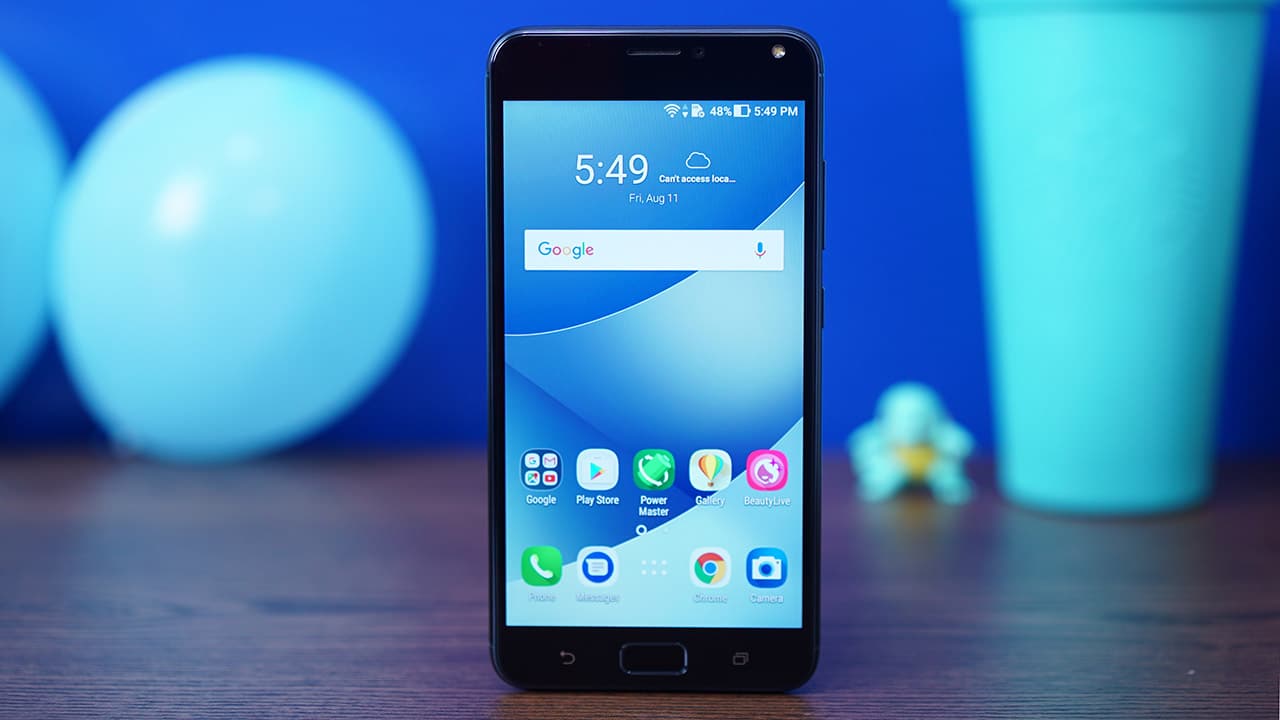
Its 1280 x 720-pixel resolution isn’t that sharp
Yes, the home button houses the fingerprint sensor
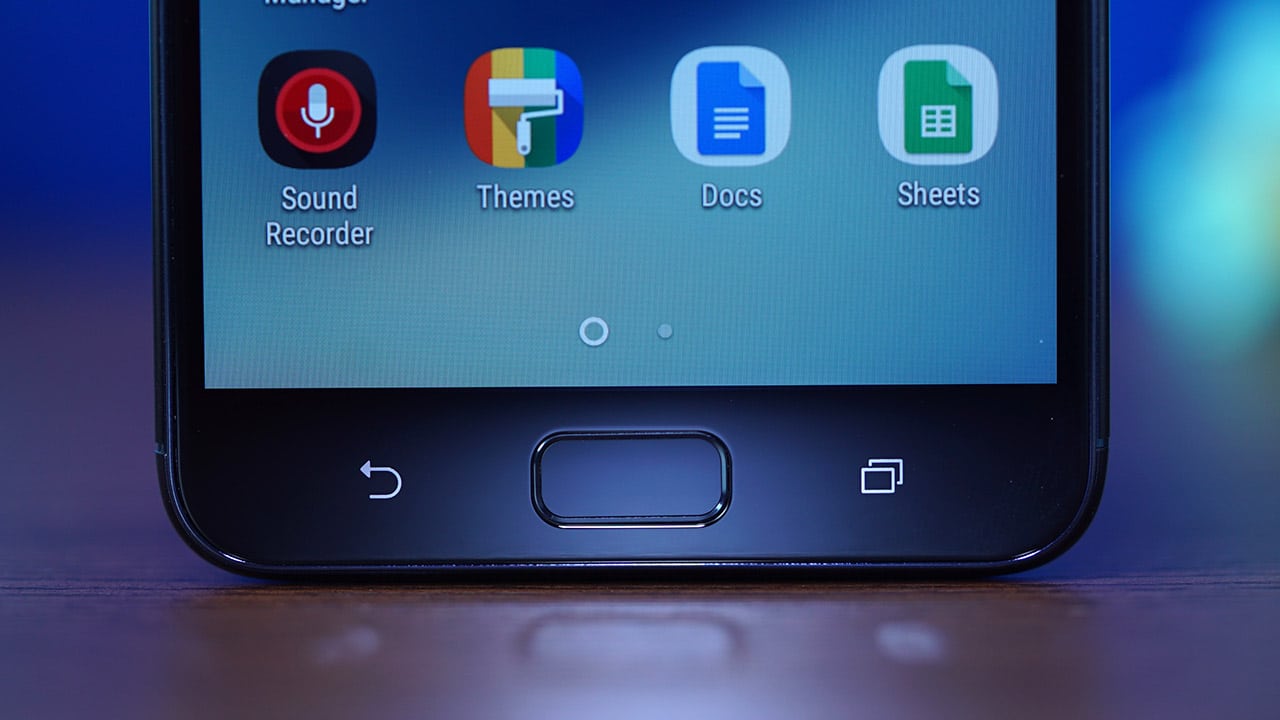
I prefer this over the rear-mounted scanner of the ZenFone 3 series
Its all-metal back adds durability to the heft
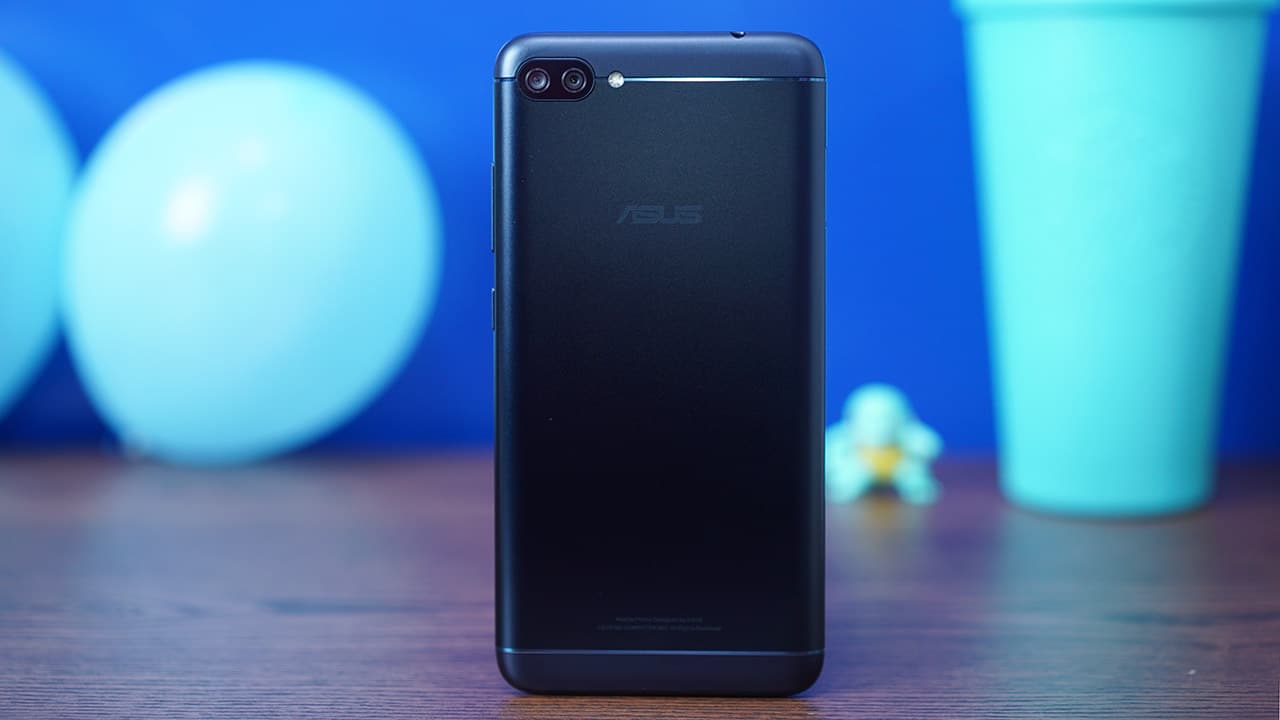
The design is really clean until you get your fingerprints on it
A hint of blue along the metal bands adds a nice touch
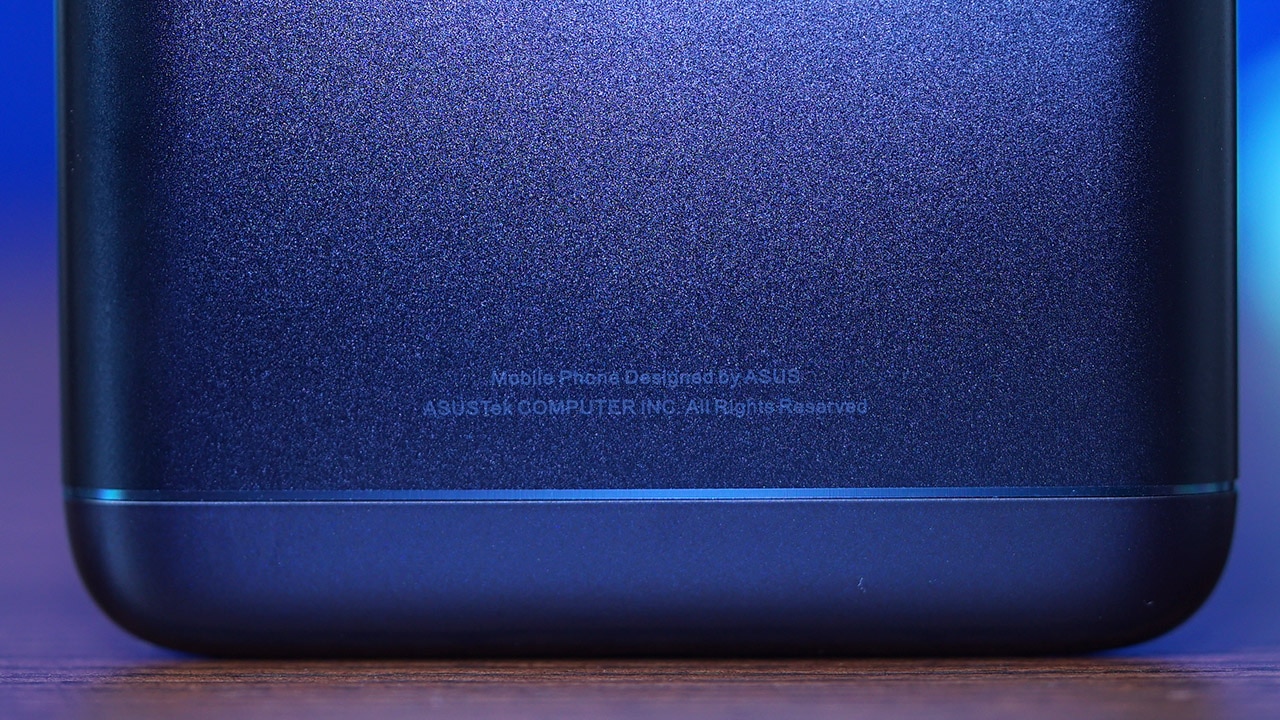
Notice how the otherwise dark color glistens when seen up close
Here we have a pair of 13-megapixel cameras with their solo LED flash
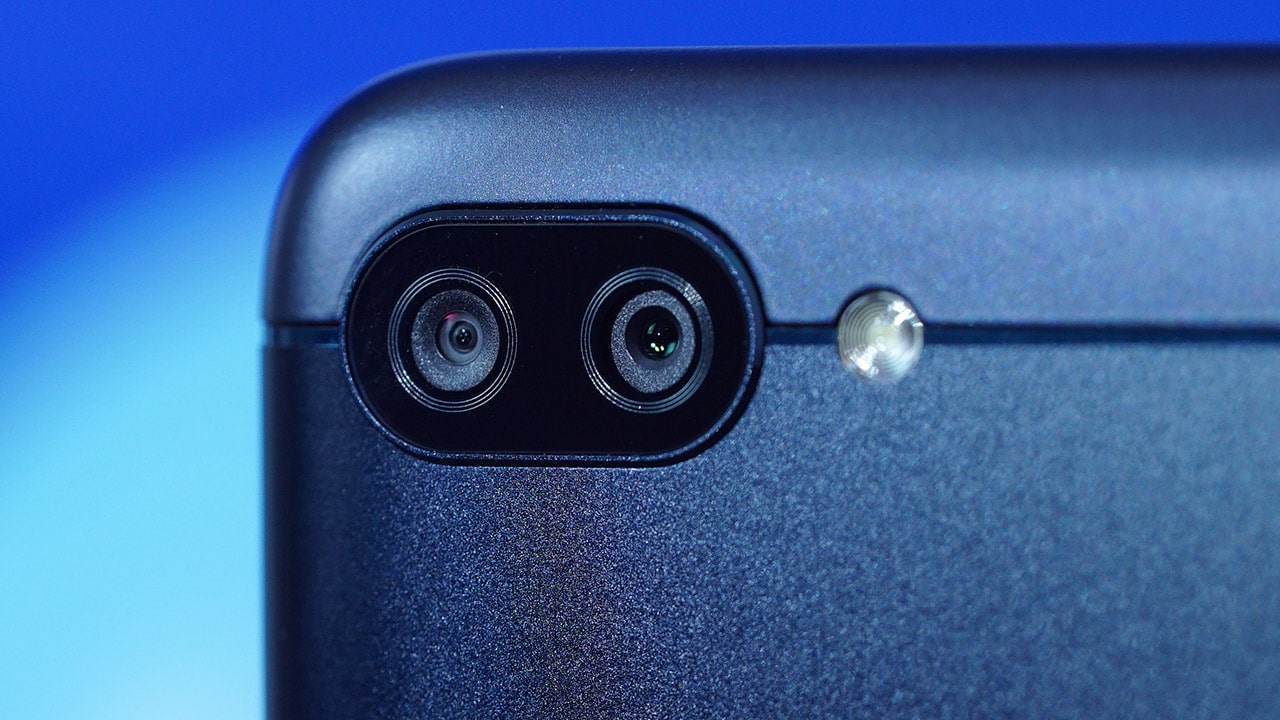
Camera hump is minimal and doesn’t make the phone wobble much on a table
Good news: There’s a 3.5mm audio port
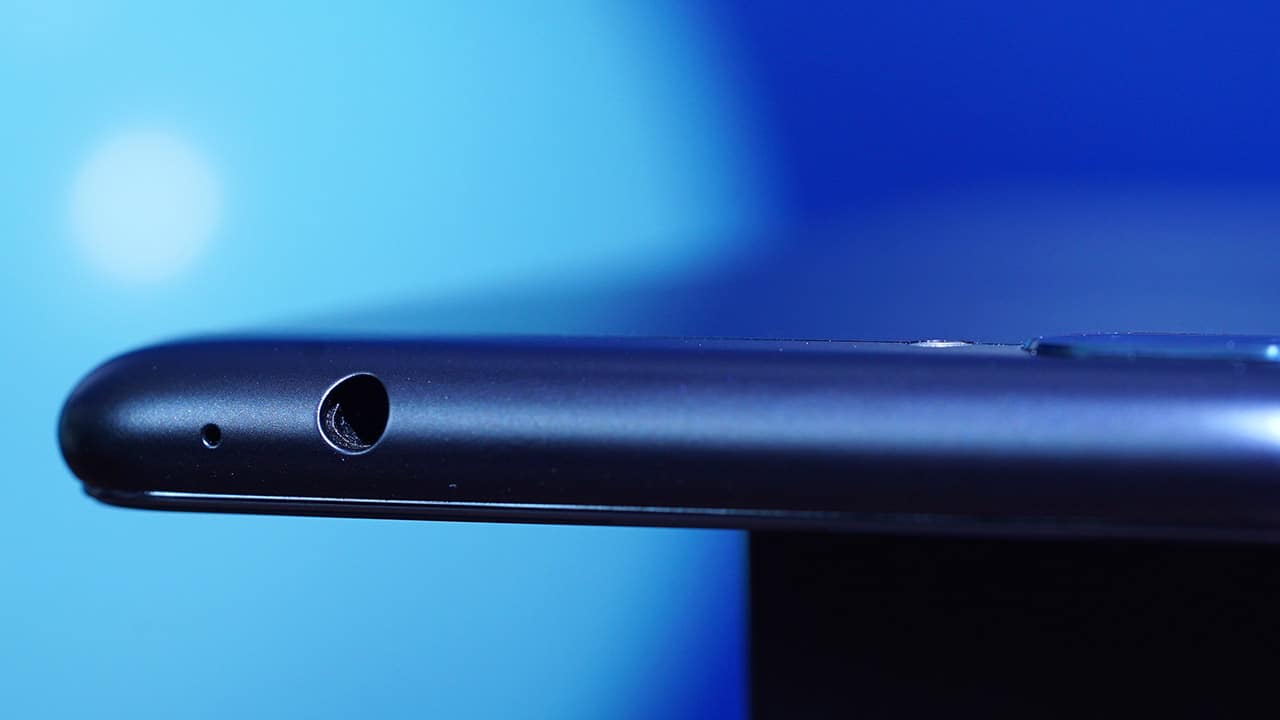
This is slowly becoming a rarity in newer phones
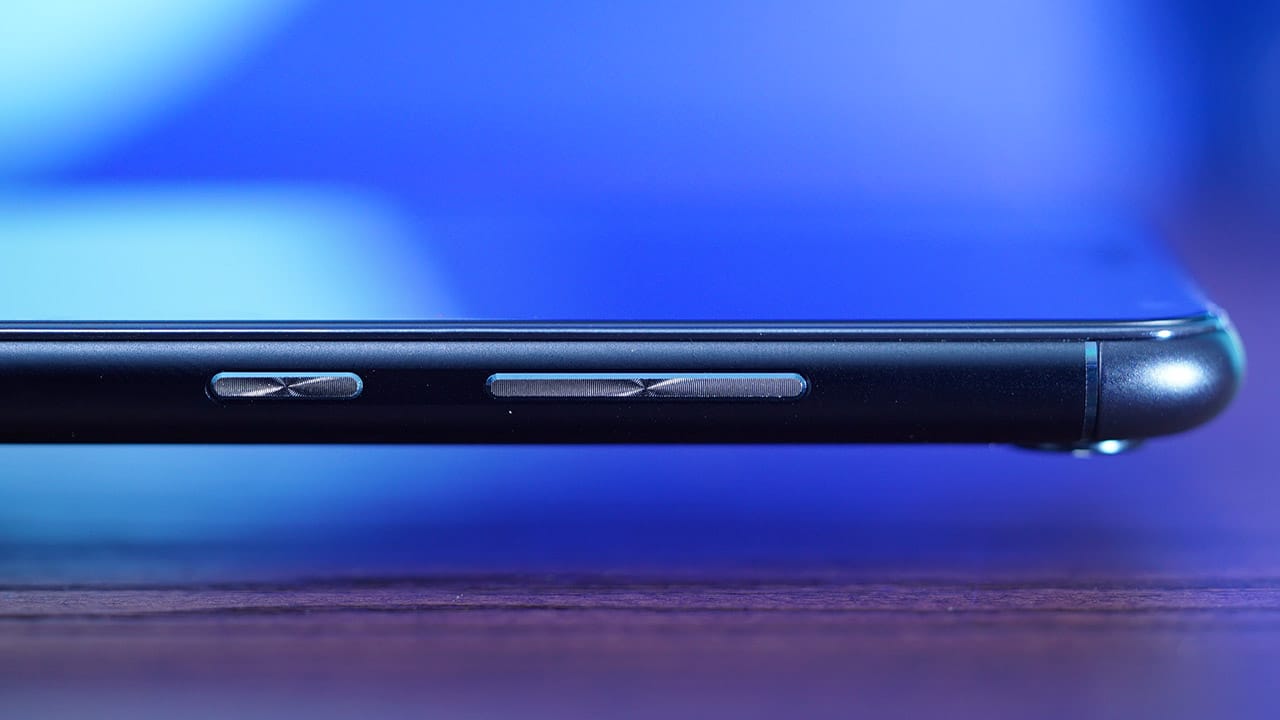
Bad news: You have to settle for an older micro-USB port and single speaker
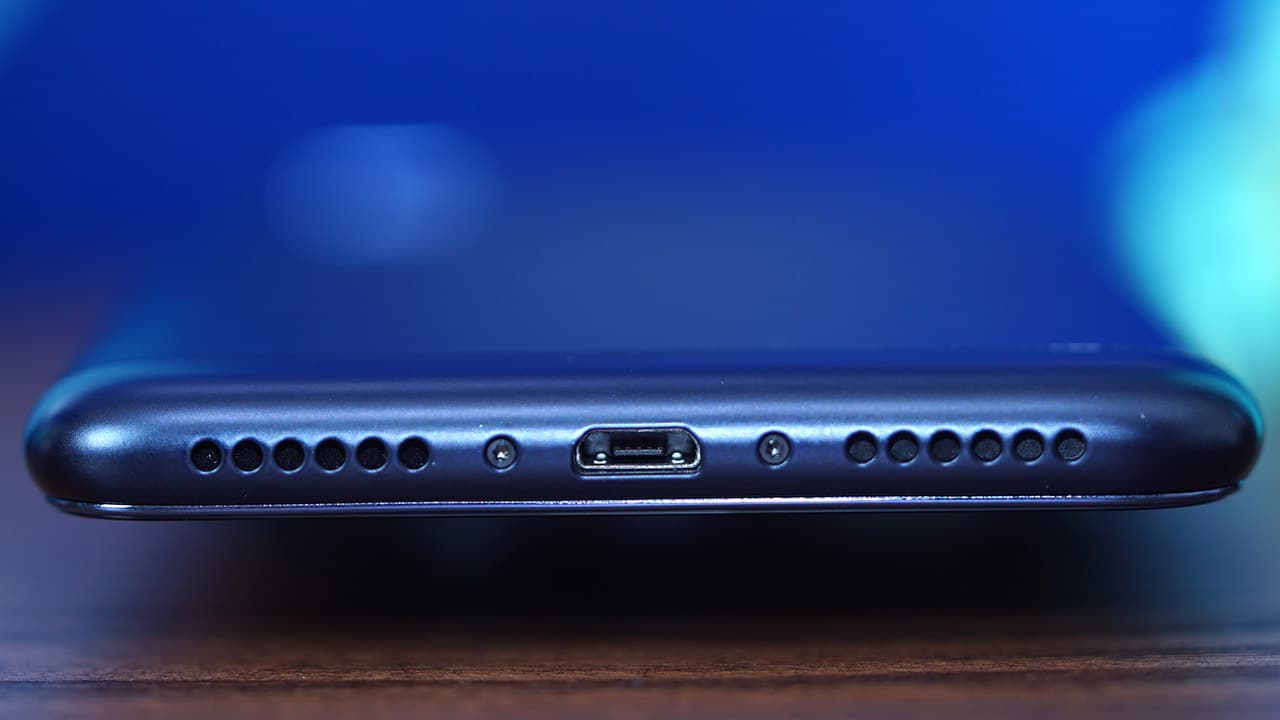
USB-C would’ve been a lot more convenient, and only one of two speaker grilles actually functions
Best news: We get a triple-card tray!
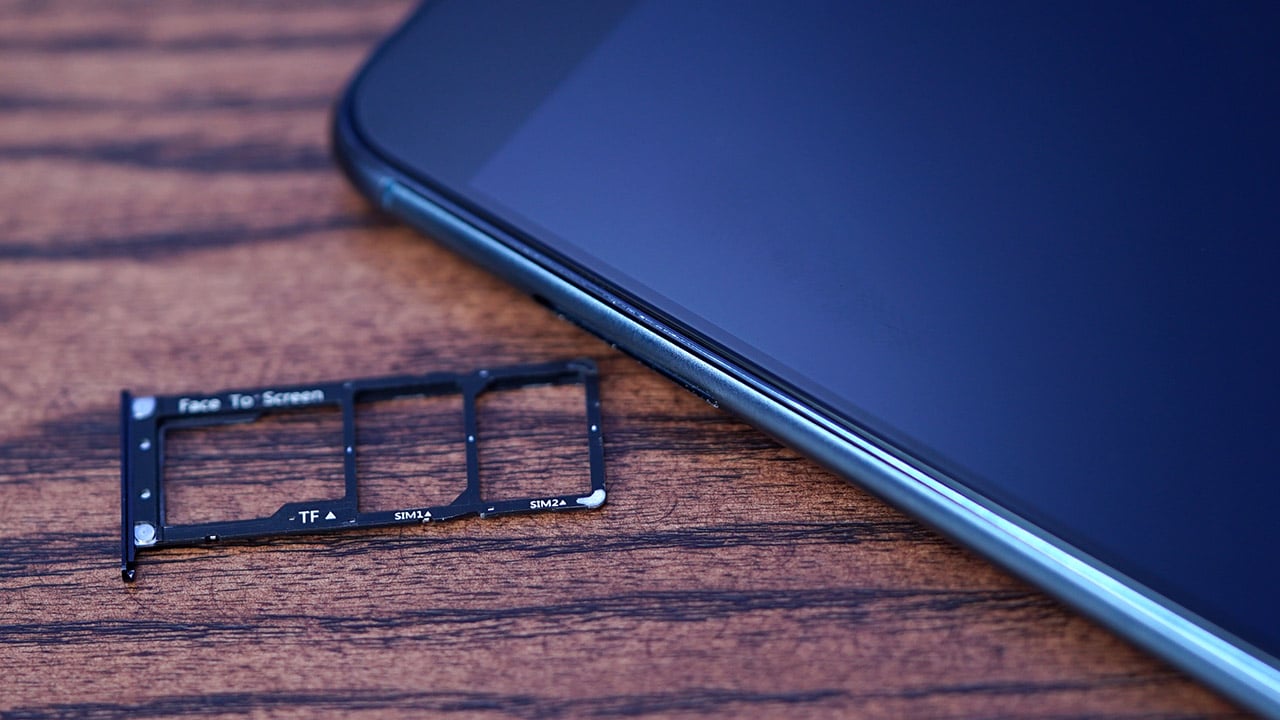
Having two nano-SIM cards and a microSD card at the same time is possible
So, how well does it perform?
Let’s get this out of the way: The ZenFone 4 Max is still stuck on the cartoonish ZenUI even though it already has Android 7.1 Nougat. It’s not too surprising since the Nougat-equipped ZenFone AR, which launched just recently, has the exact same interface. Still, this being the fourth generation, I was hoping to see something fresh after the same old design over and over and over again.
The silver lining here is that the rest of the ZenFone 4 lineup is already on the newer version of ZenUI, which is significantly better with space management and looks a lot more professional. It also has far less bloatware, to the delight of… everyone. We can only hope that ASUS will roll this cleaner version to ZenFone 4 Max users in the near future.
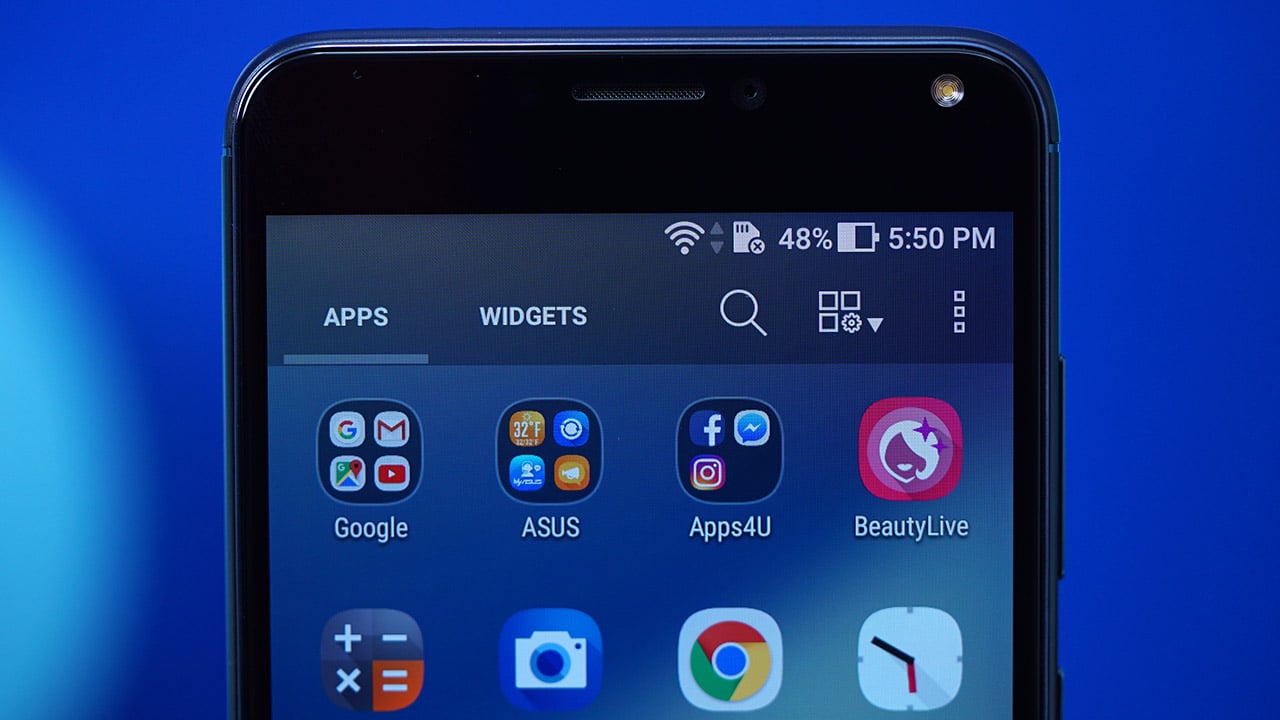
Otherwise, the Snapdragon 430 in use is good enough for scrolling through the heavily skinned interface. You can also get by with the 32GB of storage since there’s a microSD slot ready for additional space, but the 3GB of memory might hold you back. Apps running in the background close soon after you open heavier software, especially the likes of Facebook and graphics-intensive games.
Speaking of which, the ZenFone 4 Max isn’t designed for gaming. After numerous sessions of NBA 2K17 and Asphalt Xtreme, I had to accept that even medium visual settings is too much for the phone to handle. While low settings are fine, you can definitely see the jaggies on the 5.5-inch display’s 720p resolution and low pixel density.
Does it take nice pictures?
It’s about time we talk about the dual-cam setup. What exactly does the second lens do? Unlike the ZenFone 3 Zoom which closes in on subjects, the ZenFone 4 Max can go wider, similar to the LG G6. This is great for photographing architecture, landscapes, and large groups of people.
The results for each rear camera are different, though; if you look closely, the wider lens provides brighter photos with more pop to their colors. In contrast, the supposed main camera doesn’t absorb as much light into the image sensor, producing slightly darker images with inaccurate white balance.
Take a look at some of our best shots:






And here are more direct comparisons with the wider, 120-degree secondary camera:
[sciba leftsrc=”http://www.gadgetmatch.com/wp-content/uploads/2017/08/ASUS-ZenFone-4-Max-sample-photo-7.jpg” leftlabel=”Normal” rightsrc=”http://www.gadgetmatch.com/wp-content/uploads/2017/08/ASUS-ZenFone-4-Max-sample-photo-8.jpg” rightlabel=”Wide angle” mode=”horizontal” width=””]
[sciba leftsrc=”http://www.gadgetmatch.com/wp-content/uploads/2017/08/ASUS-ZenFone-4-Max-sample-photo-9.jpg” leftlabel=”Normal” rightsrc=”http://www.gadgetmatch.com/wp-content/uploads/2017/08/ASUS-ZenFone-4-Max-sample-photo-10.jpg” rightlabel=”Wide angle” mode=”horizontal” width=””]
When the conditions are right, the pictures are golden. When you challenge the cameras, it gets noisy. But that’s to be expected; we’re looking at a US$ 200 phone that prioritizes battery life over camera performance. In fact, we should be grateful to even have a double shooter at this price point. Plus, ASUS’ signature BeautyLive mode is back for smoother selfies, so it helps hide both your flaws and the camera’s.
Interestingly, ASUS decided to include an LED flash for the front-facing camera, just like on the ZenFone 4 Selfie pair. I found it a little too harsh and ended up leaving it turned off for the most part, but it’s nice to have in the worst of lighting situations.
Can it last more than a day?
Asking this question is an understatement. The ZenFone 3 Max (both the 5.2- and 5.5-inch variants) did fantastic with their 4100mAh battery capacities, lasting up to two days if you moderate your wireless connections and background apps. The ZenFone 4 Max’s 5000mAh is a guaranteed upgrade.
Like the original ZenFone Max which also had a large 5000mAh battery, the ZenFone 4 Max can reach up to two full days of usage and then some. You can even go as far as using this handset as a powerbank to charge other smartphones. ASUS includes a micro-USB to full-sized USB adapter in the package, so any modern-day device can connect to it.
While that’s all well and good, one major drawback is the lengthy charging time. It can take over three hours to charge the ZenFone 4 Max from zero to full, and that’s with the phone turned off for the whole duration. I’d say that’s a fair trade-off for all the juice you get in one go.
Is this your GadgetMatch?
The 5.5-inch ZenFone 3 Max was a solid phone in itself; its successor does everything better and more.
This is the phone you’d want for a long weekend up in the mountains with no electric socket to plug into. Not only will the battery endurance keep you happy till you get home, you’ll also have perfect framing for landscape shots using the wide-angle lens of the rear cameras.
Its weaknesses are mostly negligible: The screen isn’t that sharp for its size; its older micro-USB standard is so 2016; and the interface is still stuck on the bloated iteration of ZenUI. Fortunately, that last one can be resolved with a software update.
For its surprisingly complete feature set, it’s amazing how the ZenFone 4 Max is the most affordable of the fourth-gen ZenFones. While pricing hasn’t been finalized yet — and it’s highly dependent on where you reside — a price not exceeding US$ 200 would make this an incredibly attractive deal. [Update: It retails for only PhP 9,995 in the Philippines, which is US$ 200 when converted.]
Unless you’re an absolute camera whore and must have higher-quality selfies, I’d definitely choose this over the next-cheapest model, the ZenFone 4 Selfie. Going up the ranks, you could opt for the plain ZenFone 4; then again, you would lose out on the massive battery and front-firing LED flash, both of which are remarkable on a smartphone this friendly to one’s budget.
SEE ALSO: ASUS ZenFone 4 launches with Pro, Selfie, and Max models
[irp posts=”18315″ name=”ASUS ZenFone 4 launches with Pro, Selfie, and Max models”]






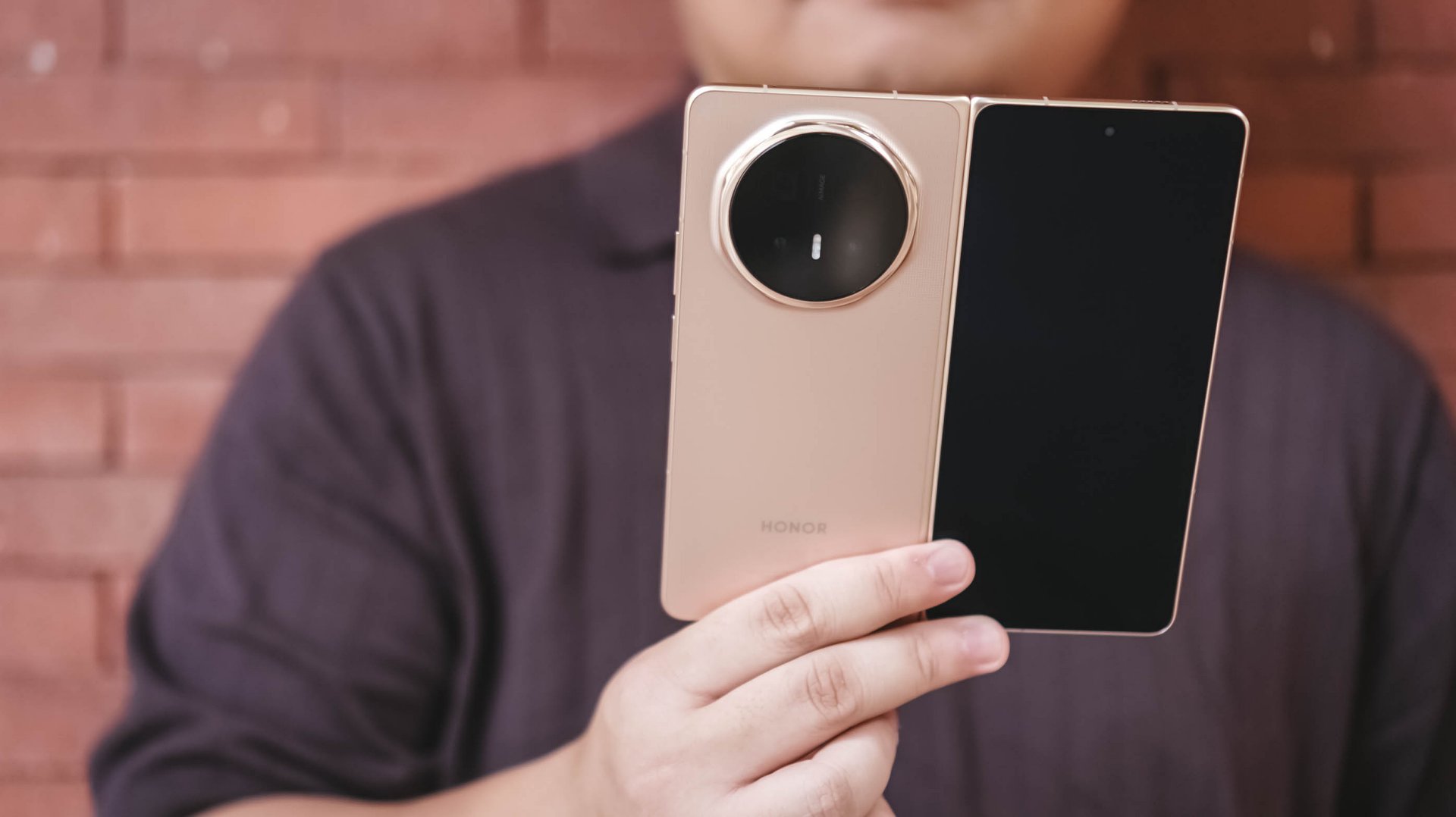
Before I learned when the HONOR Magic V6 review embargo would lift, I had already become aware of the possibility of upcoming wide foldables.
The idea immediately caught my attention because it seemed to address one of the few remaining questions I have about today’s book-style foldables.
They’re excellent productivity devices. The larger, almost square-like display is perfect for multitasking, reading, editing documents, and working with multiple apps at once.
But much of the content we consume today isn’t square.
It’s vertical: Reels. Shorts. TikToks. Fancams.
Or it’s widescreen: YouTube videos. Movies. TV shows.
Book-style foldables can absolutely play these types of content. But when unfolded, they don’t always make the best use of the additional screen space because of their aspect ratio.
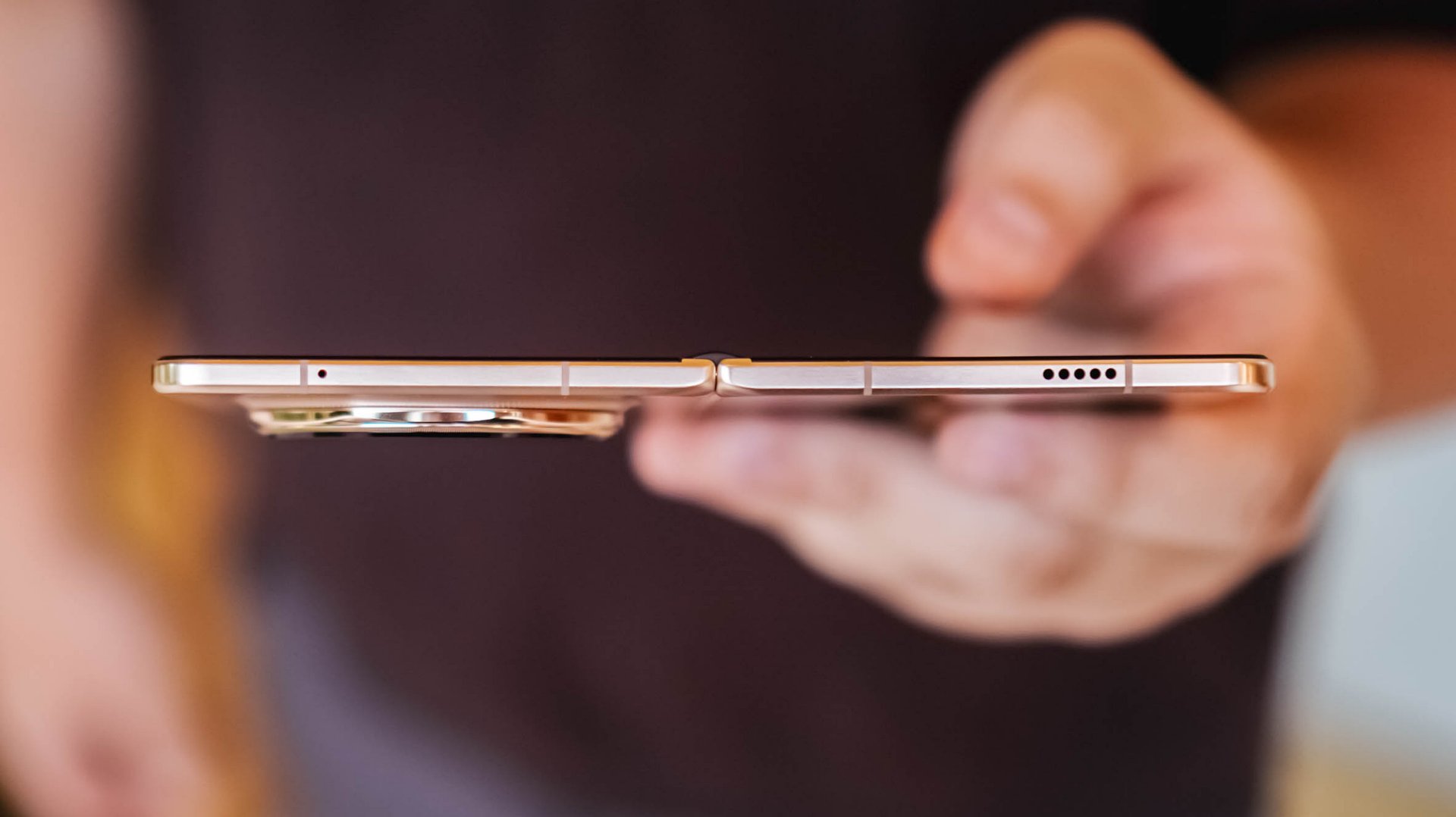
That thought lingered in the back of my mind while testing the HONOR Magic V6.
What surprised me was that despite that lingering question, the Magic V6 still made a compelling case for the current form factor. In fact, if the goal is to create a foldable that feels as close as possible to a regular flagship smartphone while still unfolding into a tablet, HONOR may have come closer than anyone else.
The HONOR Magic V6 is priced at RM 7,699 in Malaysia, with pre-orders running from June 4 to 11, 2026 and bundled gifts worth up to RM 3,797.
That’s flagship foldable money. Fortunately, the Magic V6 spends very little time reminding you that it’s a foldable and most of its time convincing you it’s simply a very good smartphone.
It feels like a regular smartphone
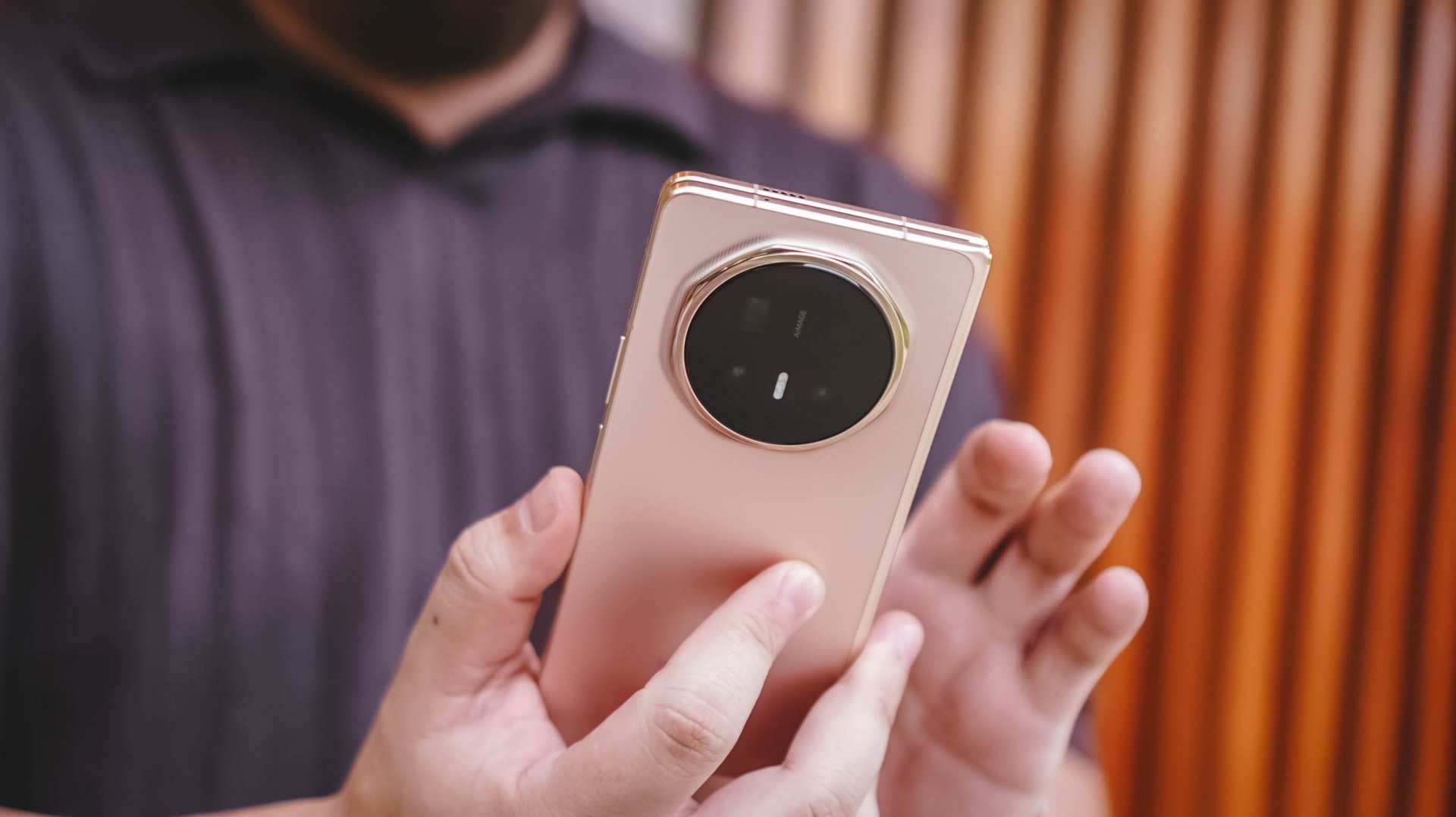
The HONOR Magic V6 looks and feels almost too much like a standard slab smartphone that you almost forget it can unfold into a larger screen.
That’s perhaps the most impressive thing about the device.
Most certainly, I felt the Galaxy S26 Ultra more when carrying it compared to the Magic V6. Despite being a foldable, it never feels cumbersome in daily use.
One of the subtle improvements I appreciated most was the button placement.
This is one of those low-key things you don’t really think about at first but becomes important over time. There’s little to no adjustment required when moving from a regular smartphone to the Magic V6 because the buttons sit exactly where you expect them to.

I use it alongside both the HONOR Magic8 Pro and Samsung Galaxy S26 Ultra and the transition feels seamless. That’s something I can’t quite say about the OPPO Find N6, whose power button still sits at a height that feels a little awkward.
Folded, the Magic V6 doesn’t feel like a compromise compared to a traditional flagship.
It simply feels like a regular flagship smartphone.
Unfolded, it feels natural too. The display even feels larger than the Galaxy Z Fold7 and HONOR Magic V5 that I used previously.
And that’s where the appeal of a book-style foldable continues to shine.
Productivity remains the killer feature
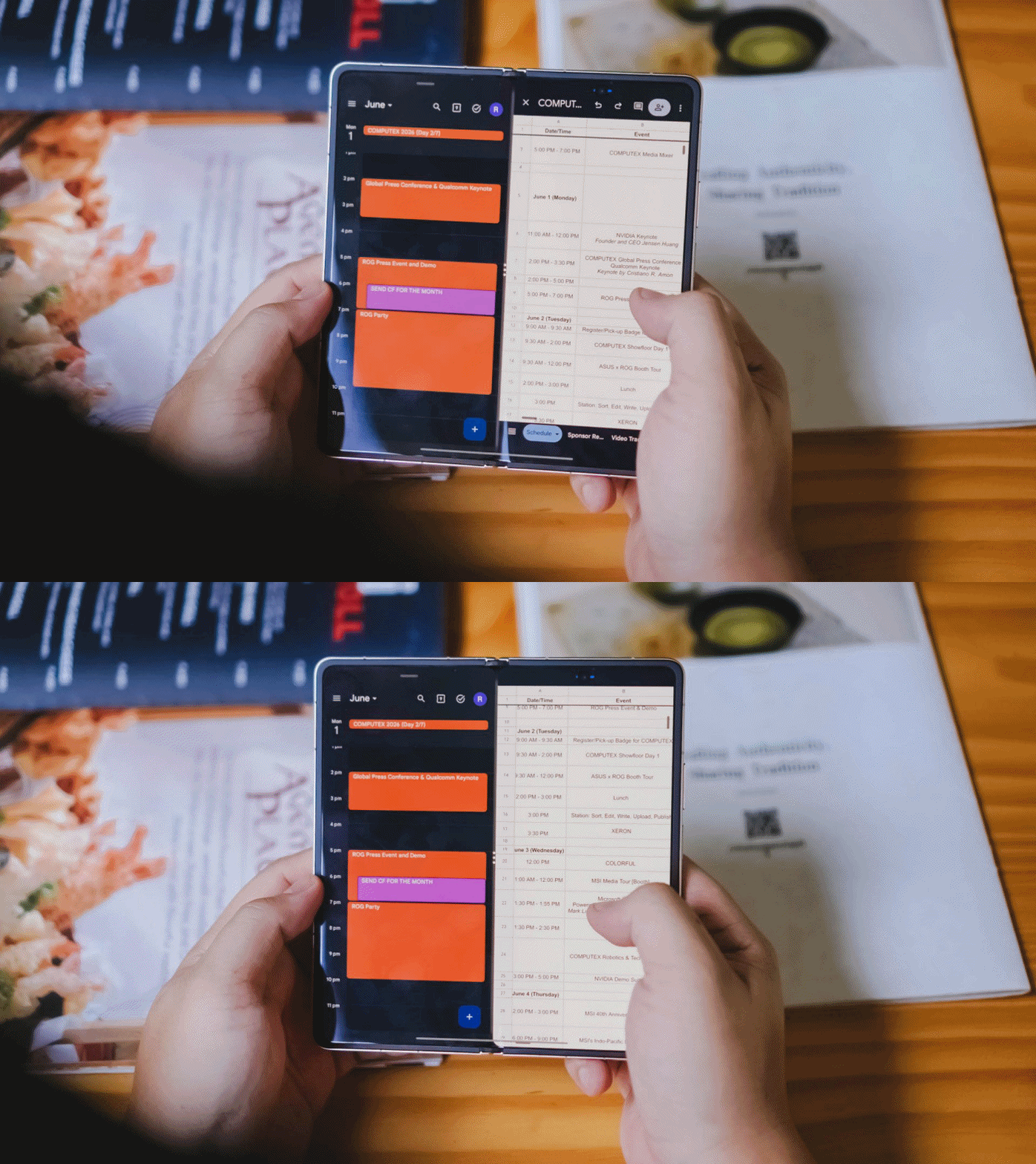
The larger display became particularly useful during several production shoots.
I found myself timekeeping to make sure we stayed on schedule while simultaneously checking scripts and production notes. It’s one of those situations where the larger screen immediately proves its value.
On another occasion, I handed the unfolded device to a project lead so she could review a script while planning shots for the day.
It immediately made her stop and consider whether she should get a foldable herself.
Moments like these highlight the unique advantage of book-style foldables.
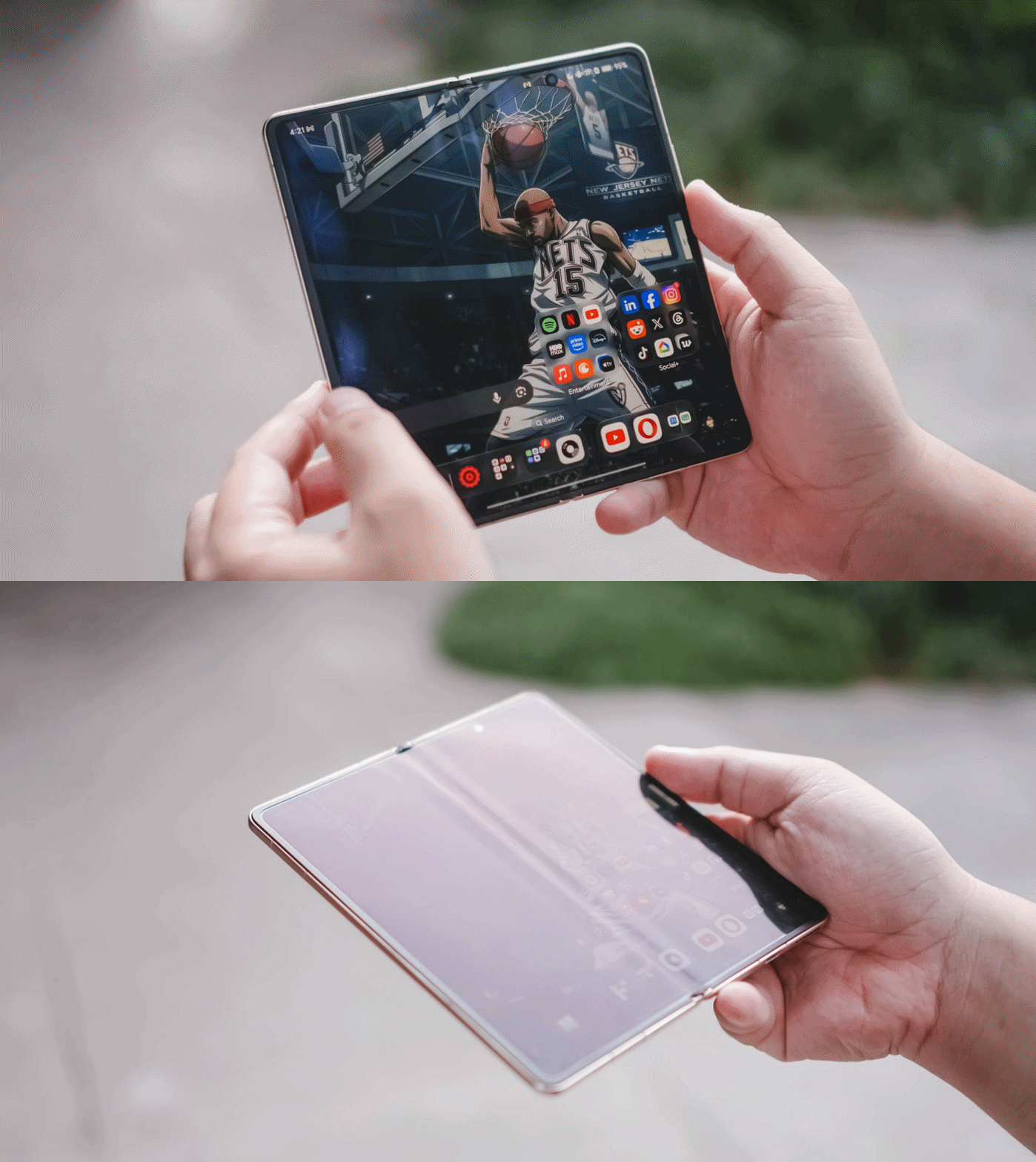
The larger screen doesn’t just exist for the sake of being larger. It enables workflows that simply aren’t as comfortable on a conventional smartphone.
That’s why, despite my growing curiosity about where foldables go next, the Magic V6 reminded me why this category became appealing in the first place.
Battery confidence is underrated
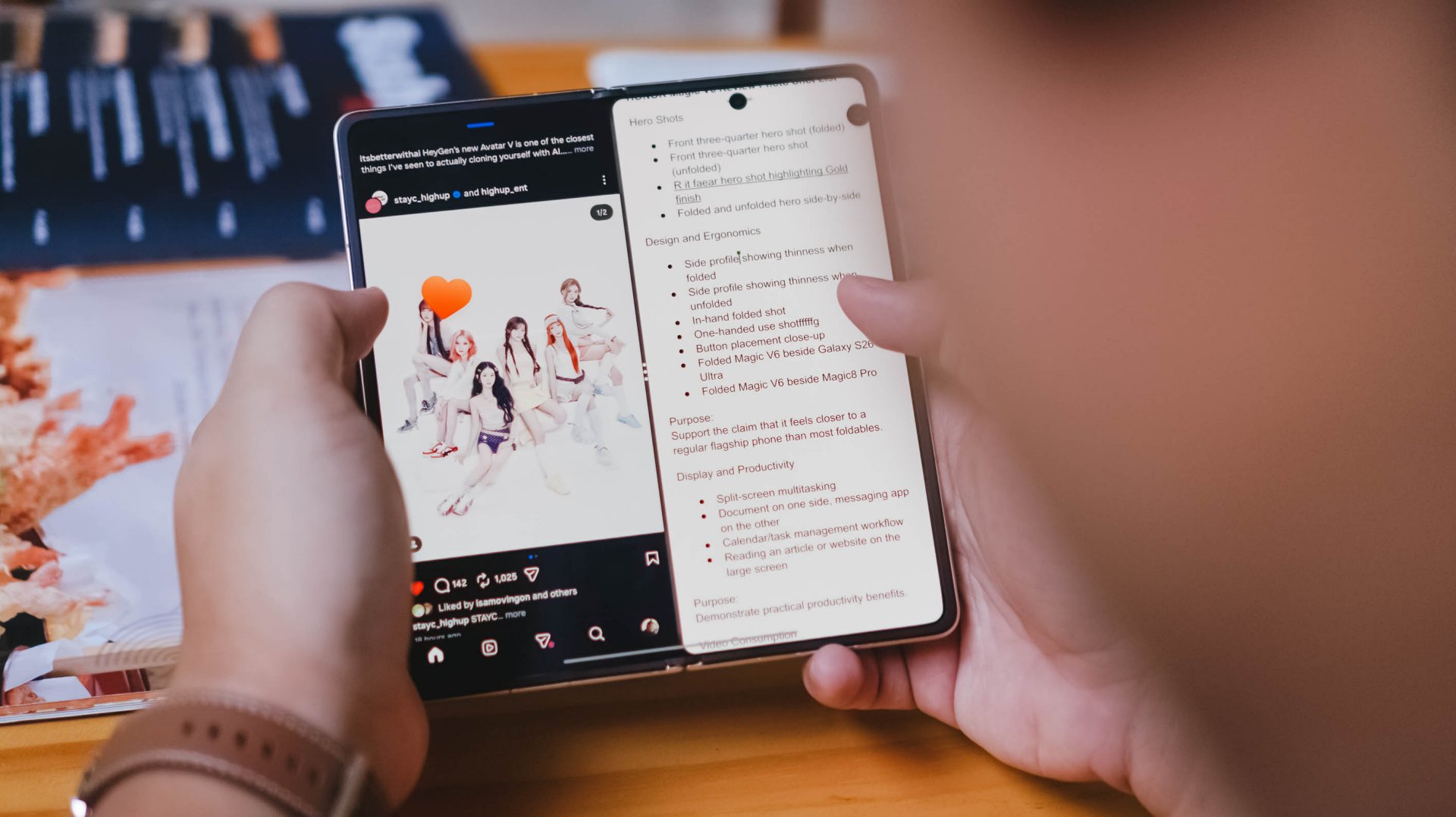
An overwhelming yes.
That’s my answer when asked whether the battery capacity translates into confidence.
The Magic V6 is an endurance beast.
I never worried about using it folded or unfolded throughout the day. I never worried about taking photos, multitasking, or spending extended periods on the larger display.
For the most part, I simply knew that no matter what I did during a normal day, I’d still have enough battery to get home or reach somewhere I could recharge.
As someone who tends to become conscious about battery life once it drops below 50 percent, that’s saying something.
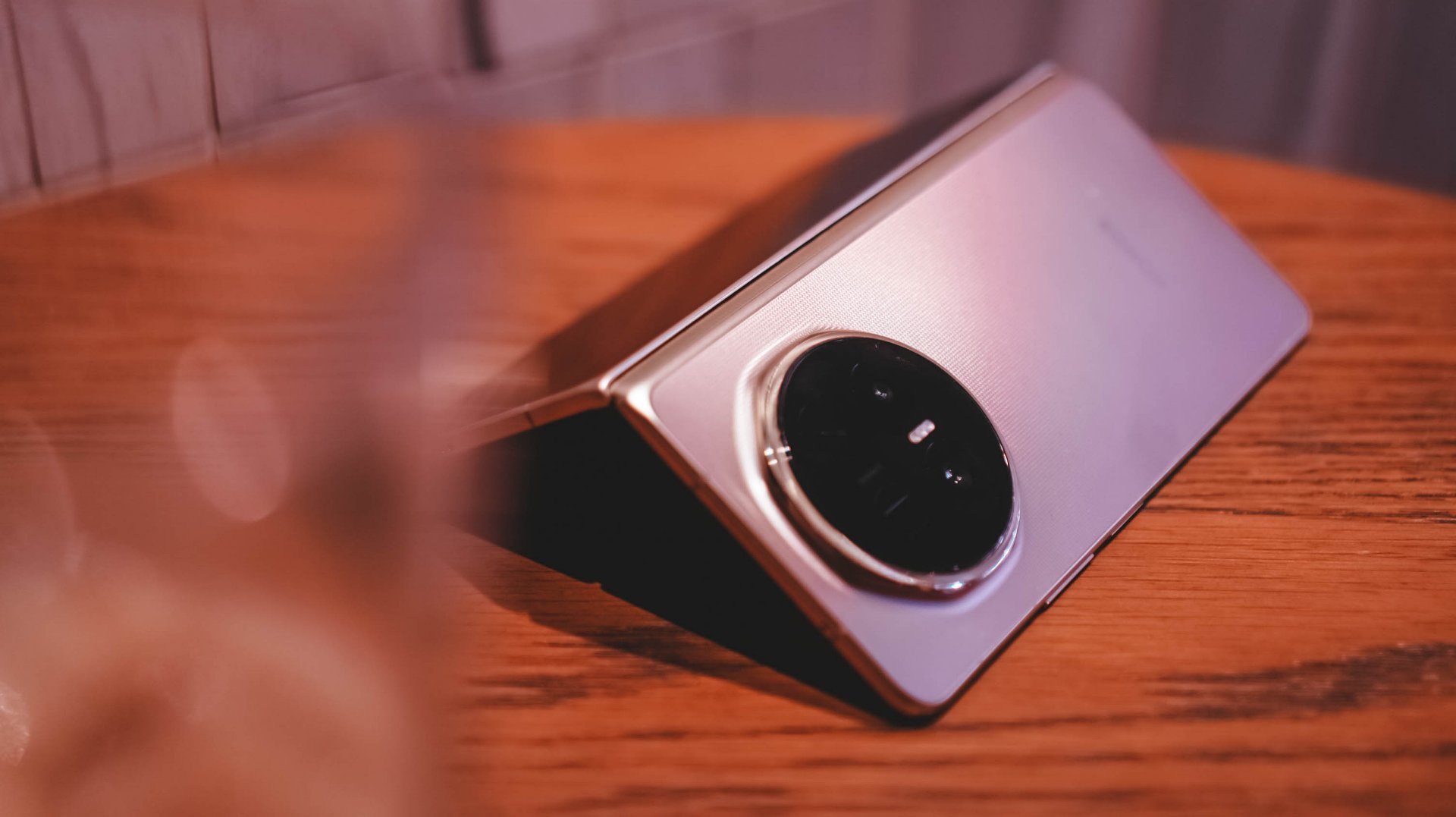
I also noticed myself worrying about the battery less the more time I spent with the device. I got used to how much power it consumed depending on what I was doing throughout the day.
Compared to the Galaxy Z Fold7 and HONOR Magic V5, the Magic V6 feels like it has more endurance.
It also charges faster.
The media consumption question
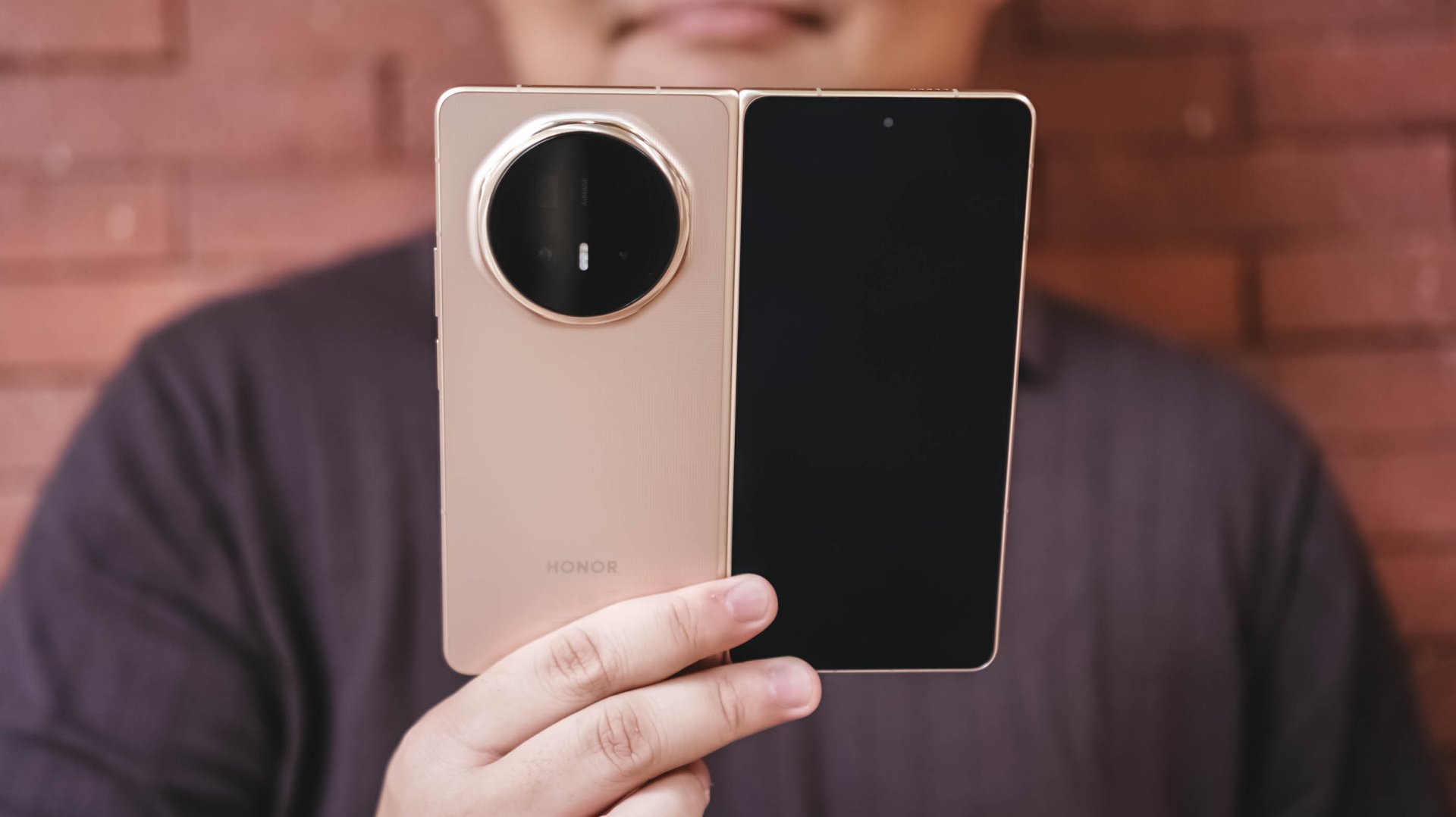
Did the Magic V6 make me watch more videos than I normally would on a phone?
Not really.
Most of my phone-based video consumption consists of Reels, Shorts, and the occasional K-pop fancam. Longer content usually happens elsewhere. If I’m watching a movie, a series, or even a lengthy YouTube video, I’d much rather do it on a TV or tablet.
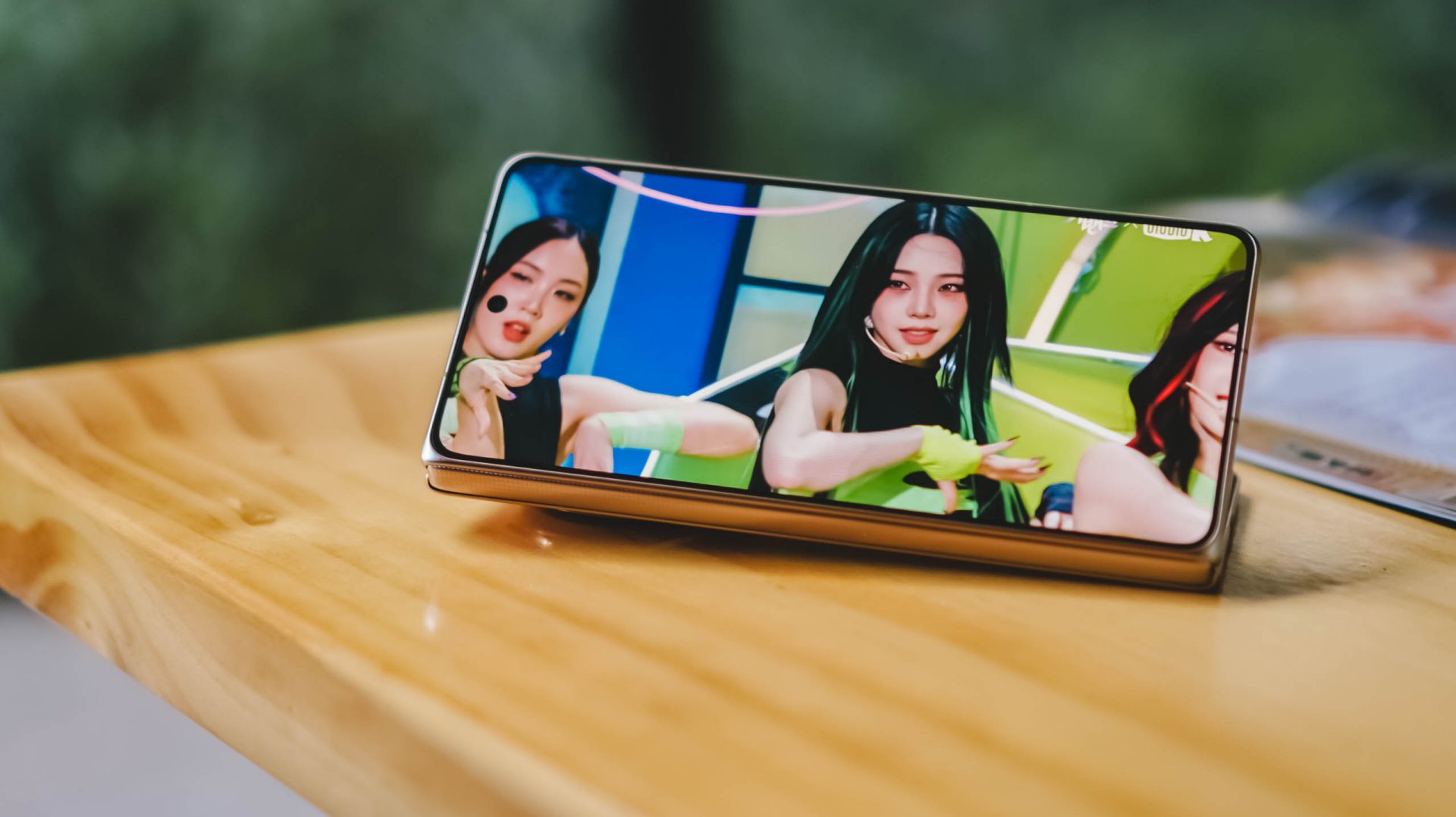
For the purposes of this review, I spent some time watching aespa Karina’s “Lemonade” facecam. I figured if there was any content I’d naturally watch on a phone, it would be that.
Folded and held in hand, it’s your typical smartphone viewing affair. In fact, the cover display is still a little narrower than I personally prefer.
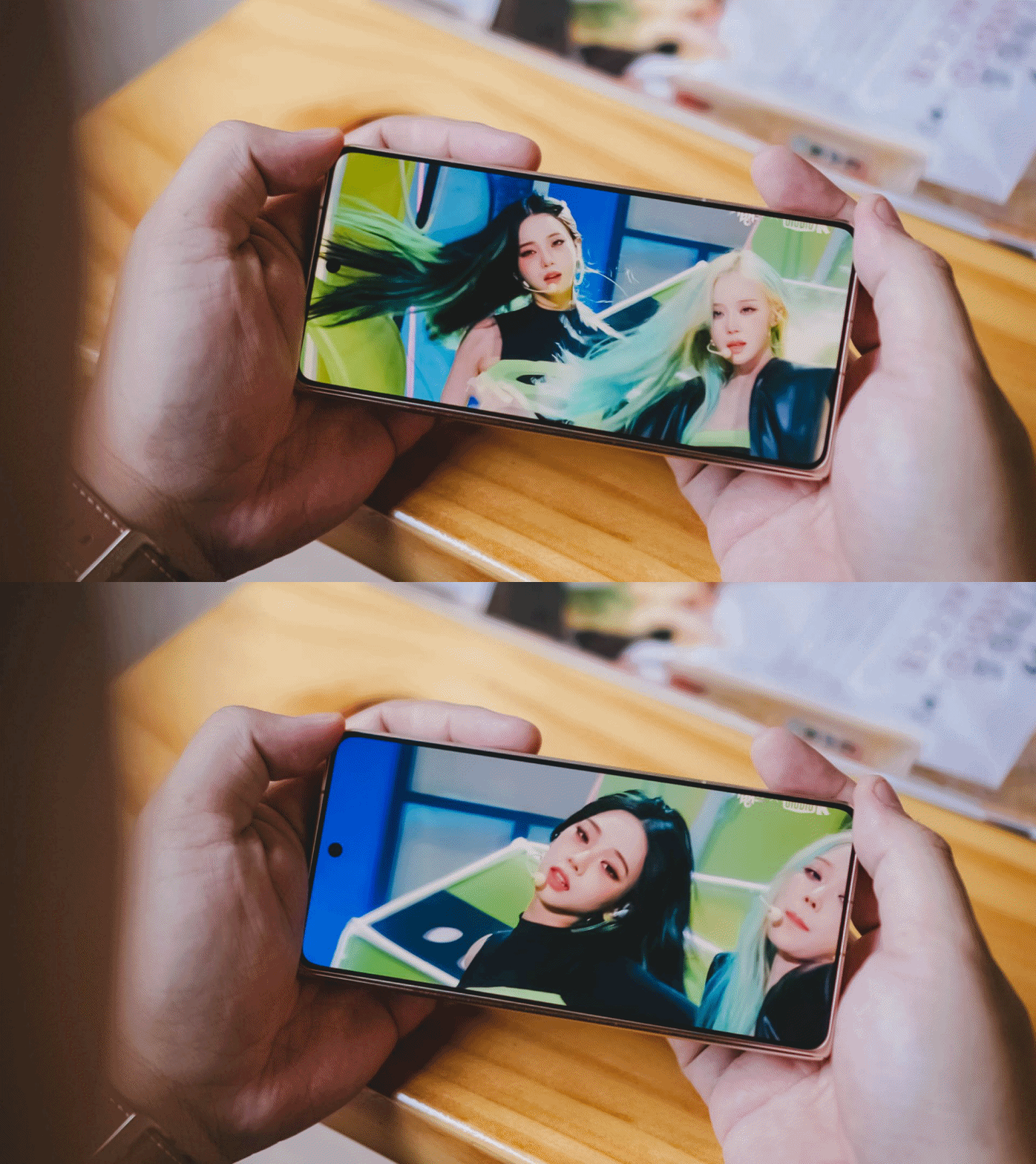
You can also prop it up in Flex Mode and watch hands-free, which works surprisingly well when you’re sitting at a desk or table.
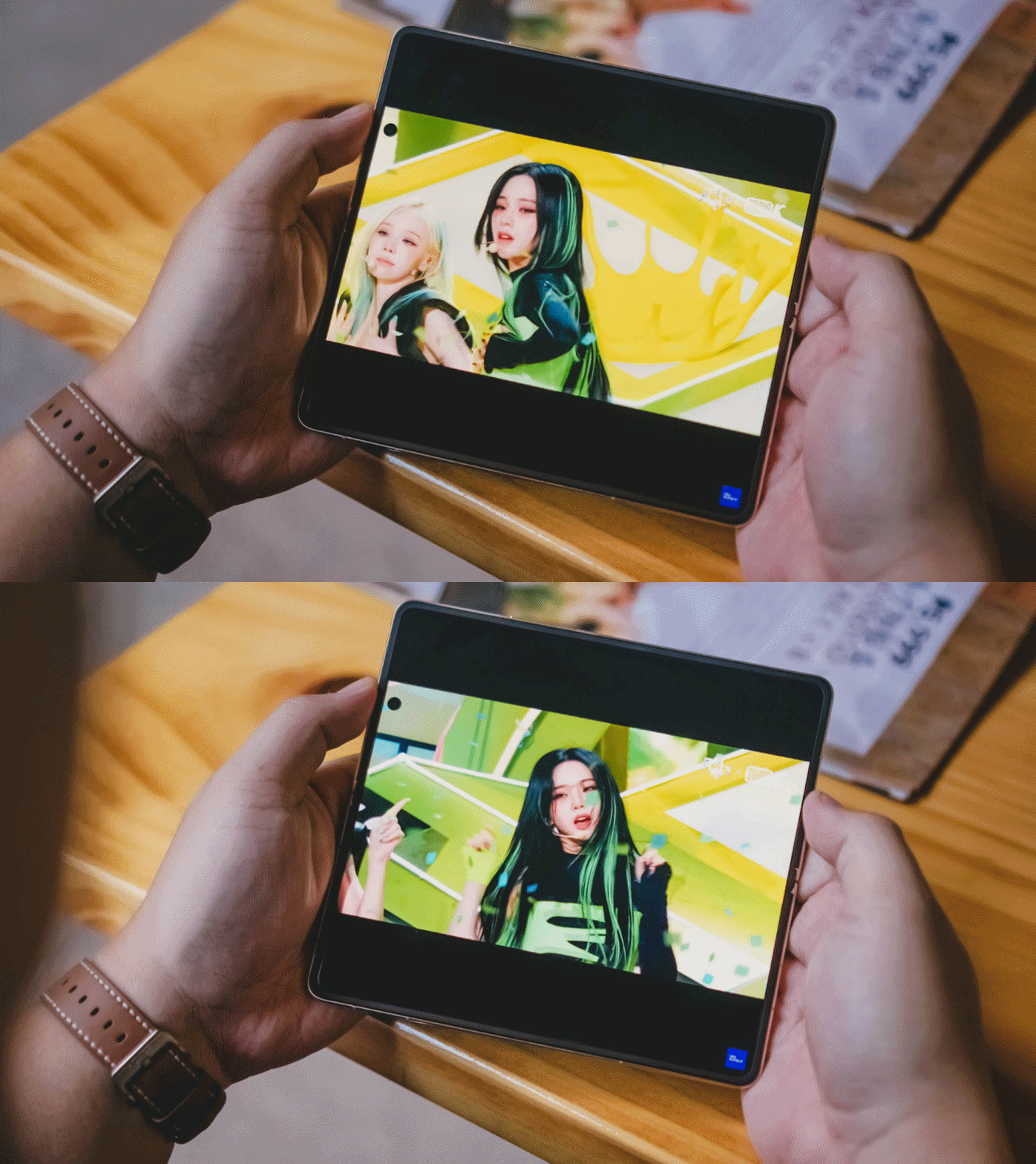
When unfolded, things become a little more complicated.
You can watch content in its original aspect ratio and live with the black bars. At night, they practically disappear. In brighter environments, they’re much more noticeable.
You can also pinch to zoom and fill more of the display. This works particularly well for content where the subject stays near the center of the frame. Facecams like Karina’s are a perfect example.
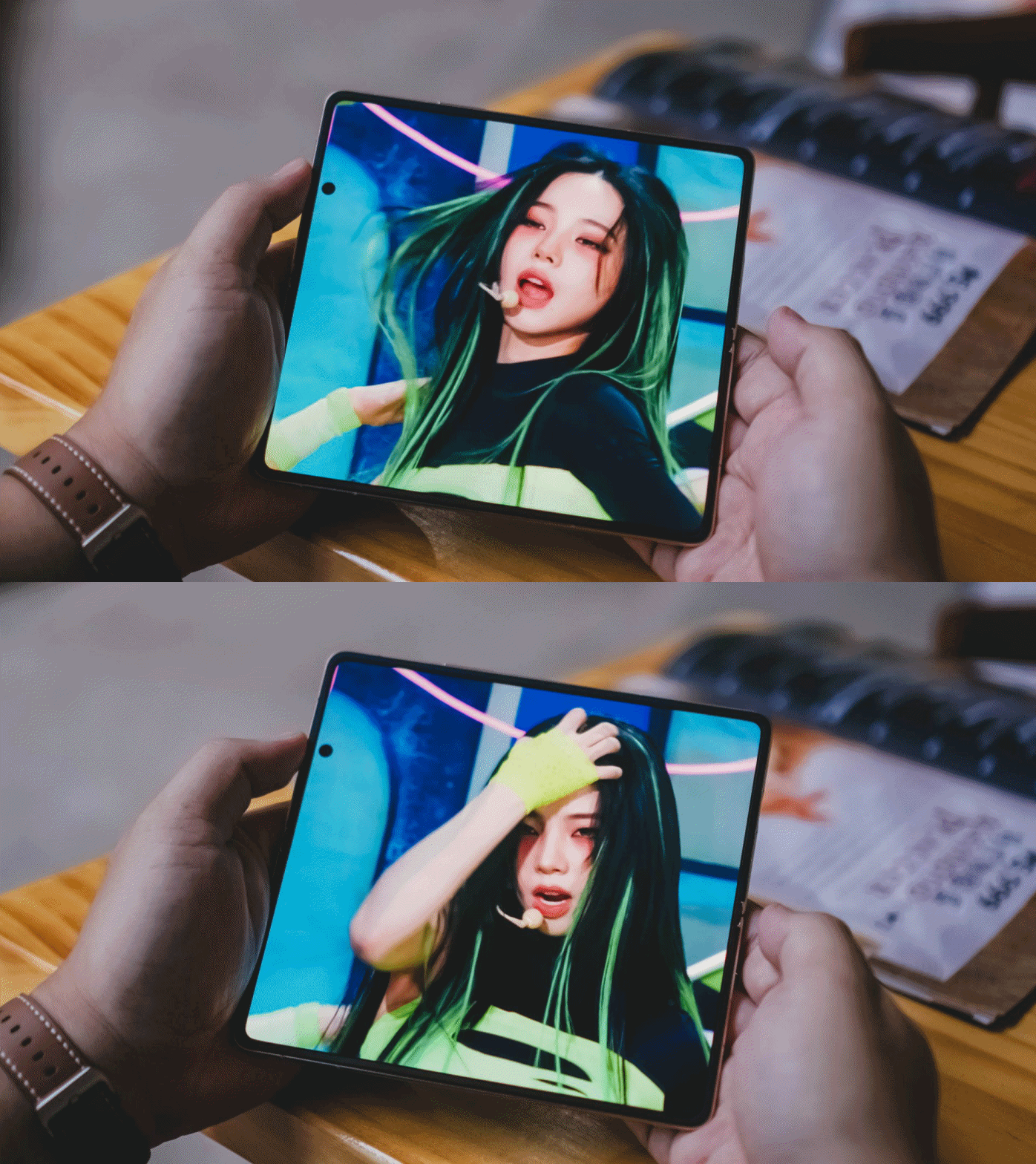
Why is Karina giving so much Shego vibes here?
The challenge is that much of today’s content exists in either 9:16 or 16:9 formats, while book-style foldables unfold into something much closer to a square.
The result is that the additional screen space isn’t always utilized as efficiently as you might expect.
That’s not really a criticism of the Magic V6 itself.
Rather, it’s one of the reasons I’ve become interested in the idea of wide foldables. The Magic V6 excels at productivity because of its aspect ratio. Whether that same aspect ratio remains ideal for modern media consumption is a question I continue to think about.
Cameras that don’t feel like a compromise
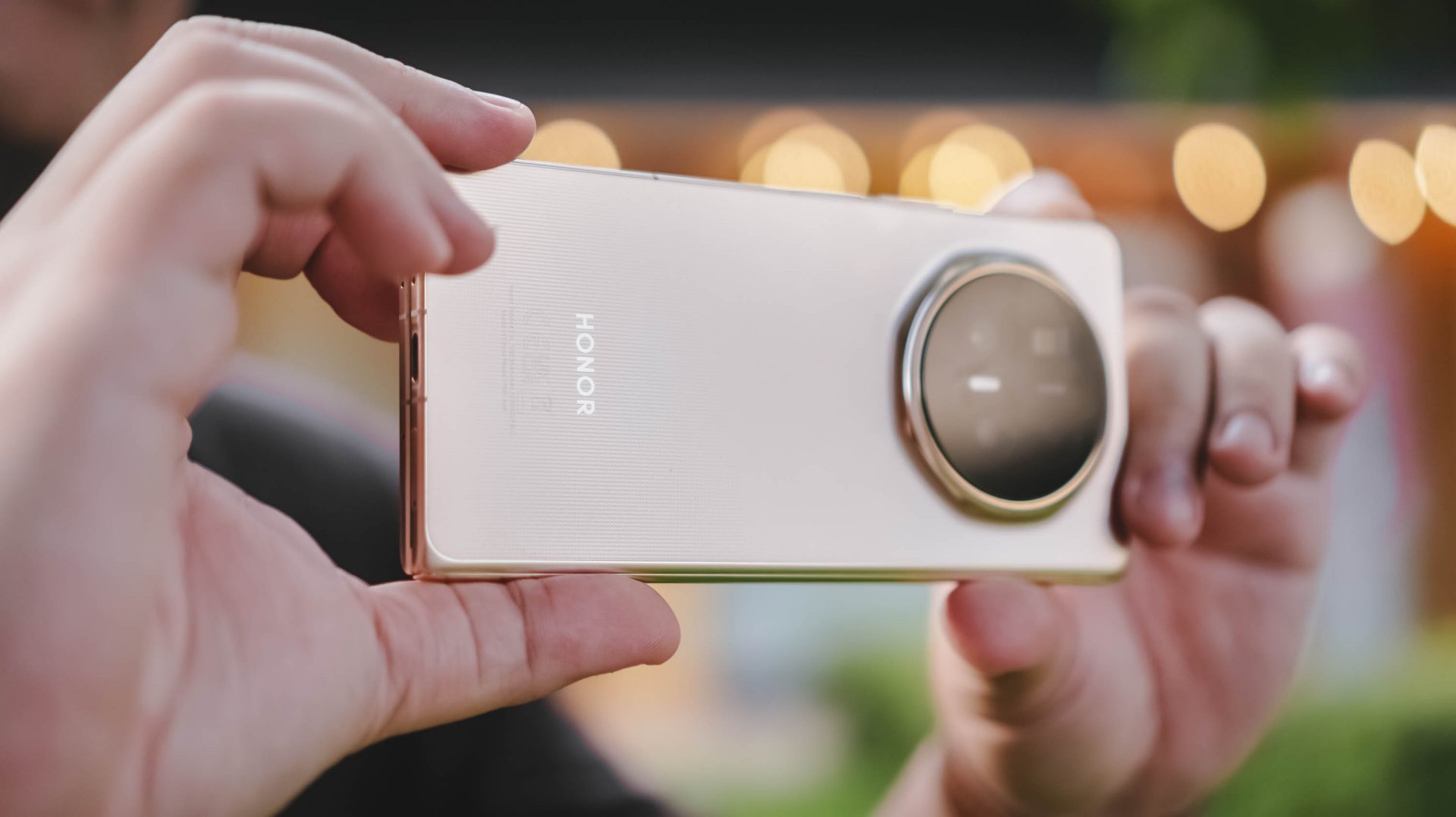
The camera system is one of the standout features of the device.
For a foldable, it takes really good photos. Photos I wouldn’t hesitate to post immediately on social media.
I’ve become particularly fond of HONOR’s Authentic Filter and used it extensively throughout my testing. The images look excellent and carry a look that I genuinely enjoy.
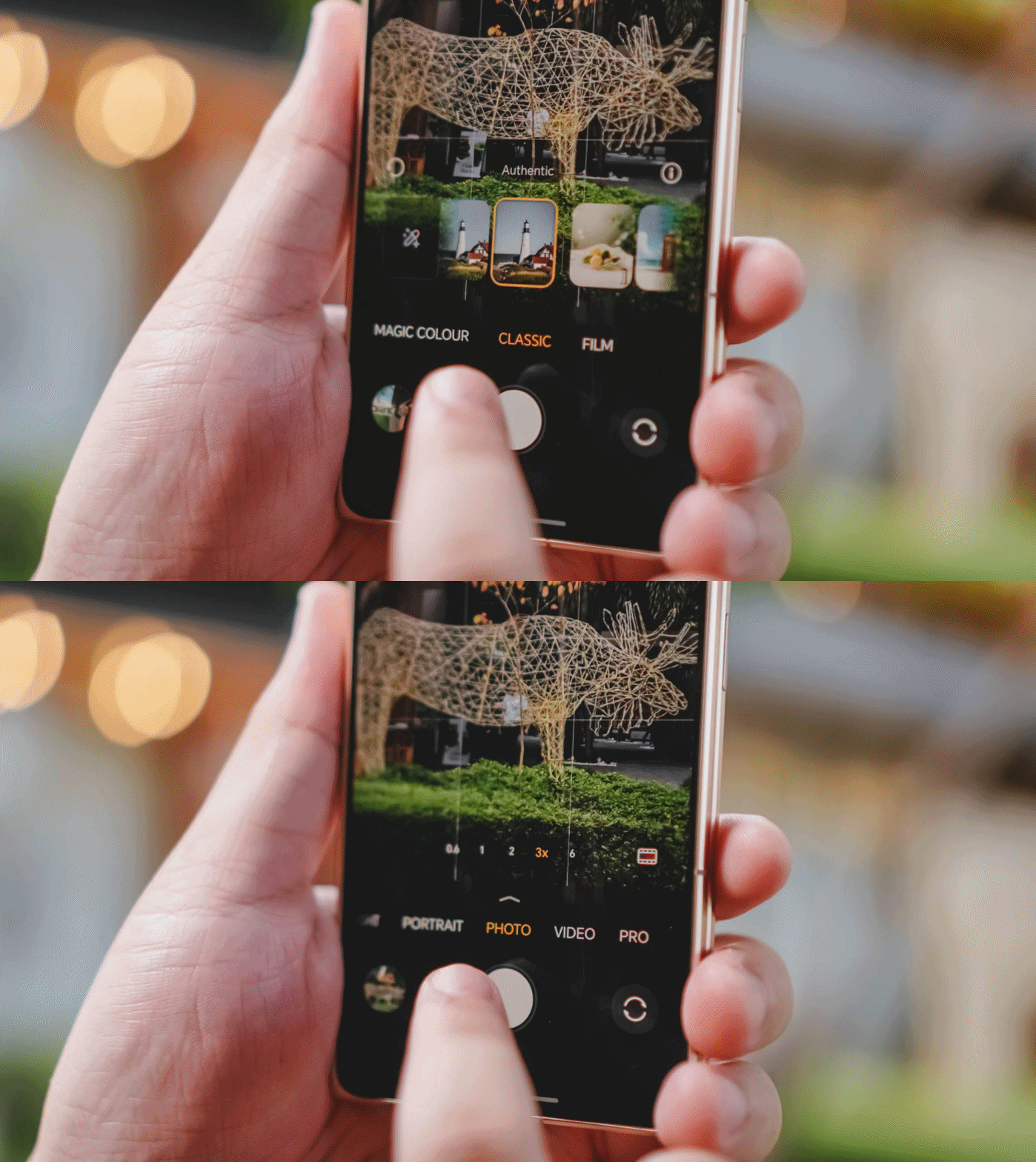
I still notice some limitations once I move beyond 6x zoom, but realistically, most users won’t spend much time there.
For everyday photography, the Magic V6 delivers more than enough.
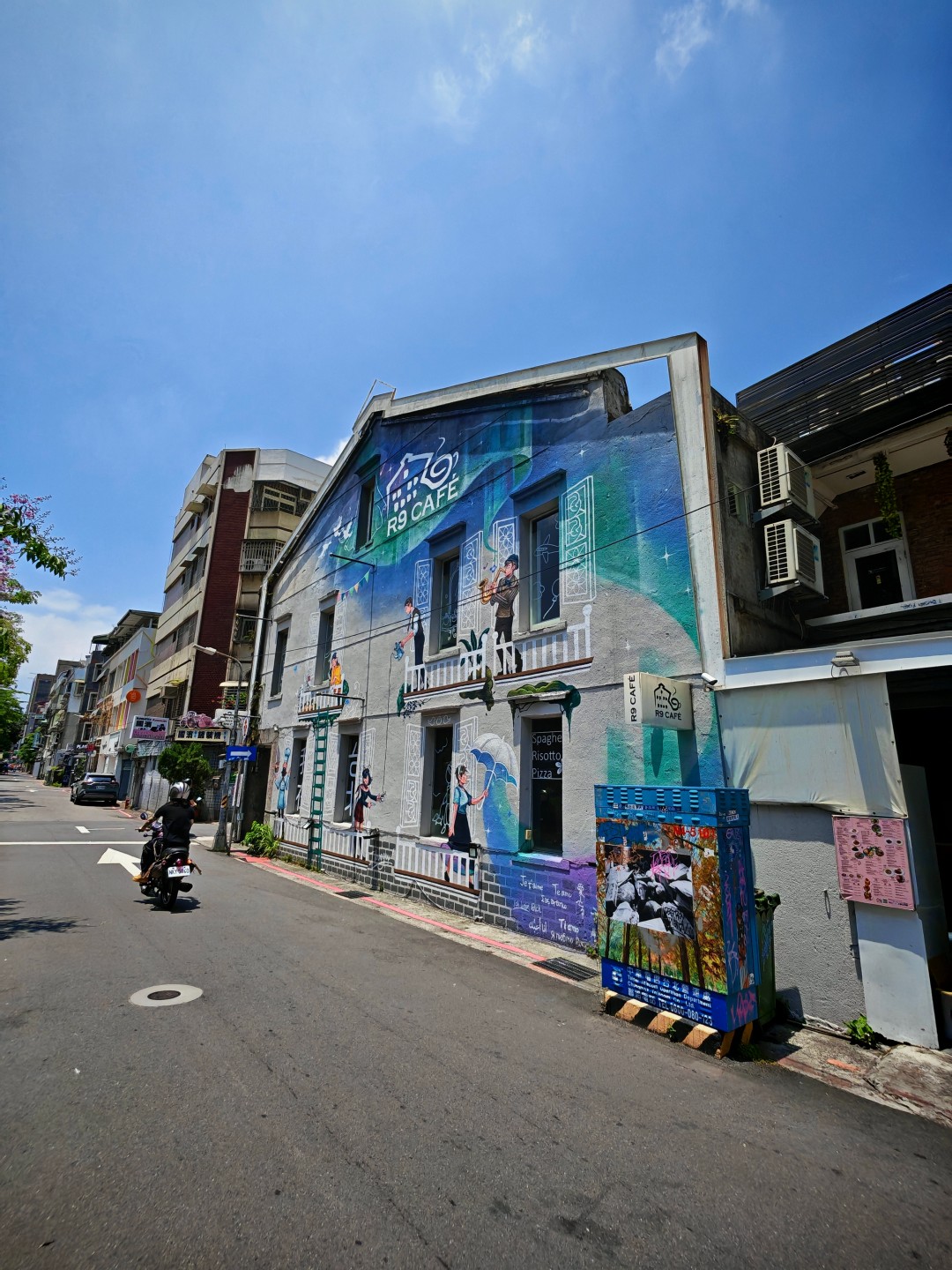
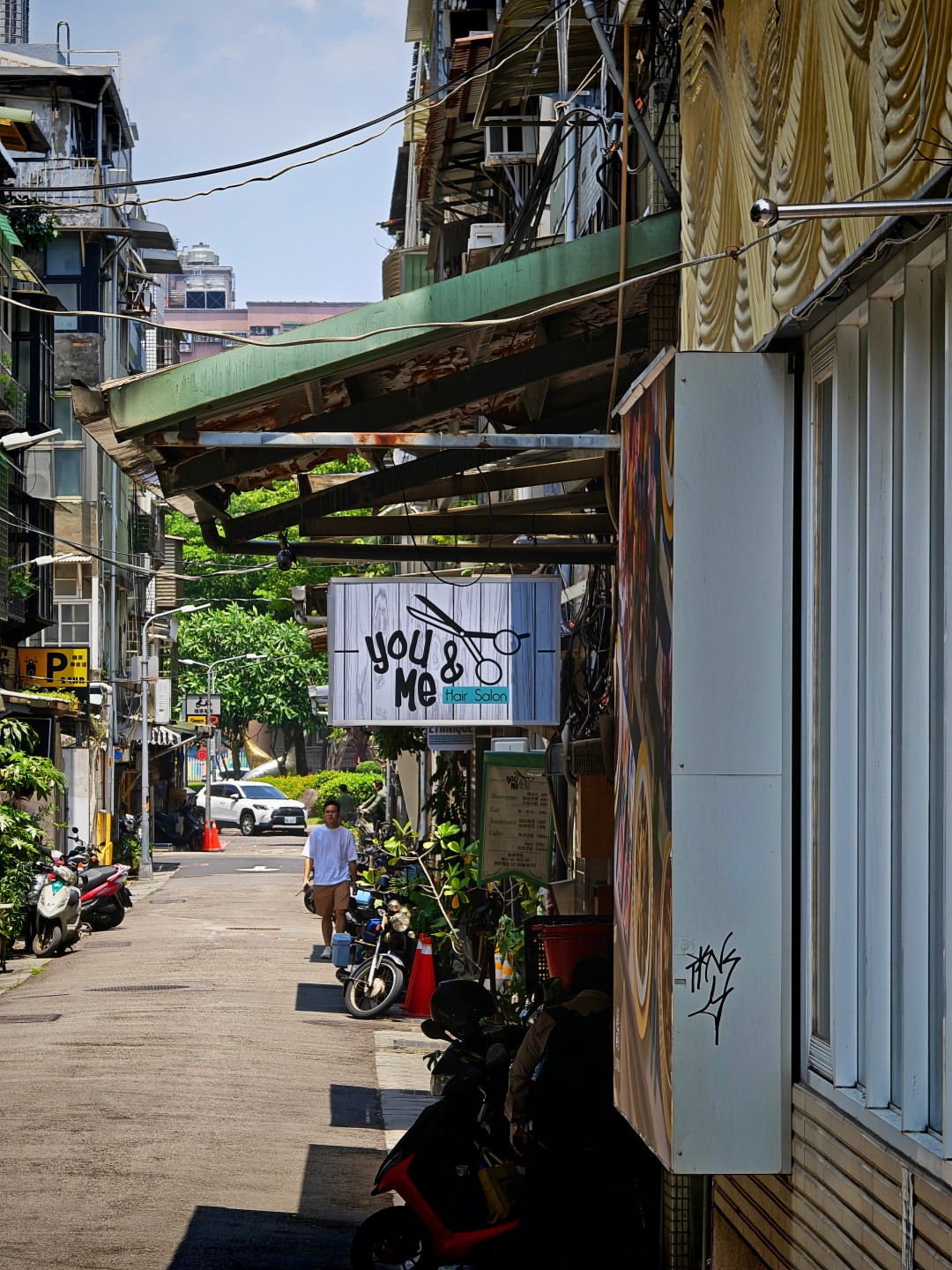
That’s important because it removes one of the traditional compromises associated with foldables. Check out the samples below.
Witcher in Concert night




Food with friends




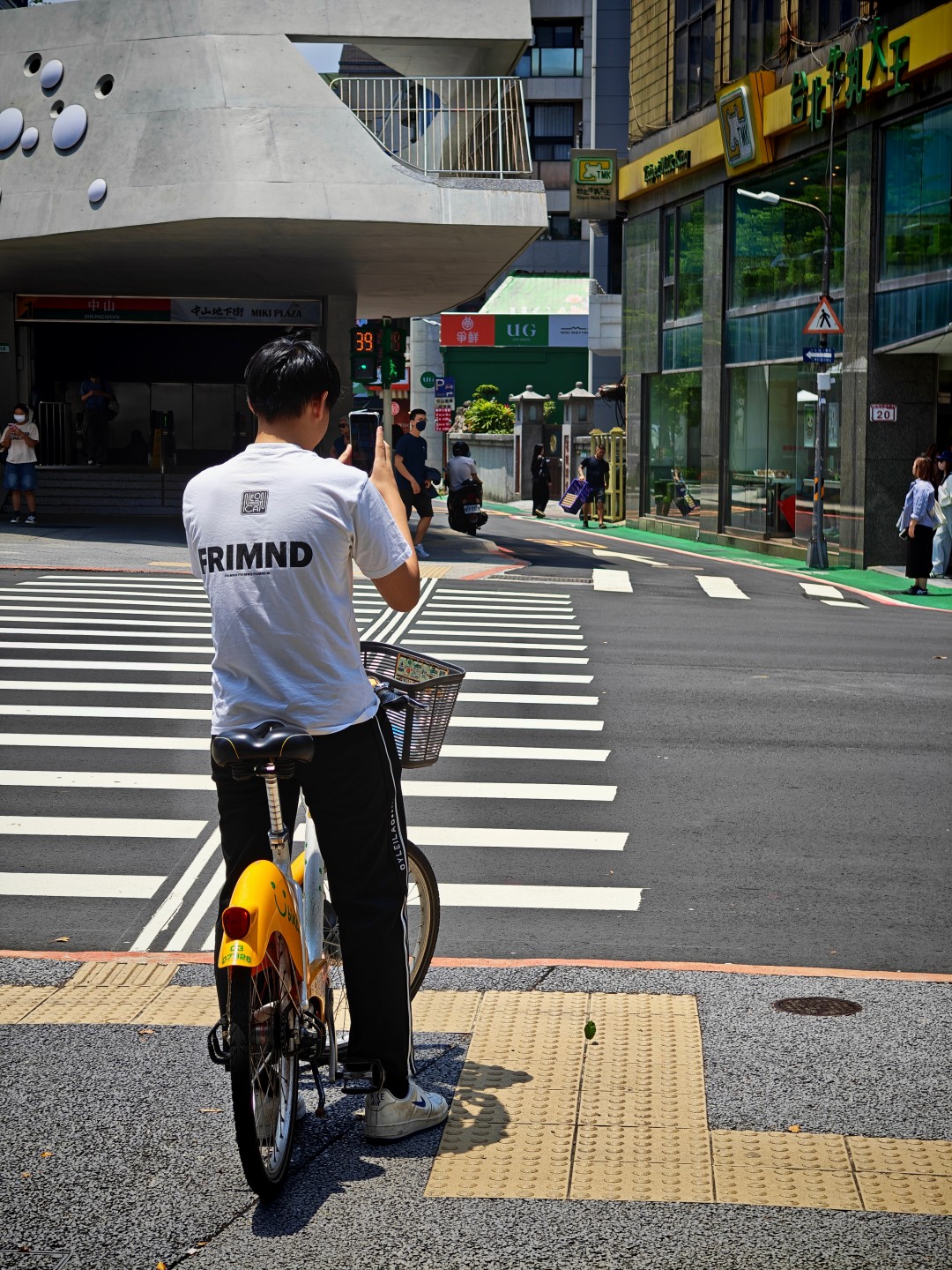
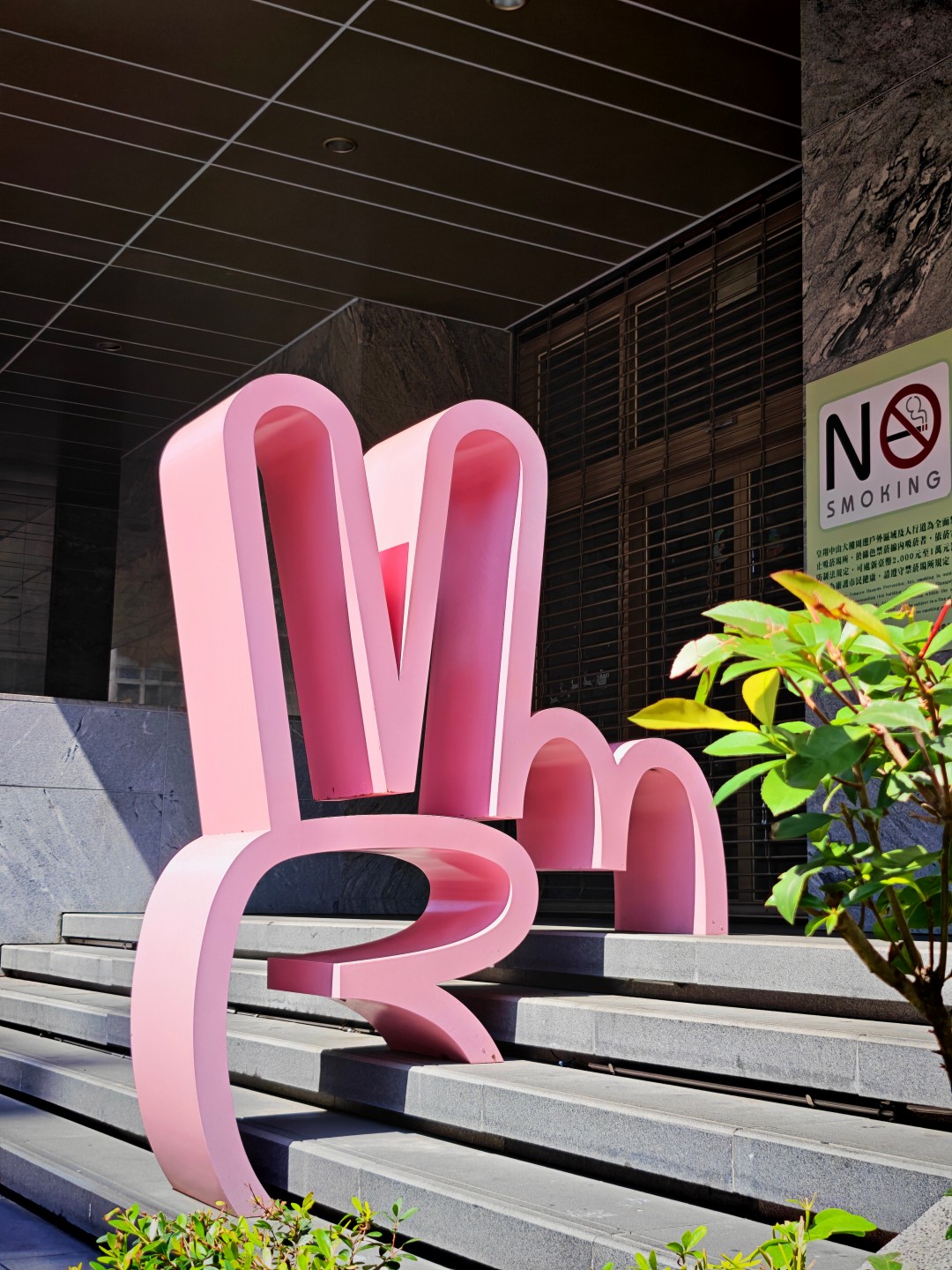
Taipei streets part 1





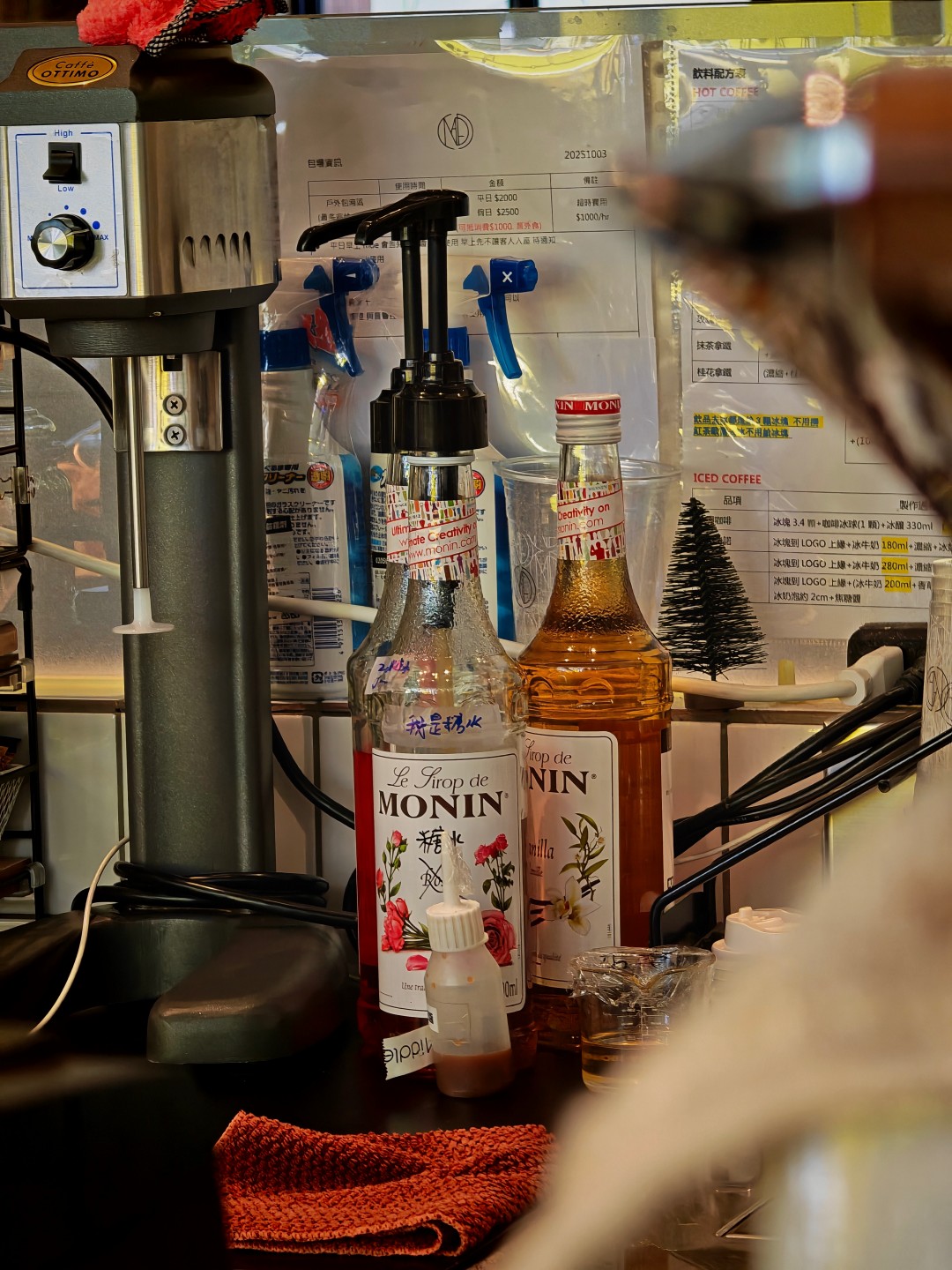
Middle Name Coffee and Space




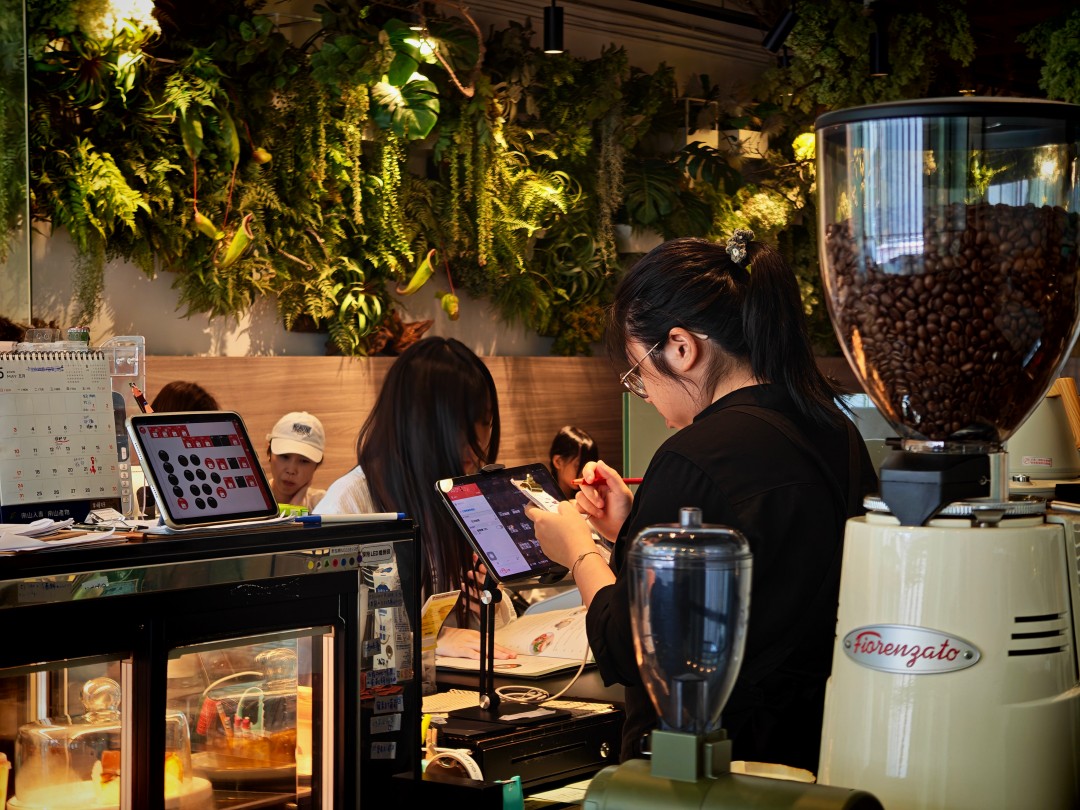

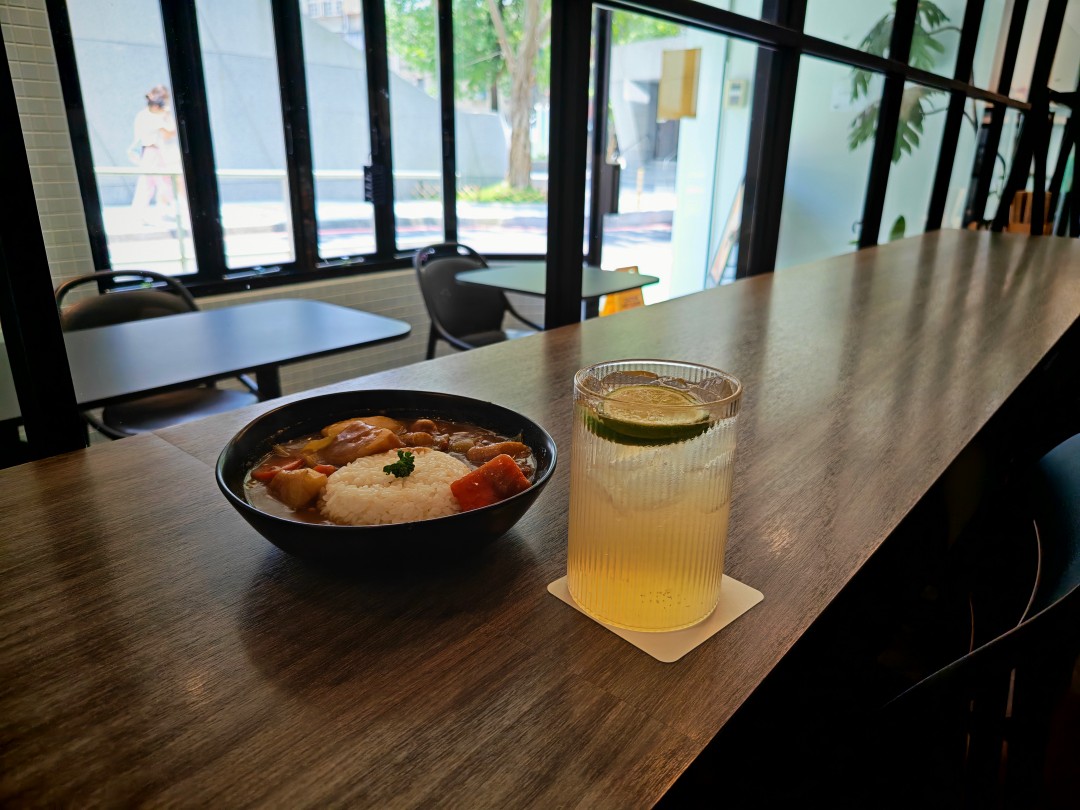
Taipei streets part 2
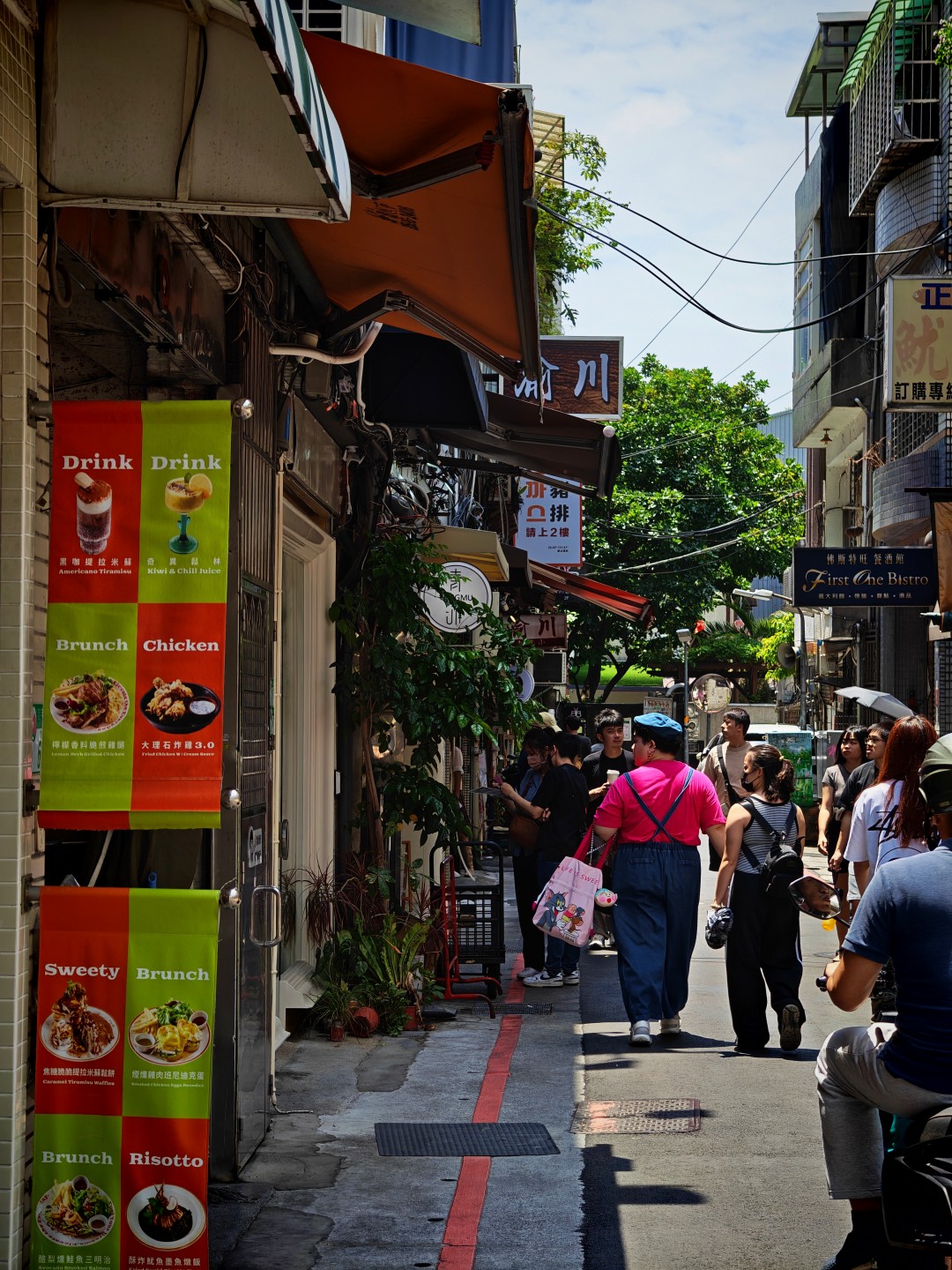



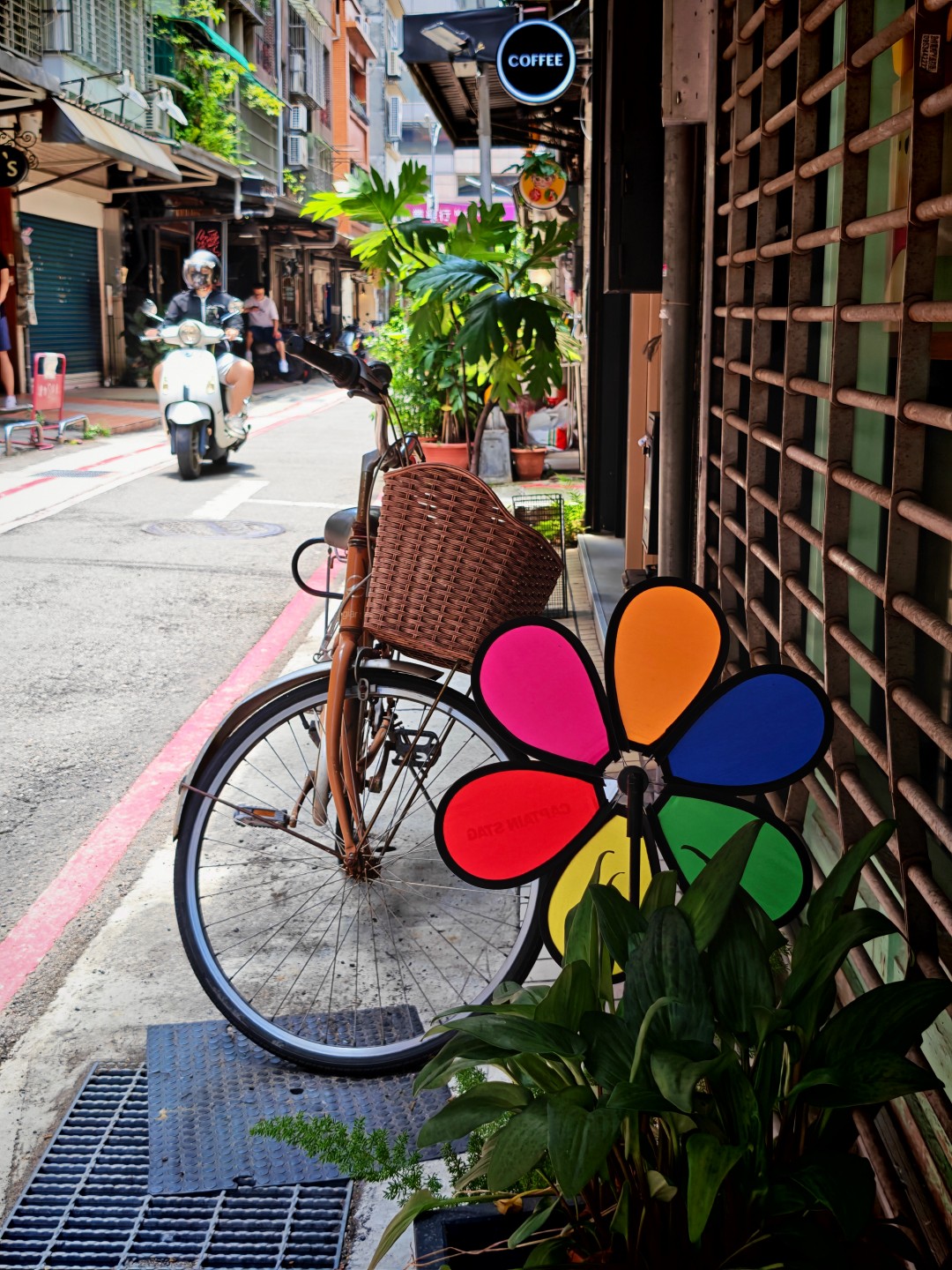
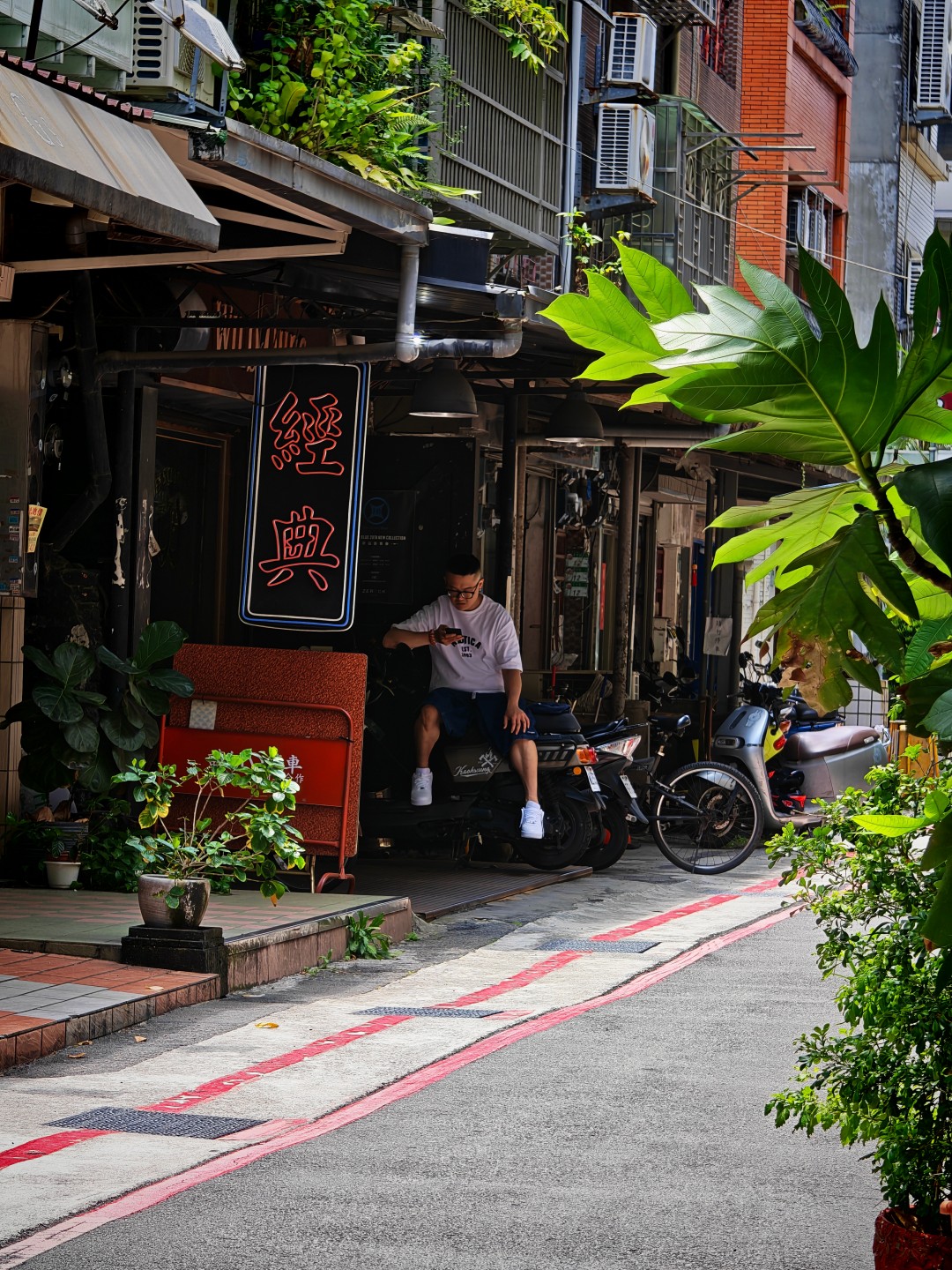
Instil Coffee
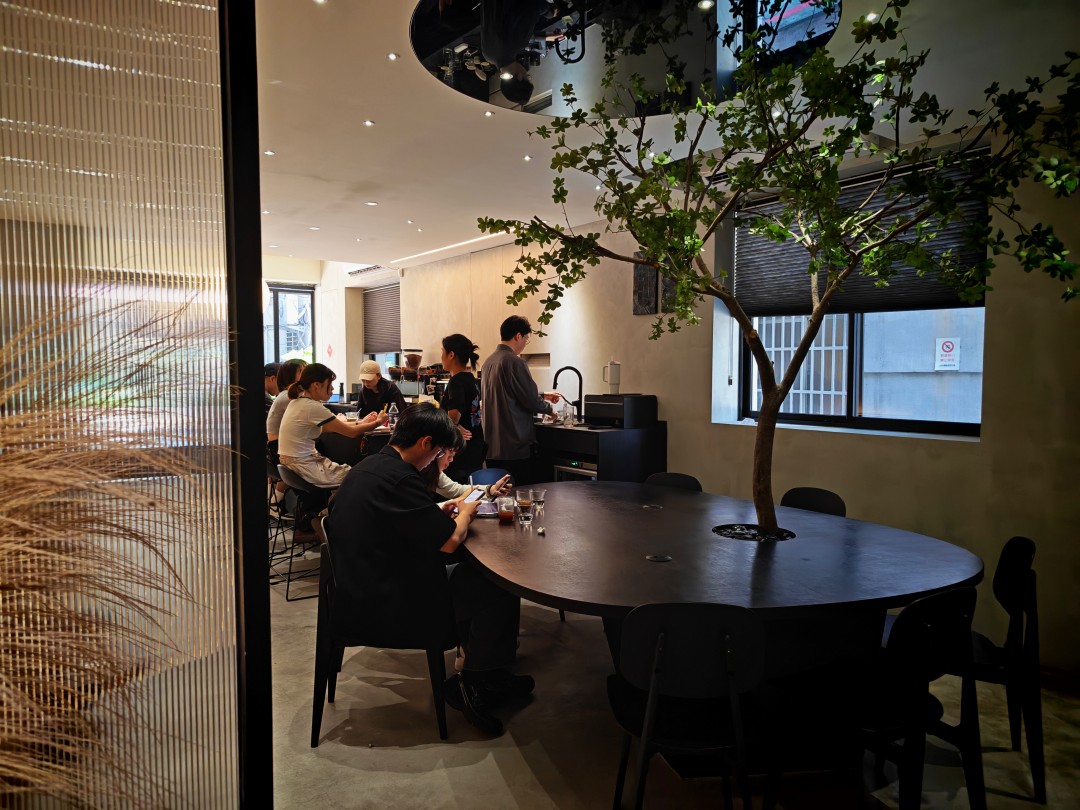

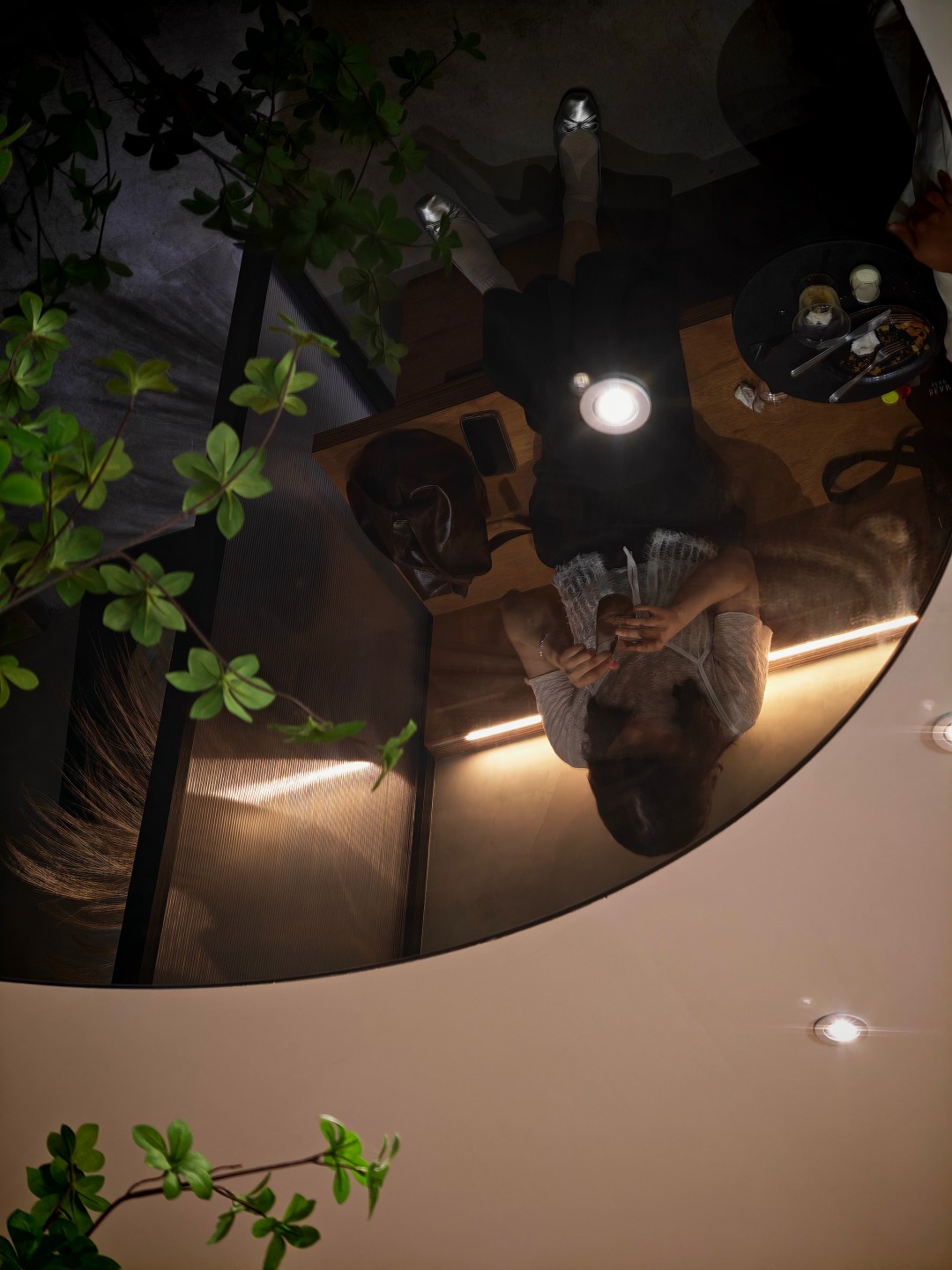
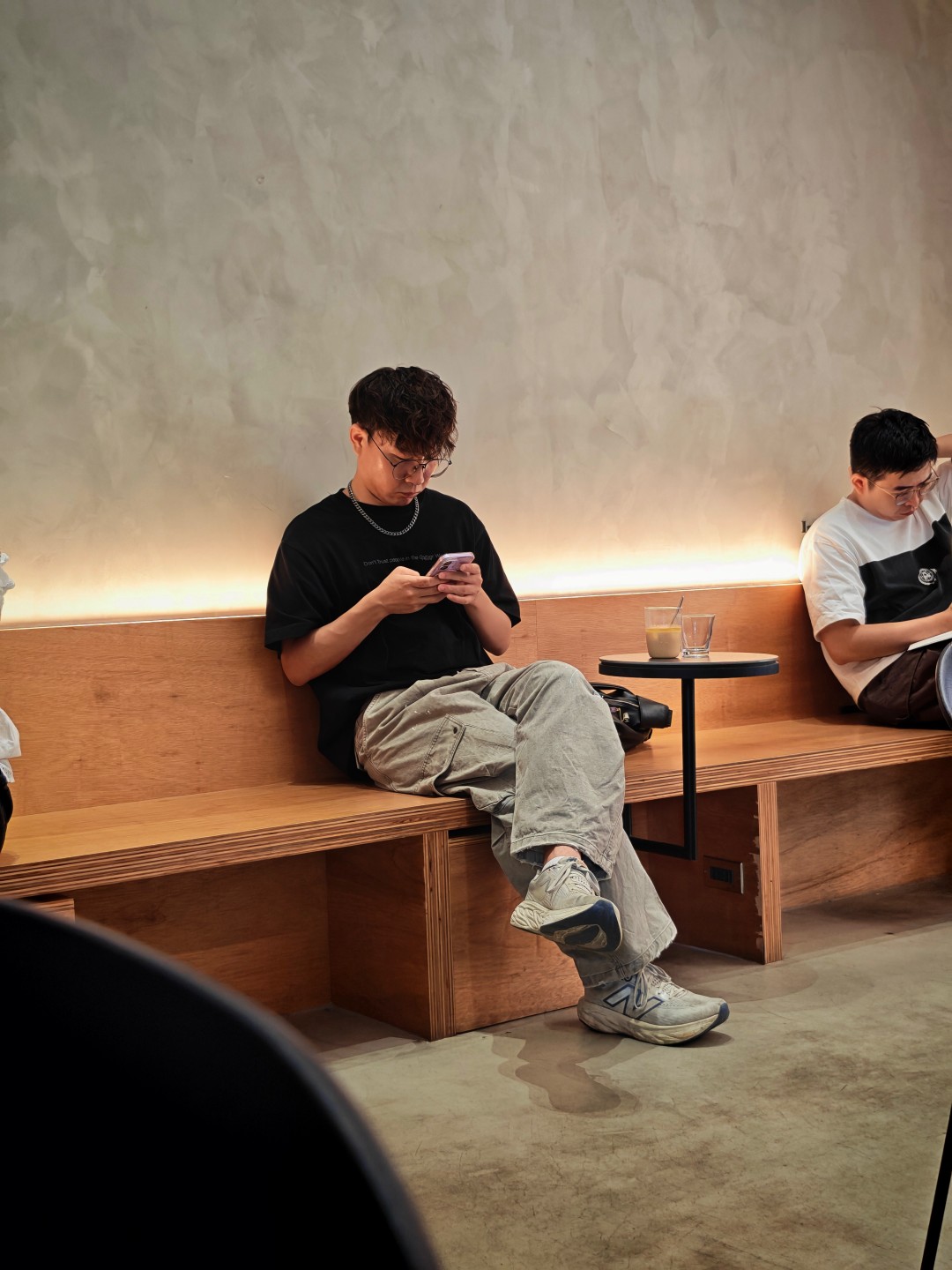
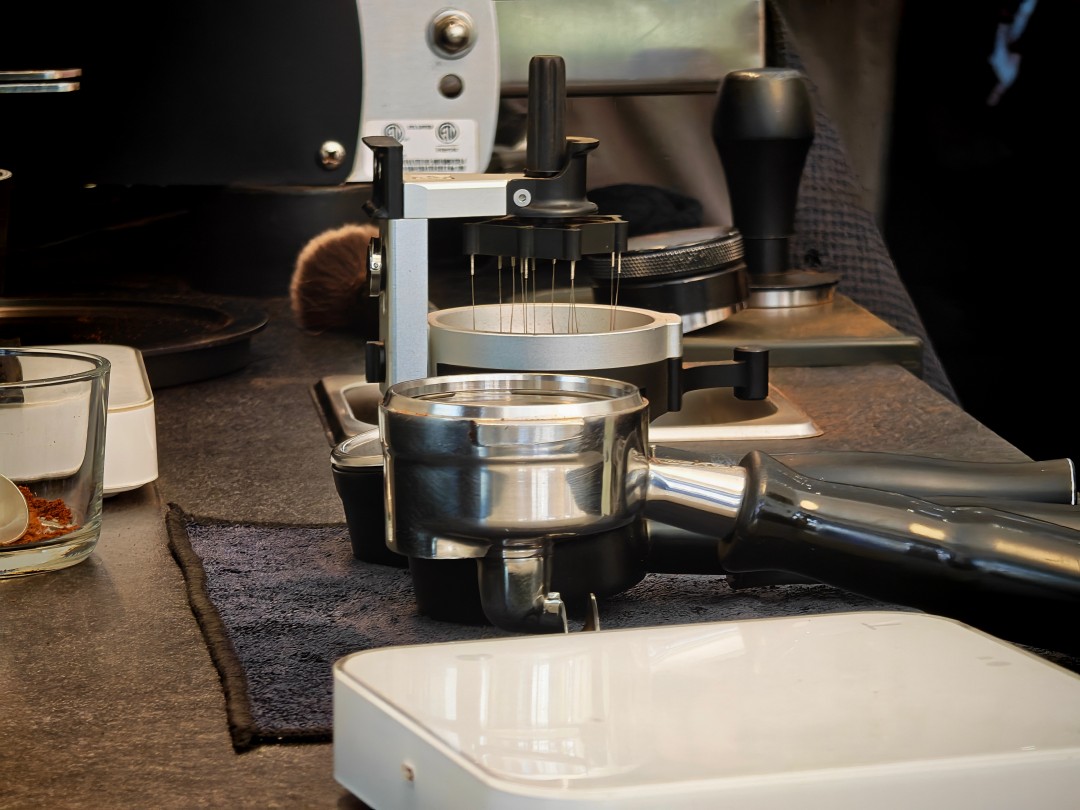
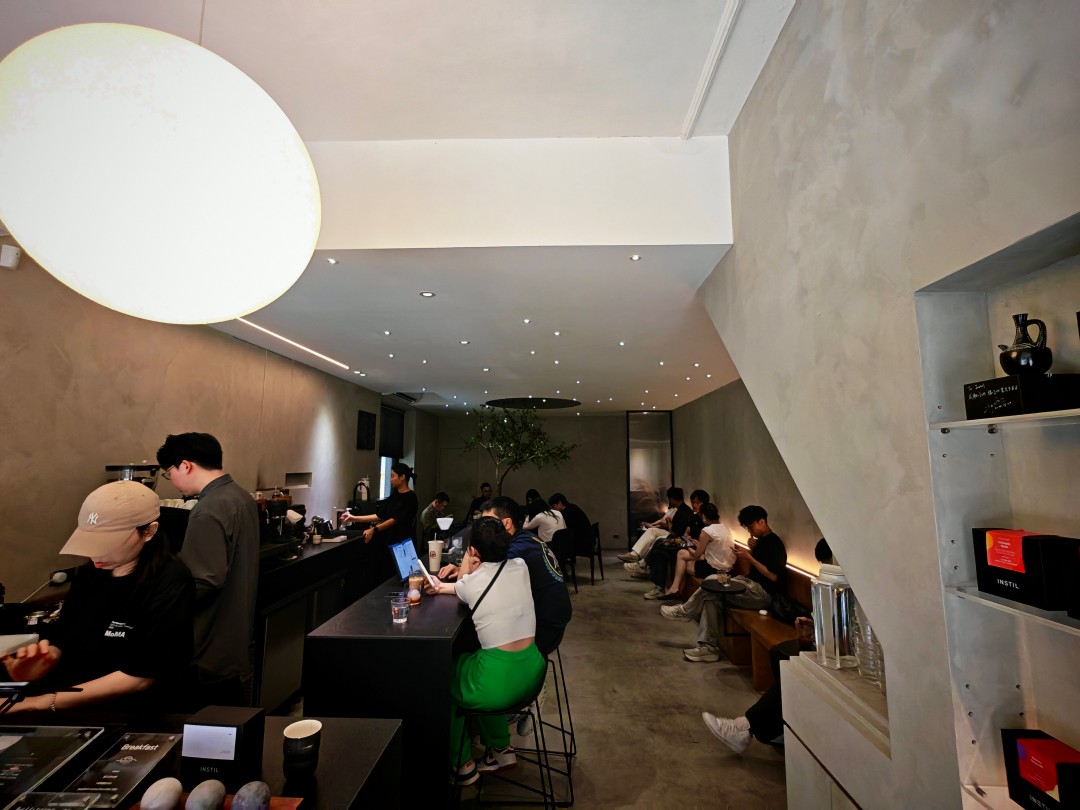
Taipei streets part 3





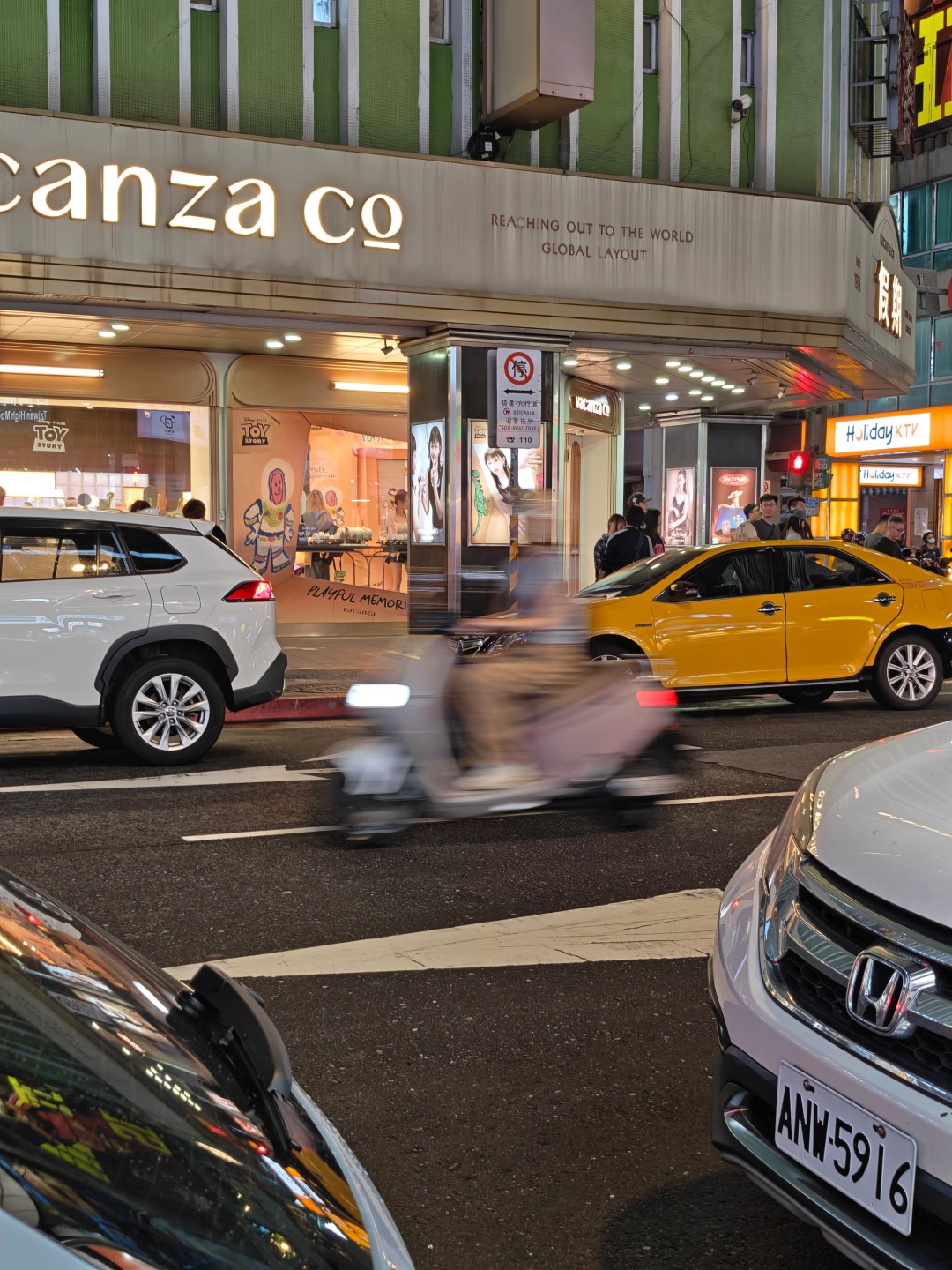
Taipei at night + Bar Shock


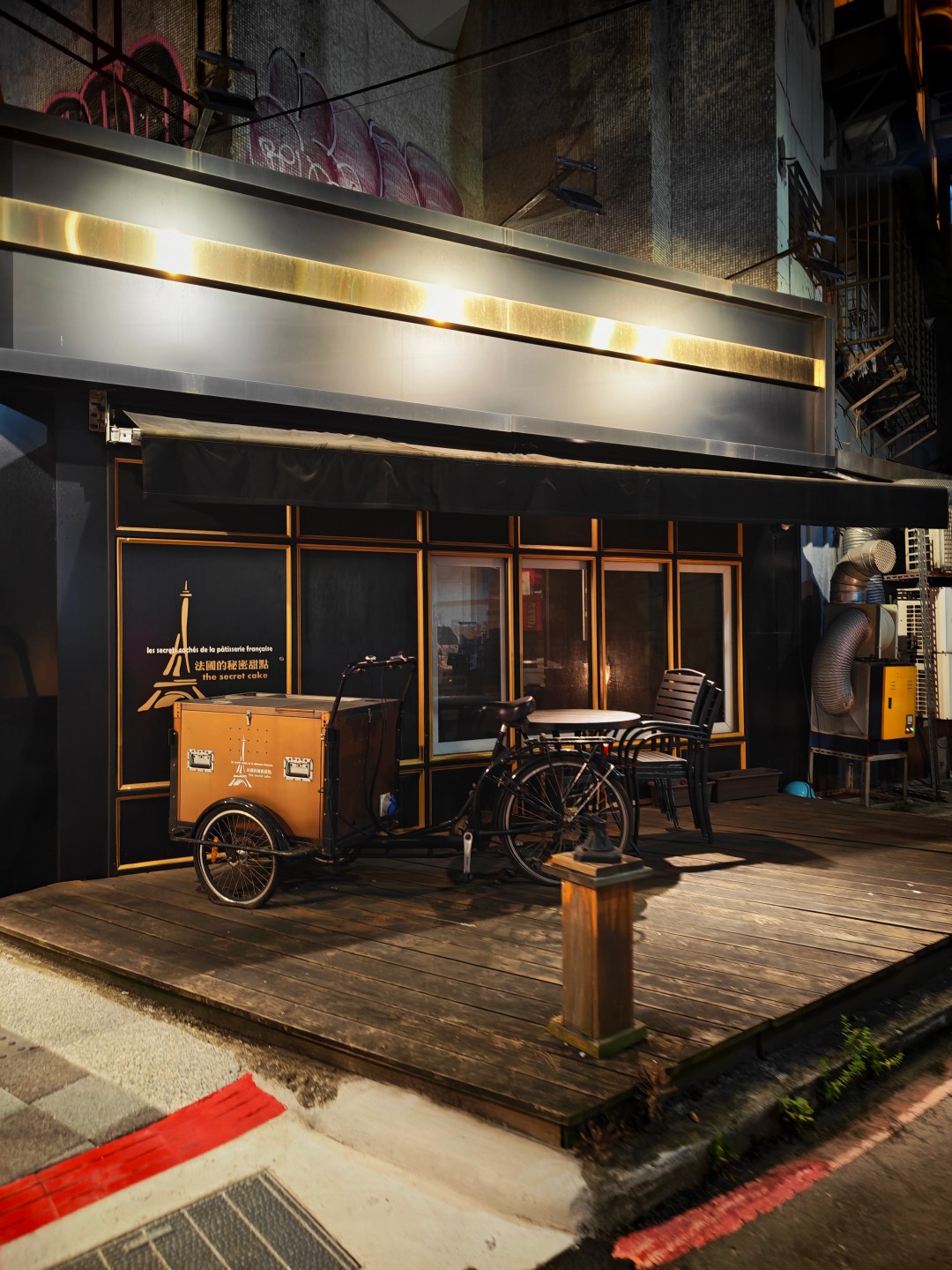

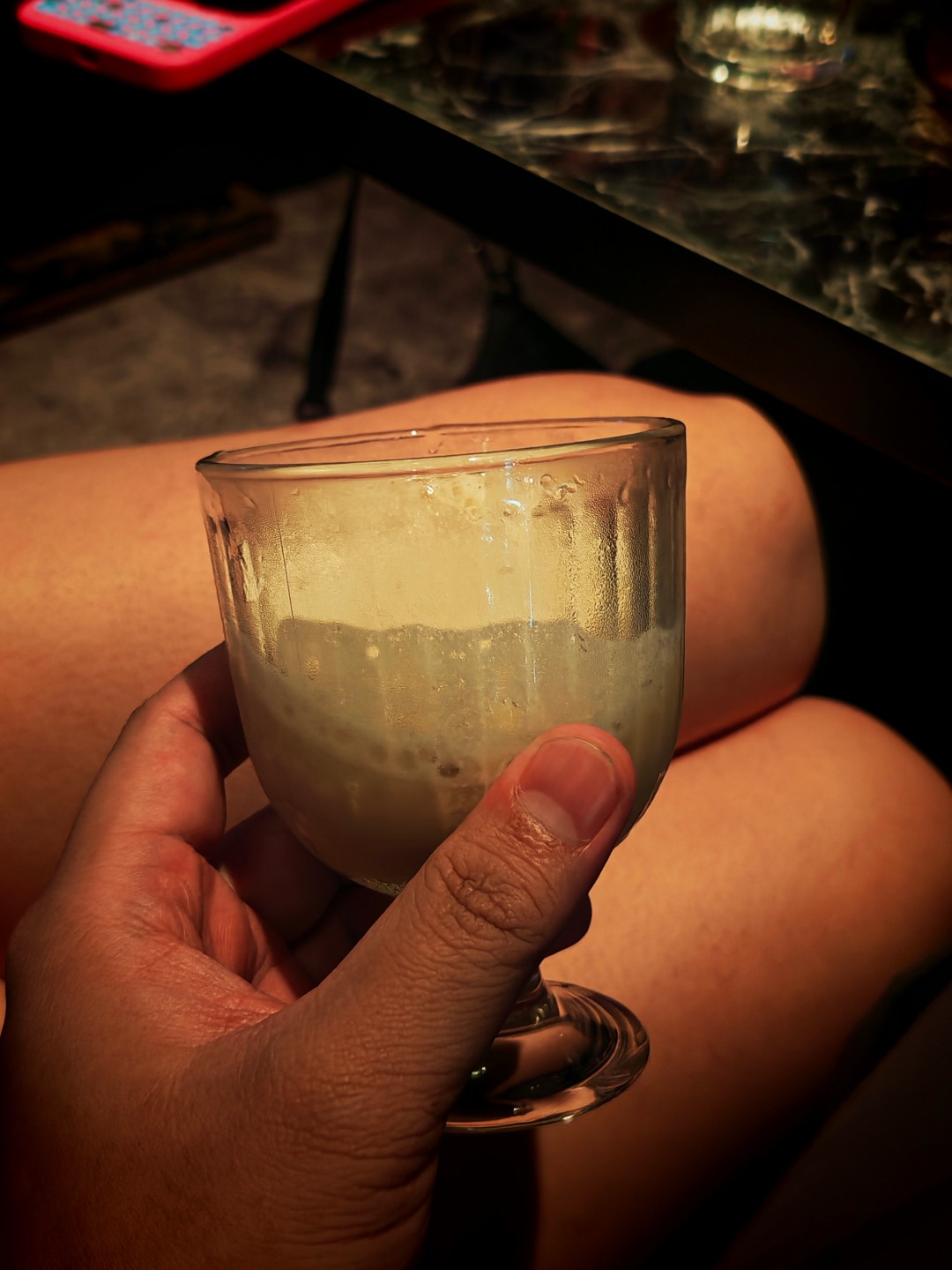

Taipei at night + Backstreet Bar



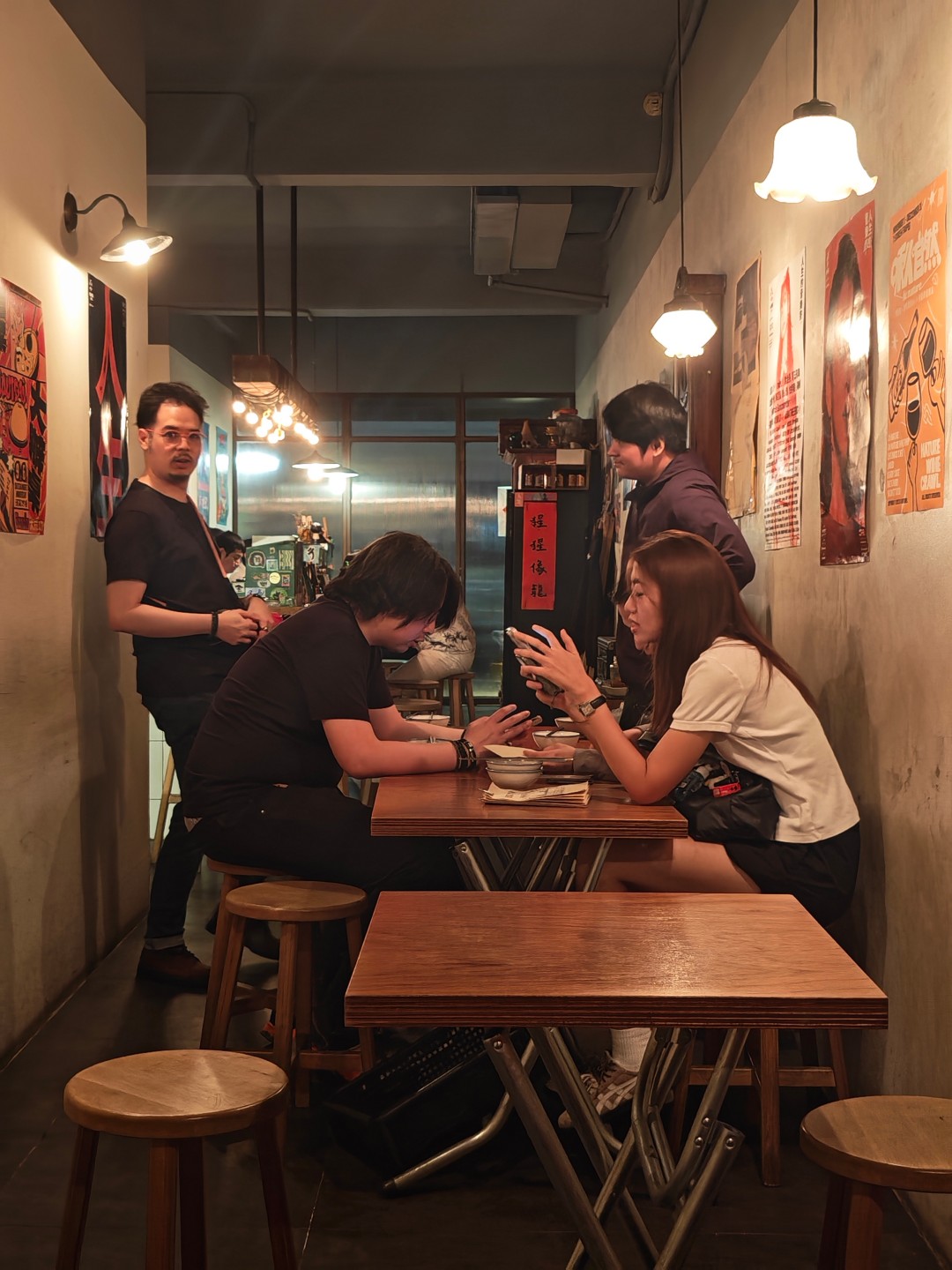
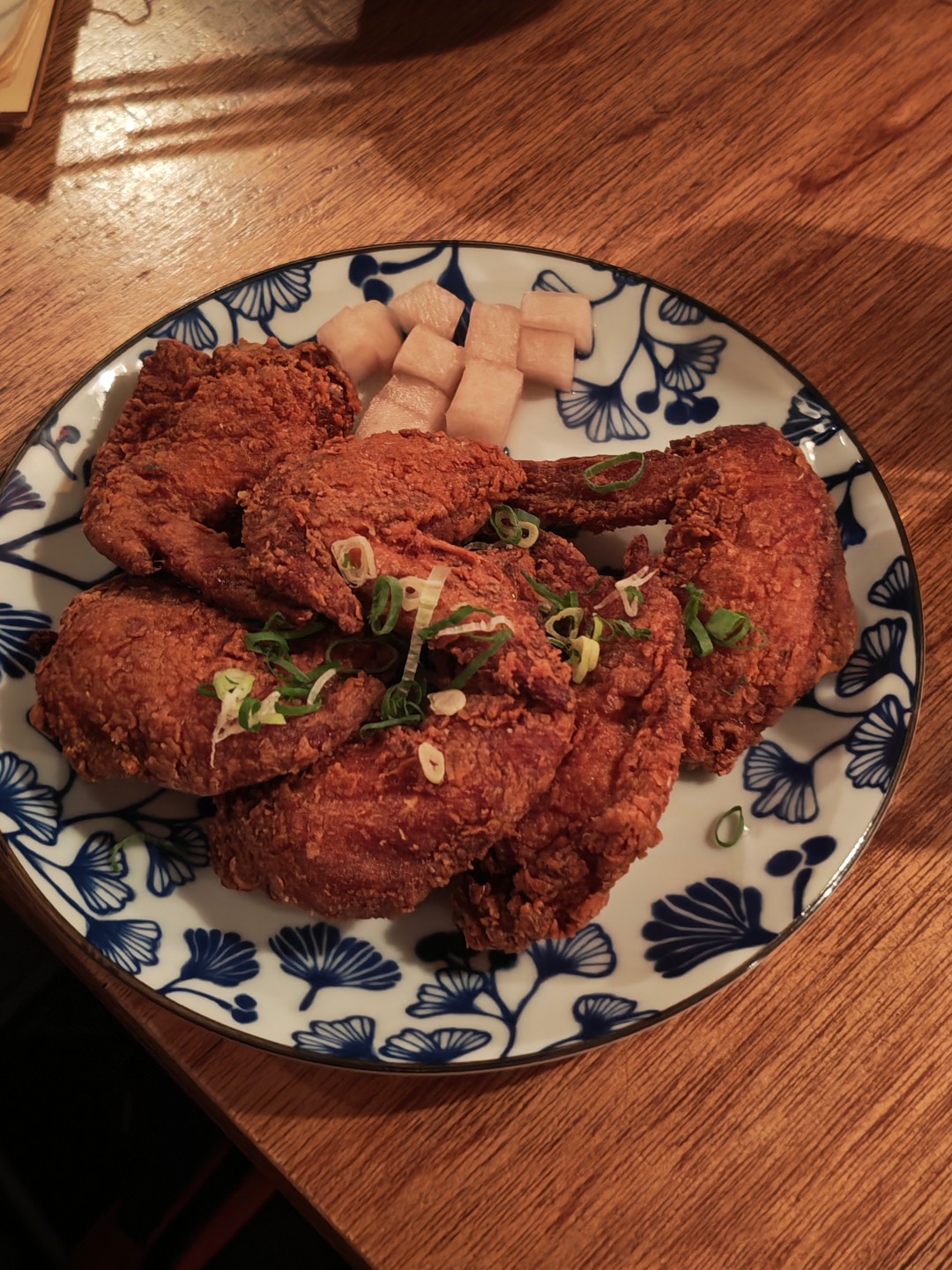
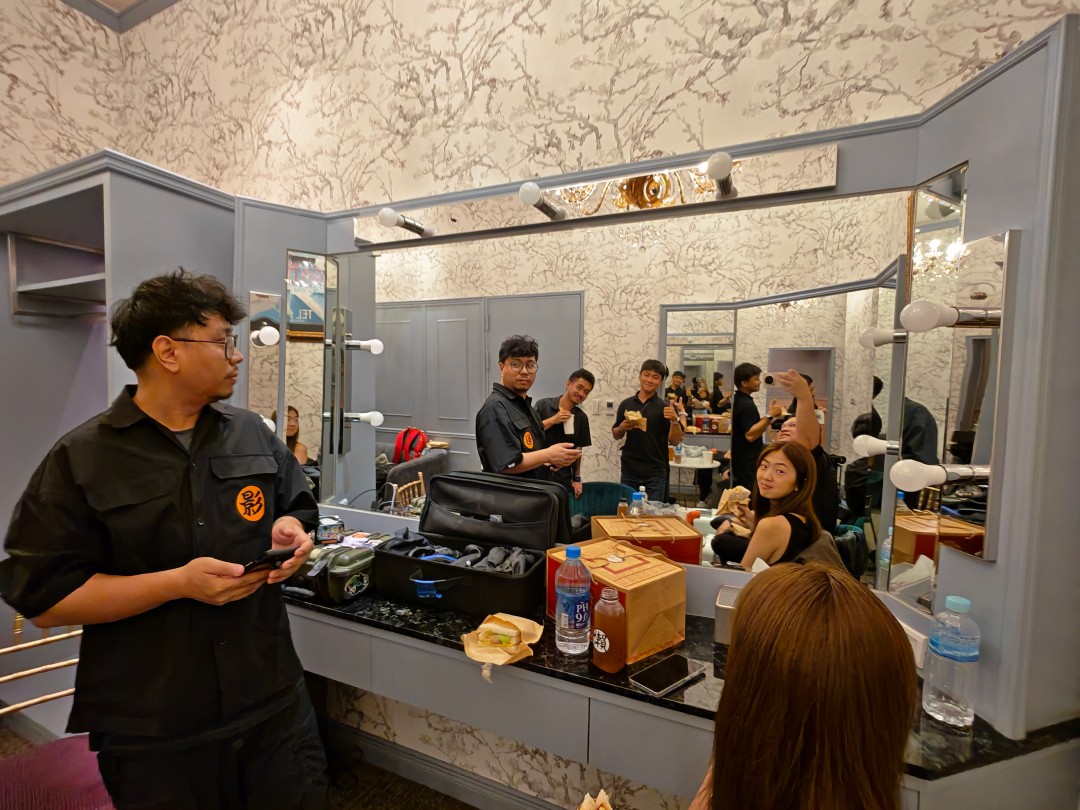
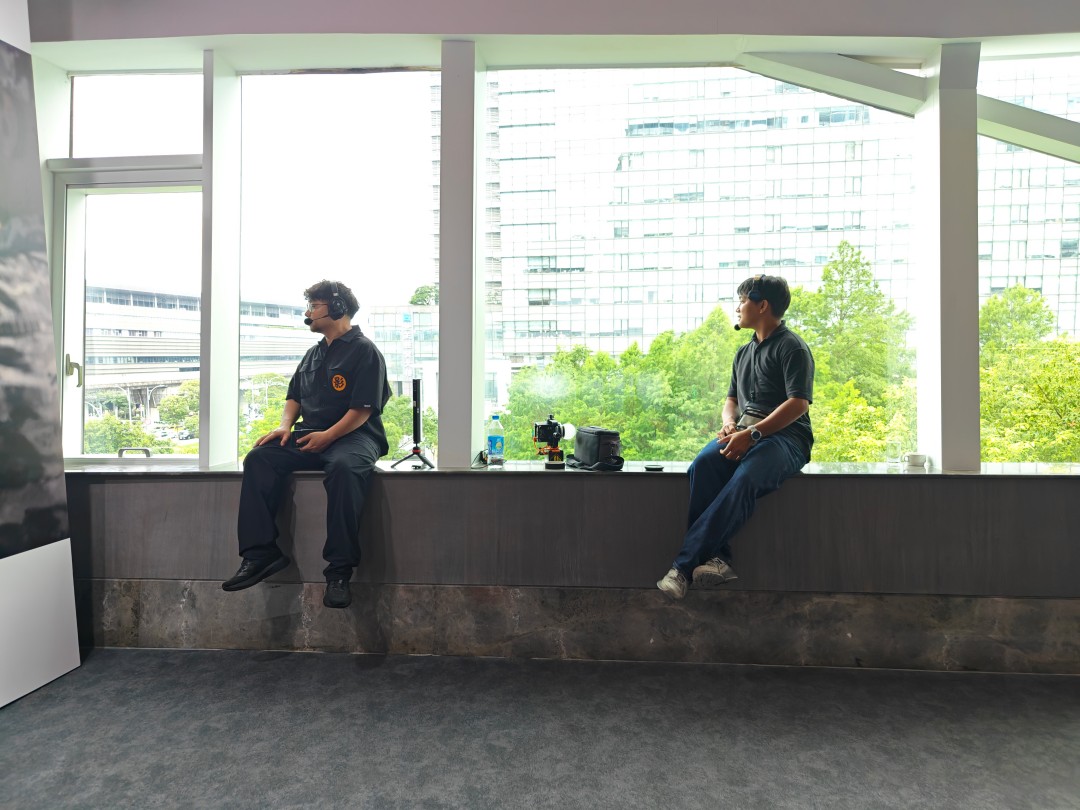
Side gig



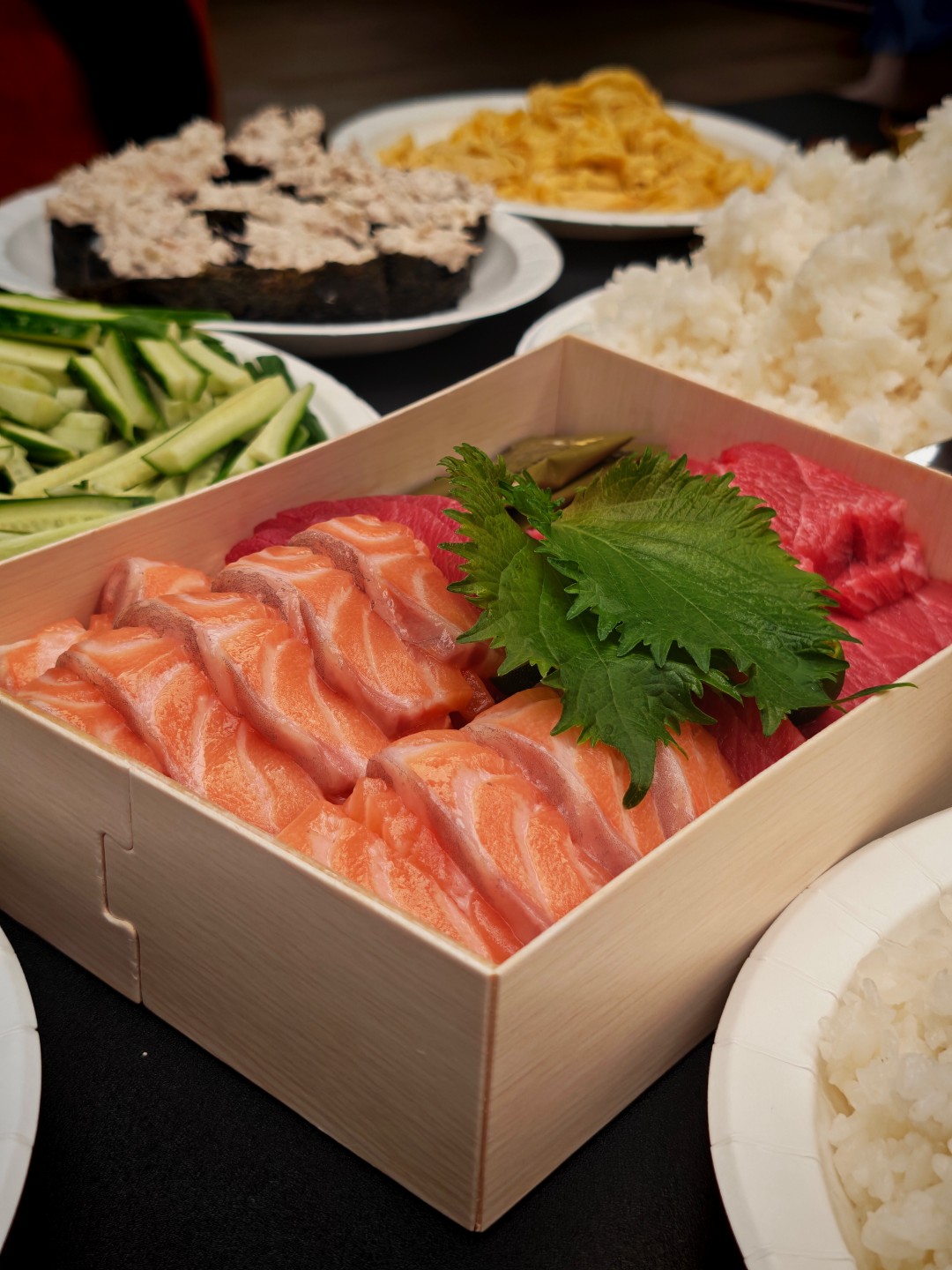
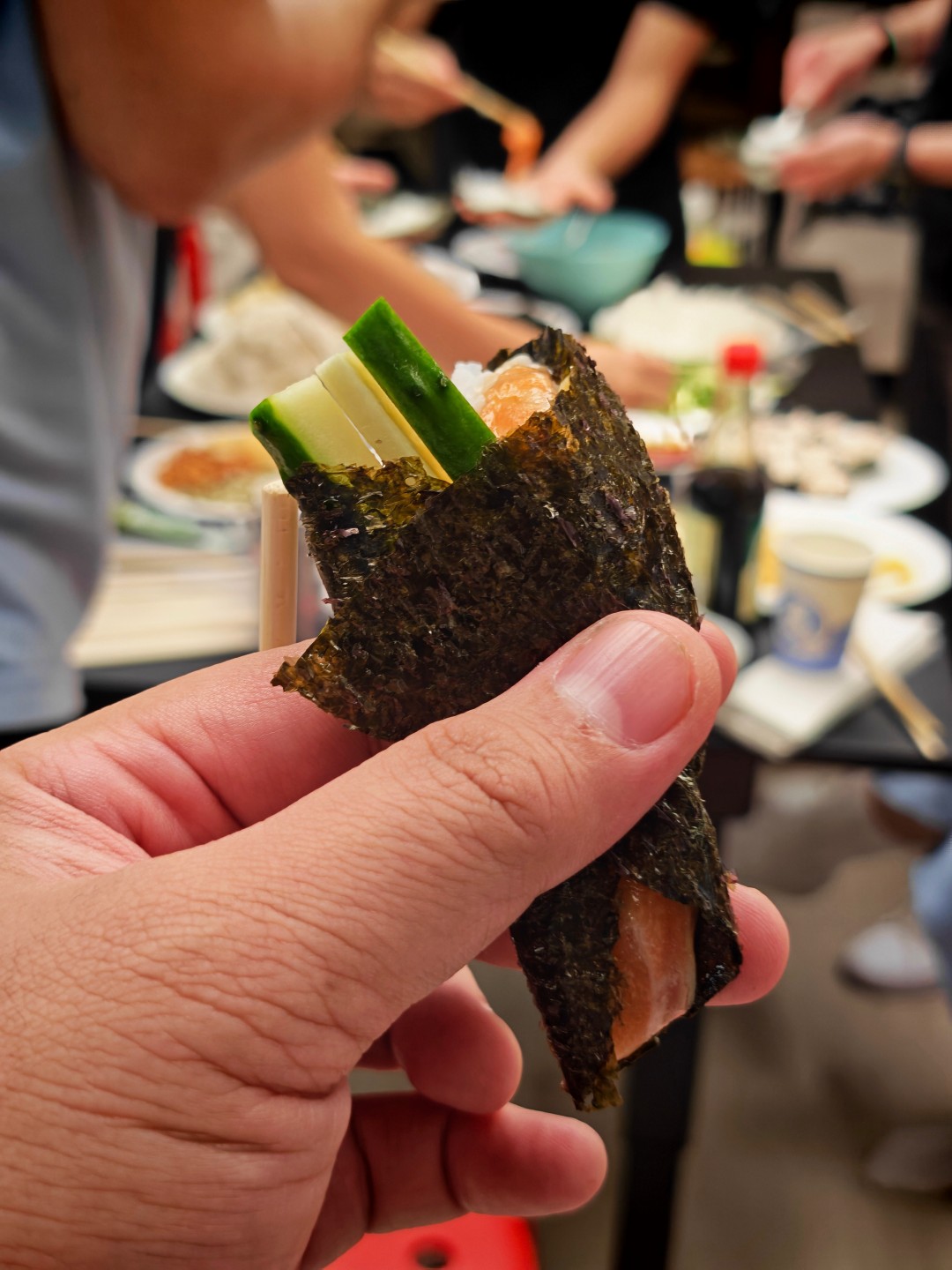
Sushi Party






Apple-friendly and easy to live with
One of the more pleasant surprises was how useful the Apple ecosystem features turned out to be.
Funny story.
I attended a sushi party where one of the guests happened to be an engineer who liked tinkering with hardware. He brought a small development board loaded with chips and components. When powered on, it mimicked the pairing process of AirPods and attempted to communicate with nearby Apple devices.
As he was scanning the room for iPhones, he was surprised to see his setup interacting with the HONOR Magic V6 I was carrying.
It’s a small anecdote, but it serves as a real-world reminder of how much effort HONOR has put into making the device work alongside Apple’s ecosystem.
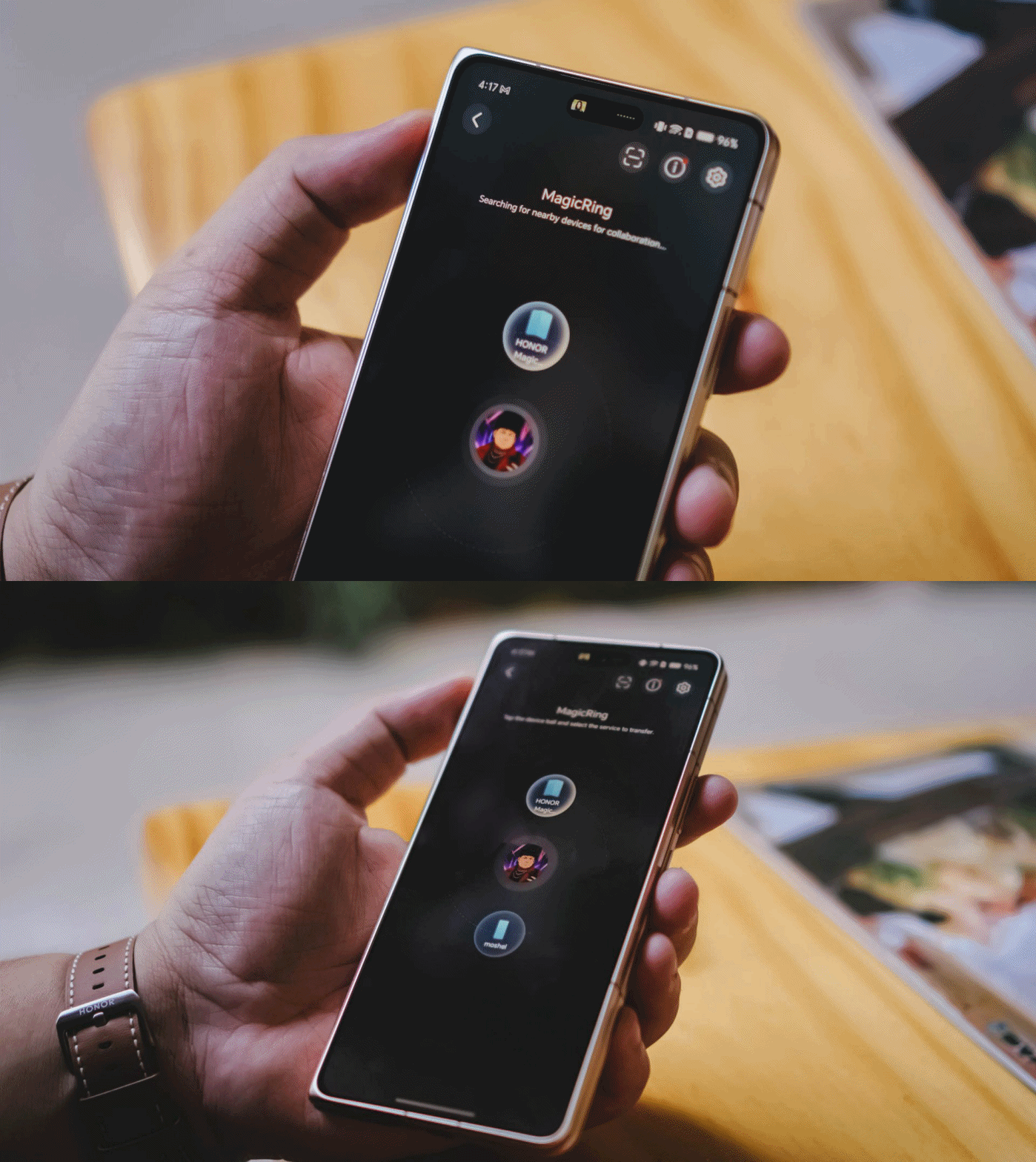
More practically, I’ve regularly used the Magic V6 to move files between the phone and my MacBook Pro M4. The process is straightforward and useful enough that it naturally became part of my workflow.
The same can be said about durability.
The funny thing is people often comment about how not-so-careful I am with my devices. It’s not that I don’t take care of them. I simply carry a lot of gear at once and sometimes toss things into my bag without thinking too much about it.
Despite that less-than-careful handling, the Magic V6 hasn’t sustained any significant or noticeable damage.
Is the HONOR Magic V6 your GadgetMatch?
The HONOR Magic V6 is the fulfillment of the book-style foldable promise.
It’s a standard-sized smartphone that unfolds into something larger. It unlocks productivity and multitasking capabilities exactly the way you imagine it would.

The weight, thickness, and handling are about as close as you’re going to get to a regular smartphone. What’s remarkable is that HONOR achieved this while also delivering excellent battery life, fast charging, and a camera system that rarely feels like a compromise.
It won’t stop me from being curious about where foldables go next.
But it did remind me how good today’s foldables have already become.
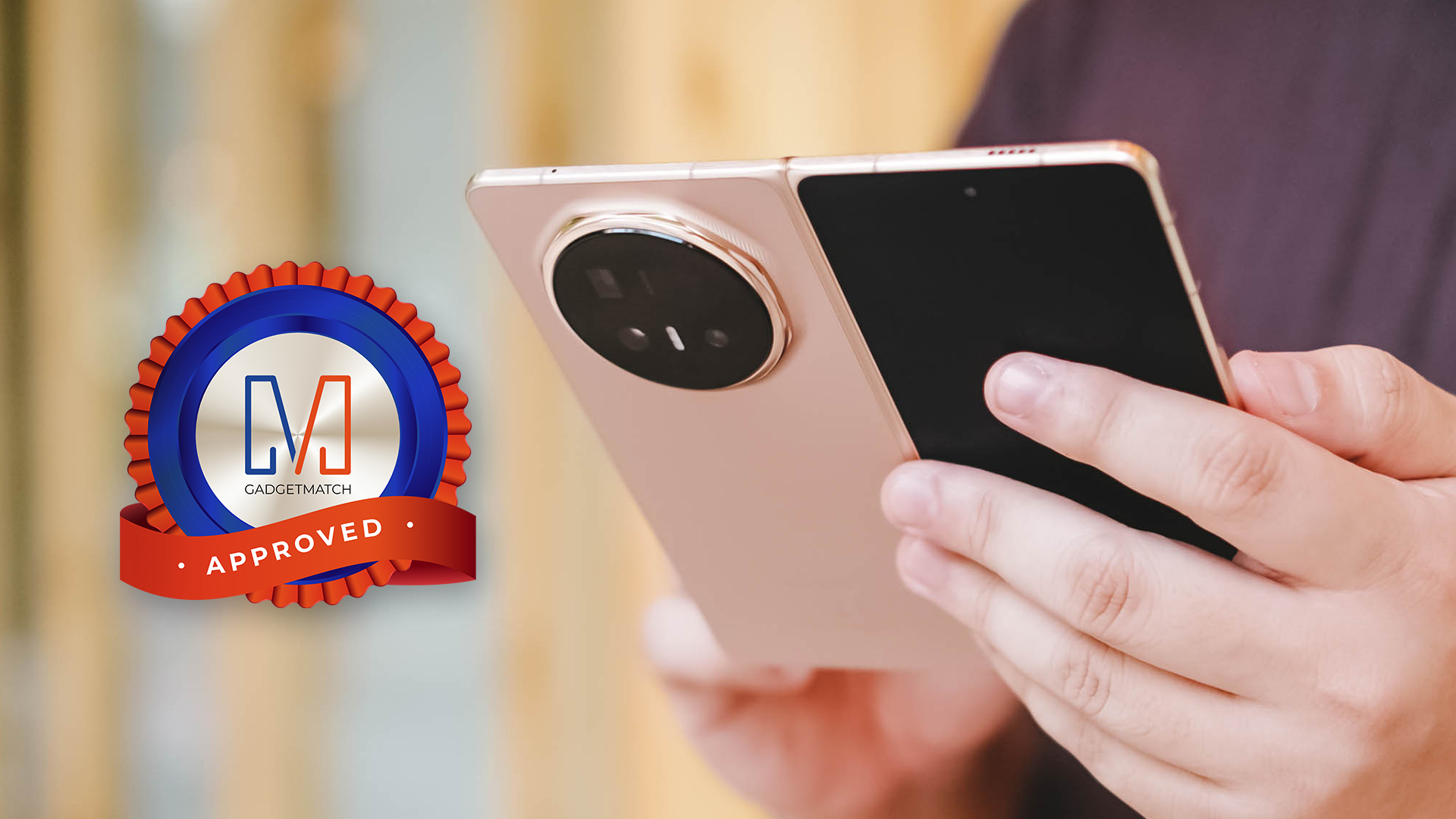
If we’re judging the HONOR Magic V6 based on what a book-style foldable is supposed to be, there is very little left to sacrifice. That’s why I’m giving the Magic V6 the GadgetMatch Seal of Approval.
Reviews
Close without crossing: A Xiaomi 17T Pro photo essay
Distance and closeness are not always opposites.

I have spent the better part of the last few weeks grappling with multiple emotions.
I feel silly referencing this but as a “feel” type, my days are guided by vibe and mood. It’s been a challenge trying to reconcile and make sense of everything.
Thankfully, the Xiaomi 17T Pro presented an unexpected outlet.
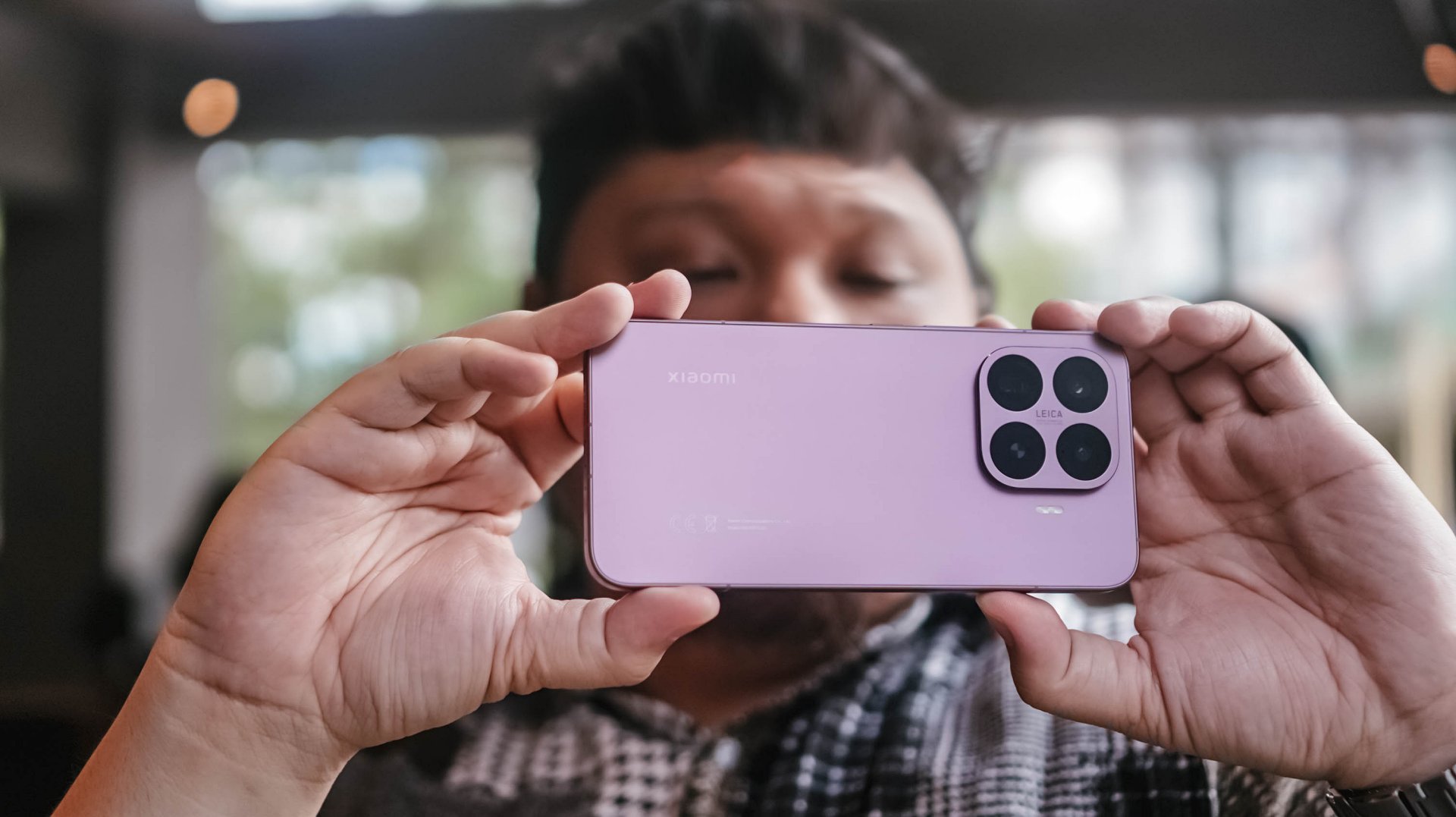
So no, this isn’t exactly a review of the Xiaomi 17T Pro. This is yours truly, once again, processing feelings through a telephoto essay.
The “T” is for Telephoto
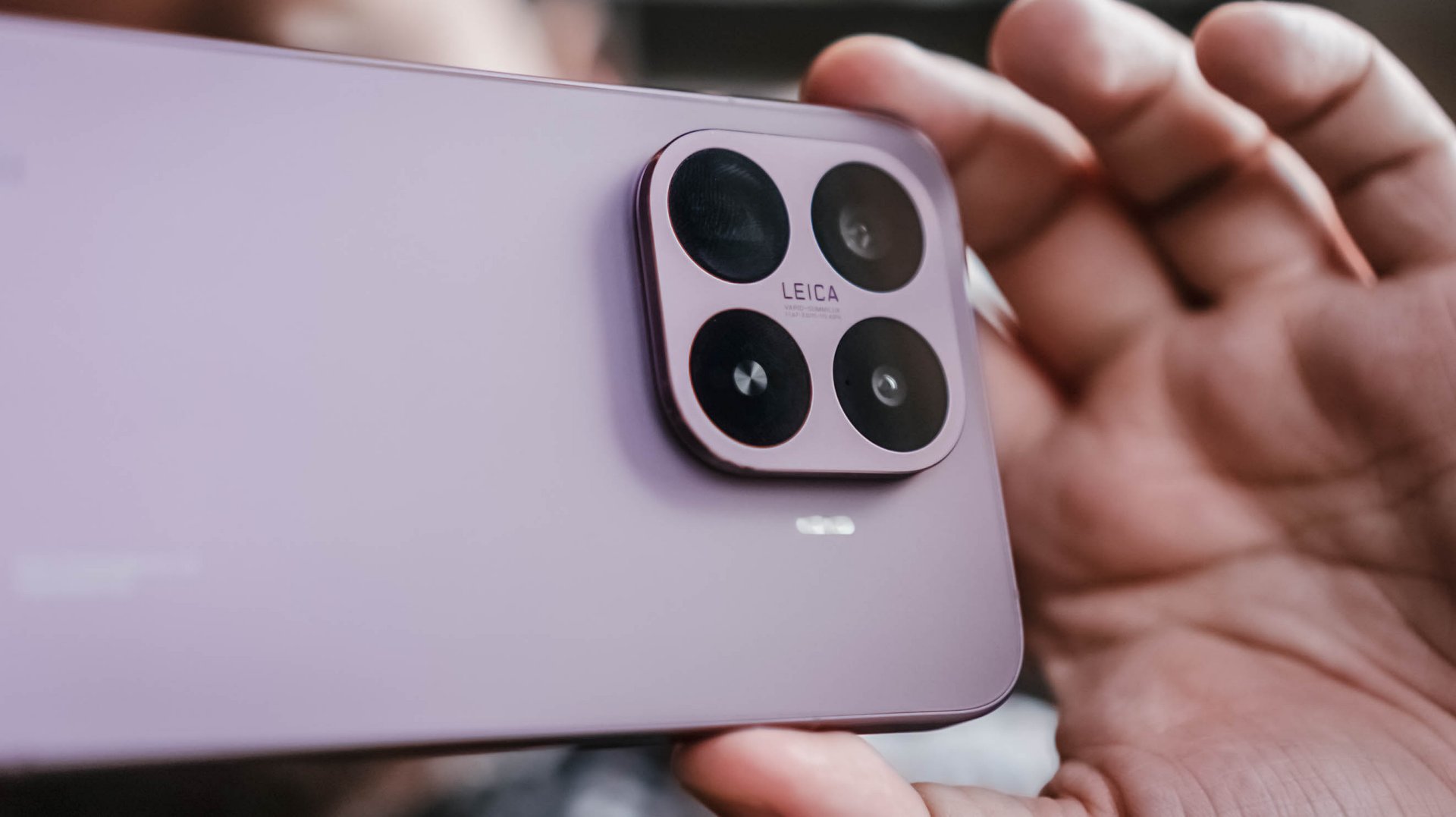
When being briefed about Xiaomi’s latest device, my favorite part was when a guest photographer jokingly attached the T in the Xiaomi 17T series to “telephoto.”
It’s not official or anything. But in this case, it made perfect sense.
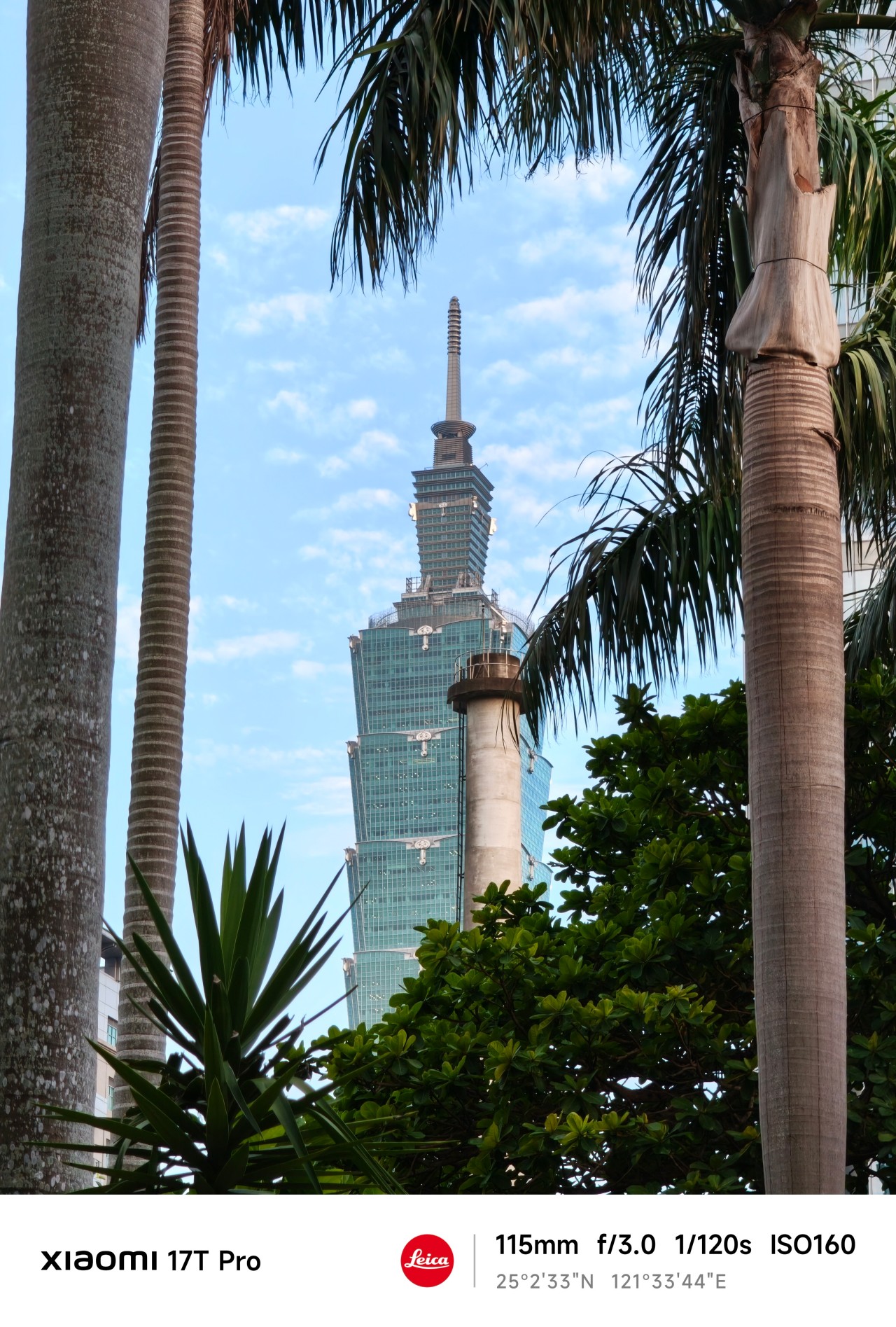
My relationship with Xiaomi’s T series has always been a little complicated. For a while it felt like it was searching for an identity. One year it was positioned as a performance-focused device. Then it became an all-rounder.
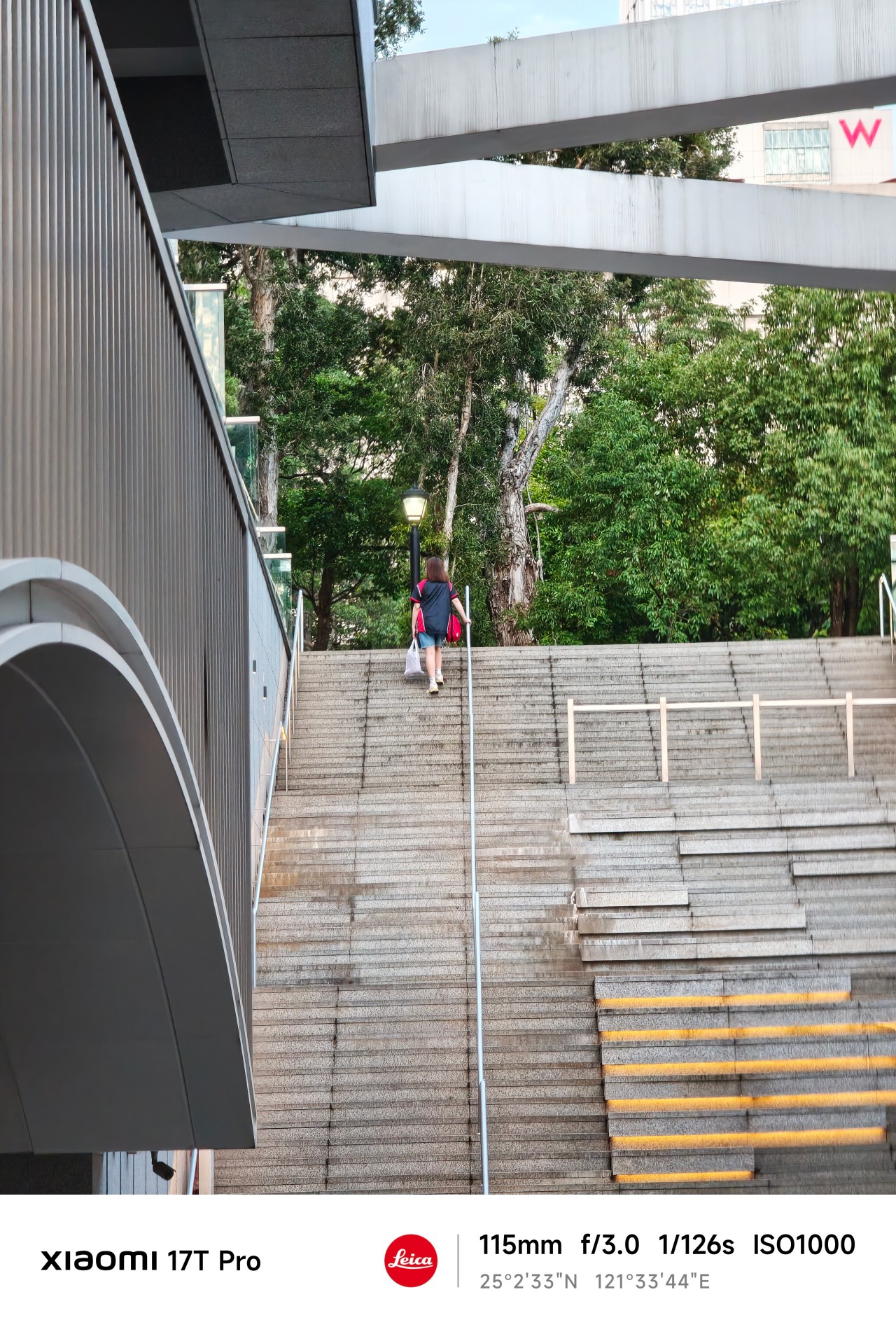
Now, one of its biggest highlights is a dedicated 115mm equivalent telephoto camera. The reality is that it might actually be all of those things at once.
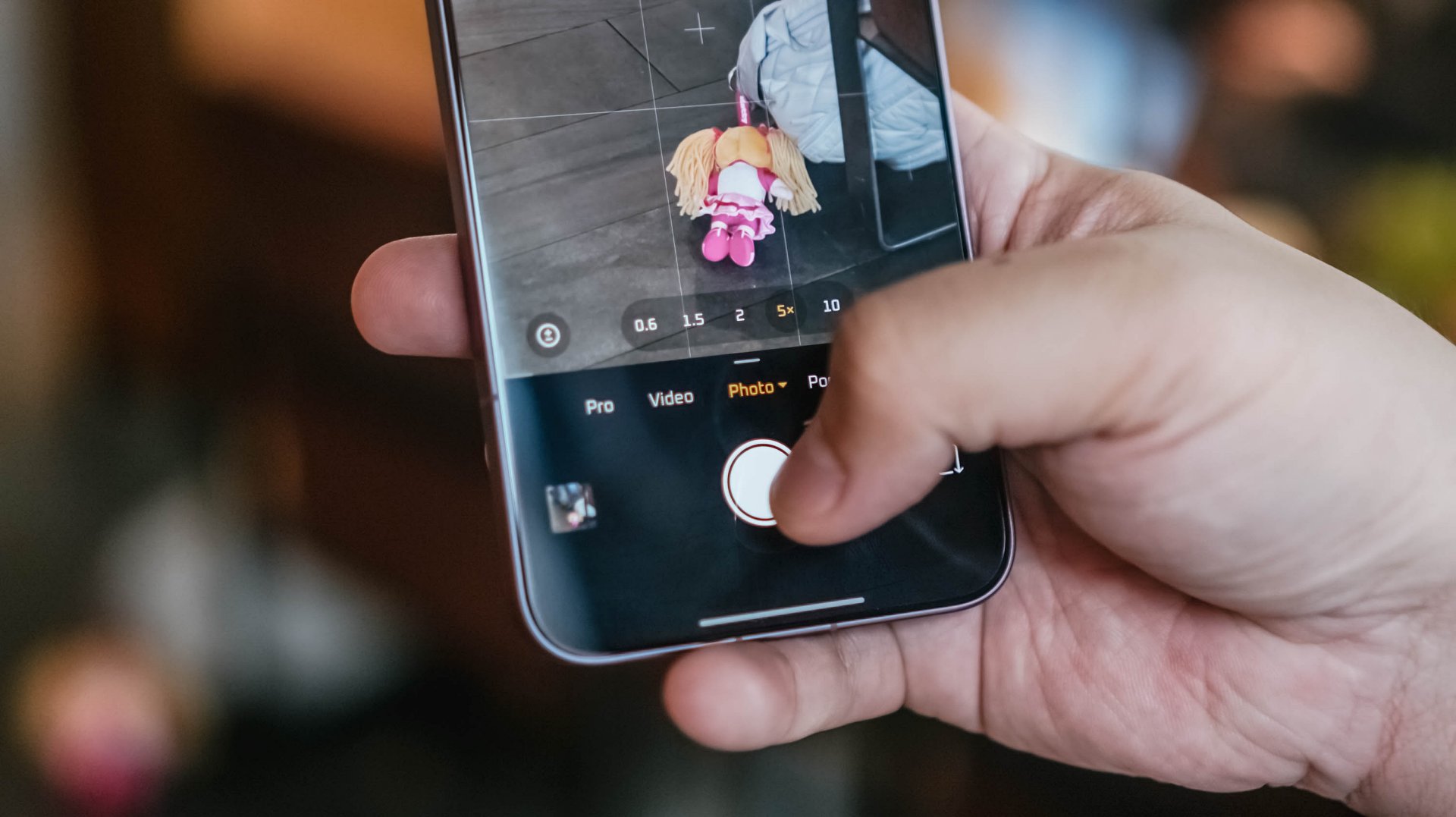
For this piece, however, I ignored almost everything else. I shot almost exclusively at 115mm.

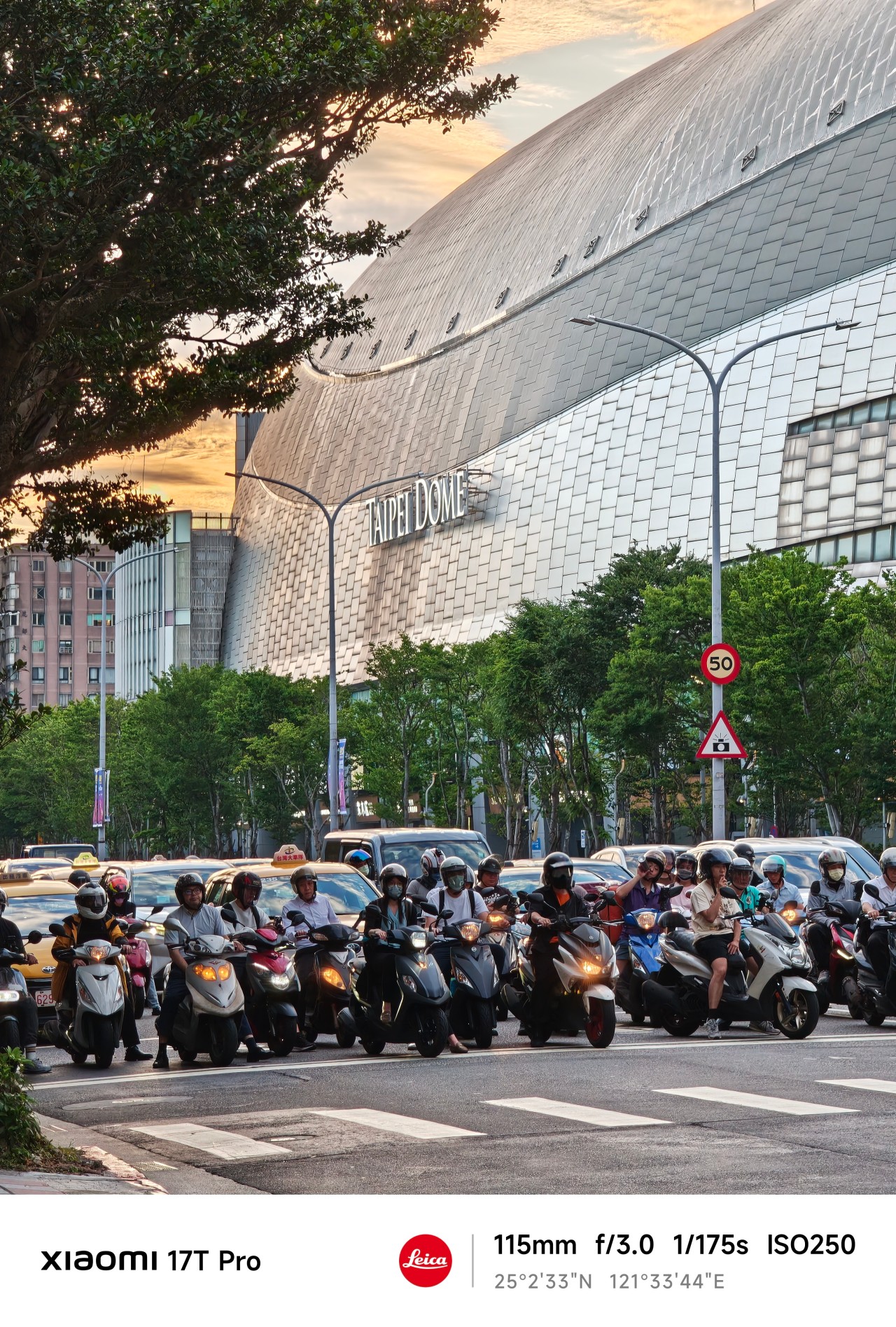
No elaborate test plan, no checklist of scenarios, and no mission to prove a point. I simply carried the phone everywhere and photographed whatever caught my attention.
At first, I thought I was testing a camera. Eventually, I realized the camera was teaching me something instead.
Chasing
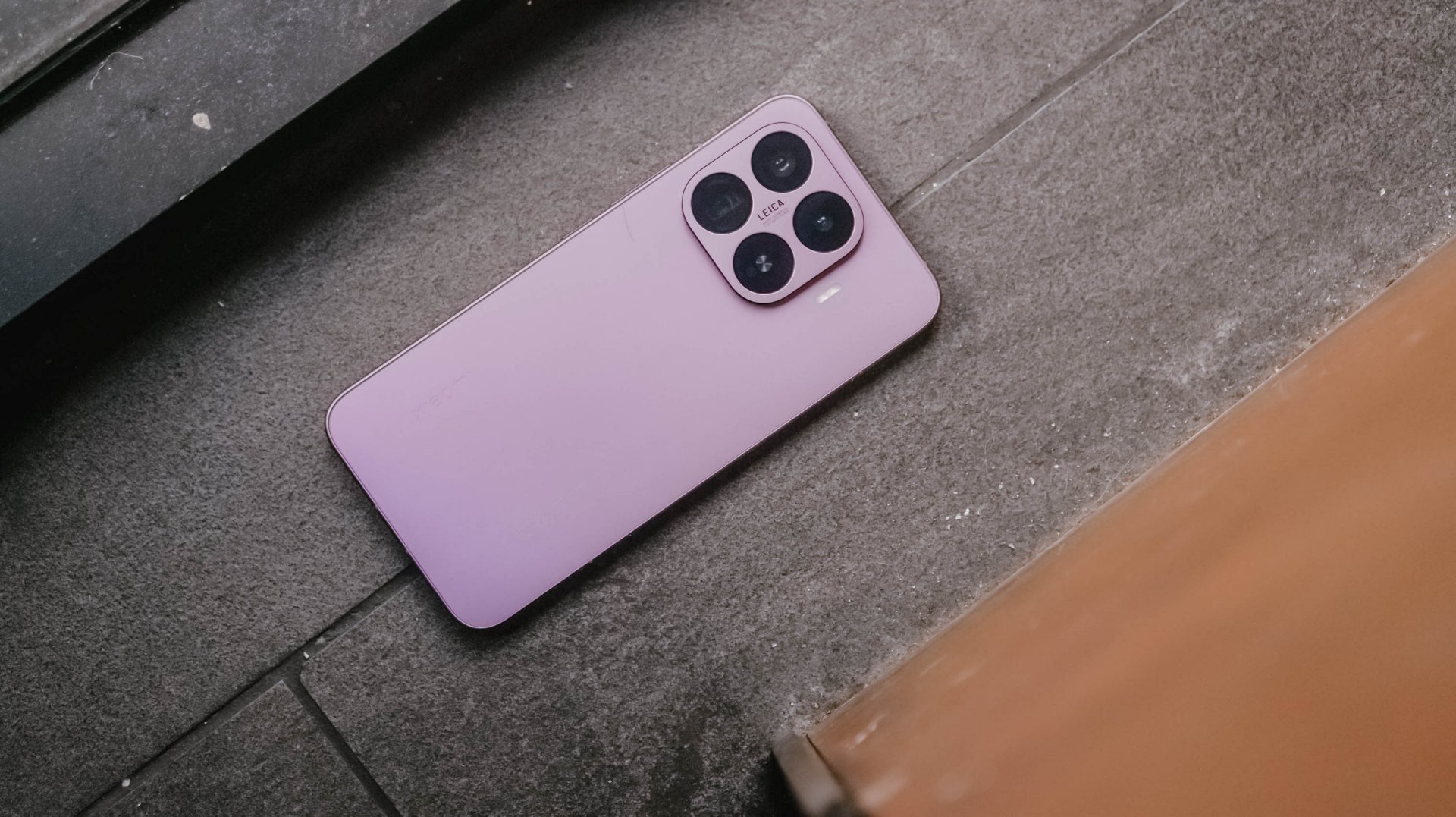
When the year started, I was certain about something. Or perhaps someone.
The conversations were easy. The banter felt natural. The possibility of something more lingered quietly in the background.
After a few genuine attempts, reality eventually became clear. This wasn’t going where I secretly hoped it would. I felt defeated.
But apparently, I wasn’t done learning yet.
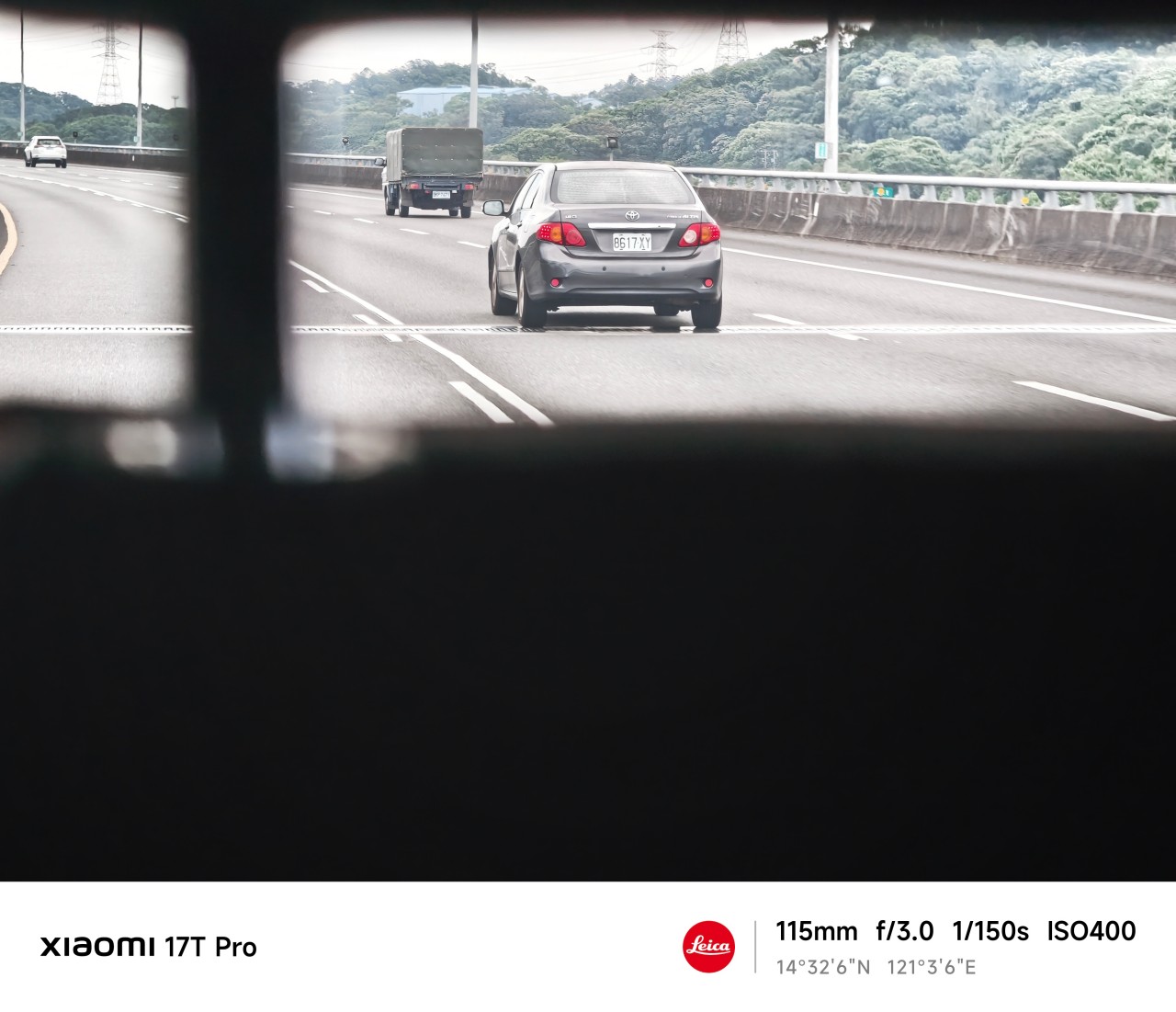
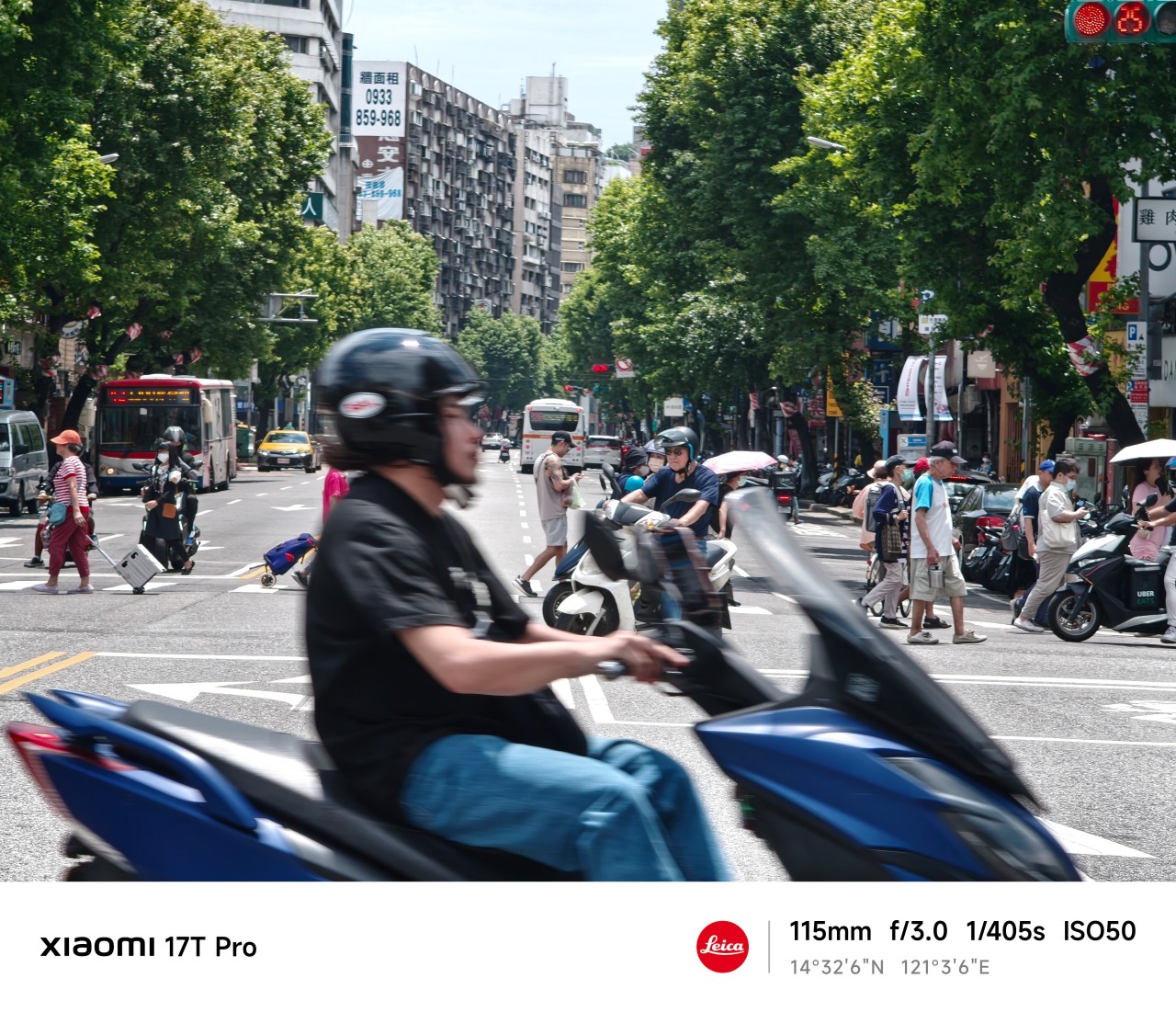
One thing I quickly discovered about shooting at 115mm is that distance changes how you approach a subject.
You cannot simply stand where you are and expect every shot to work. Sometimes you move. Sometimes you wait. And sometimes you accept that a moment isn’t yours to capture.
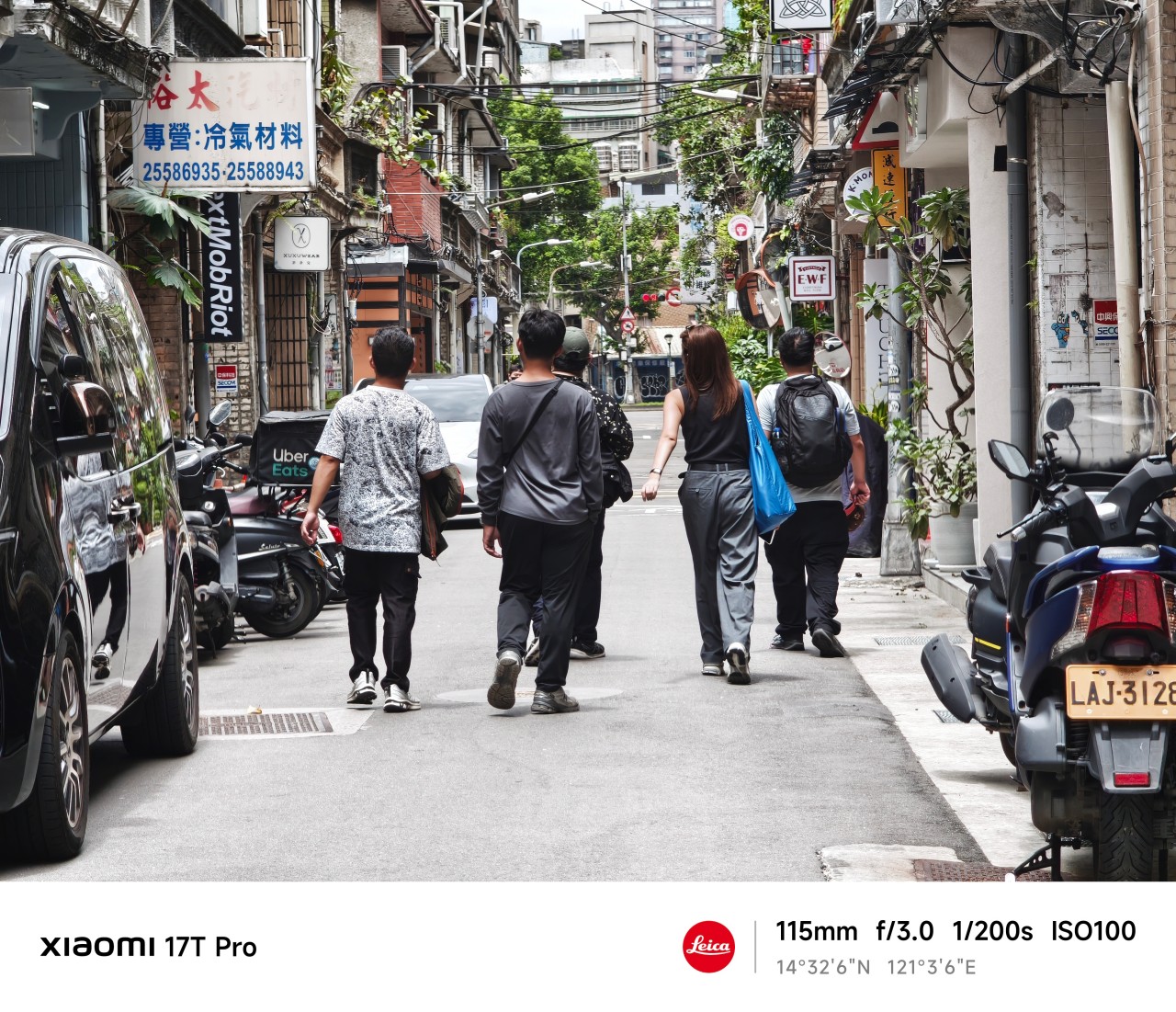 The Xiaomi 17T Pro’s telephoto camera made those adjustments feel surprisingly natural. The focal length compressed scenes beautifully while still allowing me to isolate subjects from busy surroundings.
More importantly, it encouraged patience. Not every frame needed to be forced.
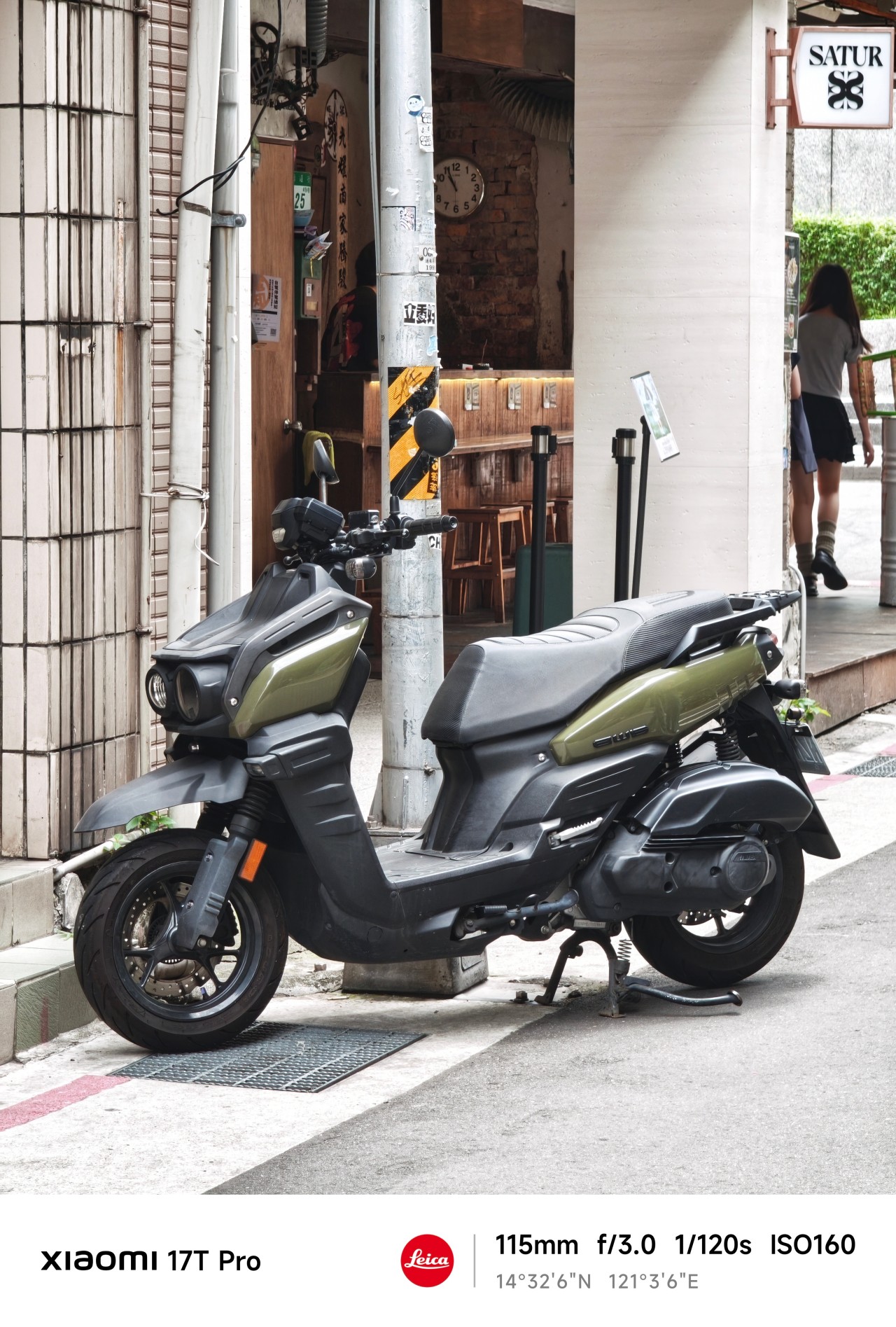
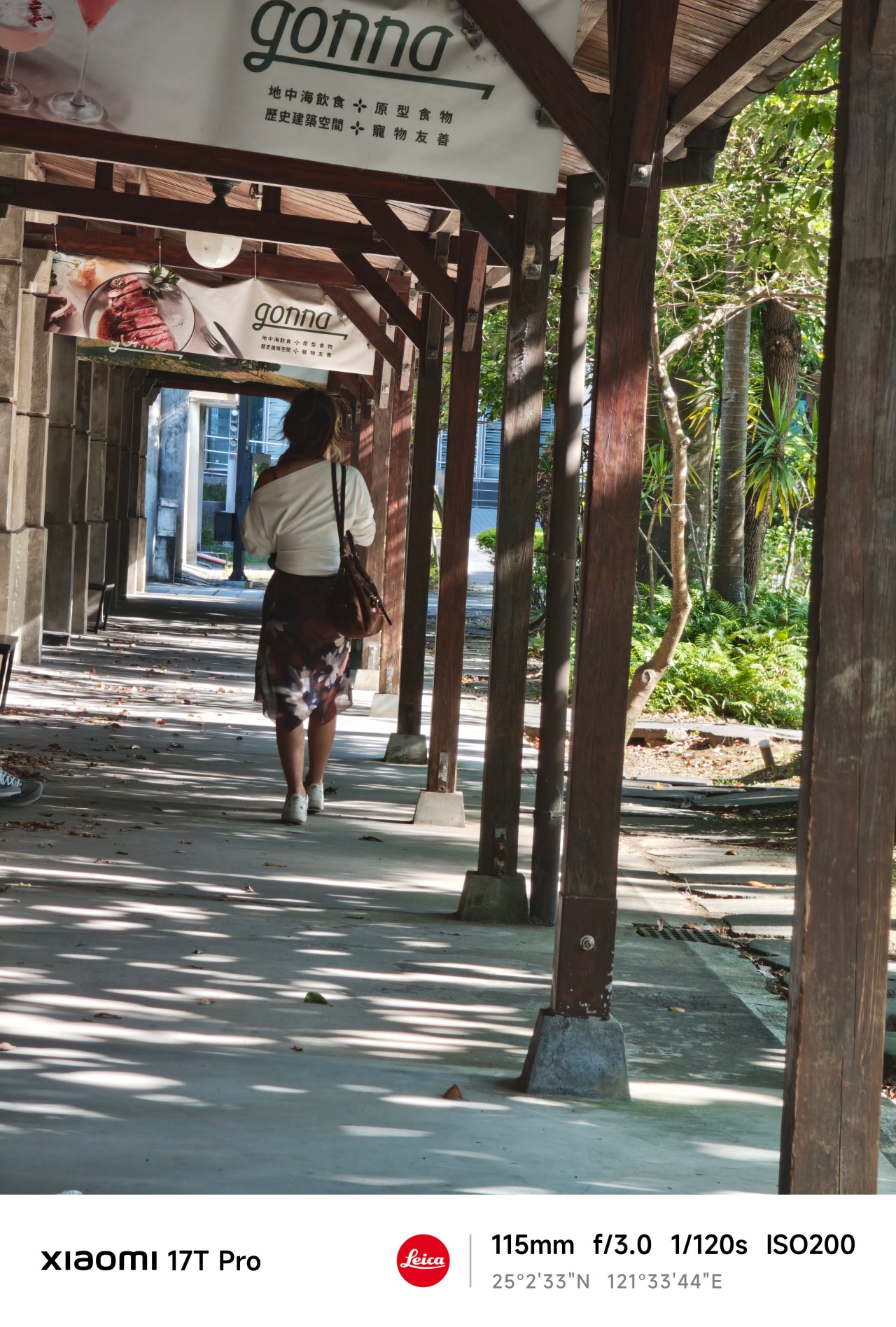
Blind projection
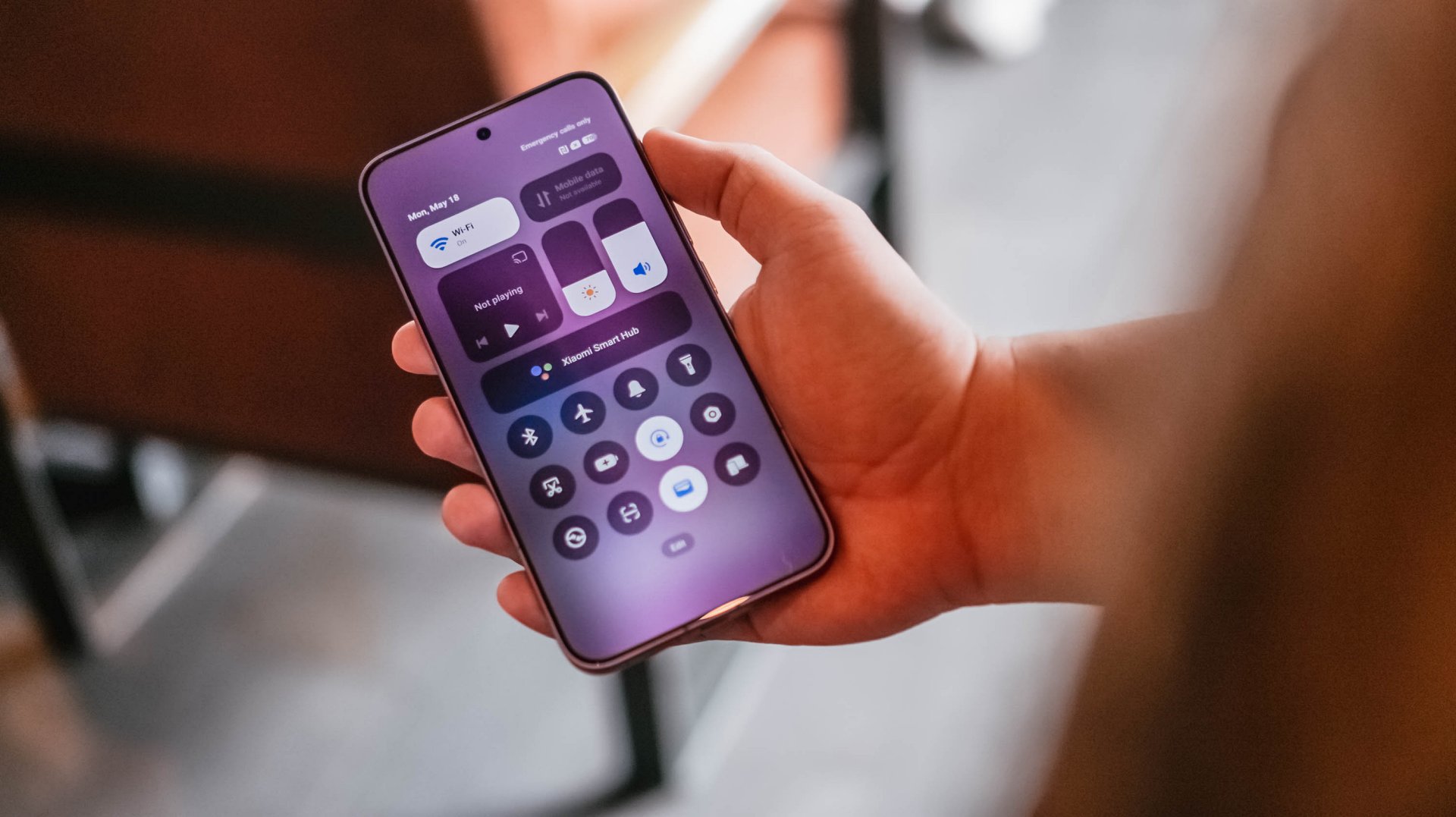
Waiting in the wings was another lesson entirely.
As a photographer, there are moments when something catches your attention immediately. A shape. A silhouette. A person. A scene.
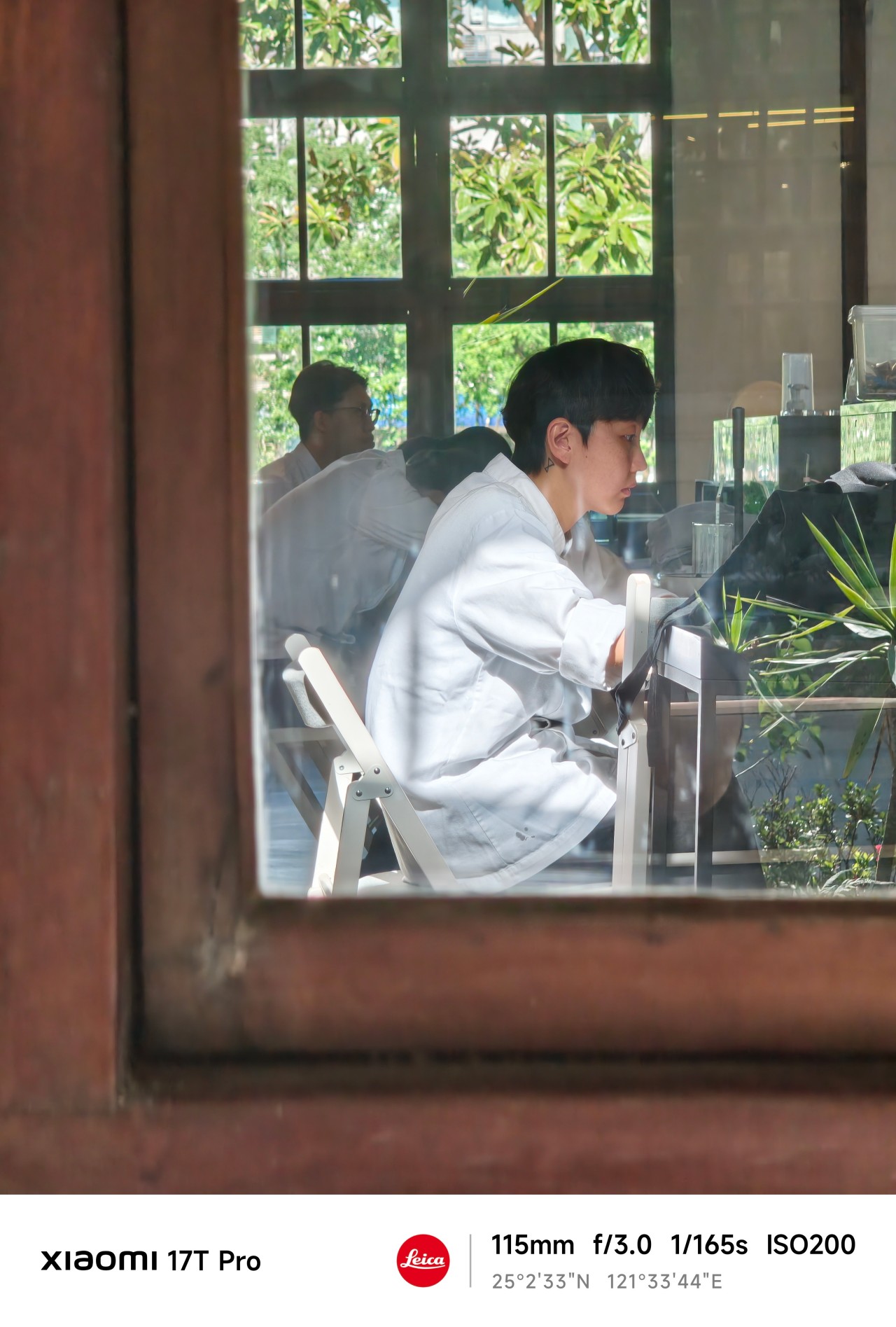 From a distance, it looks compelling.
The problem is that distance leaves room for imagination. Sometimes too much room. You think you know what you’re looking at. But you don’t.
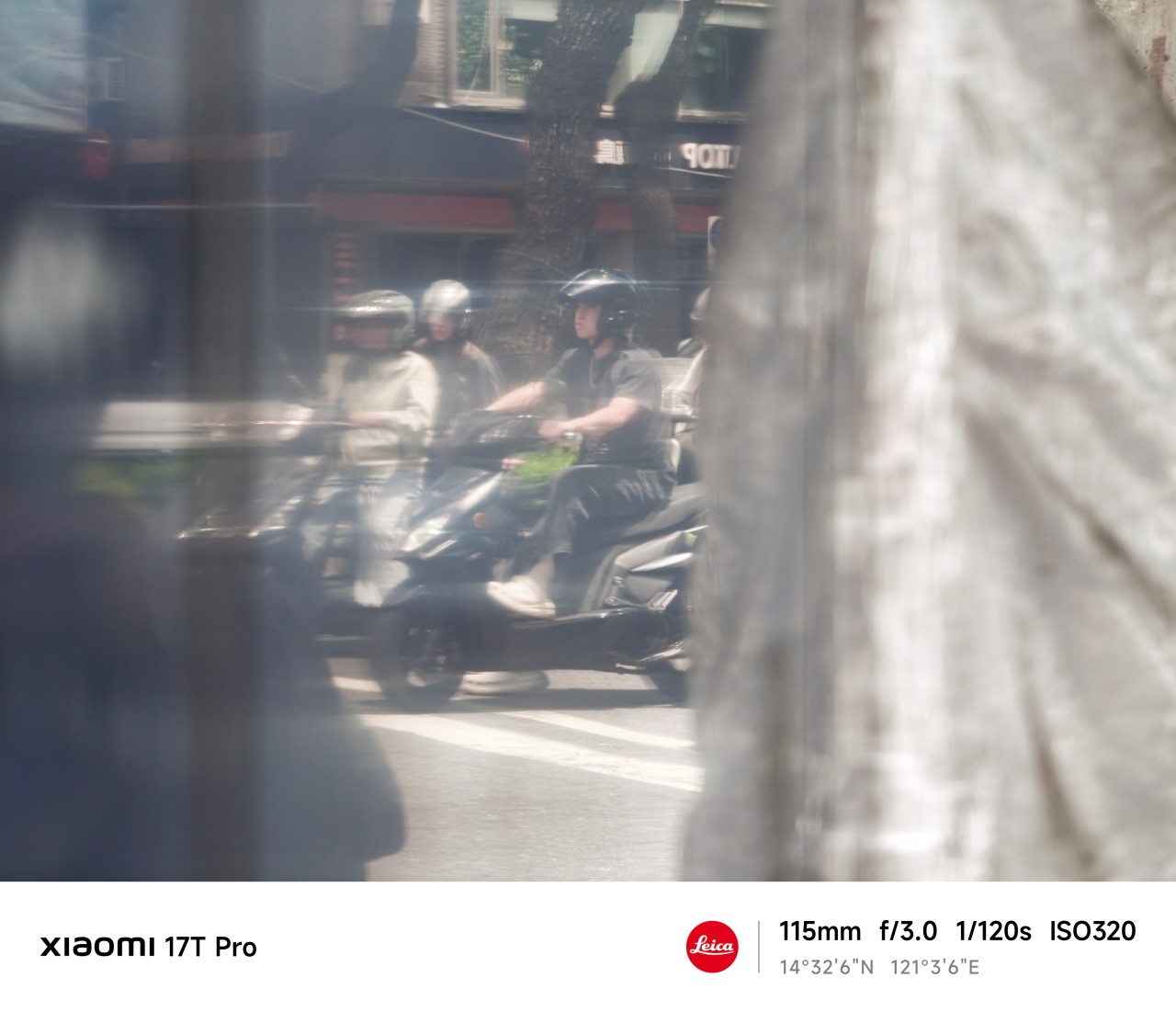 The more I used the 115mm lens, the more I appreciated how it could pull distant subjects closer while still leaving context around them. It gave me a cleaner view of things that initially felt obscured.
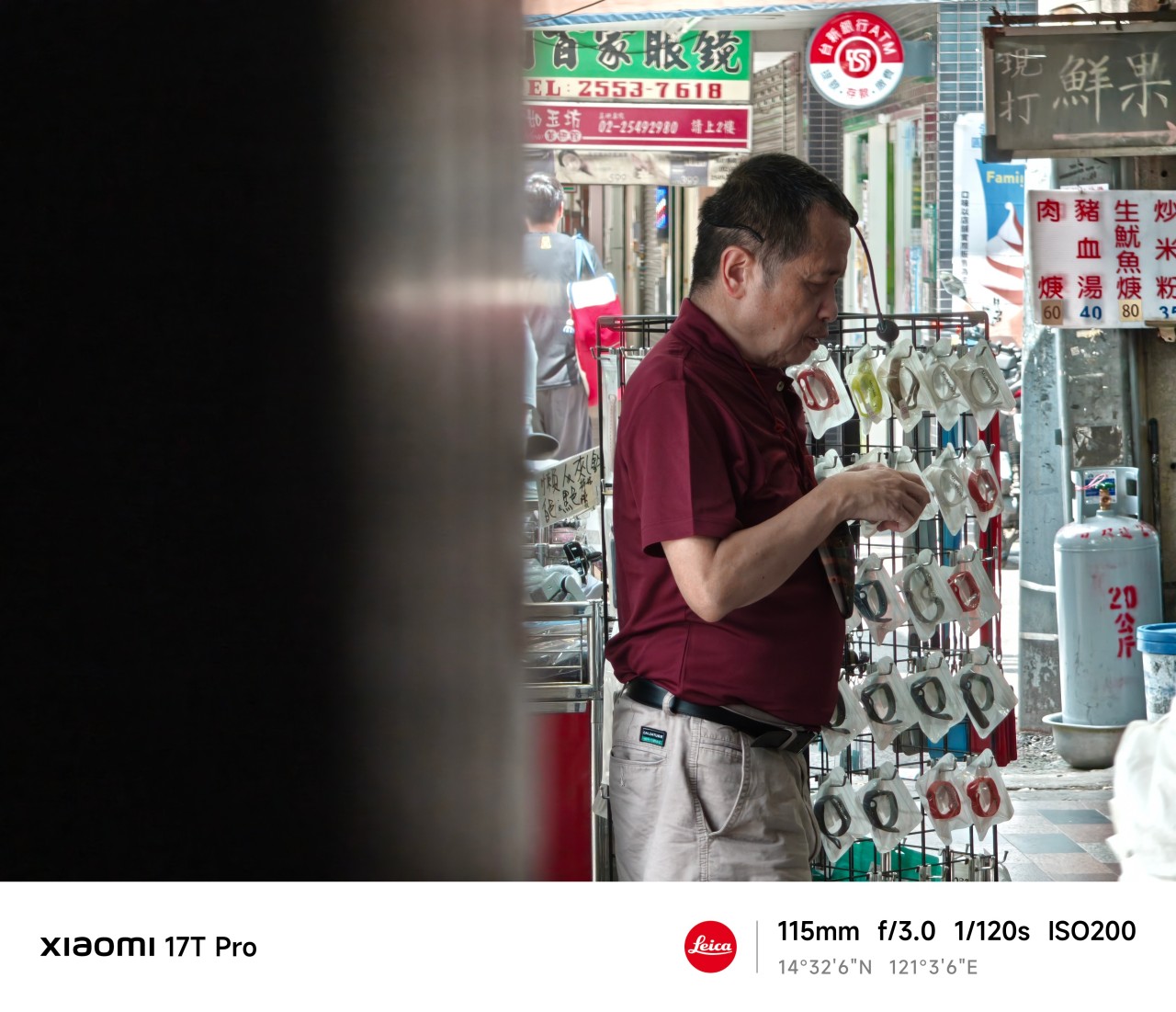
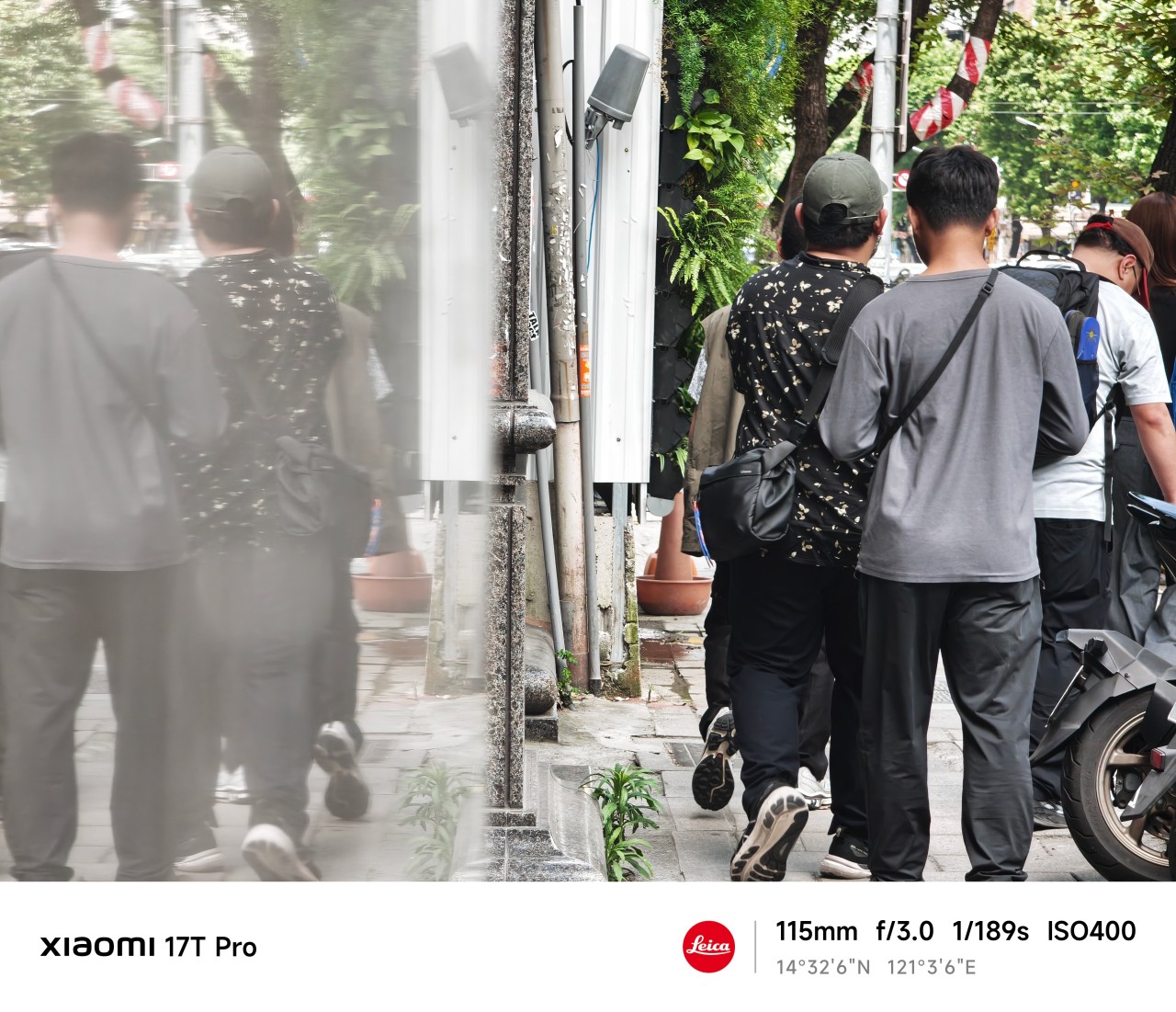
Yet photography has limits. A lens can reveal details. It cannot reveal meaning. That part still requires understanding what’s actually in front of you.
Generative longing
After some quiet reflection, I realized that much of what occupied my attention wasn’t reality at all. It was possibility. Potential.
Stories constructed from incomplete information. As it turns out, people aren’t the only subjects we do this to. Photographers do it all the time.
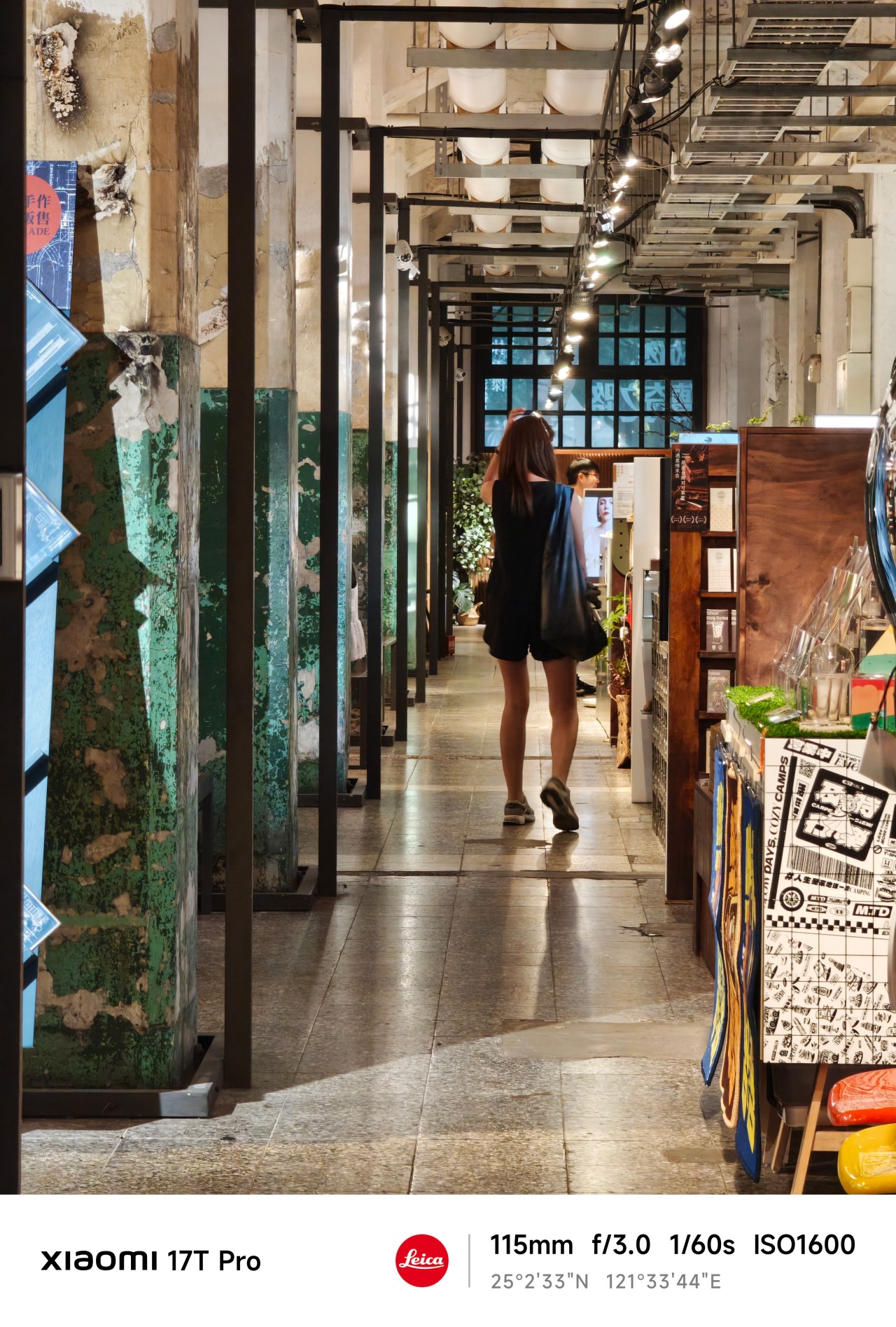
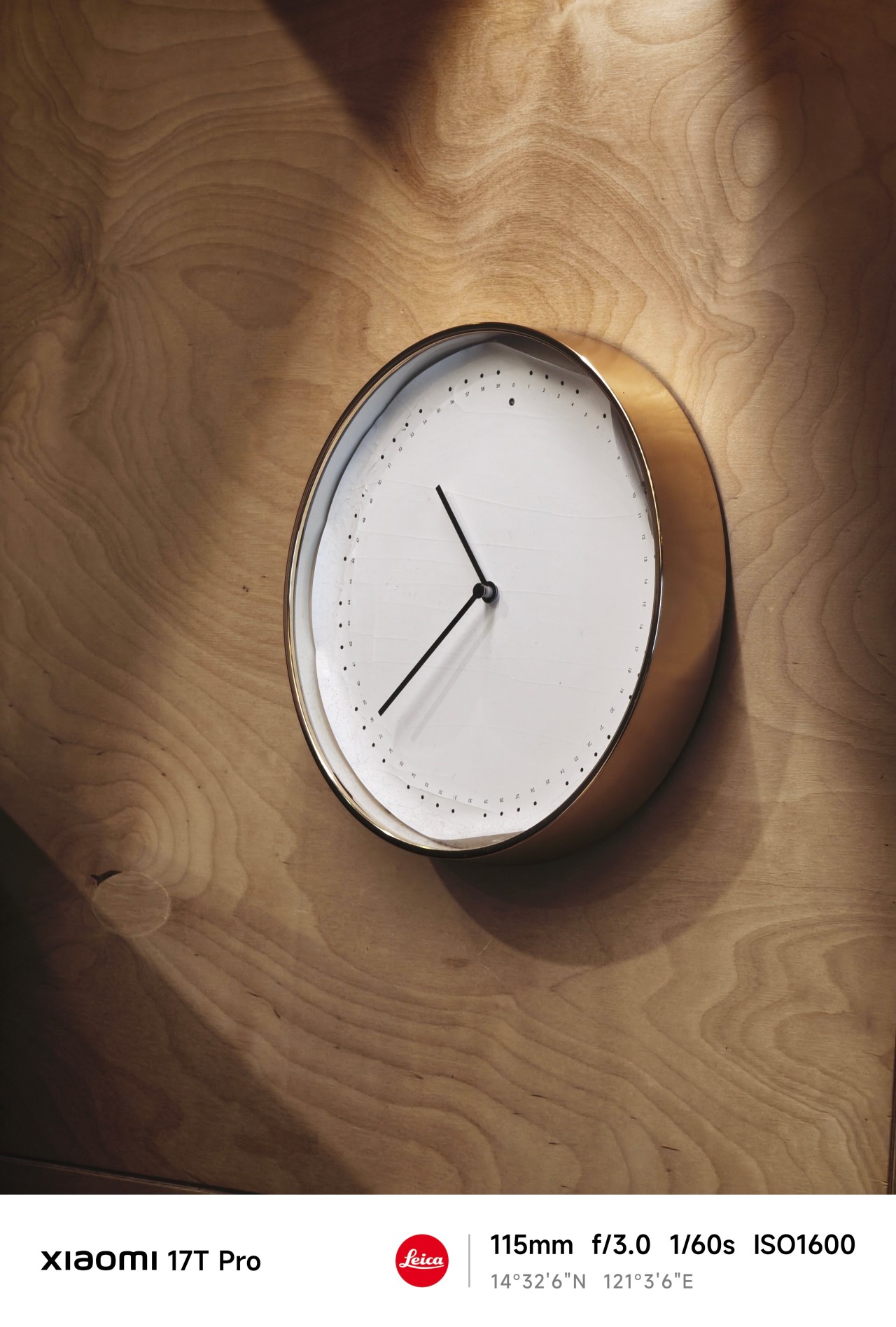
We imagine a frame before it exists. Then we convince ourselves the next corner might hold something extraordinary. And we chase moments that never arrive.
Sometimes they do. Most of the time they don’t.
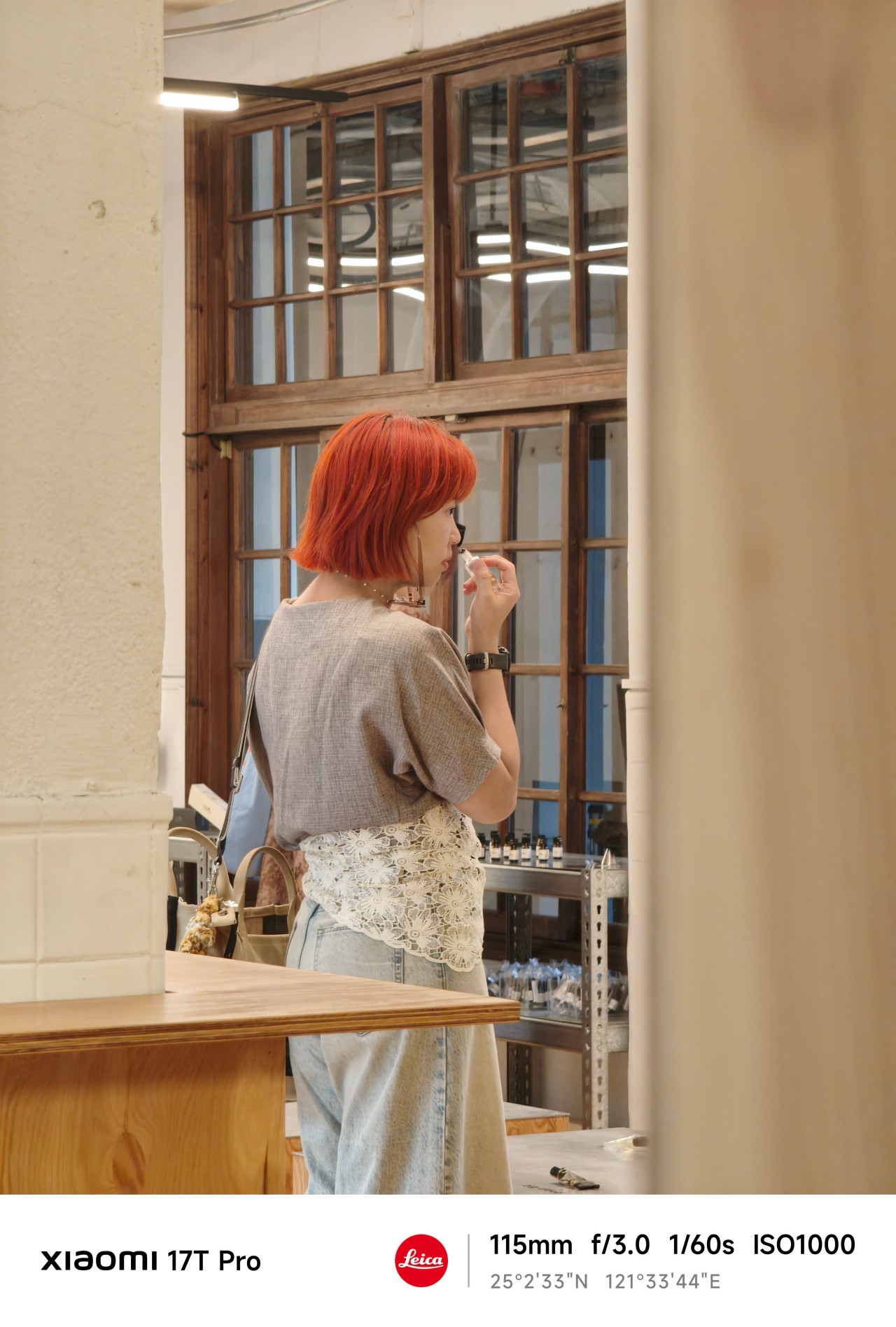
The Xiaomi 17T Pro encouraged a different approach.
Instead of hunting for specific shots, I found myself roaming freely. Walking more. Observing more. Adjusting my position constantly to find a better composition.
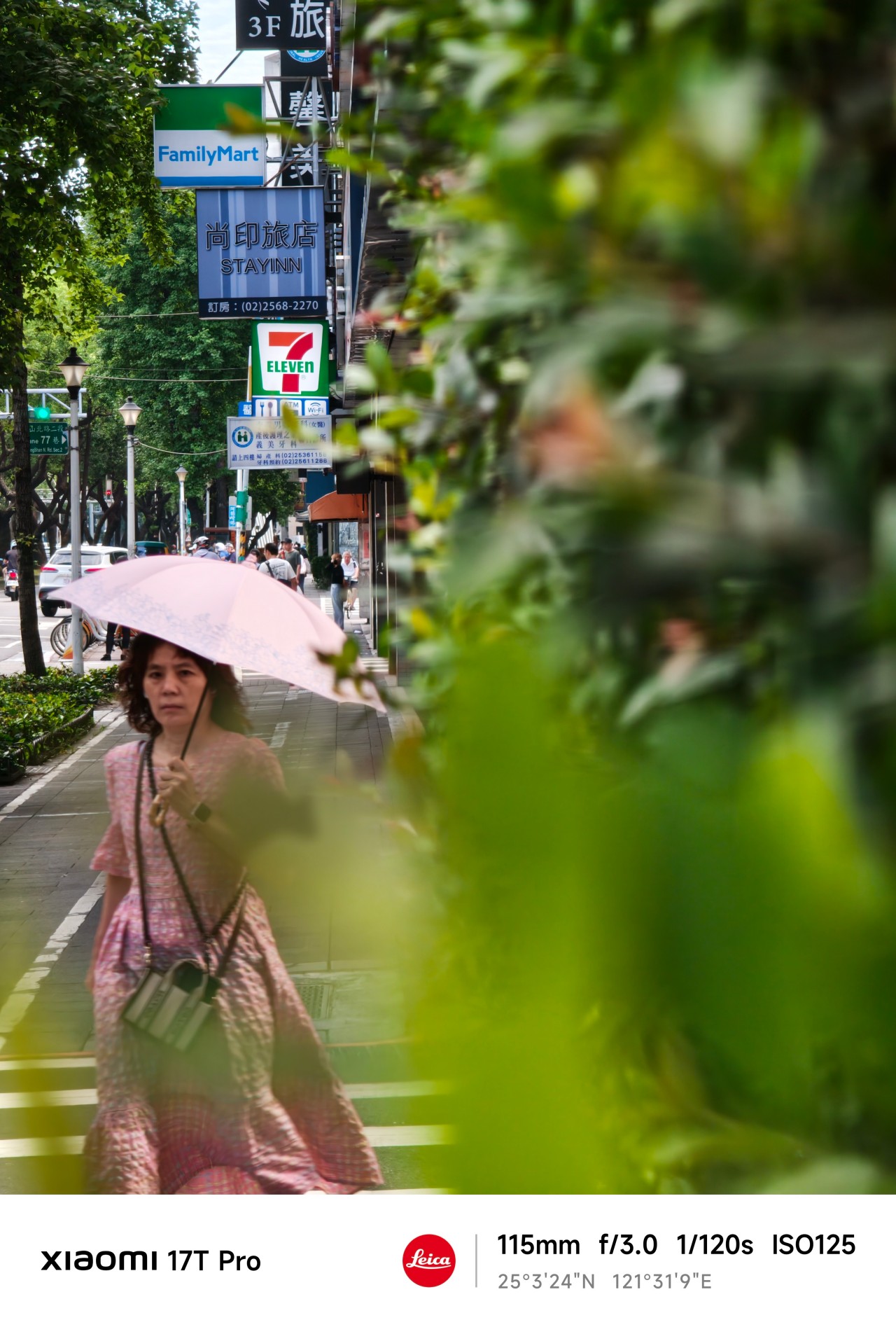
After a few days, I stopped thinking about the lens itself and started understanding the space around me.
I knew how far to stand, what would fit into frame, and when a moment was worth waiting for.
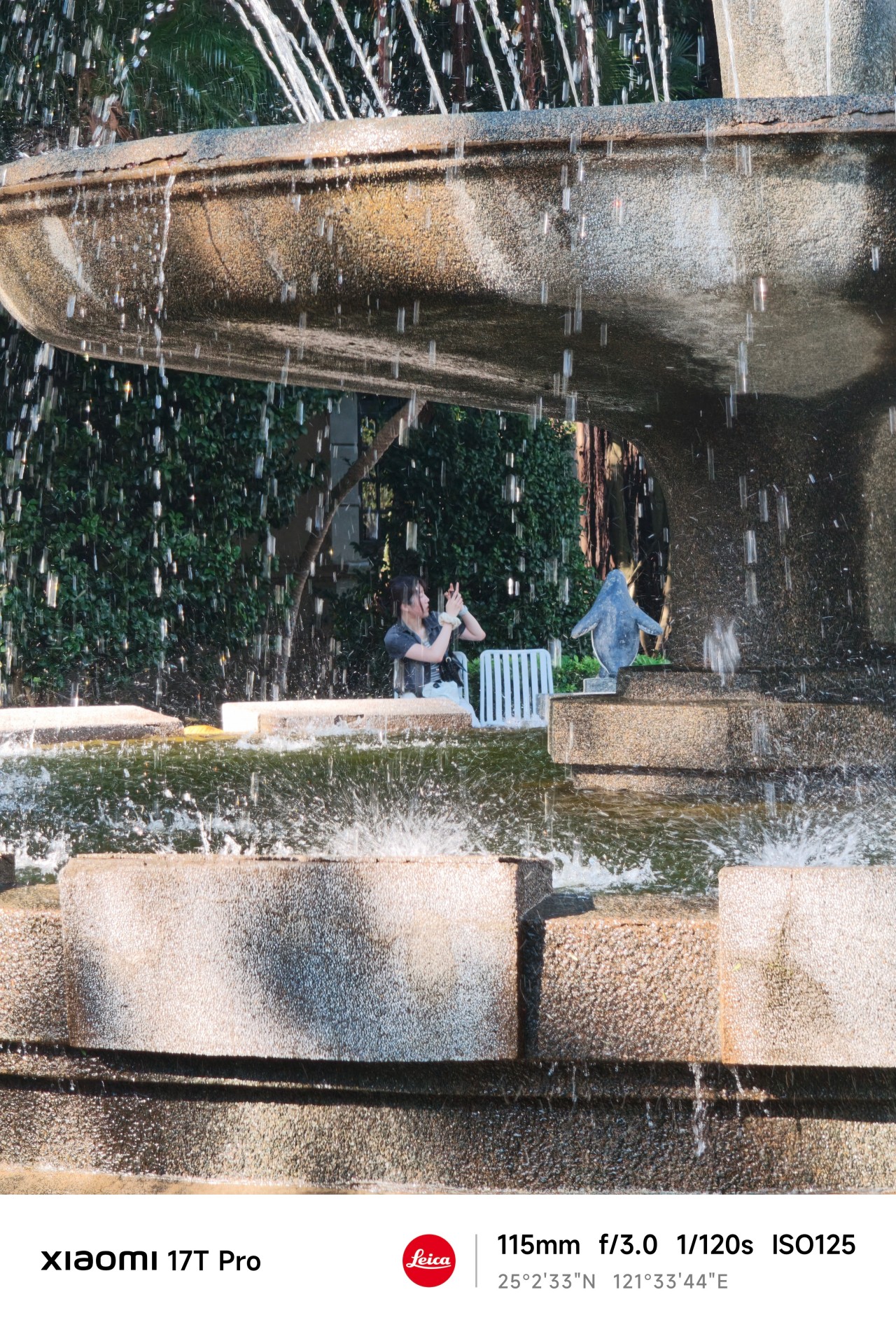
The telephoto camera became less about zooming in and more about understanding my position relative to a scene.
And that’s when things started getting interesting.
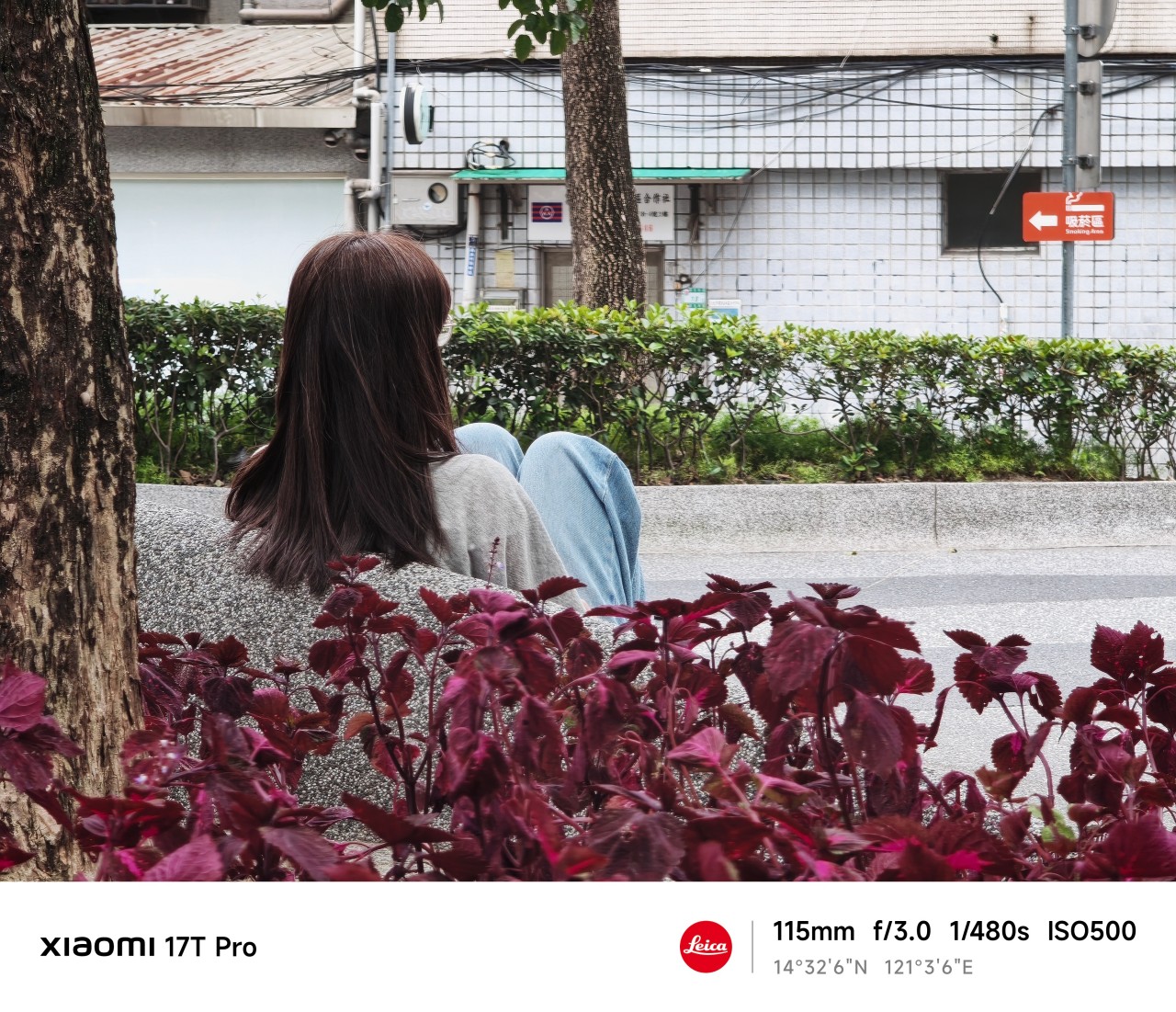
Close without crossing
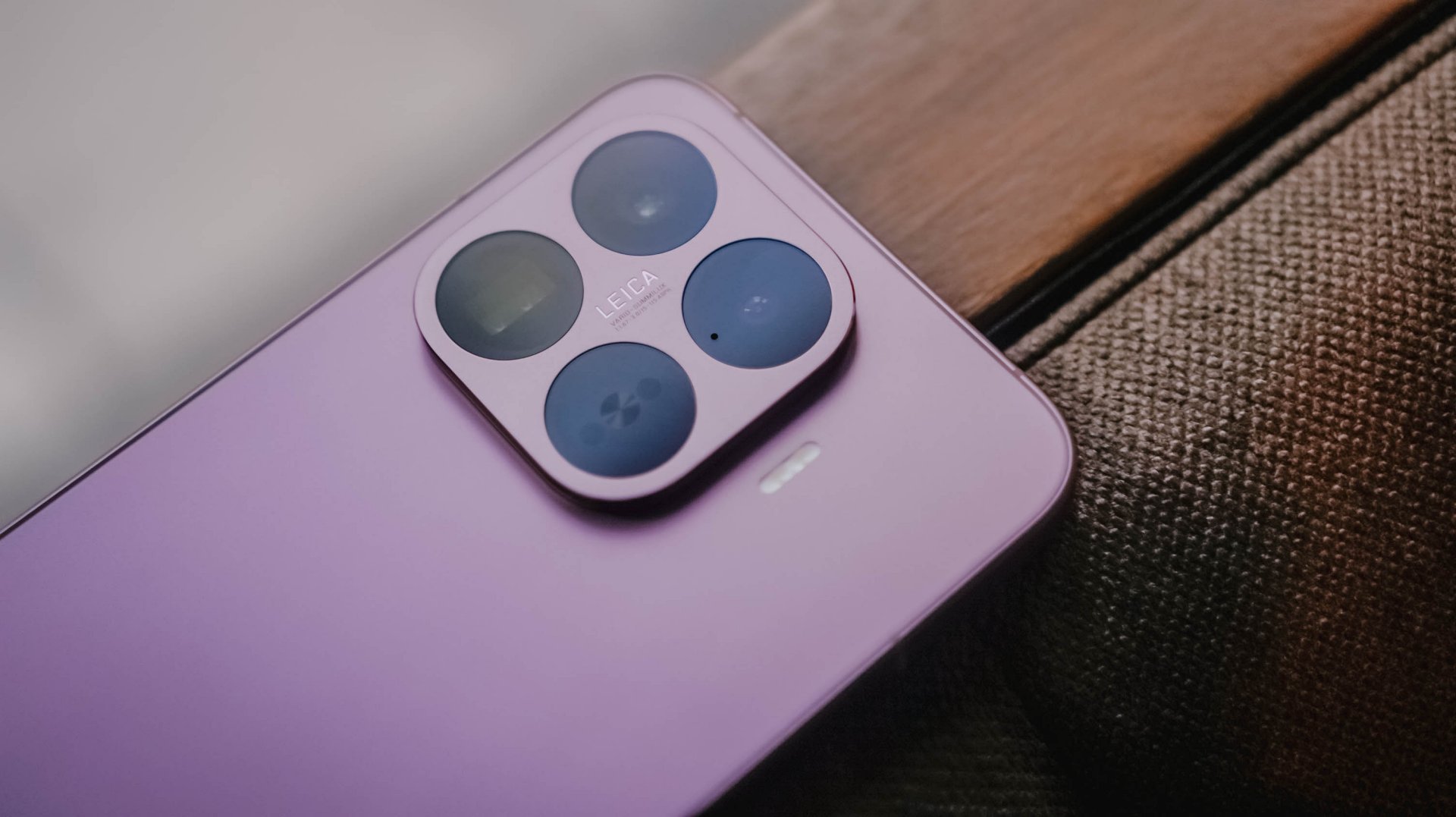
Something unexpected happened while reviewing this gallery. There are more people here than in any collection of sample photos I’ve ever taken.
Normally, I avoid photographing people. I’ve always worried it feels intrusive. The telephoto lens changed that.
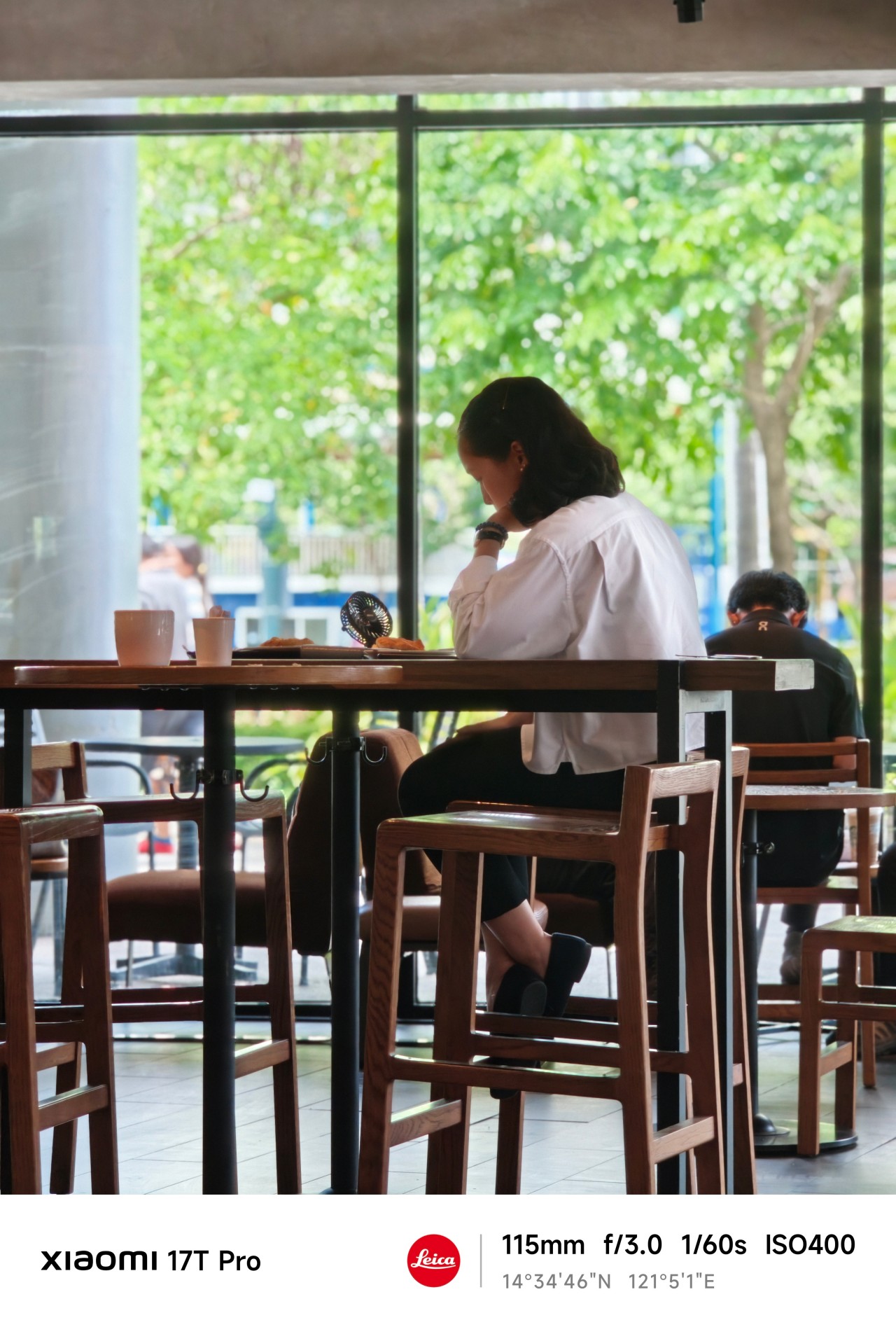 The extra reach allowed me to observe moments without disrupting them. Most of the people here aren’t looking at the camera. Many are turned away entirely. They’re simply existing within their own space.
And perhaps that’s what fascinated me most.
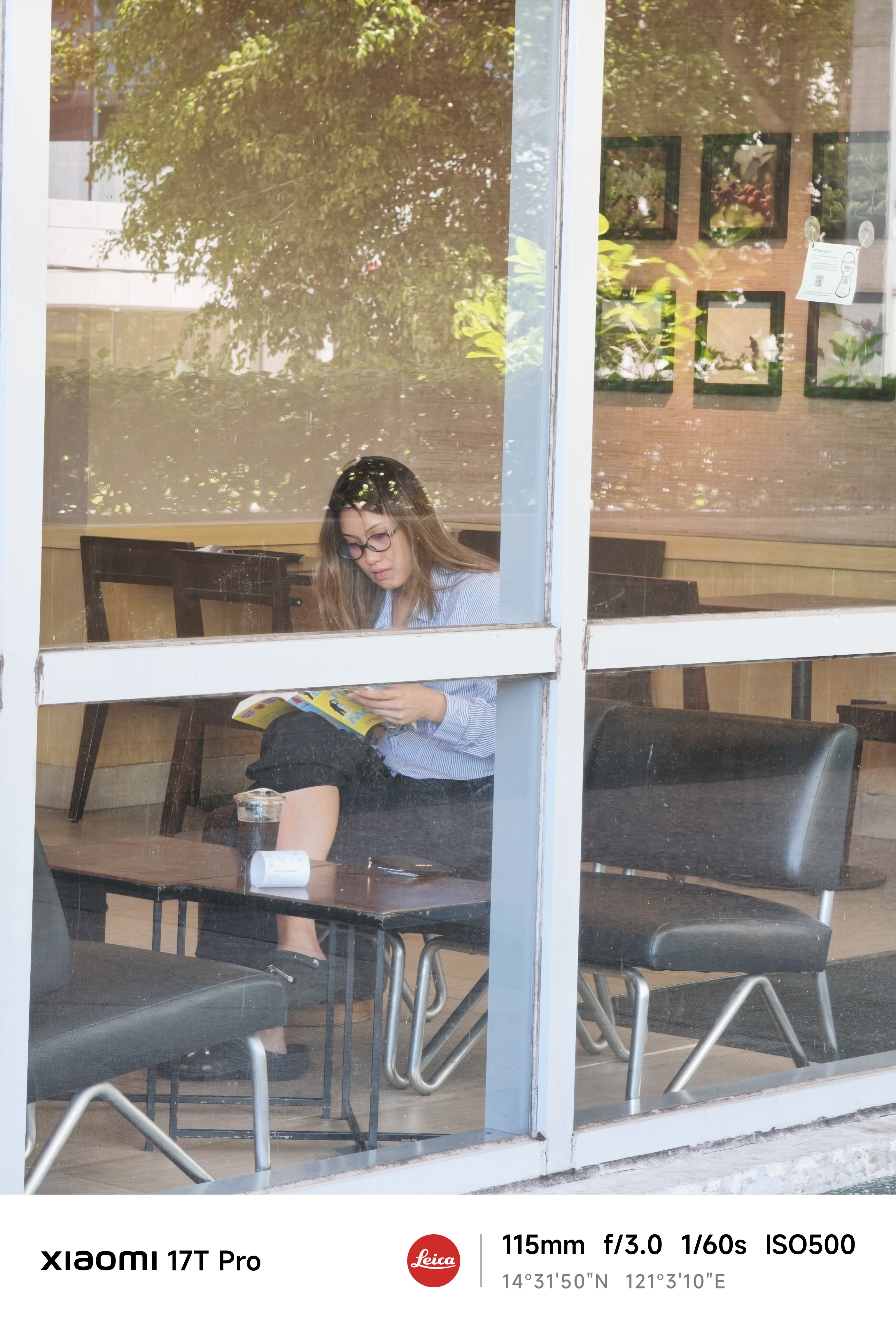
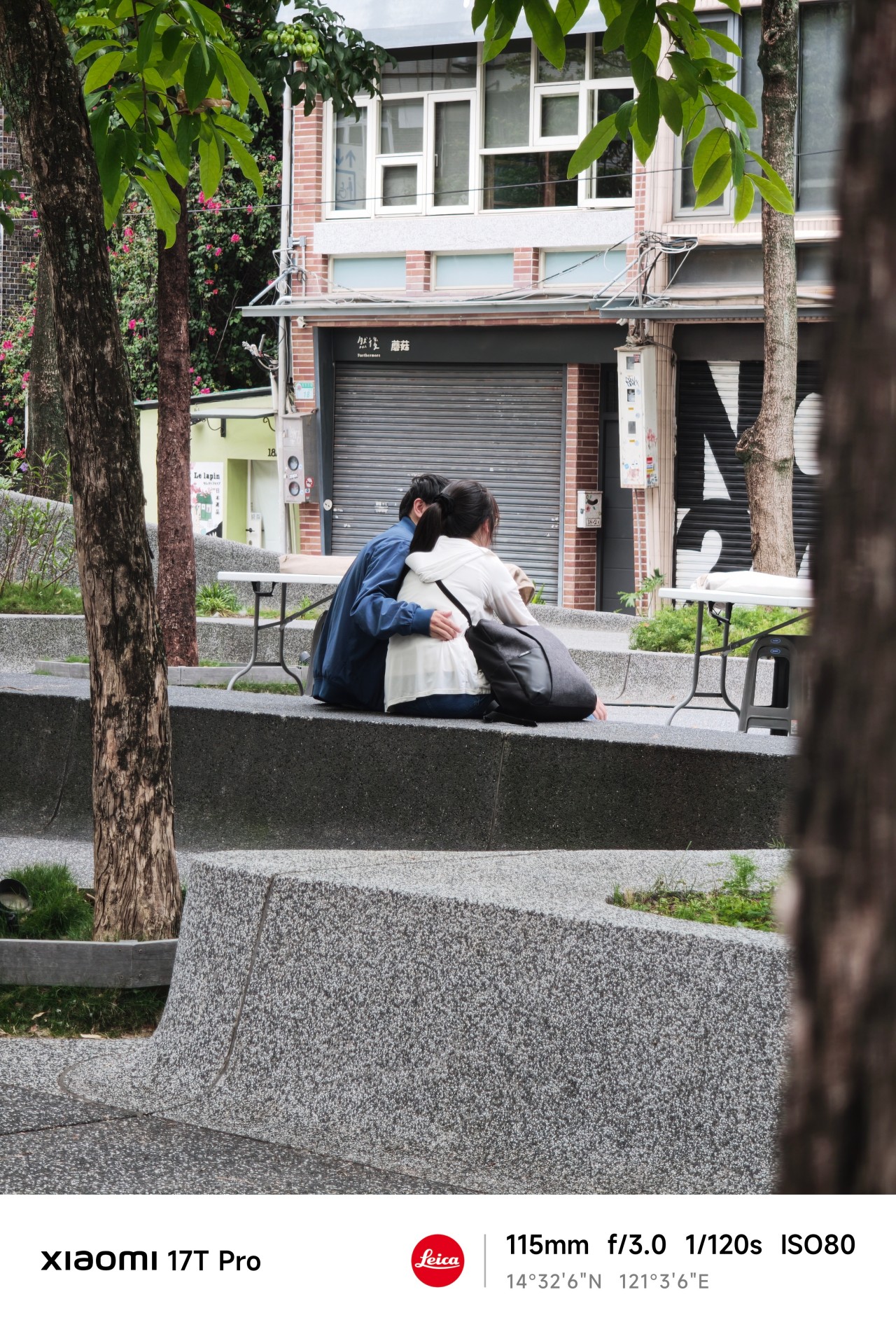
After spending so much time chasing, projecting, and attaching meaning to things that only existed in my head, I found myself approaching photography differently.
There was no grand pursuit. No dramatic realization. No need to manufacture scenarios. I simply paid attention.
 Telephoto photography is often associated with distance. Over the last few weeks, however, it taught me something else.
Distance and closeness are not always opposites.
Sometimes maintaining a little distance is what allows a moment to remain exactly what it is. Sometimes stepping back helps you see more clearly.
 And sometimes the people, places, and experiences that matter most are not the ones furthest away. They’re already within view.
Shooting at 115mm taught me that keeping a little distance can be its own way of staying close.
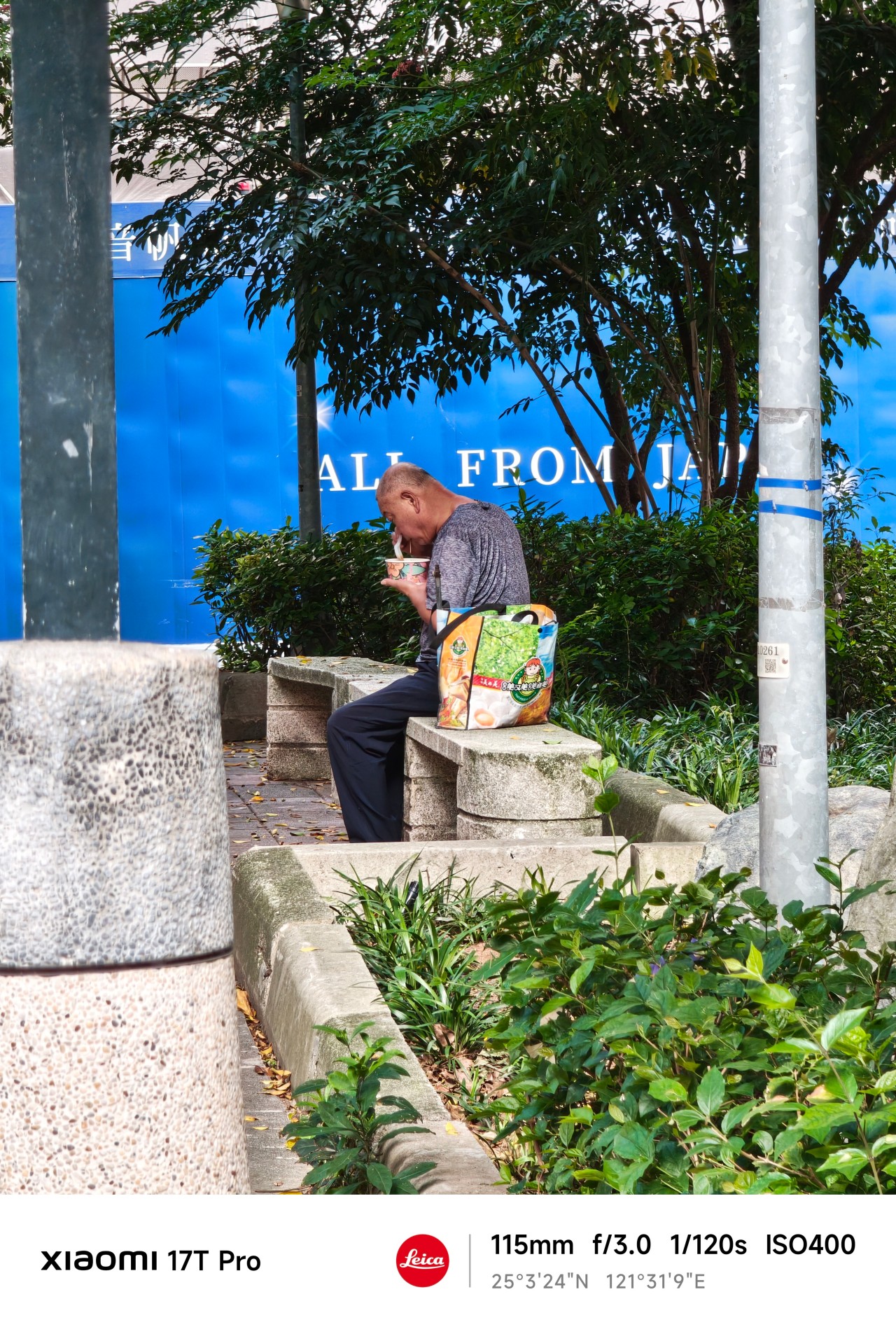
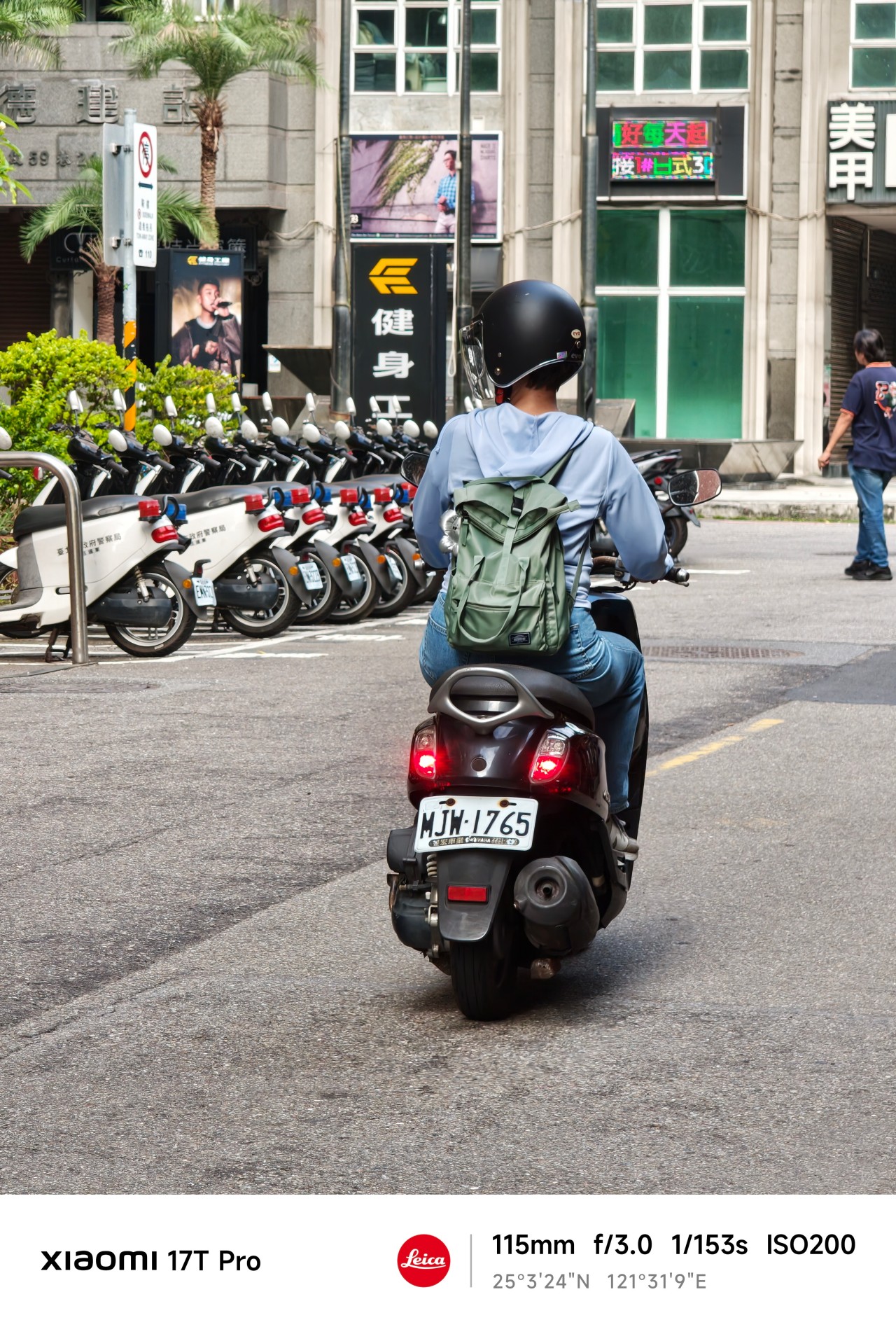
Maybe that’s what this gallery ultimately became. Not a collection of subjects I couldn’t reach. Not proof of anything.
Just a record of moments I was fortunate enough to witness.
Health
Spring reset: Growing more at home with Auk Mini
From kitchen counter experiment to everyday habit

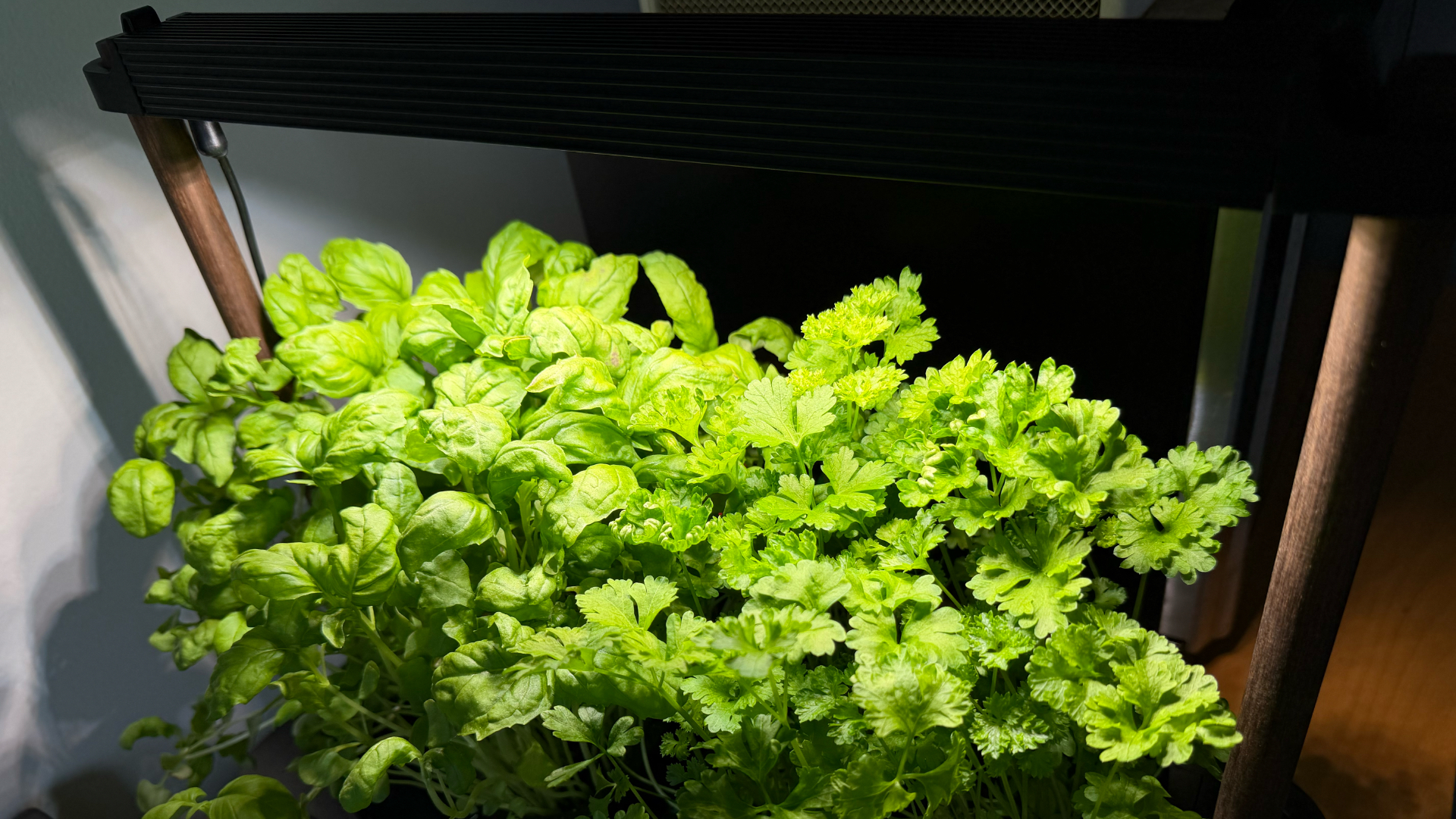
Spring and summer rolling around almost always makes me want to reset something in my routine.
A few years ago, it was growing broccoli sprouts in a jar. Getting the Auk Mini over Christmas felt like the natural next step.
From sprouts to something more
Starting with sprouts was easy. After having them at a family gathering, it clicked that I could actually grow something, even in our small apartment. Anyone, including my husband can do it on the kitchen counter, and upkeep takes less than a minute a day. Watching something grow and actually eating it made me realize how nice it is to have fresh greens around all the time.
The Auk Mini builds on that. Instead of just one thing in a jar, now I have herbs growing consistently at home.
Getting started was easy
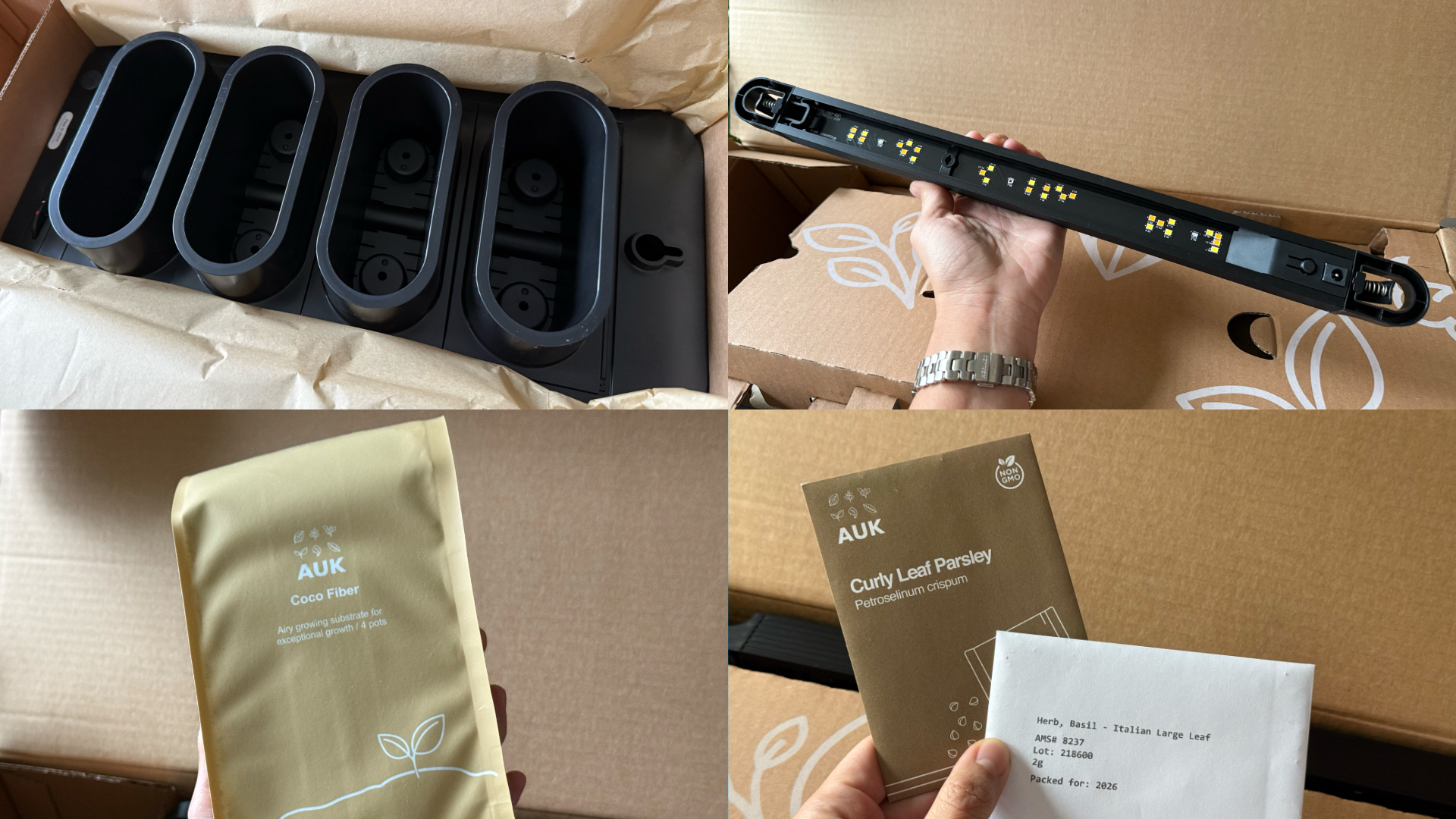
This was the part I was most unsure about, but it ended up being very straightforward. Setup took a few minutes, the instructions were clear, and nothing felt overly technical. The kit comes with everything you need to start: Auk Mini itself, seeds for planting, coco fiber, and nutrients that you add to the water to support both growth and flavor.
Once it’s up and running, it mostly takes care of itself. The lighting system handles what the plants need throughout the day, and the watering system keeps everything consistent. I have been away on trips, and I still come home to herbs that are healthy and fresh, waiting to be trimmed and added to my food.
It fits real life and small spaces

Fresh herbs growing beside my microwave
Living in a New York apartment, space is limited. While there are community gardens I could participate in, it’s not as convenient as having access to your own, especially when you’re in the middle of a snowstorm or a heatwave.
The Auk Mini sits beside my microwave, on a table that used to be my desk. It doesn’t feel like I added a new project to my life – it just blends in. I have the black and walnut version, which works well with the rest of my space, but it also comes in white, with oak or cork as other finishes, if you want something lighter.
Watching and competing
My husband and I set it up together and turned it into a challenge: who would harvest first?
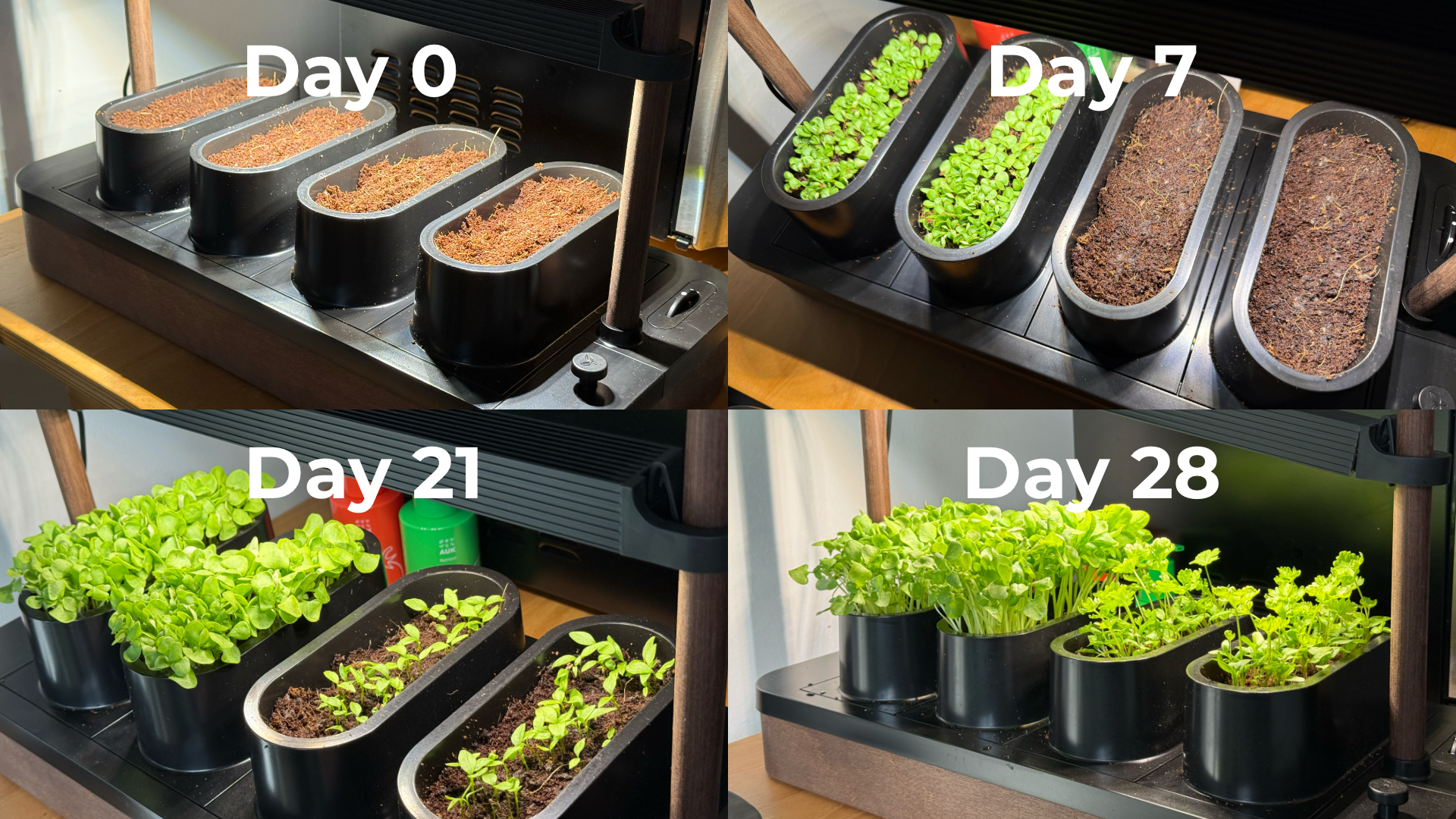
Our kit came with basil and parsley. He planted basil, which sprouted first. I took on parsley, which grew much slower and wasn’t ready for harvest until a little over six weeks later. The competition was a small thing, but it made the whole process more fun. We started paying attention to growth day by day, and it’s satisfying when you finally get to use what you grew.
One thing we learned pretty quickly is that different plants grow at different speeds, which can make lighting placement a little tricky in a shared setup like the Auk Mini. Since the basil grew faster and taller, we had to angle the light unevenly so it wouldn’t burn the basil while still giving the parsley enough exposure to catch up.
It changed how I use herbs
Basil and parsley used to be something I added as garnish. Now I’m using them all the time because they’re right within arm’s reach.

Learned to be creative and made pasta from scratch, made better with fresh herbs
I’ve been making sauces, marinades, pesto, even building meals and cocktails around them. It’s expanded the flavors we use in home cooking, and forced me to experiment instead of defaulting to our go-to recipes inspired by East Asian cooking. In fact, the biggest hurdle I’ve encountered is not having enough recipes in my repertoire that use herbs.
Even when a dish doesn’t call for it, I’ll cut some and add it anyway. Every time I did, it made the dish better. When something is always available and always fresh, you naturally start using more of it. And if you trim it properly, it just keeps growing back. It doesn’t go bad or get forgotten in the fridge.
You can grow anything you want
One of my favorite things about Auk Mini is that it’s not a proprietary system. They do offer other kits like a chili and tomato set or an Italian cuisine mix, but you can also grow your own choices.
I joined a Facebook group of Auk growers, and it’s been inspiring to see how others are using and expanding their indoor gardens. It makes me excited to try things that are harder to find or expensive in the U.S., especially vegetables and herbs I grew up with, like pechay, moringa, lemongrass, pandan, and kangkong.
A small step toward something bigger
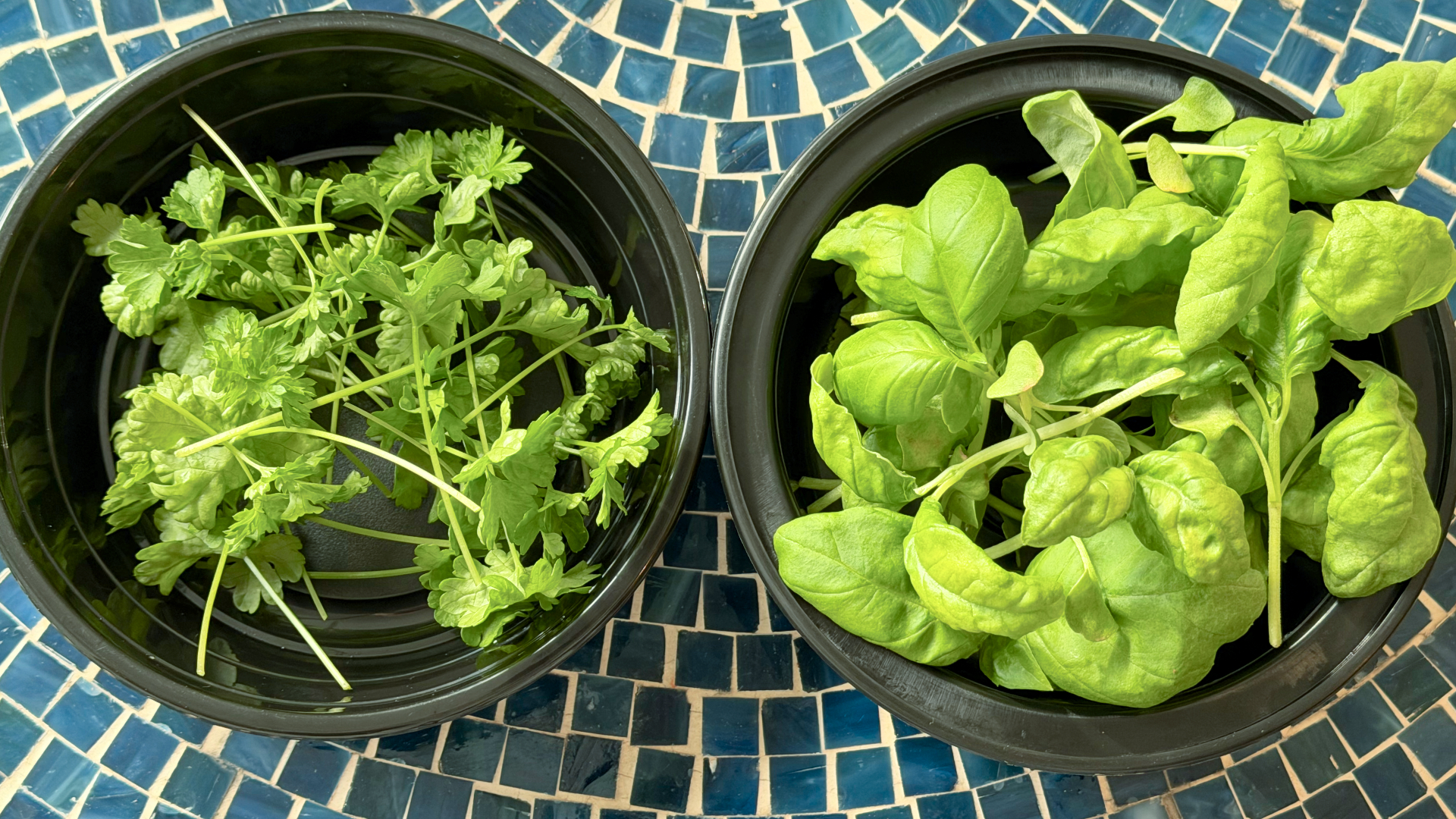
Constant fresh herbs within reach
Growing herbs indoors reminds me of something from years ago. In university, I did an immersion program in a low-income community. We recommended sustainable food systems for the stay-at-home moms we met — including hydroponics systems — both as a source of extra income and fresh food.
That experience stayed with me, but I never acted on it. This feels like a small, techie version of that idea: a hydroponic system that works in real life, in a small space, and is easy to keep up with.
Is the Auk Mini your GadgetMatch?
Starting with sprouts showed me I could easily grow something. The Auk Mini showed me I can keep going and expand it. Now I have fresh greens ready whenever I need them.
It starts at $259, which isn’t the cheapest way to get into hydroponics. If you don’t use herbs on the daily like I do, the cost is even harder to justify. But that’s also why I recommend it even more. It’s convenient, it’s fresh, and at the same time it challenges you to be more creative with food.
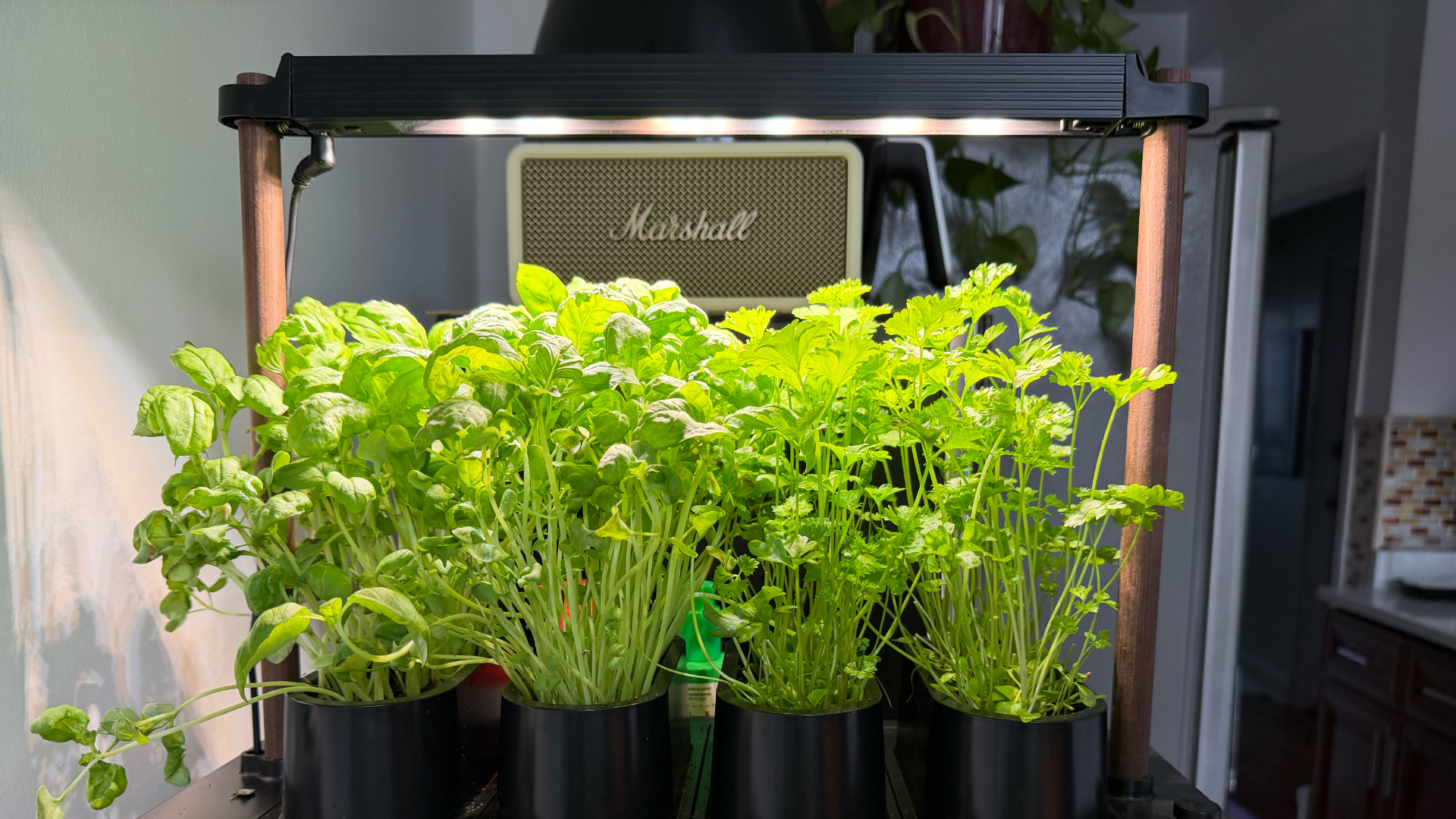
Basil and parsley keep growing in the Auk Mini after multiple harvests
Auk Mini’s ease of setup and maintenance, and flexibility make it worth it, especially if you don’t know where to start. It was a great hobby to start the year with, and an even better habit I’ve kept building on five months on. It’s given me confidence I can grow my own food for the rest of my life, one way or another.
Editor’s Note: Since this article was first published, Auk has updated the name Auk Mini to Auk Mini 1. They also announced the Auk Mini 2, currently on preorder starting at $199. This newer model has a smaller footprint, redesigned lighting, new colorways, and the ability to use larger plant pots.

HONOR Magic V6 review: The best version of a book-style foldable?
Little left to sacrifice

Close without crossing: A Xiaomi 17T Pro photo essay
Distance and closeness are not always opposites.


Spring reset: Growing more at home with Auk Mini
From kitchen counter experiment to everyday habit

Nothing is coming to over 500 Best Buy stores in the United States

This is the history of basketball videogames since the ’73 Knicks

Kingdom Hearts IV gets new trailer, confirms Switch 2 release

Final Fantasy fans have two big reasons to look forward to 2026

TECNO’s POVA 8 5G is both futuristic and future-ready

The Infinix GT 50 Pro has the most inspired design for a gaming phone

UGREEN MagFlow Air review: Airy Yet Mighty
Spring reset: Growing more at home with Auk Mini

The UGREEN Nexode Air 65W is the only charger I travel with now
TECNO’s POVA 8 5G is both futuristic and future-ready


-
 India5 days ago
TECNO’s POVA 8 5G is both futuristic and future-ready
-
 News2 weeks ago
realme launches P4 Series 5G, including Power with 10,001mAh battery
-
 Hands-On2 weeks ago
The Xiaomi Watch S5 proves you don’t have to take it off
-

 Gaming2 weeks ago
God of War Laufey puts Faye in the spotlight
-

 Buyer's Guide1 week ago
Buyer’s Guide: Xiaomi Pad 8 Series
-

 Gaming2 weeks ago
Marvel’s Wolverine showcases brutal combat, confirms Jean Grey
-
Reviews5 days ago
HONOR Magic V6 review: The best version of a book-style foldable?
-
 Gaming5 days ago
Kingdom Hearts IV gets new trailer, confirms Switch 2 release